Best Parakeet Toys for Enrichment, Chewing, and Play
Looking for the best parakeet toys? We’re breaking down the best chew toys, foraging puzzles, swings, and more, plus safety tips and a rotation system for a healthier budgie.
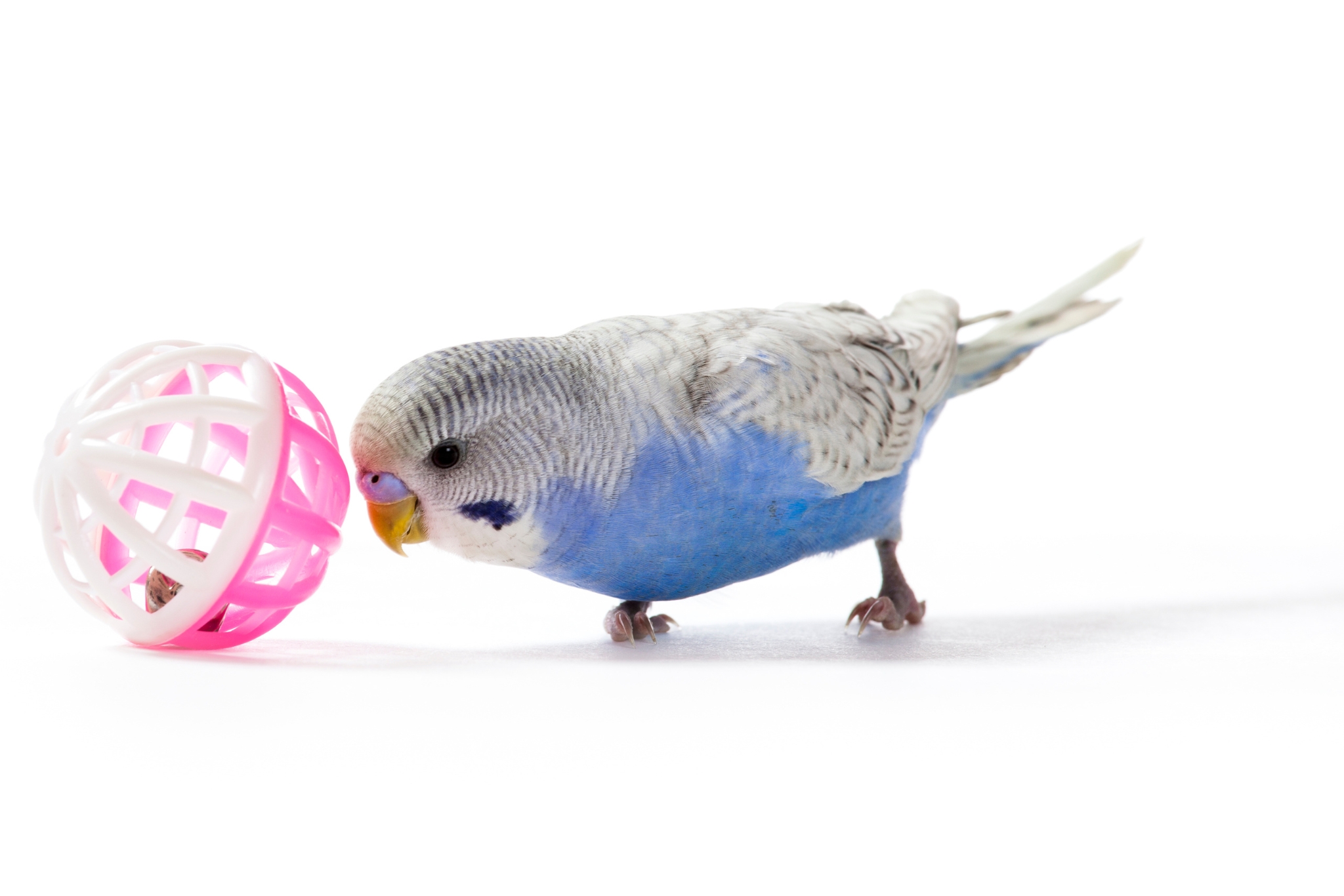
Parakeets, also called budgerigars or budgies, are some of the most popular pet birds in the world.
These birds are social, intelligent, curious, and always looking for something to explore… but all that curiosity means they need plenty of mental stimulation. A budgie that doesn’t have enough to do can become bored and frustrated, which can lead to behaviors like excessive screaming, feather plucking, or even aggression.
The good news is that you don’t need to turn your bird’s cage into an elaborate playground to keep them happy and engaged. What matters most is giving your parakeet a variety of toys that let them do what comes naturally, whether that’s chewing, climbing, foraging, exploring, or figuring out a little puzzle.
This article covers the best types of toys for parakeets, what to look for when choosing them, important safety tips, and how to rotate toys so your bird continues to find them interesting over time.
With the right mix, you can keep your budgie busy, curious, and mentally engaged without constantly buying new toys!
Why Toys Matter So Much for Parakeets
In the wild, budgies spend a huge part of their day doing things that keep them busy—like searching for food, flying from place to place, climbing around, and interacting with their flock.
A pet parakeet living in a cage doesn’t have the same opportunities, so toys and enrichment help fill that gap. For budgies, enrichment isn’t just a fun extra, it’s an important part of keeping them mentally and physically healthy.
A well-equipped cage gives your parakeet plenty of opportunities to:
- Chew and shred: toys give them a safe outlet for natural chewing and shredding behaviors
- Stay mentally engaged: having things to explore and figure out can help prevent boredom related behaviors like excessive screaming or feather plucking
- Get physical exercise: climbing, swinging, and moving between toys encourage your budgie to stay active
- Practice foraging: searching for hidden treats or food mimics the kind of problem solving and feeding behaviors they would use in the wild
- Keep their beak busy: a budgie’s beak grows continuously, so appropriate chewing activities give them a natural way to wear it down
Types of Parakeet Toys and What Each One Does
1. Chew Toys
Chewing is a natural and important part of being a parakeet, and it also gives your bird a way to keep its beak busy and naturally worn down.
Look for chew toys made from untreated wood, natural fibers like sisal or seagrass, and bird-safe vegetable dyed materials.
It’s also a good idea to offer different textures and shapes. A variety of materials keeps chewing more interesting than giving your budgie the same type of wooden block over and over.
2. Foraging Toys
Foraging toys make your bird work a little to find a reward, such as a favorite treat or seed hidden inside a puzzle, box, or woven pocket.
They’re one of the most valuable types of enrichment you can offer because they mimic the time and effort wild budgies naturally spend searching for food.
You can keep foraging simple with setups like:
- Paper cups or loosely crumpled paper with treats tucked inside
- Wicker balls filled with shredded paper and a hidden seed
- Small foraging boxes with multiple compartments
“The goal isn’t to make the task frustrating—it’s to give your budgie something fun to figure out.”
3. Swings and Ladders
Swings give parakeets a chance to work on their balance and leg muscles, while ladders encourage climbing, another natural activity for these birds.
Adding a few climbing and swinging options also encourages your budgie to move around and stay active throughout the day.
4. Mirrors: Use With Caution
Mirrors can be a little tricky with parakeets. Some budgies enjoy looking at their reflection, but others can become overly attached to it, especially if they don’t have another bird for companionship. A bird that becomes fixated on a mirror may spend less time interacting with its surroundings or with you.
If you decide to offer a mirror, pay attention to how your bird reacts. If your budgie starts spending excessive amounts of time with it, constantly calling to the reflection, or showing other obsessive behavior, it’s better to remove it.
5. Bells and Noise Making Toys
Bells, rattles, and other noise making toys appeal to a parakeet’s natural curiosity. Many budgies enjoy making a sound and then investigating the result, and these toys are also easy to rotate in and out of the cage.
Safety is especially important here. Choose bird-safe bells with enclosed clappers or toys specifically designed for birds, and avoid designs with open hooks or small dangling pieces that could catch a toe or beak.
6. Shreddable Toys
Shreddable toys are perfect for budgies that love to tear things apart. Toys made from paper, palm leaf, or loosely woven natural fibers let your bird manipulate and destroy materials with its beak and feet.
These toys are meant to be destroyed, so you’ll need to replace them regularly. The upside is that they’re often inexpensive, making them an easy and affordable way to keep your bird entertained.
7. Puzzle and Problem Solving Toys
Puzzle toys take foraging a step further by requiring your budgie to complete a few steps before reaching a reward. Depending on the toy, that might mean sliding a door, removing a piece, or working through a simple mechanism to get to a treat.
Start with easy puzzles and work your way up. If a toy is too difficult right away, your bird may become frustrated and lose interest.
The best puzzles are challenging enough to be interesting without making your budgie feel like it’s impossible to win.
What to Look for When Choosing Parakeet Toys
Choose the Right Size
Parakeets are small birds, so toys made for larger parrots like cockatiels, conures, or macaws may not be a good fit. They can have parts that are too large or heavy, or openings that don’t work well for a budgie’s smaller feet and beak.
When shopping, look for toys specifically made for parakeets or other small birds.
Pay Attention to Materials
Not every bird toy is made with materials that are safe for parrots. Some good options include:
- Untreated bird-safe wood such as pine, balsa, or maple
- Natural fibers like sisal, seagrass, and jute
- Stainless steel hardware rather than metals that may contain zinc or lead
- Vegetable based dyes when you want a colorful toy
Safety First
It’s best to avoid toys with tiny beads or pieces that could be swallowed, loose strings longer than your bird’s body, or metal components that aren’t clearly identified as bird-safe. Certain metals can be toxic to birds, so it’s not worth taking chances.
Make Toys Easy to Rotate
Toys that are easy to clip on and remove make it much simpler to rotate your bird’s enrichment. This lets you change things up regularly without completely rearranging the cage every time.
How Many Toys Should Be in a Parakeet’s Cage?
A good place to start is with 3 to 5 toys at a time, ideally from at least 2 different categories. For example, you might offer a chew toy along with a foraging toy and a swing.
But try not to fill up your bird’s cage with a bunch of toys—too many can take up valuable space for flying, climbing, and moving around.
Instead, rotate the toys every week or two. Swapping a few toys out regularly can keep your parakeet more interested than simply adding more and more toys to an already crowded cage.
DIY Parakeet Toy Ideas
If you’re trying to keep costs down, you don’t have to buy every toy from a pet store. You can make plenty of simple enrichment toys at home using safe materials you may already have around the house.
- Paper roll foragers: fold the ends of a clean toilet paper roll inward, tuck a small treat inside, and let your bird figure out how to get it out
- Skewer toys: thread bird-safe wood pieces or suitable vegetables onto a stainless steel skewer to create a simple chewing and foraging toy
- Paper ball surprises: wrap a small treat in paper and let your parakeet work at opening it
- Cardboard mazes: cut a few holes in an untreated cardboard box and hide treats inside to create a simple puzzle your bird can explore
Don’t forget to keep an eye on your parakeet the first few times you introduce a new toy. That way you can make sure your bird isn’t chewing or interacting with it in a way that could be unsafe.
Signs Your Parakeet Needs More Enrichment
If you start noticing any of these behaviors, it may be a sign that your parakeet needs more variety or stimulation. It’s worth taking a look at your current toy rotation:
- More screaming or vocalizing than usual, especially outside normal calling times
- Feather plucking or excessive preening
- Repetitive pacing back and forth along the cage bars
- Losing interest in toys they used to enjoy
- More aggression toward cage mates or your hands
The Bottom Line
The best parakeet toys don’t have to be the most expensive ones. What matters is choosing toys that let your bird do what comes naturally—chew, forage, climb, explore, and figure things out.
A good mix of different toy types, rotated regularly and chosen with safety in mind, will do much more for your budgie than relying on one “perfect” toy.
And since every parakeet has its own personality and preferences, pay attention to what your bird actually enjoys and adjust the toy selection from there.