The Complete Guide to Equine Massage Therapy Benefits, Uses & What to Expect
Discover the science-backed benefits of equine massage therapy for horses of all breeds, ages, and disciplines. From performance horses to retired companions, learn how massage can transform your horse’s health and well-being.
- What Is Equine Massage Therapy?
- The Science Behind Equine Massage Therapy?
- Top Benefits of Equine Massage Therapy
- Which Horses Benefit From Massage Therapy?
- How Often Should a Horse Receive Massage Therapy?
- Choosing a Qualified Equine Massage Therapist
- Equine Massage Therapy as Part of a Whole-Horse Approach
- Final Thoughts: Every Horse Deserves to Feel Good
Your horse can’t tell you when something feels off—but their body absolutely does.
Subtle resistance under saddle, a slightly shortened stride, tightness through the back, or even a change in attitude can all be quiet signals that something isn’t quite right. Horses communicate discomfort in ways that are easy to overlook, especially when they’re trying their best to keep going.
Equine massage therapy is a thoughtful, hands-on way to tune in. By working through the muscles, fascia, and soft tissues that support every step your horse takes, massage helps address the physical sources of tension and imbalance. The result is greater comfort, improved movement, and a happier, more willing partner.
From elite performance horses to the beloved weekend trail companion, equine massage offers real, noticeable benefits that support your horse’s well-being at every level.
What Is Equine Massage Therapy?
Equine massage therapy is the gentle, systematic work of a horse’s soft tissues—including muscles, connective tissue, tendons, and ligaments—to support healing, relaxation, and peak physical function.
Performed by certified equine massage therapists, this hands-on approach has evolved from a specialized performance aid into a widely embraced part of modern equine care, valued by veterinarians, trainers, and horse owners alike.
Whether your horse is a Grand Prix show jumper, a trusted trail partner, or enjoying retirement in the pasture, equine massage therapy can offer meaningful, measurable benefits.
Understanding what it is—and how it supports overall wellness—can help you make thoughtful, well-informed choices for your horse’s ongoing care.
The Science Behind Equine Massage Therapy
To understand why equine massage therapy is so effective, it helps to look a little deeper beneath the surface. Horses are natural athletes, and even those not in regular competition place significant demand on their bodies simply through everyday movement, uneven footing, and carrying a rider.
Over time, muscular tension, adhesions (often referred to as “knots”), and restricted fascia can develop. These may stem from repetitive work patterns, trailer travel, poorly fitting tack, dental or hoof imbalances, or even emotional stress. When left unaddressed, the body often begins to compensate—one muscle group takes on extra work to protect another. This can create a ripple effect of tension throughout the body and gradually alter movement patterns.
Equine massage therapy helps interrupt this cycle by:
- Increasing circulation — Massage encourages healthy blood flow to soft tissues, delivering oxygen and nutrients while helping remove metabolic waste such as lactic acid that builds up after exertion.
- Reducing muscle tension — Focused, intentional techniques help release tight muscle fibers and address adhesions, supporting more natural tissue flexibility.
- Supporting the lymphatic system — Gentle, rhythmic strokes assist lymph flow, helping reduce fluid buildup and promoting immune function.
- Encouraging parasympathetic activation — Massage supports a calming response in the nervous system, helping lower stress levels and encouraging relaxation.
- Improving range of motion — By easing restrictions in muscles and fascia, massage allows joints to move more freely and naturally through their full range.
Top Benefits of Equine Massage Therapy
A well cared for horse doesn’t just perform better—they also feel better. Equine massage therapy supports the whole horse: body, mind, and movement.
Whether in high level competition, light recreational work, or retirement, regular bodywork helps keep horses comfortable, balanced, and functioning at their best.
1. Enhanced Athletic Performance
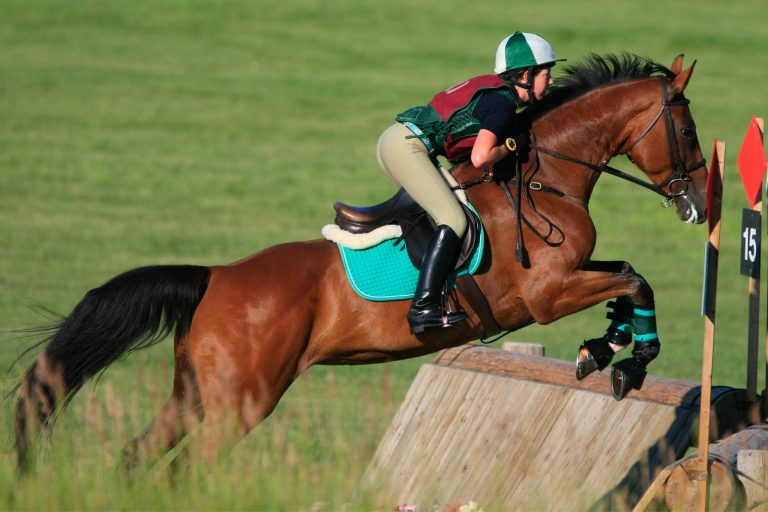
For performance horses—eventers, barrel racers, reiners, dressage horses, and jumpers—sound movement and muscular balance are everything. Even small areas of tightness can affect performance: a restricted hamstring may shorten stride, a tight shoulder can limit jump expression, and tension in the topline can prevent true roundness and engagement.
Regular equine massage therapy helps maintain symmetry, reduce uneven movement patterns, and support optimal muscle function.
Many professional riders notice their horses feel more supple, more willing, and more consistent when massage is part of their conditioning program.
2. Faster Recovery After Exercise and Competition
After a hard workout or competition, a horse’s muscles naturally hold waste products and microscopic strain that can lead to stiffness and soreness. Post-exercise massage helps speed up recovery by encouraging circulation and supporting the removal of metabolic byproducts.
Horses that receive massage after demanding work often return to training more comfortably and more quickly, helping keep conditioning programs on track.
3. Pain Relief and Chronic Condition Management
Equine massage therapy is often used to support chronic musculoskeletal issues such as:
- Back soreness — One of the most common complaints in ridden horses, back pain often responds well to targeted soft tissue work.
- Sacroiliac tension — Tight muscles surrounding the SI joint can exacerbate pain and restrict hind end engagement.
- Neck stiffness — Horses that resist lateral flexion often have significant tension in the cervical muscles that massage can help address.
- Myofascial trigger points — Trigger points (hyperirritable spots within a muscle) can refer pain to distant areas of the body, causing lameness-like symptoms that are often overlooked.
It is important to note that massage is a supportive, complementary therapy and works best alongside veterinary care. Any suspected lameness or medical concern should always be evaluated by a veterinarian first.
4. Stress Reduction and Behavioral Improvement
Horses are highly sensitive animals, and stress is a more significant factor in their health than many owners realize. Trailering, competition environments, changes in herd dynamics, isolation, stall confinement, and even inconsistent training can all elevate a horse’s stress levels and contribute to both physical tension and behavioral problems.
Equine massage therapy has a direct, measurable effect on the nervous system. Sessions consistently lower heart rate, reduce respiratory rate, and promote a calm, parasympathetic state in horses.
Many owners report significant behavioral improvements—including reduced spookiness, easier saddling, greater willingness under saddle, and calmer behavior in the barn—following regular massage work.
Horses that are resistant or difficult to handle due to pain-related tension often show remarkable changes in temperament once their muscular discomfort is addressed.
5. Improved Flexibility and Range of Motion
Flexibility matters for every horse—not just elite athletes. A horse with restricted hip flexor muscles will struggle to pick his feet up cleanly, increasing the risk of stumbling and injury on the trail. A horse with tight neck muscles will find it uncomfortable to eat from the ground, potentially leading to compensatory postural changes over time.
Equine massage therapy, particularly when combined with passive stretching, gradually improves the elasticity of soft tissues throughout the body. Many horses show a visibly longer, freer stride and increased willingness to stretch through their neck and back after a series of massage sessions.
6. Early Detection of Issues
One of the often overlooked benefits of regular equine massage therapy is the role the therapist plays as an observant, hands-on member of your horse’s health care team. A skilled equine massage therapist works methodically through every muscle group in the horse’s body, and in doing so, often identifies areas of tension, asymmetry, or sensitivity before they become significant problems.
Many owners have been alerted to developing saddle fit issues, early dental imbalances creating neck tension, and beginning hock soreness causing compensatory back tightness—all through observations made during routine massage sessions.
This early detection capability can save both time and money by catching issues when they are still minor and easily addressed.
7. Support for Older and Retired Horses
The benefits of equine massage therapy are not just reserved for horses in active work. Senior horses often face a combination of degenerative joint conditions, reduced circulation, and muscular atrophy that creates significant comfort challenges. These horses may not be competing—but they still deserve to feel good.
Gentle massage adapted for older horses can:
- Improve circulation to aging tissues that receive less natural stimulation from exercise
- Relieve muscular tension that builds around arthritic joints
- Support mobility and quality of life in the golden years
- Provide meaningful physical contact and mental enrichment for horses that may be socially isolated or bored in retirement
Many horse owners who begin massage sessions with their retired horses are moved by the visible changes in comfort, contentment, and vitality that follow.
8. Rehabilitation Support
For horses recovering from injury, surgery, or illness, equine massage therapy plays an increasingly recognized role in rehabilitation protocols.
During periods of reduced movement—stall rest, limited turnout—muscles can atrophy, scar tissue can form, and secondary compensatory tension can develop in areas of the body that are working harder to accommodate a healing injury.
Massage during rehabilitation helps maintain circulation to healing tissues, minimize scar tissue formation, reduce muscle wasting in surrounding areas, and keep the whole body as comfortable as possible while the primary injury heals. Used under veterinary guidance, equine massage therapy can meaningfully improve rehabilitation outcomes and reduce overall recovery time.
Which Horses Benefit From Massage Therapy?
The short answer: all of them.
The longer answer is that while the specific benefits may look a little different depending on age, workload, and overall health, there really isn’t a horse that doesn’t gain something from thoughtful bodywork.
- Competition horses benefit from improved performance, quicker recovery, and support in preventing injuries before they start.
- Trail and pleasure horses enjoy greater comfort under saddle, less stiffness, and a more relaxed, willing ride.
- Breeding stallions and mares can benefit from reduced physical tension, supporting overall wellness and reproductive health.
- Young horses in training gain so much from the experience—massage helps ease the physical demands of learning, builds trust through positive touch, and encourages better body awareness early on.
- Horses in rehabilitation benefit from improved circulation, reduced compensatory tension, and support throughout the healing process.
- Senior and retired horses show the most heartwarming changes, with improved comfort, better mobility, and an overall boost in quality of life.
At the end of the day, equine massage therapy meets each horse exactly where they are—and helps them feel and move just a little bit better.
How Often Should a Horse Receive Massage Therapy?
Like most good things in horse care, consistency matters—but there’s no one-size-fits-all schedule. The ideal frequency depends on your horse’s workload, condition, and what you’re hoping to achieve. Think of it as a tailored wellness routine rather than a fixed rule.
Performance Horses
- Performance horses in active competition, regular bodywork is less of a luxury and more of a smart routine. Most performance horses do best with sessions every 2 to 4 weeks, along with a little extra attention before and after major events to keep everything feeling loose, balanced, and ready to perform.
- During peak competition season, it’s not unusual for high level horses to benefit from weekly sessions—especially when workloads are intense and recovery time matters.
The key is staying ahead of tension rather than chasing it—and keeping your horse feeling good so they can keep doing their job with ease.
Horses in Regular Work
- For horses in steady, everyday work, a monthly massage is a wonderfully simple way to stay ahead of any tension or stiffness. Think of it as routine maintenance—keeping muscles soft, balanced, and ready for whatever the week brings.
Consistent sessions help prevent little issues from turning into bigger ones, supporting comfort under saddle and keeping your horse moving freely and happily.
Horses Working Through Specific Issues
When a horse is dealing with soreness, imbalance, or a specific concern, a bit more consistency upfront can make all the difference.
- Weekly or biweekly sessions are often ideal in the beginning, helping to gently release tension, support healing, and restore proper movement patterns.
As your horse starts to feel and move better, sessions can be gradually spaced out—shifting from focused support to a more relaxed maintenance rhythm. It’s all about meeting your horse where they are and adjusting as they improve
Senior & Retired Horses
Senior and retired horses are truly lovely candidates for regular massage. Monthly sessions can make a meaningful difference in maintaining comfort, supporting mobility, and keeping movement easy and relaxed.
It’s a gentle, thoughtful way to help aging bodies feel their best—easing stiffness, encouraging circulation, and adding a bit of well-deserved TLC to their routine.
A skilled equine massage therapist will craft a schedule that’s perfectly tailored to your horse—practical, purposeful, and with just the right touch of pampering. By considering your horse’s needs, workload, and your goals, they’ll help you create a routine that keeps your horse comfortable, balanced, and happy all year long.
Choosing a Qualified Equine Massage Therapist
The benefits of equine massage depend just as much on the therapist as on the technique. When selecting a practitioner, look for someone who combines solid training with practical experience and a thoughtful approach to horse care.
Key qualities include:
- Completion of formal training from an accredited equine massage program
- Certification from a recognized credentialing organization (like the National Certification Board for Therapeutic Massage and Bodywork)
- Experience with horses in your specific discipline or type of work
- Willingness to collaborate with your veterinarian and other members of your horse’s care team
- Strong references from other horse owners
A skilled therapist will always take a thorough health history, work safely within their scope, and refer back to your veterinarian if any medical concerns arise. This ensures your horse receives safe, effective, and well-rounded care..
Equine Massage Therapy as Part of a Whole-Horse Approach
Equine massage therapy is most powerful when integrated into a comprehensive approach to horse care. When it’s combined with other key elements, it helps horses feel and move their best.
Optimal results come from pairing massage with:
- Regular veterinary care — wellness exams and appropriate diagnostics keep your horse healthy from the inside out
- Proper saddle fit — assessed by a qualified fitter to prevent pain and compensatory tension
- Balanced farriery — supporting sound biomechanics from the ground up
- Routine dental care — preventing discomfort that can ripple through the neck and back
- Thoughtful training — building fitness gradually while respecting physical limits
- Good nutrition — fueling muscles, supporting tissue repair, and promoting overall vitality
- Additional bodywork — complementary therapies like stretching, chiropractic care, or other modalities enhance movement, relaxation, and overall well-being
No single approach works in isolation. Massage is a powerful piece of the puzzle—and for many horses, it’s a surprisingly underused one that can make a big difference in their comfort, performance, and overall well-being.
Final Thoughts: Every Horse Deserves to Feel Good
At its core, equine massage therapy is guided by one simple truth: every horse deserves to feel comfortable and at ease in their own body.
Whether your horse is a weekend trail companion, a high level competitor, or a beloved retiree enjoying sunny pastures, the benefits of regular massage—improved circulation, reduced tension, greater flexibility, lower stress, enhanced performance, and overall well-being—are within reach.
Investing in equine massage therapy is more than a routine—it’s an investment in your horse’s quality of life. For many horses, the results are subtle yet profound, transforming not just how they move, but how they feel each and every day.
Remember to always consult your veterinarian before beginning any new wellness or therapeutic program for your horse. Equine massage therapy is a complementary modality and is not a substitute for veterinary diagnosis or treatment.