Wellington vs. Ocala Which Florida Show Circuit Is Right for You?
Choosing between Wellington and Ocala this season? Compare costs, competition levels, facilities, and lifestyles before you commit.
If you’re an equestrian planning your Florida show season, two destinations will keep coming up: Wellington and Ocala.
Both are world class destinations that attract top riders from across North America and beyond each winter—but they deliver very different experiences. From atmosphere and cost to competition level, lifestyle, and community, each circuit has its own distinct personality.
While either option can be an incredible opportunity, choosing without a clear sense of your goals can leave you with a season that feels more stressful—or more expensive—than it needs to be. In contrast, making the right choice can meaningfully support your growth and progress in the saddle.
Here’s what you should know before making the commitment.
What Are These Circuits? The Basics
When equestrians talk about “doing Florida,” they’re usually referring to one of two hubs: Wellington or Ocala. Both operate throughout the winter season, but that’s about where the similarities end.
Wellington
Wellington—formally the Village of Wellington in Palm Beach County—is home to the Winter Equestrian Festival (WEF), one of the most established and prestigious hunter/jumper circuits in the world.
Produced by Equestrian Sport Productions (ESP) and hosted at the Palm Beach International Equestrian Center (PBIEC), WEF runs for roughly 13 consecutive weeks from January through April and is widely regarded as the benchmark of North American hunter/jumper competition.
Ocala
Running alongside Wellington’s season, Ocala attracts a broad range of disciplines—hunters, jumpers, equitation, dressage, and Western alike. And with good reason, Marion County confidently claims the title of “Horse Capital of the World,” a reputation it lives up to in scale and scope.
Located in Marion County in north central Florida, Ocala is home to two distinct circuits that cater to very different types of riders. Knowing which Ocala experience you’re stepping into meaningfully changes the equation—and shapes the season that follows.
HITS (Horses in the Sun) at HITS Post Time Farm has long been a Florida winter mainstay—accessible, more budget conscious, and consistently well-run. It offers a straightforward, no frills show experience that appeals to riders looking for steady mileage and practical competition without the intensity or price tag of the larger circuits.
World Equestrian Center Ocala (WEC), which opened in 2021, represents a very different level of ambition. As a purpose built, resort style equestrian campus, it has quickly elevated the standard of horse showing in the region. With its polished facilities, expansive infrastructure, and increasingly deep competition, WEC has drawn serious riders and, in many ways, narrowed the prestige gap with Wellington faster than most expected.
Who Is Going to Ocala vs. Wellington? The Competition
This is the question that deserves an honest answer before you ever hook up the trailer.
Wellington
Wellington is where the sport’s elite naturally gather and remains the apex of North American hunter/jumper competition. The Grand Prix ring regularly showcases some of the most competitive show jumping in the Western Hemisphere, with internationally ranked riders, Olympic veterans, top amateur owner riders, and some of the most competitive junior and amateur divisions in the country all competing week after week.
The hunter rings are just as stacked—the quality of horses is exceptional, and even the lower divisions can feel highly competitive.
For riders aiming to compete at the top levels, gain visibility within the industry, or train alongside world class professionals, Wellington is simply unmatched.
WEC Ocala
WEC Ocala has moved quickly into the upper tier. In just a few years it has attracted high caliber jumper and hunter competitors, serious amateur owner riders, and professionals who want a prestigious circuit without the full cost and pressure of Wellington.
Competition at WEC is genuine and growing—do not mistake its newer status for a softer field. For riders who are competitive but not quite ready for the WEF environment, or who want a high quality experience at a slightly lower intensity, WEC occupies a compelling middle ground.
HITS Ocala
HITS Ocala offers the most accessible entry point of the three. The competition is real and respectable, but the overall depth—particularly in lower and mid-level amateur and junior divisions—is less daunting than either WEF or WEC.
For riders who are green to showing, returning after a break, developing a young horse, or simply want to build confidence and ring time without pressure, HITS remains an excellent and underrated option.
The Bottom Line:
Think of these three circuits as a kind of ladder within the Florida horse show world:
- HITS is where riders often build confidence and gain steady mileage.
- WEC offers the opportunity to compete seriously in a modern, high level environment without the full intensity of the WEF spotlight.
- Wellington, at the top, is where you go when you’re ready to be measured directly against the best in the country, week after week.
PRO TIP: If you’re competing at the 3’ adult amateur level or below, developing a horse, working with a young horse, or easing into the A circuit scene, Ocala is likely where you’ll have more fun and build more confidence.
If your goals include national rankings, jumping 1.40m and above, training with a program built around the WEF circuit, or working with a trainer based at that level, Wellington is where that competitive standard is set—and where you’ll want to be.
Let’s Talk Numbers The Cost
Let’s be direct—showing in Florida is not a casual expense. That said, there’s a very real cost divide between Wellington and Ocala:
Wellington
Wellington is one of the most expensive places in North America to keep and show a horse.
Stall fees, trainer fees, housing, and the overall cost of living in Palm Beach County all reflect its luxury market status. Nearly everything comes at a premium: stabling on the show grounds, tack shops, farriers, veterinarians, and even day to day essentials.
Housing for riders, grooms, and trainers—whether it’s a house, an apartment, or a shared farm rental—can be both costly and difficult to secure without months of advance planning.
On top of that, show related expenses like day stalls, warm-up fees, and miscellaneous charges accumulate quickly. For a typical amateur rider spending a full or partial season at WEF, budgets often climb well into five figures, before even factoring in horse related costs.
WEC Ocala
WEC Ocala sits in the middle of the cost spectrum. The on-site hotel, restaurants, and premium amenities come at a price—this is not a budget circuit. Stabling and entry fees reflect its positioning as a high end destination.
However, the surrounding Marion County area means housing and off-property costs are significantly more manageable than Palm Beach County. For riders who want a premium experience without Wellington’s price tag, WEC offers genuine value at its level.
HITS Ocala
HITS Ocala is the most budgetfriendly of the three by a meaningful margin. Stabling, housing, and the general cost of living in the area are accessible, and the show itself—entry fees, stabling, day fees—is structured with a broader range of riders in mind.
For trainers building their programs, amateurs with tighter budgets, or for anyone trying to maximize ring time across a full season, HITS delivers strong value.
The Bottom Line:
If budget plays a major role in your decision, Ocala is the clear frontrunner—WEC is a premium experience at a more manageable price point and HITS is where you get the most season for your dollar.
Wellington, while unmatched in prestige, requires serious financial planning and commitment.
Venue and Atmosphere
Walk into PBIEC on a Grand Prix Saturday and then step onto the grounds at HITS on a quiet Tuesday morning—the difference is immediate.
Venue and atmosphere aren’t just background details—they shape your horse’s experience, your mindset, and ultimately your performance.
Wellington
Wellington’s PBIEC is a purpose built, world class equestrian facility in every sense. From the main stadium ring and Derby Field to the grass arenas, expansive warm-up areas, and polished vendor village, everything is designed to deliver a high end competitive experience.
On a Grand Prix night, the atmosphere is unmistakably electric—the crowds, the lights, and the level of sport create something truly unique in North American equestrian competition.
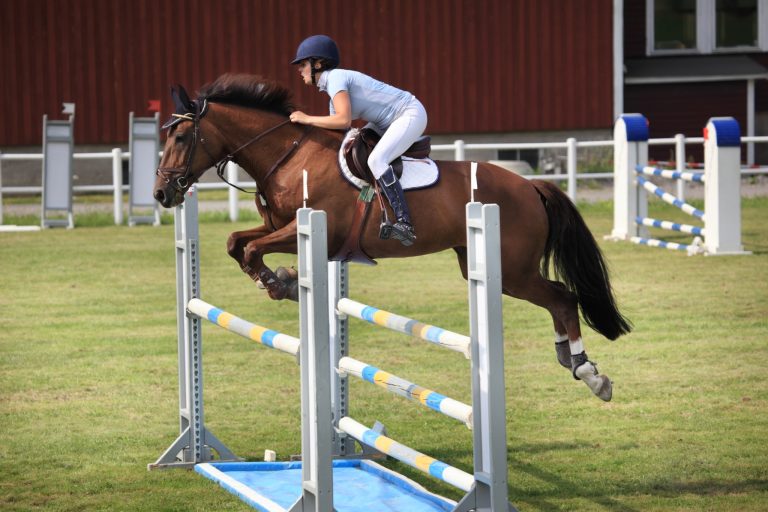
Even if you’re showing in the early morning 2’6” hunters, your day might end watching some of the best show jumping in the world unfold under the lights.
The footing is consistently well-maintained, the infrastructure is top-tier, and the entire experience carries a sense of prestige from the moment you arrive.
WEC Ocala
WEC Ocala is the newest and in some ways most visually striking of the three. The campus is enormous, intentionally designed, and built to a resort standard—with multiple climate controlled indoor arenas, immaculate outdoor rings, an on-site hotel, full-service restaurants, and RV accommodations all on one property.
The footing and facilities are excellent, and the overall experience feels polished and well-organized. Some riders actually prefer WEC’s atmosphere to PBIEC—it has a modern, welcoming energy that doesn’t carry the same weight of hierarchy and history.
For first time competitors, it often feels like the most approachable of the premier Florida circuits.
HITS Ocala
HITS Ocala is a functional, comfortable, well-run show venue—but it does not aim for grandeur and doesn’t pretend to. The rings are solid, the footing is maintained, and the operation runs smoothly week after week. What it lacks in architectural drama it more than compensates for in relaxed, barnfriendly energy.
The surrounding Marion County landscape—rolling hills, live oaks, horse farms stretching to the horizon—provides a backdrop that neither Wellington nor WEC can match for sheer pastoral beauty.
Lifestyle and Community
Competition is only one part of what defines a show season. Where you spend your mornings, who you share a barn aisle with, and how your evenings unfold all shape your experience just as much—and Wellington and Ocala each offer a distinctly different version of that daily rhythm.
Wellington
Wellington during show season is a true scene. From January through April, the town transforms into a concentrated hub of equestrian sport, ambition, and high level networking.
The social calendar is full—charity events, barn gatherings, dinners, and a steady presence of some of the biggest names in the industry. For riders looking to immerse themselves in the upper tier of the equestrian world, Wellington offers that access in full.
At the same time, it can feel intense. The pace, the expectations, and the unspoken social structure are real, and first time visitors often notice that dynamic right away.
WEC Ocala
WEC Ocala has cultivated a community that feels aspirational without being exclusionary. Its resort style, on-property design means competitors, trainers, and spectators naturally cross paths throughout the day—in restaurants, hotel spaces, and around the warm-up rings—creating a level of social ease that Wellington’s more dispersed layout doesn’t always foster.
The atmosphere is polished yet approachable, competitive but still welcoming. It tends to attract riders who are serious about the sport while also valuing the overall experience, and that balance often translates into a strong, positive barn culture.
HITS Ocala
HITS Ocala has the most genuinely laid-back community of the three. This is a true working horse town year round, and the show circuit reflects that grounded reality. Riders tend to be approachable, barns are welcoming, and the emphasis stays firmly on horsemanship over presentation.
If you value a down to earth environment where you feel welcomed rather than constantly evaluated, HITS—and the broader Ocala equestrian community—remains one of the sport’s best kept secrets.
Disciplines Which Circuit Is for You?
What you ride matters here. The two circuits don’t truly overlap in scope, and for certain disciplines, the decision is less about preference and more about fit.
Wellington/WEF is primarily a hunter/jumper circuit, with equitation playing a major supporting role. If you ride hunters, jumpers, or equitation, WEF stands as the most influential winter circuit in North America for those disciplines, setting the tone for the sport at its highest levels.
Ocala offers broader discipline diversity. While HITS itself is largely focused on hunters and jumpers, Marion County as a whole supports a wider equestrian ecosystem, including dressage, eventing, western disciplines, reining, and more. For dressage or event riders, or those looking to incorporate winter flatwork and schooling shows, Ocala provides significantly more flexibility and options than Wellington.
Location and Travel
Getting yourself and your horse to Florida is only the first step—where you land in the state meaningfully shapes everything from travel logistics to daily lifestyle.
Wellington sits in the southeastern corner of Florida, close to West Palm Beach. It’s highly accessible via Palm Beach International Airport (PBI), with Miami also within a 2 to 3 hour drive. The surrounding area offers easy access to shopping, dining, and beaches, giving it a more urban, amenity rich feel. The trade-off, however, is seasonal traffic, which can become significant once show season is in full swing.
Ocala, by contrast, is located in north central Florida, roughly between Jacksonville and Tampa. The closest airport is Gainesville Regional, while Orlando International and Tampa International both serve as common alternatives. The region is noticeably more rural, with a landscape defined by farmland and horse properties rather than urban sprawl.
For riders who prioritize space, quiet, and a more grounded day to day environment, that rural character is often part of the appeal rather than a drawback.
Which Should You Choose? Summary
At the end of the day, the right circuit is the one that aligns with where you are right now—not just where you hope to be. Before you commit, it’s worth asking yourself a few honest questions:
Choose Wellington if:
- You’re competing at the higher levels (1.30m and above in jumpers, or top amateur/professional hunter or equitation divisions)
- Your trainer’s program is specifically based at or oriented around WEF
- You want national rankings, maximum exposure, or to compete against the best in the country
- Budget is not your primary constraint
- You thrive in high energy, high stakes environments
Choose WEC Ocala if:
- You’re a serious amateur or competitive junior who wants a premium experience without the full intensity of WEF
- You want excellent facilities and high quality competition at a more manageable cost than Wellington
- You value on-site amenities and a self contained show campus
- You’re ready to step up from HITS but not quite ready—or not interested—in the WEF spotlight
Choose HITS Ocala if:
- You’re a developing amateur, junior, or adult amateur building confidence
- You’re bringing along a young or green horse
- Cost is a meaningful factor in your planning
- You ride dressage, eventing, or western disciplines
- You prefer a relaxed, community driven atmosphere
- You want to show frequently and maximize your time in the ring without pressure
Fit Over Fame
Neither Wellington nor Ocala is inherently better—they simply serve different riders at different stages of their journey.
Many professionals even split their programs between the two, using Ocala for younger horses or lower pressure weeks and Wellington for top horses and marquee competition. Over the course of a career, it’s not uncommon to spend time in both.
The biggest misstep is choosing a circuit based on reputation alone rather than fit. Wellington’s prestige quickly loses its appeal if the financial or competitive demands outweigh your current level. Likewise, Ocala’s affordability doesn’t help much if you’re consistently underchallenged and looking for more intensity.
Know your goals. Know your budget. Know your horse. Then choose accordingly—and set yourself up for the kind of season you actually want to have.