How to Keep Scorpions Out of Your Home in Arizona (And What to Do If They Get In)
Found a scorpion in your Arizona home? Don’t panic. Here’s what to do — and how to make sure it doesn’t happen again.
If you live in Arizona, scorpions aren’t just a desert curiosity—they’re a genuine household concern. Whether you’re a longtime Phoenician or a newcomer to the Sonoran Desert, knowing how to protect yourself and your family from these stealthy arachnids is one of the most practical things you can do as an Arizona homeowner.
This article covers everything you need to know: the threat they pose, how to keep them out of your home, what to do when you spot one, and how to respond if you or someone you love gets stung.
Know Your Enemy the Arizona Bark Scorpion
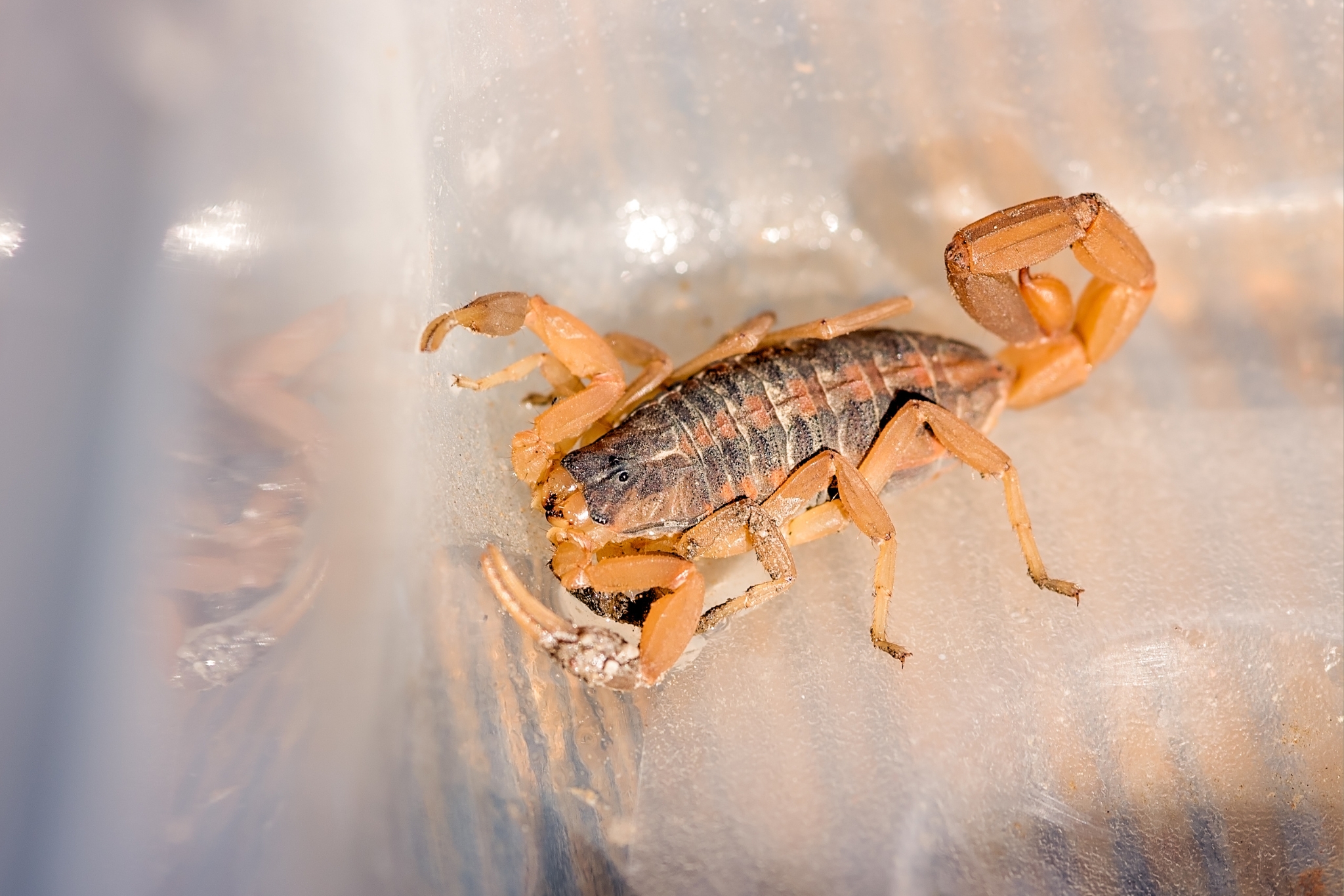
Thankfully, not all scorpions pose the same level of risk to humans. In North America, only one species is considered medically significant: the Arizona bark scorpion.
Small and typically pale yellow or tan in color, it can be easy to miss at a glance. Adults usually measure between 1.5 and 2.5 inches long and are slender enough to hide in tight, dark spaces around the home, including shoes, garages, and cracks in walls.
One of its most distinctive traits is its ability to glow under ultraviolet light, which makes nighttime detection with a UV flashlight a common prevention strategy. Even so, it remains highly adaptable and skilled at concealing itself in environments that are close to human activity.
The Arizona bark scorpion is found primarily in Arizona, but also occurs in parts of California, Nevada, New Mexico, Texas, and Utah.
In regions where it is established, human encounters are relatively common. For example, Poison Control Centers in Arizona receive tens of thousands of calls each year related to scorpion stings, reflecting how frequently these interactions occur in desert communities.
How Scorpions Get Into Your Home
Understanding scorpion behavior is the first step in keeping them out of your home.
- Scorpions are nocturnal predators that thrive in warm, dry environments.
- During the day, they typically seek out cool, dark hiding places, then emerge at night to hunt insects and other small prey.
- Common hiding spots include woodpiles, rocks, cracks in foundations, wall voids, and cluttered areas around the exterior of a home.
- Due to their adaptability, they can take advantage of a wide range of microhabitats close to human structures.
- Scorpions are capable of squeezing through extremely small openings—sometimes as narrow as the edge of a credit card. As a result, even well-maintained homes can remain vulnerable if gaps, cracks, and other entry points if they are not properly sealed.
7 Ways to Scorpion-Proof Your Arizona Home
You don’t need expensive equipment or industrial chemicals to keep scorpions out. What you do need is a consistent, methodical approach—and these 7 steps provide a solid foundation:
1. Seal Every Entry Point
- Inspect your home for cracks, gaps, and holes in walls, windows, and doors
- Use caulk or weatherstripping to seal any openings
- Install door sweeps on exterior doors to close gaps underneath
- Pay close attention to the garage door, where small gaps are common and often overlooked
2. Eliminate Outdoor Harborage Areas
- Scorpions are attracted to cluttered spaces that provide shelter and food
- Remove debris such as piles of wood, rocks, and leaf litter from around your home
- Trim vegetation regularly to prevent overgrowth near your property
- Store firewood away from the house and off the ground
3. Reduce Moisture Sources
- Scorpions are attracted to moisture, especially in Arizona’s dry climate
- Fix any leaking pipes or faucets inside and outside your home
- Use a dehumidifier to keep areas like basements or garages dry
- Make sure sprinklers and hoses don’t create standing water outdoors
4. Control the Insects That Attract Scorpions
- Scorpions follow their food
- Remove outdoor lighting that attracts insects, or switch to yellow bulbs that are less appealing to flying pests
- Fewer insects around your home means fewer reasons for scorpions to stick around
5. Use a Black Light at Night
- One of the most effective DIY tools for scorpion control is a UV flashlight
- Scorpions glow under UV light, so use a black light at night to locate and remove them
- Walking your yard or checking your garage with a black light before bed can help you catch them before they find their way inside
6. Try Natural Deterrents and Sticky Traps
- DIY repellents such as lavender or essential oils like cedar spread around doorways and windows can to deter scorpions due to their strong scent, though results can vary
- Sticky traps laid along walls and other areas where scorpions might travel can also help control the problem.
7. Invest in Professional Pest Control
- Regular professional pest control treatments create a protective barrier around your home while reducing insect populations
- Quarterly inspections allow experts to monitor scorpion activity levels and adjust treatment strategies as needed
Daily Habits That Reduce Your Risk
Prevention isn’t only about securing your home’s structure—it’s also about the habits you build into your daily routine. Small, consistent precautions can significantly reduce the risk of an unexpected sting:
Shake everything out.
Always shake out clothing, towels, and bedding before use, especially if they’ve been left on the floor or stored in low traffic areas. Scorpions often hide in dark, quiet spaces, and items like shoes left by the door overnight are common hiding spots.
Always wear shoes.
Going barefoot—especially at night—is one of the highest risk habits in Arizona homes. Wear closed toe shoes when walking outdoors after dark, and consider slipping on footwear before stepping out of bed in the morning.
Protect young children’s sleeping areas.
Some homeowners use simple preventative measures around cribs or beds, such as placing smooth barriers like glass containers on bed legs. Scorpions have difficulty climbing smooth glass surfaces, which can help reduce the likelihood of reaching sleeping areas.
Wear gloves when gardening.
Activities like moving rocks, digging in soil, or handling outdoor debris are common moments for unexpected encounters. Wearing sturdy gloves provides an important layer of protection during these tasks.
What to Do If You Find a Scorpion Inside
1. Stay calm—finding a scorpion indoors can be unsettling, but it’s manageable.
2. Avoid touching it with your bare hands. Instead, use a long handled tool such as a broom to carefully guide it into a container for safe relocation or removal away from your home.
3. Never attempt to pick up or handle a scorpion directly, even if it appears inactive or dead. Scorpions can still deliver a reflexive sting in response to touch, so maintaining a safe distance is essential throughout the entire process.
What to Do If You Get Stung
A scorpion sting should always be treated promptly and calmly. While most stings are not life threatening, quick and appropriate care can help reduce pain and prevent complications:
1. First Aid
- Wash the sting site thoroughly with soap and water
- Apply a cold compress or ice pack to help reduce swelling and discomfort
- Keep the affected area elevated to about heart level
- Consider using an over the counter pain reliever such as acetaminophen to help manage pain
2. Call Poison Control Immediately
If a sting occurs, call the Poison Control Center as soon as possible. Medical professionals can provide real time guidance on symptom management and help determine whether further care is needed.
3. Know the Serious Warning Signs
Go to the emergency room and seek emergency medical attention if symptoms such as difficulty breathing, trouble swallowing, slurred speech, widespread numbness, muscle twitching, irregular heartbeat, severe abdominal pain, or unusual restlessness occur.
4. Children and elderly adults need extra caution
Stings from the Arizona bark scorpion can be more serious in young children. In children under 10, symptoms may include intense pain, tingling or numbness, and behaviors such as rubbing the face or nose. In more severe cases, rapid eye movements or excessive drooling may occur, requiring urgent medical evaluation.
The reassuring reality is that the vast majority of scorpion stings result in mild, short lived symptoms. However, because the Arizona bark scorpion is the most medically significant species in the region, it’s always safest to treat every sting seriously and seek professional guidance quickly.
The Bottom Line on Scorpions in Arizona
Living in Arizona means coexisting with scorpions—but it doesn’t mean living in fear of them. With the right combination of home sealing, yard maintenance, daily habits, and professional pest control, you can significantly reduce the chances of an encounter. And if a sting does occur, knowing how to respond quickly and correctly can make all the difference.
The desert is stunning—and with a little preparation, it can also be safe.