10 Peacock Diet Tips Every Peacock Parent Needs to Know
Gorgeous feathers start with great food. Get 10 expert approved pet peacock diet tips — from leafy greens to live protein and everything in between.
- Think Omnivore, Not Just Birdseed
- Quality Game Bird Feed Is Your Best Friend
- Fresh Fruits Are a Total Yes — With One Small Catch
- Leafy Greens Are Basically Peacock Superfoods
- Live Insects and Protein Snacks Aren’t Just a Fun Extra
- Calcium Needs a Permanent Spot on the Menu
- Grit Is Not Optional
- Water Quality Matters More Than You’d Think
- Watch Out for These Common Diet Mistakes
- Adjust their Diet Seasonally — Yes, Really
- The Bottom Line on Feeding Your Pet Peacock
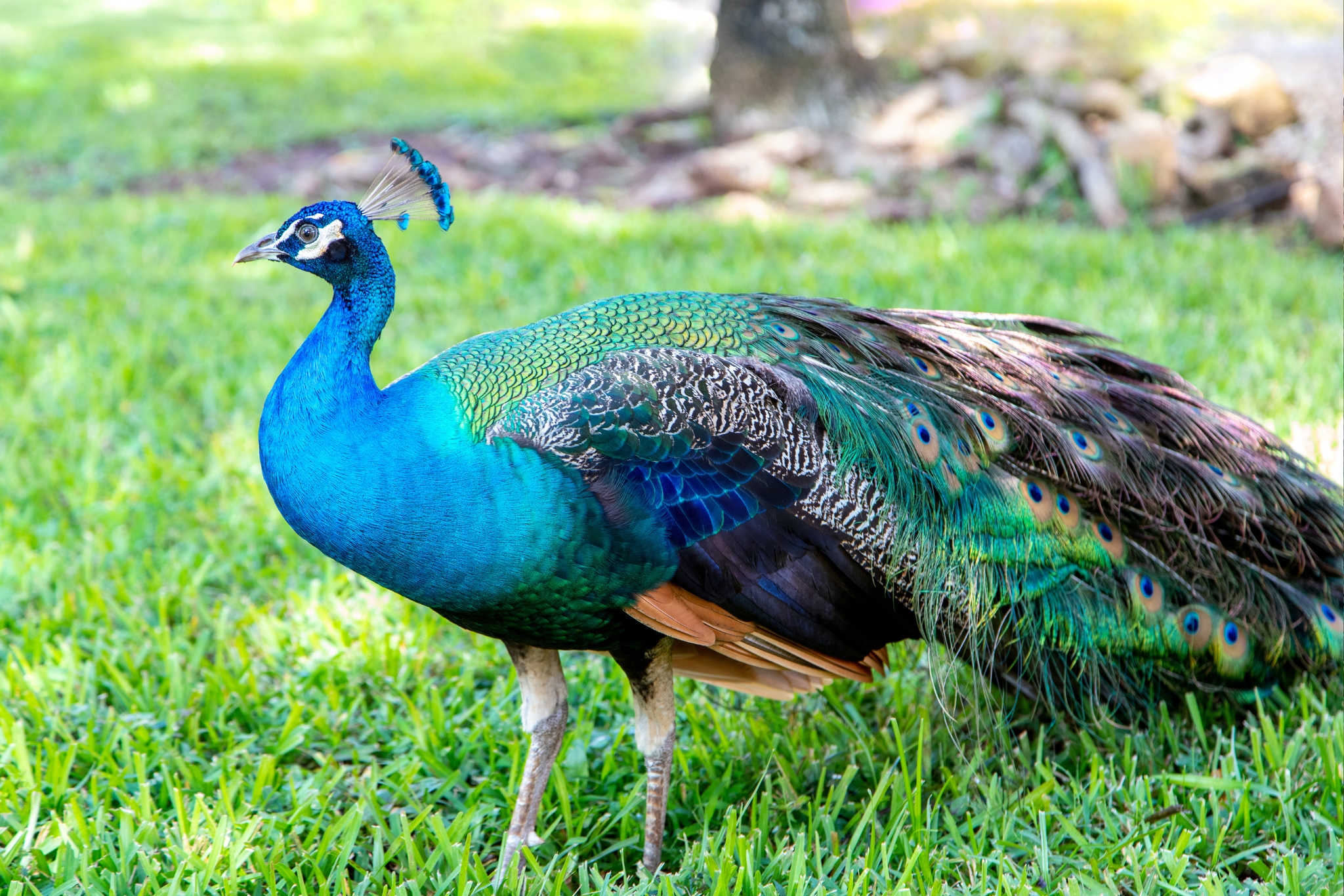
Between those stunning tail feathers and their unmistakable personality, peacocks are truly in a class of their own. But keeping them looking their best and feeling healthy starts with something surprisingly simple—their diet.
Whether you’re a seasoned peafowl keeper or just getting started with ornamental birds, these pet peacock diet tips will help your feathered showstopper truly thrive.
1. Think Omnivore, Not Just Birdseed
Many new peacock owners don’t realize right away that peacocks aren’t typical backyard birds. They’re omnivores, which means they eat both plant based foods and protein.
In the wild, peafowl enjoy a varied diet that includes insects, small reptiles, seeds, berries, and leafy greens.
Recreating that same variety in captivity is key to a balanced diet—and to supporting those iconic, eye catching feathers everyone loves.
2. Quality Game Bird Feed Is Your Best Friend
A high quality game bird pellet or crumble should form the foundation of your pet peacock’s diet. Look for feeds specifically formulated for peafowl or pheasants, with a protein level in the 20% to 30% range.
During breeding season, or when your peacock is actively growing new feathers, moving toward the higher end of that range can make a noticeable difference in feather quality and overall condition. It’s a simple but important step if you want those tail feathers to really stand out.
3. Fresh Fruits Are a Total Yes With One Small Catch
Peacocks absolutely love fresh fruit, and it’s a great way to add natural vitamins and antioxidants to their diet.
Berries, watermelon, grapes, papaya, and chopped apple are all popular favorites.
The key thing to keep in mind is that fruit is naturally high in sugar, so it works best as a treat rather than a daily staple. A few times a week is plenty, while offering large amounts every day can quickly become more than they need.
4. Leafy Greens Are Basically Peacock Superfoods
Dark leafy greens like kale, spinach, swiss chard, romaine lettuce, and dandelion greens are excellent additions to your peacock’s diet. They’re rich in vitamins A, C, and K, which support immune health, feather growth, and overall vitality.
You can offer them fresh in a foraging area or chop them up and mix them into their feed. Either way, they add an easy, nutrient packed boost and may even have your peacock strutting a little more confidently.
5. Live Insects and Protein Snacks Are Not Just a Fun Extra
Don’t underestimate the value of live protein, because it supports muscle development, feather growth, and egg production.
Mealworms, crickets, and earthworms aren’t just enrichment—they’re also an important part of a well-rounded peafowl diet.
If live feeders aren’t your preference, that’s completely fine, using dried mealworms or small amounts of cooked eggs are great alternatives.
Either way, keeping protein in the mix helps keep your peafowl healthy, strong, and looking their best.
6. Calcium Needs a Permanent Spot on the Menu
Calcium is especially important for peahens during egg laying, but it supports all peafowl by promoting strong bones and healthy feather growth.
To support your birds’ calcium needs, crushed oyster shell is a go to option—just offer a small dish so they can self regulate their intake as needed.
Cuttlebone is another simple and effective choice.
This is one you won’t want to skip—think of calcium as a daily essential for keeping your peafowl healthy, strong, and looking their best.
7. Grit Is Not Optional
Peacocks don’t have teeth so they rely on grit to help grind and digest their food properly. Because of this, coarse grit or small stones should always be available to them.
If your peacock free ranges on natural ground, they’ll usually pick some up on their own, but it’s still a good idea to offer a supplemental dish to make sure they’re getting enough.
Don’t skip this step—healthy digestion really is the foundation of everything, from vibrant plumage to strong immunity and overall wellbeing.
8. Water Quality Matters More Than You’d Think
Fresh clean water every day is a must.
During hot weather—especially in warmer climates—check their water several times a day and refill it as needed. Keeping your birds well hydrated is one of the most important parts of caring for healthy, happy peacocks.
Peacocks drink more often than people realize, especially when the weather is warm, and dirty or stagnant water can quickly lead to health problems.
Make sure their water container is deep enough for them to comfortably dip their beak, and clean it daily to prevent algae and bacteria from building up.
9. Watch Out for These Common Diet Mistakes
A few foods that seem harmless can actually be problematic for peafowl:
- Avocado is toxic and should never be offered.
- Onions, garlic, chocolate, and heavily processed or salty human foods are also off limits.
- Bread and crackers are often tempting for birds, but they offer very little nutritional value and can sometimes cause digestive issues—best to leave them out of their diet entirely.
Sticking to whole, natural foods will keep your peacock much healthier in the long run.
10. Adjust their Diet Seasonally Yes, Really
Your peacock’s nutritional needs naturally shift throughout the year, and paying attention to those changes is one of the smartest things you can do as a keeper:
- During molting season (typically late summer through fall), protein needs increase because feather regrowth is highly energy intensive.
- In breeding season, both males and females benefit from extra protein and calcium to support reproduction and overall condition.
- During winter, when activity levels tend to slow down, you can usually reduce portions slightly while still keeping diet quality high.
The Bottom Line on Feeding Your Pet Peacock
A well-nourished peacock is a stunning, healthy, and long lived companion—and diet is the single most important factor you can control as their caretaker.
Start with a high protein game bird feed, add fresh produce and quality protein sources, keep calcium and grit available at all times, and avoid anything that doesn’t belong in their diet.
Peacocks aren’t complicated, but they do require appropriate species specific care.
Stay consistent with these basics, and you’ll be rewarded with a healthy bird that looks and feels its absolute best year round.