How to Help Your Pot Belly Pig Lose Weight Safely
Is your pot belly pig overweight? Get a safe, vet approved weight loss plan including feeding tips, portion guides, and exercise ideas that actually work.
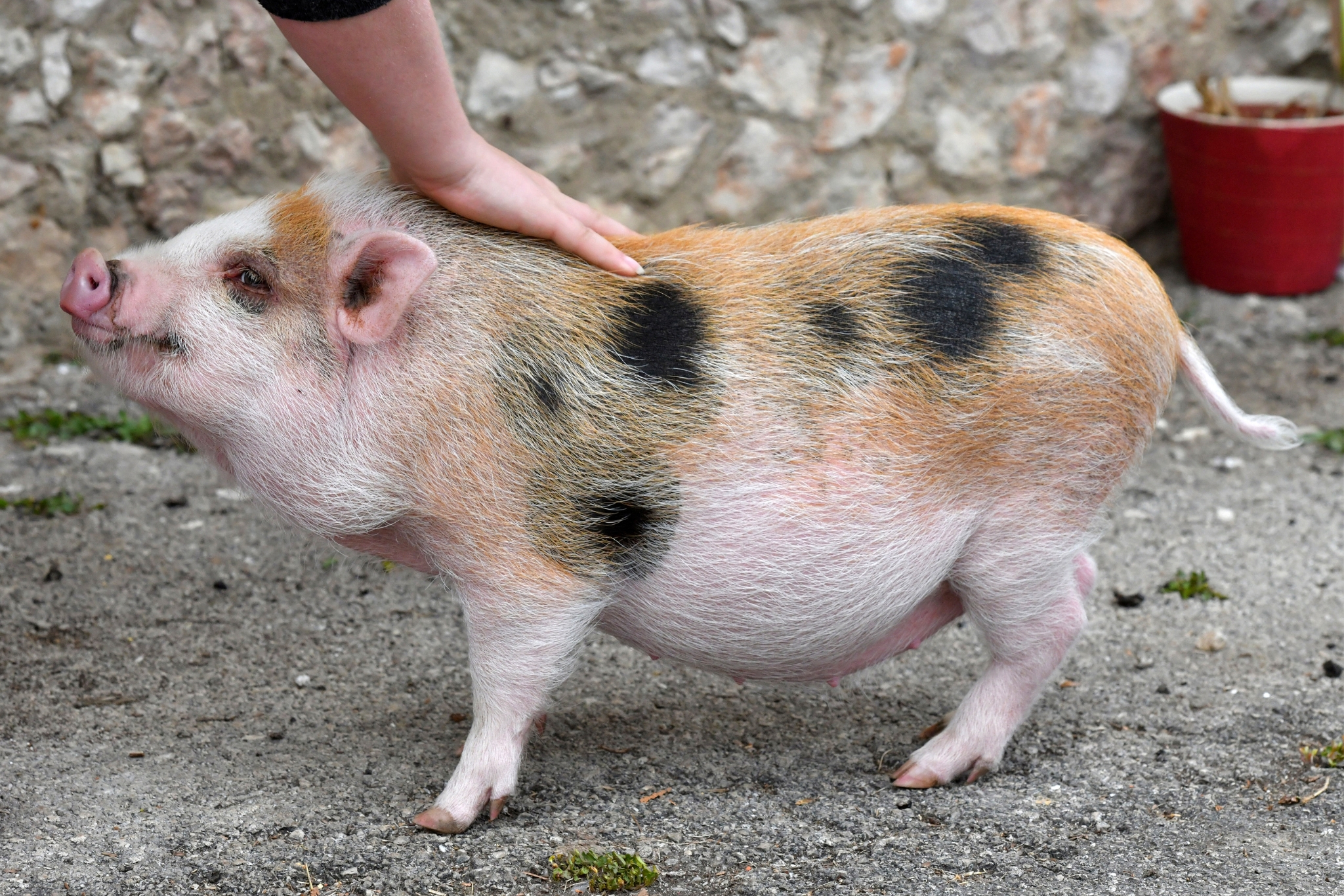
Pot belly pigs are incredibly good at convincing you they’re starving. The big eyes, the persistent grunts at the door, and the way they root around your ankles like you owe them dinner… it can be hard to resist!
But all those extra treats can add up.
Obesity is one of the most common and preventable health problems in pet pot belly pigs, and carrying too much weight can put unnecessary stress on their joints and overall health.
If your pig’s belly is getting close to the ground, their eyes are starting to disappear behind rolls of fat, or your vet has already mentioned that it’s time to address their weight, you’re in the right place.
Here’s how to help your pot belly pig lose weight safely—without crash diets, without leaving them hungry, and without putting unnecessary strain on their joints in the process.
Why Pot Belly Pigs Gain Weight So Easily
Pot belly pigs may have been bred to stay smaller than farm pigs, but “small” is relative. A healthy adult can still weigh around 100 to 200 pounds, and some pet pigs end up well above that.
So why does the weight seem to creep on so easily? A few things are usually at play:
1. They’re natural foragers with very little self control around food.
In the wild, pigs spend a huge part of their day rooting, searching, and foraging for something to eat. That instinct doesn’t disappear in your home or backyard—it just gets redirected toward the pantry, treat jar, or anything else they think might be edible.
2. Owners often overfeed because it’s hard to say no.
Pigs are experts at the sad eyed stare, and plenty of owners give in because they think they’re showing their pig a little extra love.
3. Commercial feed can provide more calories than some pet pigs need.
A pig that spends most of its day lounging around the house doesn’t burn calories the same way a pig that spends hours foraging and moving around outdoors does.
4. Treats add up quickly.
A few crackers here, some grapes there, and a couple other pieces shown in… it doesn’t seem like much, but those extra calories can make a big difference for a smaller animal.
5. They may not get enough exercise.
Many pet pigs live in yards, pens, or homes that simply don’t give them enough space or opportunity to root, walk, explore, and stay active throughout the day.
Why Pig Obesity Is Genuinely Dangerous
This isn’t just about how your pig looks. Carrying too much weight can have a real impact on their health and quality of life.
Excess weight can contribute to:
- Joint and mobility problems: A pig’s legs aren’t designed to carry excessive weight, and obesity can speed up arthritis and make walking more difficult.
- Fat building up around the eyes: Extra fatty tissue can gradually cover the eyes, potentially affecting vision.
- Heart and breathing problems: Carrying extra weight puts more strain on the cardiovascular and respiratory systems, especially during hot weather.
- Higher anesthesia risks: Overweight pigs can face additional complications if they ever need surgery or another procedure requiring anesthesia.
- Reproductive complications: Obesity can contribute to reproductive problems, particularly in pigs that haven’t been spayed or neutered.
- A shorter lifespan: Long term obesity can affect overall health and may reduce how long your pig lives.
Step 1 Get a Baseline From Your Vet
Before making any major changes to your pig’s diet or exercise routine, it’s a good idea to have them checked by a veterinarian who has experience treating pot belly pigs or other pet pigs. Not every exotic animal vet regularly works with swine, so it’s worth confirming ahead of time.
A veterinary checkup matters because:
- Weight loss needs to be gradual: Rapid weight loss can be dangerous for pigs, so your vet can help you set a safe pace.
- Not all weight gain is body fat: Fluid retention or an underlying health problem can sometimes make a pig look heavier than expected.
- You need a realistic target: Your vet can help determine an appropriate weight based on your pig’s age, body structure, and overall health.
- Pain can be easy to miss: Pigs are good at hiding discomfort, so an exam can help identify joint problems or other health issues before you increase their activity.
Pro Tip
Ask your veterinarian to assess your pig’s current body condition and help you create a gradual weight loss plan that fits their individual needs.
Step 2 Fix the Diet First
When it comes to helping a pot belly pig lose weight, diet usually does more of the heavy lifting than exercise.
The trick is cutting calories without leaving your pig constantly hungry and frustrated. A hungry pig can quickly become a very loud and determined pig… and they might start rooting around the house looking for anything edible.
Switch to a Weight Management or Mini Pig Feed
Regular feed designed for growing farm pigs is meant to support rapid growth, so it can provide more calories than a pet pig needs.
Instead, look for a feed specifically formulated for mini or pot belly pigs, or ask your veterinarian whether a senior or weight management formula would be appropriate.
The goal is a nutritionally complete diet that provides your pig what they need without supplying unnecessary calories.
Measure Every Meal
Leaving food available all day makes it very easy for your pig to take in more calories than it needs. Instead of free feeding:
- Feed measured portions twice a day rather than free feeding.
- Use the same measuring cup or, even better, a kitchen scale so portions stay consistent.
- Work with your veterinarian to determine the appropriate total daily amount, then divide it between meals.
Add Low Calorie Vegetables
One of the easiest ways to make meals feel more substantial without adding a lot of calories is to include plenty of high fiber, lower calorie vegetables.
Good options can include:
- Leafy greens such as romaine, kale, and spinach
- Broccoli and cauliflower
- Green beans
- Cucumber
- Zucchini
- Bell peppers
Caution
Be more cautious with sugary or starchy foods. Corn, peas, bananas, grapes, and other fruits can add calories quickly, so they’re better treated as occasional foods rather than the main way to bulk up a weight loss meal.
Cut Back on Treats… But Don’t Make Them Disappear
Going from lots of treats to zero overnight can make the whole process harder, especially with a food motivated pig.
Instead, gradually swap higher calorie treats for lighter options such as small pieces of cucumber, celery, or lettuce.
You can also make treats work harder by using them for training and enrichment instead of simply handing them out throughout the day. And remember to count treats as part of your pig’s daily food allowance rather than just adding them on top!
Get the Whole Household Involved
Even the best weight loss plan can fall apart if someone in the house keeps sneaking your pig extra snacks. Make sure everyone (including kids) knows what your pig can have, how much they can have, and which foods are off limits.
Consistency matters. Your pig may be very convincing, but those extra bites still count.
Step 3 Add in Real Exercise
Pigs are incredibly smart and highly motivated by food, which can actually make them surprisingly easy to exercise once you work with those natural instincts.
Turn Mealtime Into Foraging Time
Instead of serving every meal in a bowl, try scattering your pig’s measured food around a safe area or using a snuffle mat, foraging box, or puzzle feeder.
This slows down eating and turns mealtime into an activity that can provide both physical movement and mental stimulation.
Take Your Pig for Walks
Yes, pot belly pigs can be leash trained! Start with short, easy walks and gradually build up the distance and duration.
If your pig is overweight or already showing signs of joint stiffness, take things especially slowly and check with your veterinarian before increasing activity.
Consistency matters more than intensity. A little daily movement is much better than one long exhausting walk once in a while.
Give Them Plenty of Opportunities to Root
Rooting is practically a full body workout for a pig. Set up a safe digging area or dig box with appropriate dirt, mulch, or straw, and hide small portions of vegetables or their regular food inside.
Who you provide rooting opportunities your pig gets to follow its natural instincts while also moving, sniffing, and searching.
Add Gentle Ramps and Obstacles
Low ramps, gentle inclines, and other safe obstacles can encourage your pig to move in different ways without putting the same repetitive stress on their joints. You can even use a shallow kiddie pool if your pig enjoys it and can safely get in and out.
The goal isn’t to make your pig work as hard as possible. It’s to make movement part of their everyday life in ways that are fun, low impact, and sustainable.
Step 4 Track Progress the Right Way
Keeping track of your pig’s progress is important, but you don’t need to obsess over the scale. A few simple checks can tell you much more about how things are going:
- Weigh your pig about once a month: Daily weight can naturally fluctuate and usually isn’t useful for tracking long term progress. Monthly weigh-ins give you a better picture without creating unnecessary stress.
- Take progress photos: Take photos from the same angles—ideally a side view and a top down view—every few weeks. Changes in body shape can sometimes be easier to notice in photos than on the scale.
- Use a body condition score: Ask your veterinarian about a pig specific body condition scoring system. It looks at areas such as the ribs, spine, and hips to assess fat coverage instead of relying on weight alone.
- Make adjustments slowly: If your pig’s weight hasn’t changed for several weeks, talk with your veterinarian about adjusting the portions. Just remember to avoid making large, sudden cuts to their food.
Warning Signs When to Stop and Call Your Vet
Weight loss should help your pig feel better—not leave them feeling weak or unwell. Keep an eye out for changes that could signal a problem, and contact your veterinarian if you notice:
- Lethargy or unusual weakness: Your pig seems much less active or energetic than normal.
- Refusing food: If your pig stops eating for more than a day, contact your vet rather than assuming it’s simply part of the diet.
- Rapid weight loss: Losing weight too quickly can be a sign of an underlying health problem rather than healthy fat loss.
- Limping or reluctance to move: This could indicate joint pain, injury, or another issue that needs attention.
- Vomiting or diarrhea: These can lead to dehydration and may require prompt veterinary care.
When in doubt, it’s better to check with your veterinarian. A weight loss plan should be gradual and support your pig’s overall health, comfort, and quality of life.
The Bottom Line
Helping a pot belly pig lose weight safely really comes down to three things:
- Measured, nutritionally balanced meals
- Plenty of low calorie vegetables
- Consistent daily movement
And importantly, the key ingredient is patience, because healthy weight loss takes time.
Skip fad diets, drastic food cuts, and starvation tactics. They can be dangerous and aren’t a sustainable way to manage your pig’s weight.
Instead, work with your veterinarian to create a gradual plan, measure meals consistently, and find fun ways to get your pig moving—like foraging for hidden vegetables in a dig box.
With the right routine, your pig can gradually get back to a healthier weight while staying active, comfortable, and happily occupied along the way.