Why Your Horse’s Mane and Tail Isn’t Growing (And How to Fix It)
Want a thicker healthier mane and tail on your horse? Here’s the real science behind hair growth, plus the diet and grooming routine that actually works.
- Why Is My Horse’s Mane or Tail Thin in the First Place?
- Step 1: Feed for Hair Growth From the Inside Out
- Step 2: Stop the Breakage — This Is Where Most Progress Actually Happens
- Step 3: Support Growth From the Outside
- How Long Does It Actually Take to See Results?
- A Simple Weekly Routine That Actually Works
- Common Mistakes That Undo Progress
- The Bottom Line
- Frequently Asked Questions
If you’ve ever stood behind your horse and thought, “Why does their hair look more like a wispy paintbrush than flowing and show ring ready?” you’re definitely not alone.
A thick, healthy mane and tail may seem purely cosmetic, but they can actually tell you quite a bit about your horse’s overall health, nutrition, and daily care.
So let’s look at what actually affects mane and tail growth and what you can realistically do to help your horse grow (and keep) healthier fuller hair.
Why Is My Horse’s Mane or Tail Thin in the First Place?
Before reaching for a product, it helps to understand why mane and tail hair thins out, breaks, or stalls in growth.
The usual suspects are:
1. Mechanical Breakage
This is by far the most common cause of a thin looking tail.
Tangles, brushing dry hair, tail rubbing (from itchy skin, pinworms, or a dirty sheath/udder area), and stepping on a tail that’s too long all snap hair off faster than it can grow.
A tail that looks “thin” is often not actually thin at the root—it’s just short from constant breakage at the ends.
2. Nutritional Gaps
Hair is made of protein (keratin), so a horse on a forage only diet with no fortification, or one recovering from illness, weight loss, or a rough winter, often grows dull, brittle hair.
Zinc, copper, biotin, and omega-3 fatty acid deficiencies show up in coat and hair quality long before almost anything else.
3. Skin Conditions
Rain rot, ringworm, sweet itch (Culicoides hypersensitivity), lice, and mane and tail mites all cause horses to rub themselves raw, which destroys hair at the follicle level, not just the shaft.
4. Genetics and Breed
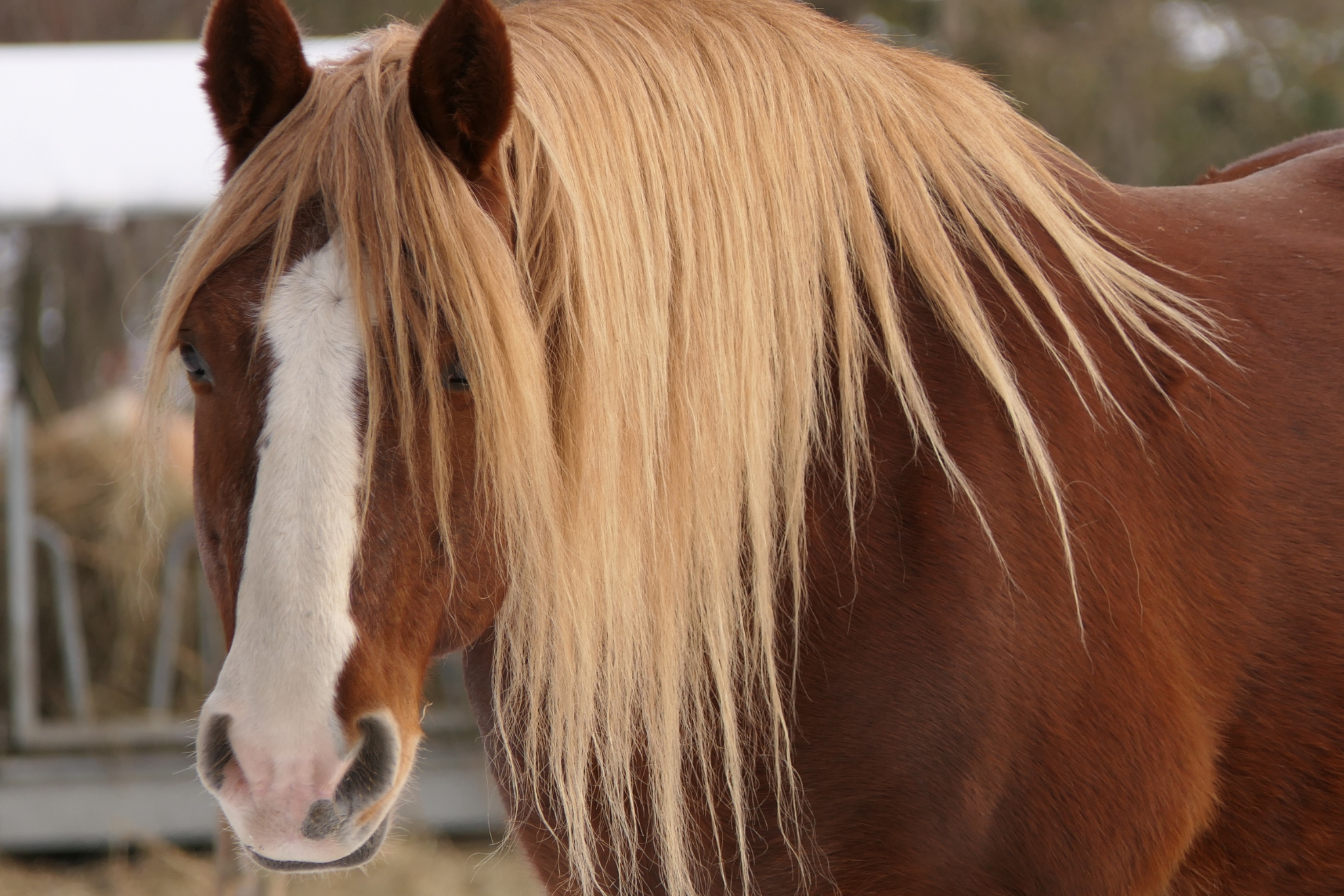
Some breeds and bloodlines simply grow finer, sparser manes and tails than others—like Arabians and Quarter Horses who trend toward finer hair, while Friesians, Gypsy Vanners, and many warmblood lines are bred for volume.
So Keep in mind that your horse’s breed is worth factoring in before you assume something is “wrong.”
5. Age and Hormones
Older horses, pregnant or lactating mares, and horses under stress (like travel, competition, or illness) often show slower hair growth and increased shedding at the mane and tail.
6. Over Washing and Product Buildup
Washing too frequently strips natural oils, leaving hair dry and prone to snapping—which is the opposite of the shiny result most people are chasing.
Once you’ve ruled out (or addressed) an underlying skin or health issue, the rest comes down to a consistent, low breakage care routine.
Step 1 Feed for Hair Growth From the Inside Out
Hair growth starts underneath the skin, which is why nutrition is one of the biggest factors you can control when you’re trying to improve your horse’s mane and tail.
Topical products can help with grooming and breakage, but they can’t make up for nutritional gaps.
Protein quality matters more than simply feeding more protein.
Look for forage or feed that provides enough lysine and methionine, two amino acids that play an important role in keratin production.
A horse can technically be getting enough protein overall and still come up short on these specific building blocks.
Biotin is one of the best studied nutrients for hoof and hair health in horses.
Most biotin supplements are marketed for hoof growth, but this B vitamin also supports the strength of the hair shaft. If you use a supplement, look for one providing around 15 to 20 mg per day for a full sized horse.
And be patient—changes take time, so think months rather than weeks.
Add some Omega-3.
Omega-3 fatty acids from sources such as flaxseed, chia, or algae oil can support healthy skin and a shinier coat. If your horse has dry flaky skin along with a dull mane or tail, improving overall skin health may help the hair quality as well.
Don’t forget zinc and copper.
Zinc and copper work together, and an imbalance between them can affect coat and hair quality. This can be an issue in some areas with high iron water or soil.
Rather than adding these minerals blindly, consider having your hay analyzed so you know whether your horse actually needs more.
Don’t overlook the basics.
Plenty of clean water, regular turnout, good quality forage, and a low stress environment all support healthy skin and hair. Supplements can’t replace those fundamentals.
And before adding anything new, check what your horse is already getting. If they’re eating a fortified commercial feed at the recommended amount for their weight, they may already be receiving adequate levels of many of these nutrients.
Adding extra supplements on top can sometimes push minerals like copper and zinc too high, so it’s worth checking the feed tag first.
Step 2 Stop the Breakage
Here’s the part that often gets overlooked: you can’t supplement your way out of daily hair damage.
If your horse’s tail is breaking off just as quickly as it grows, you’ll never gain much length no matter how good their diet is.
Protecting the hair you already have is just as important as supporting new growth.
Brush less and use your fingers to detangle more.
Daily brushing, especially with a stiff brush, can pull out a surprising amount of tail hair.
Start by gently working through tangles with your fingers, beginning at the very bottom of the tail and working upward in small sections. Once most of the knots are gone, you can use a brush or comb to finish the job.
Detangle when the hair is damp or has some product in it.
Dry tangled hair has very little slip, so dragging a brush through a knot can cause the hair to snap right where the tension builds.
A leave-in conditioner, detangling spray, or even a little water can reduce friction and make the process much gentler.
Don’t wash them too often.
For most horses that aren’t being shown regularly, washing every 1 to 2 weeks is plenty.
Frequent washing can dry out the hair and remove some of the natural oils that help keep it flexible and less prone to breaking.
Protect long tails during turnout.
If your horse spends time around brush, fencing, or other horses that like to chew on tails, consider loosely braiding or bagging the tail.
A simple tail bag or mud knot can help protect the length from getting damaged. Just make sure anything you use is secure but not tight, and don’t forget to check it regularly.
Deal with the itch instead of just treating the hair loss.
If your horse is constantly rubbing their mane or tail on fences, stall walls, or other surfaces, there’s probably an underlying reason.
Things like pinworms, sweet itch, ringworm, or irritation around the sheath or udder can all cause excessive rubbing. Finding and addressing the cause will do far more than simply trying to make the hair grow faster.
Trim damaged ends occasionally.
It may seem strange to trim hair when you’re trying to grow it longer, but removing split brittle ends can keep those splits from traveling farther up the hair shaft.
You only need to take off the damaged portion, so the amount you lose from trimming should be minimal compared with the breakage it can help prevent.
Step 3 Support Growth From the Outside
Once you’ve got your horse’s diet in good shape and you’re minimizing breakage, topical care can help you see better results over time.
It won’t replace good nutrition or gentle handling, but the right products can make it much easier to protect the hair you’re growing.
Leave-in conditioners and detangling sprays are some of the most useful products to have on hand.
They reduce friction every time you handle your horse’s mane or tail, not just when you’re giving your horse a full bath. That can make a bigger difference for length retention than the particular shampoo you use.
Choose gentle lightweight formulas.
Look for products that moisturize without leaving a heavy coating or buildup on the hair. Anything that repeatedly dries out or weighs down the hair can make tangling and breakage more likely over time.
A little conditioning oil around the tail dock can help with dry skin.
If the skin at the base of the tail is dry or irritated, a light horse safe conditioning oil may help keep the area more comfortable. However, persistent itching or rubbing should be investigated rather than covered up with products.
Be careful with heavy “instant shine” products.
They can make a mane or tail look fantastic for a show or photo, but using silicone heavy products every day can lead to buildup and more tangling.
If the hair becomes coated and difficult to detangle, you may end up causing the very breakage you’re trying to prevent.
How Long Does It Actually Take to See Results?
Horse hair grows slowly—roughly ½ to 1 inch per month on the mane and usually a little slower on the tail. How quickly it grows can vary from horse to horse and can also be affected by the season, nutrition, and overall health.
That means you’ll need to give any new routine some time before judging the results:
- Within 6 to 8 weeks: You may start noticing improvements in hair quality, such as better shine, less brittleness, or a healthier texture. These changes can happen sooner because they reflect improvements in the hair currently growing.
- Around 4 to 6 months: Improvements in actual length become much easier to see, especially when better nutrition is combined with less breakage.
- A year or longer: If a tail has been badly damaged by chronic rubbing, chewing, or rough brushing, getting back to its natural length can take a year or more.
This is one of the biggest reasons people give up on a routine too soon. Hair growth is a slow process, and the changes you’re working toward often take months (not weeks) to become obvious.
A Simple Weekly Routine That Actually Works
You don’t need a complicated routine to keep your horse’s mane and tail healthy. Consistency matters much more than doing a dozen different things.
Daily:
- Give the mane and tail a quick check with your fingers for new tangles, especially toward the bottom of the tail.
- If you’re handling the hair, use a light mist of detangler to reduce friction.
2 to 3 times a week:
- Do a more thorough finger detangling session with a leave-in conditioner.
- Start at the ends and gradually work your way upward rather than pulling through the entire tail at once.
Every 1 to 2 weeks:
- Wash the mane and tail with a gentle shampoo, then follow with a rinse-out conditioner.
- There’s usually no need to wash them every day.
Ongoing:
- Make sure your horse is getting a nutritionally balanced diet, and consider a targeted supplement such as biotin or omega-3s only if a hay analysis or veterinary consultation suggests there’s a nutritional gap.
- Regular turnout, good fly control, and routine skin checks can also help prevent the itching and rubbing that lead to hair loss.
Monthly:
- Check the ends for split or damaged hair and trim only what’s necessary to keep the ends healthy.
Common Mistakes That Undo Progress
A few common habits can actually work against healthy mane and tail growth:
❌ Brushing a dry tangled tail just because it’s part of the routine.
If the tail isn’t dirty or tangled, there’s no need to brush it. Unnecessary brushing can cause breakage and pull out healthy hair.
❌ Switching supplements too quickly.
Hair growth takes time, so changing supplements every few weeks makes it difficult to know whether anything is actually working. Give a new approach enough time to show results, ideally with your veterinarian’s guidance.
❌ Washing too often.
A clean tail may look great, but frequent washing can dry out the hair and make it more prone to breaking.
❌ Ignoring an itchy horse.
If your horse is quietly rubbing their mane or tail against a fence post, don’t just focus on growing the hair back. Look for the reason behind the itching and address the underlying problem.
❌ Looking for a single “miracle” product.
Healthy mane and tail growth comes from several things working together—good nutrition, gentle handling, healthy skin, and minimizing breakage. No single spray or supplement can replace all of that.
The Bottom Line
A thicker healthier mane and tail usually doesn’t come from finding one magical product. It comes down to reducing breakage, providing the nutrients hair needs to grow, and giving the process enough time to work.
Horses with regular turnout, a balanced diet, gentle detangling habits, and prompt attention to skin irritation often show noticeable improvement over time—even without a tack box full of expensive products.
And the horses with the most impressive mane and tail transformations aren’t necessarily the ones taking the most supplements. They’re often the ones whose owners simply stopped the daily damage long enough to let the hair grow, stay intact, and reach its full potential.
Frequently Asked Questions
Does cutting a horse’s tail make it grow back thicker?
No—trimming the tail only removes damaged or split ends, and it doesn’t change the number of hair follicles or make them produce hair faster.
A fuller looking tail usually comes from healthy follicles and less breakage, not from cutting the hair.
Are mane and tail supplements actually worth it?
They can help if your horse has a nutritional deficiency, particularly involving nutrients such as biotin, zinc, copper, or omega-3 fatty acids.
But if your horse is already eating a well balanced, fortified diet, adding another supplement probably won’t make a dramatic difference. In that case, preventing breakage and keeping the hair healthy may have a much bigger impact.
How often should I wash my horse’s tail?
For most horses, washing their tail every one to two weeks is a reasonable starting point.
Washing it much more often can dry out the hair and potentially lead to more breakage. If your horse gets especially dirty or has a skin issue, your routine may need to be adjusted.
Why is my horse rubbing their tail out?
Tail rubbing is usually a sign that something is irritating the horse, rather than simply a hair care problem. Common causes include pinworms, sweet itch, ringworm, lice, or irritation around the sheath or udder.
Finding and treating the underlying cause is much more effective than trying to cover up the hair loss with a grooming product.
Can genetics limit how thick a mane or tail can get?
Yes—genetics play a major role in hair thickness, texture, and overall growth potential. Some breeds and individual horses naturally have finer or less abundant hair, while others are genetically predisposed to thick full manes and tails.
Good nutrition and proper care can help your horse reach its own potential, but they can’t completely override genetics.