Everything I Wish I Knew Before Setting Up My Outdoor Turtle Pond
Thinking about an outdoor turtle pond? Learn which species thrive outside, how to size it, predator proof it, and get turtles through winter safely.
- Which Turtles Actually Do Well in Outdoor Ponds
- Sizing Your Pond: Bigger Is Always Better
- Basking Areas Are Non-Negotiable
- Predator Proofing Your Pond
- Water Quality: The Part People Skip
- Feeding Turtles in a Pond Setup
- Seasonal Care: Surviving Winter Outdoors
- Legal and Ethical Considerations
- Common Pond Turtle Problems (and What They Mean)
- Is an Outdoor Pond Right for Your Turtle?
An outdoor pond can completely change the way you keep turtles. Instead of spending their days in a small indoor tank, they have room to swim, bask, dig, explore, and follow many of the natural behaviors they would have in the wild.
A pond can be one of the most rewarding setups you can create for a turtle, but it takes a little more planning than simply digging a hole, filling it with water, and adding a turtle. An outdoor pond becomes its own little ecosystem, and everything from water quality and temperature to sunlight, plants, predators, and seasonal changes can affect your turtle’s health and safety.
The goal is to create a space that feels natural for your turtle while still being easy for you to maintain. With the right setup from the beginning, an outdoor pond can give your turtle more room to explore, swim, bask, and behave naturally while making the whole experience more enjoyable for you too.
Here’s what you need to know before you build your outdoor turtle habitat, along with what it takes to keep it safe, healthy, and thriving once it’s up and running.
Which Turtles Actually Do Well in Outdoor Ponds
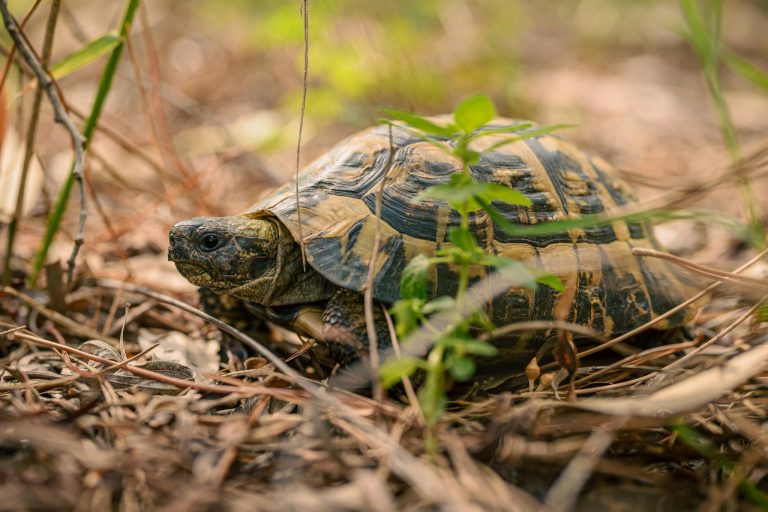
Not every turtle is a good candidate for outdoor pond life, especially if you live somewhere with cold or unpredictable winters. The best choices are usually hardy cold tolerant species that naturally spend most of their lives in open water and are equipped to handle seasonal changes.
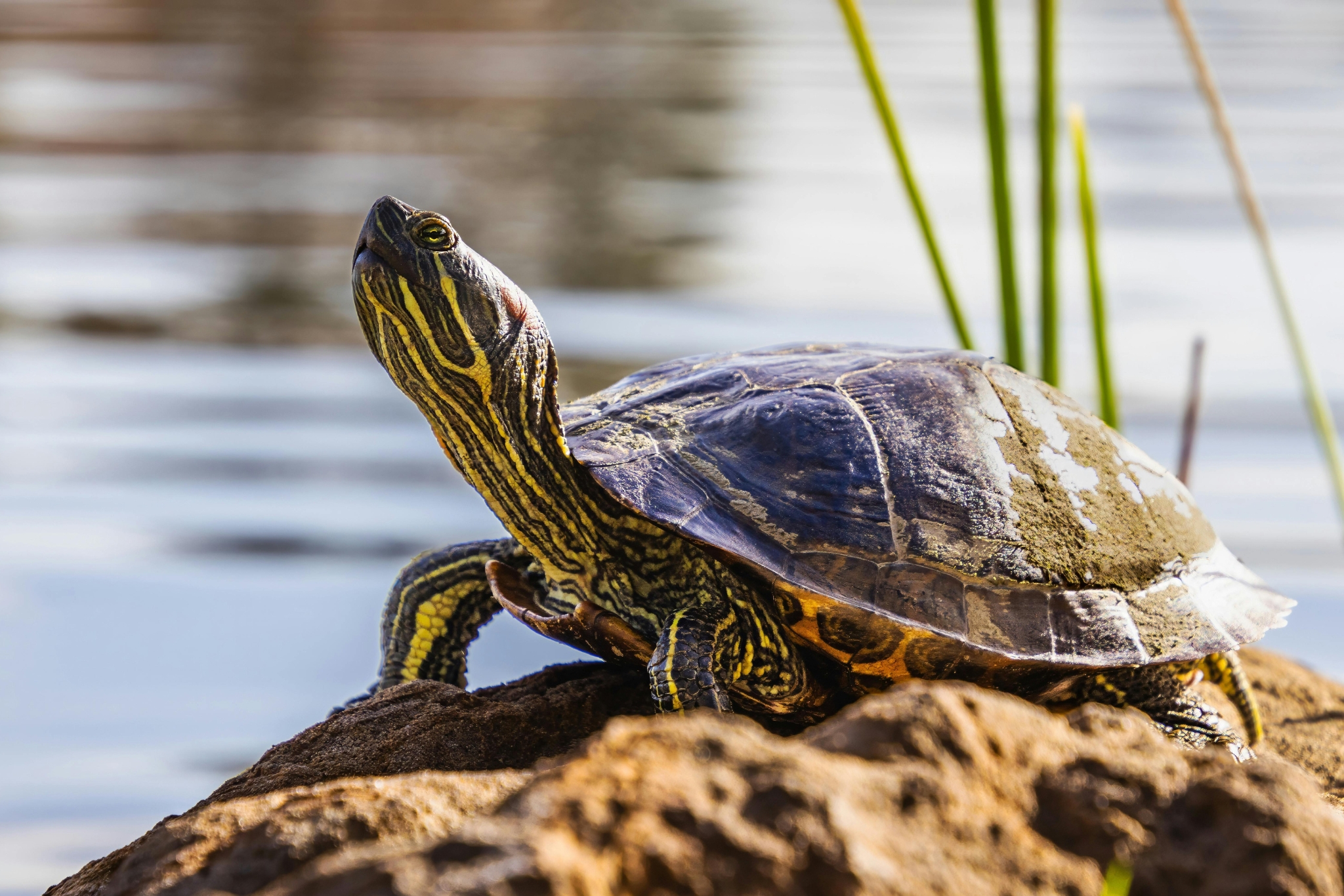
- Red-eared sliders
- Painted turtles
- Cooters, including river cooters and Florida cooters
- Map turtles
- Common snapping turtles — these require serious planning because of their size, strength, and safety needs
- Box turtles — not strong swimmers, and can drown in deep water
- Tropical species — may not handle cold temperatures or winter conditions
- Very young hatchlings — especially vulnerable to predators, temperature changes, and other outdoor hazards
If you’re not completely sure what species you have, it’s worth doing some research before you build the pond. Look at the species’ natural range, temperature tolerance, and swimming ability so you know whether an outdoor setup is actually appropriate.
Sizing Your Pond Bigger Is Always Better
One of the most common mistakes people make when they’re building a turtle pond is underestimating how much space turtles actually need. Bigger is generally better, but as a rough starting point, you can think about it this way:
- One adult turtle: Aim for at least 50 gallons of water, although more space is always better.
- Multiple turtles: Give each additional turtle roughly another 50% of the space.
- Depth: Aim for at least 18 to 24 inches at the deepest point. Deeper water helps keep temperatures more stable and gives your turtles somewhere to dive and get away from potential threats.
Basking Areas Are Non-Negotiable
Turtles are ectotherms, which means they rely on their surroundings to regulate their body temperature—that makes a good basking area an essential part of an outdoor pond.
Turtles need a place where they can completely get out of the water, dry off, and warm themselves in the sun. Without one, they are more prone to problems like shell rot, fungal infections, and other health issues.
A good basking setup should include:
- A dry platform, rock, or floating dock that gets several hours of direct sunlight each day.
- Easy access in and out of the water—your turtle shouldn’t have to struggle or climb over a steep surface just to reach the basking area.
- Enough room for every turtle to bask at the same time. If there’s only one small spot, dominant turtles may claim it and leave the others without access.
Predator Proofing Your Pond
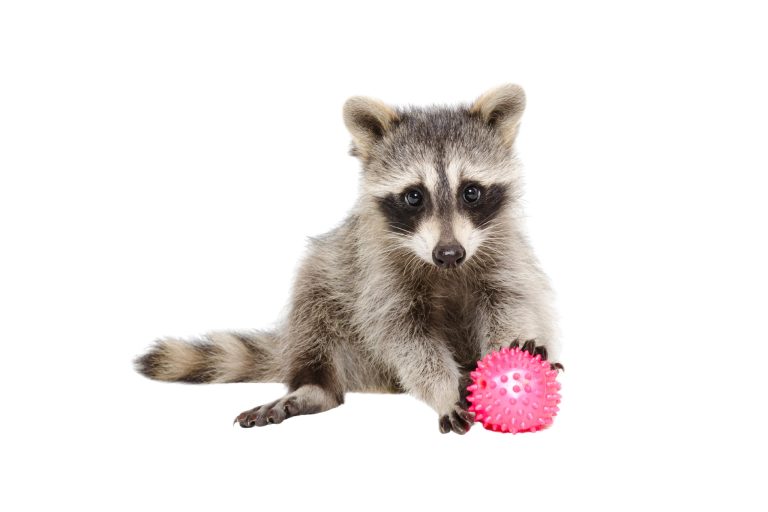
This is probably the part that new owners underestimate the most. But once your turtle is outside, they’re exposed to predators you wouldn’t have to worry about indoors. Raccoons, herons, hawks, dogs, and even large cats can all pose a threat, and young turtles are especially vulnerable.
A few simple precautions can make a big difference:
- Secure the pond perimeter with predator resistant fencing or sturdy netting.
- Give your turtles places to hide underwater, such as rock piles, PVC tunnels, or dense aquatic plants. If something approaches the pond, they need somewhere to retreat.
- Keep small turtles supervised until you’re confident the pond is completely secure.
- Pay attention to the wildlife around your yard. If you regularly see raccoons, herons, or other predators nearby, take that as a sign that you’ll need stronger protection.
A pond might look perfectly safe to us, but to a hungry predator, a turtle sitting out in the open can be an easy target.
Water Quality The Part People Skip
An outdoor pond has some natural filtration that you don’t get with an indoor tank, but that doesn’t mean you can forget about water quality. Regardless of where they’re kept, turtles are messy, and keeping the water clean and healthy still takes some effort.
- Filtration: A good pond filter or biofilter helps keep waste under control, especially if you have multiple turtles or fish sharing the pond.
- Plants: Aquatic plants such as water hyacinth, hornwort, and water lettuce can help absorb excess nutrients while also giving your turtles something natural to nibble on.
- Keep the water moving: Stagnant water encourages algae growth and creates a breeding ground for mosquitoes, so some circulation is important.
- Test the water: Check things like pH and ammonia levels from time to time, especially if the water starts looking cloudy or you suddenly have a lot of algae.
The main thing to remember is that turtles are messy little creatures. When choosing a filtration system, don’t base it only on the size of your pond—you also want to think about how many turtles you have and how much waste they’re going to produce too.
Feeding Turtles in a Pond Setup
One of the best things about an outdoor pond is that turtles can naturally add some variety to their diet. Snails, insects, tadpoles, and aquatic plants can all become part of the menu, giving them opportunities to forage and eat in a way that feels way more natural.
Even if your turtles are finding plenty of natural goodies in the pond, you’ll still want to give them a consistent balanced diet. A good routine can include:
- Quality commercial turtle pellets as the main source of nutrition.
- Occasional protein, such as feeder fish, earthworms, or insects.
- Leafy greens and aquatic plants for additional variety.
- Calcium supplementation, especially for growing turtles and females that can lay eggs.
Seasonal Care Surviving Winter Outdoors
This is where hardy turtle species really earn their reputation. Many pond turtles naturally brumate through the winter, which is basically the reptile version of hibernation. As temperatures drop, they settle into the mud or soft substrate and slow way down.
If your turtles will be brumating outdoors, there are a few things you’ll want to make sure the pond can provide:
- Enough depth to stay partially unfrozen: At least part of the pond should be deep enough that it won’t freeze completely solid.
- Some water movement: A pond deicer or aerator can help keep a small area of water open and allow gases to escape from beneath the ice.
- A soft bottom layer: Mud, leaves, or another suitable substrate gives turtles somewhere to burrow and settle in.
- Minimal disturbance: Once your turtles have settled in for winter, it’s best to leave them alone and let them rest.
Keep in mind that outdoor brumation isn’t right for every turtle or every climate. If your winters are cold enough to freeze the pond deeply or for long periods, it may be safer to bring your turtles indoors during the coldest months. The most important thing is knowing what your particular species can handle and what winter conditions are like where you live.
Legal and Ethical Considerations
Before setting up an outdoor pond, there are a few practical things worth checking first:
- Local regulations: Make sure it’s legal to keep your particular turtle species where you live. Red-eared sliders for example, are restricted or banned in some areas because of concerns about invasive populations.
- Never release a pet turtle: If you can no longer care for your turtle, don’t release it into a pond, lake, or other natural area. This is illegal in many places and can cause serious problems for local wildlife and ecosystems.
- Escape proofing: Turtles can be surprisingly good climbers, and a determined turtle may find a way out of an enclosure you thought was secure. This can be an even bigger concern during breeding season, so make sure the pond and surrounding barriers are properly secured.
Common Pond Turtle Problems (and What They Mean)
Your turtle’s behavior and appearance can give you some pretty good clues about what’s happening in the pond. If you notice something suddenly seems off or different from their usual routine, it’s worth taking a closer look.
- Your turtle keeps trying to climb out: This could be a sign of poor water quality, difficulty accessing the basking area, or simply restlessness during breeding season.
- The water is cloudy or green: This is often caused by too many nutrients from waste or overfeeding. Check your filtration and consider cutting back on how much you’re feeding.
- Your turtle isn’t basking: Make sure the basking area is easy to reach and actually warm enough. If your turtle can’t comfortably get out of the water, they may avoid it.
- The shell looks soft, flaky, or discolored: This can be a sign of shell rot or a fungal infection. Rather than trying a home remedy, it’s best to have your turtle checked by a veterinarian who is experienced with reptiles.
Is an Outdoor Pond Right for Your Turtle?
For the right species and climate, an outdoor pond can be one of the best environments you can give a turtle. They get more space to swim and explore, more opportunities to behave naturally, plenty of sunlight, and once everything is properly established, there is less day to day maintenance than an indoor tank.
The tradeoff is that you’re not just caring for a turtle anymore—now you’re managing a small ecosystem, which means thinking ahead about predators, seasonal changes, water quality, and keeping the pond secure.
If you get the size right, build it with safety in mind, and choose a species that can handle your local climate, a backyard pond can become a long term home where your turtle can thrive for decades.