9 Things I Wish I Knew Before Buying My First Horse
From vet bills to boarding decisions, here’s your honest breakdown on costs, care, choosing the right horse, and mistakes to avoid before you sign anything.
- The Purchase Price Is the Smallest Number You’ll Spend
- A Pre-Purchase Exam Is Non-Negotiable
- Boarding vs. Keeping at Home Changes Everything
- Your Horse’s Personality Matters More Than Its Pedigree or Looks
- Hoof Care Is the Foundation of Everything
- Tack Fit Is a Skill, Not a One-Time Purchase
- You’ll Need a Horse-Savvy Support Network
- Insurance Is Worth Researching Early
- Learning Never Stops — And That’s the Fun Part
- The Bottom Line
Bringing home your first horse is one of those milestones that can feel like you’ve finally reached the finish line. In reality, it’s more like you’ve just opened the starting gate.
The biggest lessons in horse ownership often don’t come until after you’ve signed the papers, brought your horse home, and started figuring out the day to day reality of caring for another living animal.
Thankfully there are plenty of things you can research beforehand, but some lessons are hard to truly understand until you’re living them. From the unexpected expenses to the daily routines, training challenges, and little details no one thinks to mention, the learning curve can be steep.
So, if you’re getting ready to buy your first horse, here’s the honest rundown of what I wish someone had told me before I signed on the dotted line.
1. The Purchase Price Is the Smallest Number You’ll Spend
One of the biggest surprises for new horse owners is realizing just how different buying a horse is from actually owning one.
The purchase price might be $3,000 or $30,000… either way that number is only the beginning. Over the years, the cost of keeping a horse healthy, sound, well fed, and comfortable can add up to far more than what you originally paid for the animal.
Your regular expenses will depend heavily on where you live and how your horse is housed, but you’ll typically need to budget for things like:
- Board: full care, partial care, and self care arrangements can vary dramatically depending on the facility and region
- Farrier: most horses need trims or shoeing roughly every 4 to 8 weeks, depending on their individual needs
- Routine veterinary care: vaccinations, dental care, Coggins testing, and regular wellness checks all need to be part of your budget
- Feed and supplements: even if some feed is included with board, you may still have additional hay, grain, or supplements to purchase
- An emergency fund: this one is especially important—horses have a talent for developing expensive problems at the worst possible time, and emergencies like colic don’t care what your bank account looks like
The purchase price gets you the horse.
The ongoing budget is what makes horse ownership possible.
2. A Pre-Purchase Exam Is Non-Negotiable
I really can’t stress this one enough: don’t skip the pre-purchase exam (PPE) just to save a few hundred dollars.
It’s one of the most common mistakes first time horse buyers make, and it can end up being one of the most expensive.
A thorough pre-purchase exam typically includes a general physical exam, lameness evaluation, and flexion tests. Ideally, have the exam done by your own veterinarian (not the seller’s vet) and depending on the horse’s age, history, and what you plan to do with them, your vet may also recommend X-rays or other diagnostic imaging of specific joints.
The goal isn’t to find a horse with a completely spotless medical record or perfectly clean X-rays—that honest reality is that most horses will have something on their exam.
The point is to understand the horse’s current condition and identify anything that could affect their future soundness, performance, or veterinary costs, so you have all the information you need to decide whether those potential issues are something you’re prepared to manage.
It’s much better to discover a potential issue before the horse comes home than three months later when you’re already emotionally invested and facing a surprise veterinary bill.
3. Boarding vs. Keeping at Home Changes Everything
If you don’t already have your property set up for horses, boarding is probably your best bet, even if your ultimate goal is to have a horse in your own backyard.
A good boarding facility can take some of the pressure off while also giving you a chance to learn what horse ownership actually looks like day to day.
Boarding gives you:
- Experienced horse people nearby who may notice a problem before you do.
- Extra help in an emergency or when you’re out of town and can’t make it to the barn.
- A chance to learn the routine of feeding, turnout, blanketing, hoof care, and all the other little things that come with owning a horse.
- A trial run before going all in on at your own property. You’ll get a much better feel for the time, money, and work involved before taking on the responsibility of managing everything yourself.
Having a horse at home sounds pretty idyllic, and it absolutely can be. But there’s a lot more involved than just putting a horse in the pasture. Once the horse is on your property, you’re also responsible for fences, water, shelter, pasture management, manure, feed, repairs, and emergency care.
4. Your Horse’s Personality Matters More Than Its Pedigree or Looks
It’s easy to get distracted by a horse with a flashy trot, impressive movement, or a bloodline that looks amazing on paper. But if you’re a first time owner, temperament should be one of your biggest priorities.
A horse that’s calm, willing, and forgiving can teach you a tremendous amount and give you valuable confidence as you learn. A talented horse with a difficult or unpredictable personality, on the other hand, can turn everyday situations into a constant challenge.
Don’t be afraid to ask the seller the questions that actually matter. How does the horse behave for the vet? Does it load easily into a trailer? How does it handle being somewhere unfamiliar or spending time alone? What happens when something doesn’t go according to plan?
And pay close attention to how the horse behaves on the ground. Good ground manners, patience, and a willingness to listen can tell you far more about what day to day life will be like than a long list of show accomplishments ever could.
5. Hoof Care Is the Foundation of Everything
“No hoof, no horse” isn’t just an old saying—it’s something every new horse owner learns pretty quickly.
Your horse’s feet have a huge impact on their overall comfort and long term soundness, so finding a reliable farrier should be one of the first things you do.
Ideally, have a good farrier lined up before you bring your horse home.
And don’t be afraid to ask questions about their trimming and shoeing approach, how often they typically recommend visits, and what they think your particular horse will need based on their workload, conformation, and feet.
A farrier who communicates well and is willing to explain what they’re doing is worth their weight in gold.
6. Tack Fit Requires Constant Adjustments Not a One Time Purchase
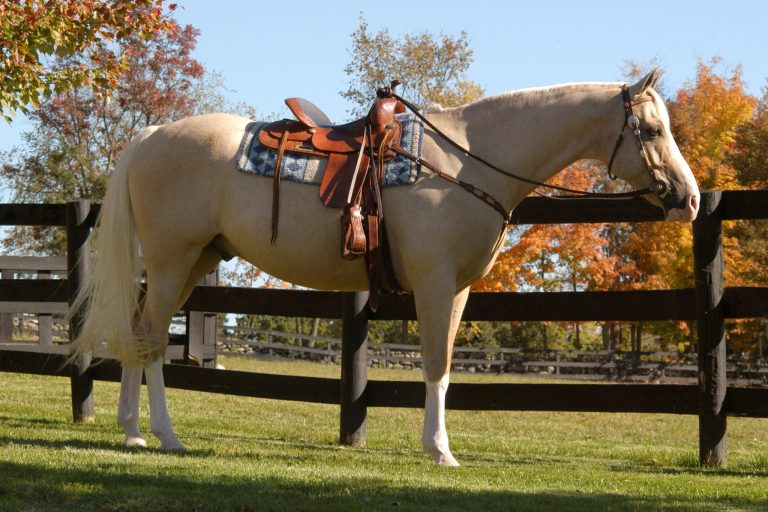
A poorly fitted saddle can create all kinds of problems that look like training issues when the real problem is discomfort. Things like bucking, girthiness, refusing to bend, or suddenly becoming resistant under saddle can sometimes be a horse’s way of saying, “This hurts!”
That’s why a professional saddle fitting is worth budgeting for, especially when you’re bringing home a new horse.
And don’t assume that once a saddle fits, you’re good to go and set forever. Your horse’s shape can change with age, fitness, weight, muscle development, and even seasonal changes.
Saddle fit is something you’ll want to check regularly, not a one time thing you can cross off the list.
Your horse’s body can change with age, fitness, weight, muscle development, and even the seasons — so a saddle that fit perfectly six months ago may not fit quite the same today.
7. You’ll Need a Horse Savvy Support Network
No matter how much research you do beforehand, nothing beats having experienced horse people in your corner. A good trainer, supportive barn community, or even a group of experienced horse owners online can save you from making expensive mistakes and give you a second opinion when you’re not sure what you’re looking at.
Horse ownership comes with a lot of moments where you’re going to wonder, “Is this normal, or should I be worried?”
Having people you trust to ask can make those situations a lot less stressful—and help you learn to recognize what’s normal for your particular horse.
8. Insurance Is Worth Researching Early
Mortality and major medical insurance aren’t just for expensive show horses. For a first time owner, even a basic policy can provide some peace of mind when you’re facing a major unexpected veterinary bill.
Something like colic surgery can cost far more than most people have sitting in an emergency fund, and having coverage may give you more options when you’re dealing with a serious situation.
If you’re considering insurance, get quotes before you buy the horse, not after. Coverage options, exclusions, deductibles, and eligibility can vary, so it’s worth knowing what you’re actually getting (and what you’re not) before you make the commitment.
9. Learning Never Stops And That’s the Fun Part
Every horse is going to teach you something different, and that’s part of what makes horse ownership so rewarding. The horse who teaches you the basics may not be the horse you have forever, and that’s okay—each horse can be an important part of your journey and teach you something you carry with you to the next.
You’re going to make mistakes, change your mind, and realize that some of the things you thought you understood weren’t quite that simple.
That’s completely normal, and it’s a good thing. It means your growing and getting better.
The important thing is to stay curious, ask questions, and be willing to learn as you go.
You don’t need to have everything figured out on day one. Approaching horse ownership with a little humility and a willingness to keep learning will take you much further than trying to be the perfect horse owner from the start.
The Bottom Line
Horse ownership is really a mix of logistics, responsibility, and a whole lot of love. And honestly, the horses that end up meaning the most to us aren’t always the ones who looked perfect on paper. They’re often the ones we learned with, made mistakes with, and grew alongside.
Go into it with your eyes open about the time, money, and commitment involved.
Build a good support system around you early, ask questions when you need to, and don’t expect yourself to know everything right away.
And don’t forget to give yourself—and your horse—a little grace as you learn about each other and figure things out together.