This post contains affiliate links. If you make a purchase through one of these links, we may earn a small commission at no extra cost to you.
Best Hamster Bedding Types, Safety Tips, and What to Avoid
Discover the best hamster bedding options for burrowing and odor control, plus the types every owner should avoid.
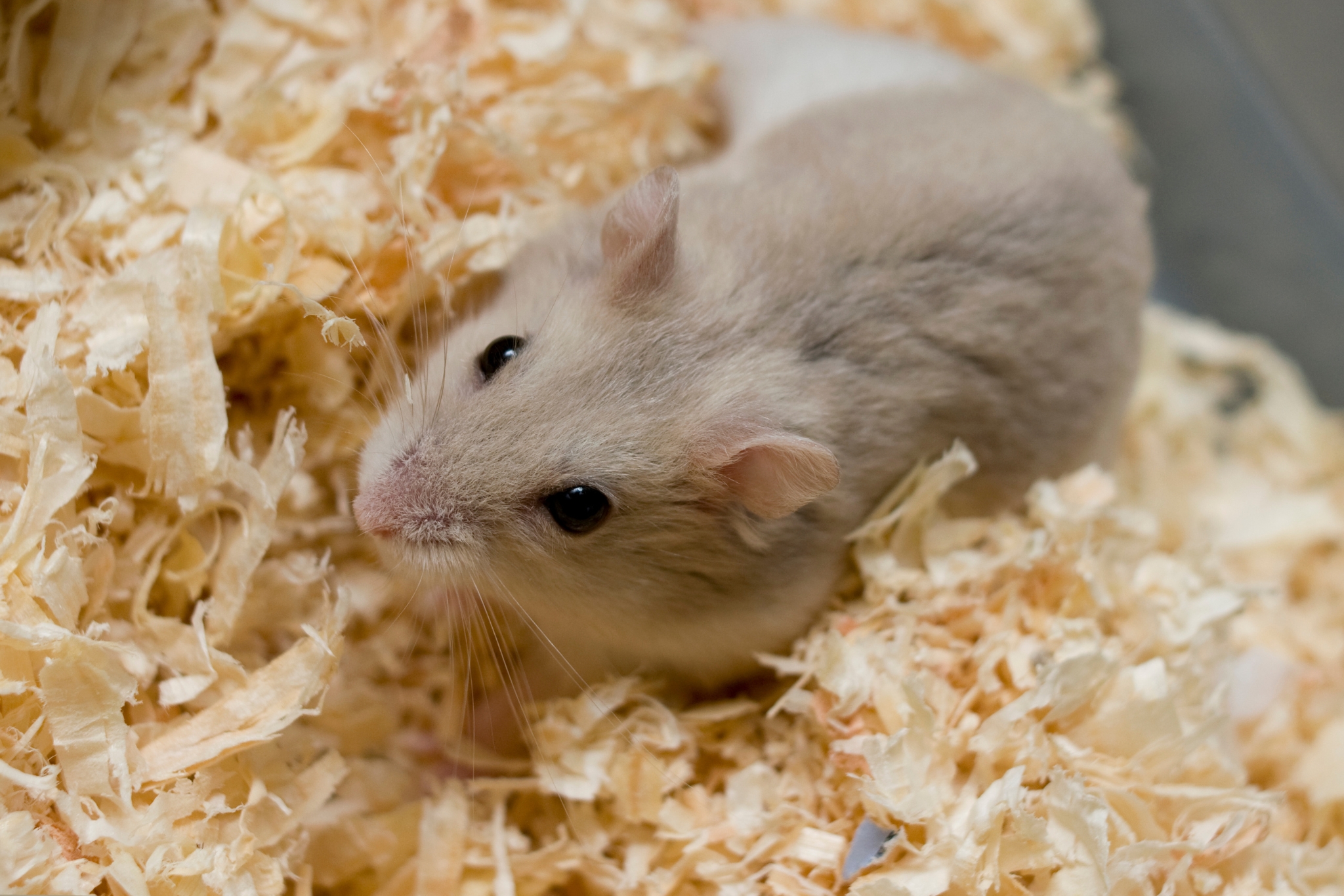
Choosing the right bedding is one of the most important things you can do for your pet hamster.
The right kind of bedding can help keep their enclosure clean and comfortable, control odors, and give them the deep supportive burrowing environment they naturally need. On the other hand, the wrong substrate can contribute to respiratory or allergy issues and may not hold up well for burrowing.
This article covers the safest, most absorbent, and hamster-friendly bedding options, along with specific product picks for each type, plus the kinds of bedding you’ll want to avoid.
Why Bedding Choice Matters
Hamsters are natural burrowers, so their bedding does a lot more than just keep their enclosure clean.
In the wild, hamsters dig complex tunnel systems for shelter, storing food, and staying comfortable in different temperatures. Good bedding helps your hamster act on those natural digging instincts while also absorbing moisture, managing humidity, and keeping odors under control between cleanings.
Depth is just as important as the type of bedding you choose. Most experienced keepers recommend at least 6 to 8 inches of bedding for proper burrowing, while going 10 to 12 inches deep can give both dwarf and Syrian hamsters even more room to dig, tunnel, and build their own little underground spaces.
1. Paper Based Bedding
Paper bedding is one of the most popular choices for hamsters because it’s soft, absorbent, good ammonia and odor control, generally low in dust, and doesn’t contain the aromatic oils found in some types of wood shavings. It also makes a comfortable substrate for burrowing while helping keep moisture and odors under control.
Our top paper based bedding picks:
🐹 Carefresh Natural Paper Small Pet Bedding
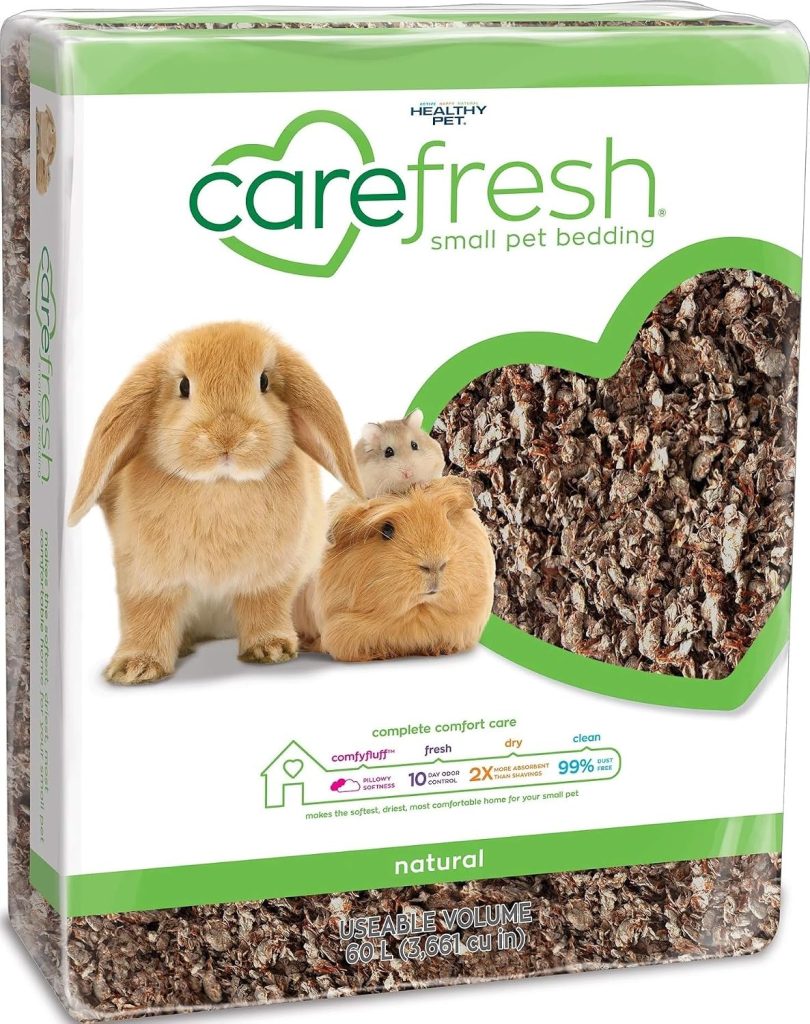
This brand is a long time favorite, known for its dust free bedding, excellent absorbency, and reliable ammonia control. It’s gentle on sensitive feet and has a soft textured feel that’s perfect for burrowing, tunneling, nesting, or creating a cozy home for your hamster.
Made from natural paper, this bedding is 2X more absorbent than regular shavings. It’s also free from harmful chemicals and synthetic dyes. Plus, it’s biodegradable and compostable!
🐹 Kaytee Clean & Cozy Small Animal Bedding
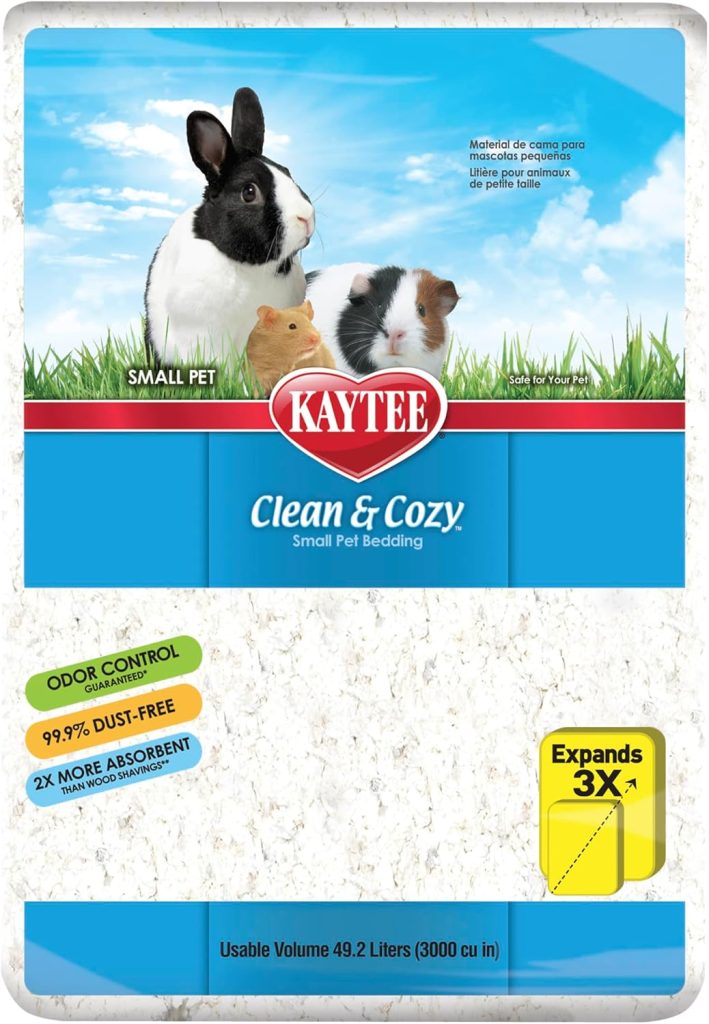
Soft, absorbent, and designed to be low dust, this bedding offers excellent odor control between cleanings. It’s fragrance free, 99% dust free, gentle on sensitive paws and noses, and can absorb up to 6X its weight in liquid to help keep your pet’s habitat fresh, dry, and comfortable.
🐹 Small Pet Select Unbleached White Paper Bedding
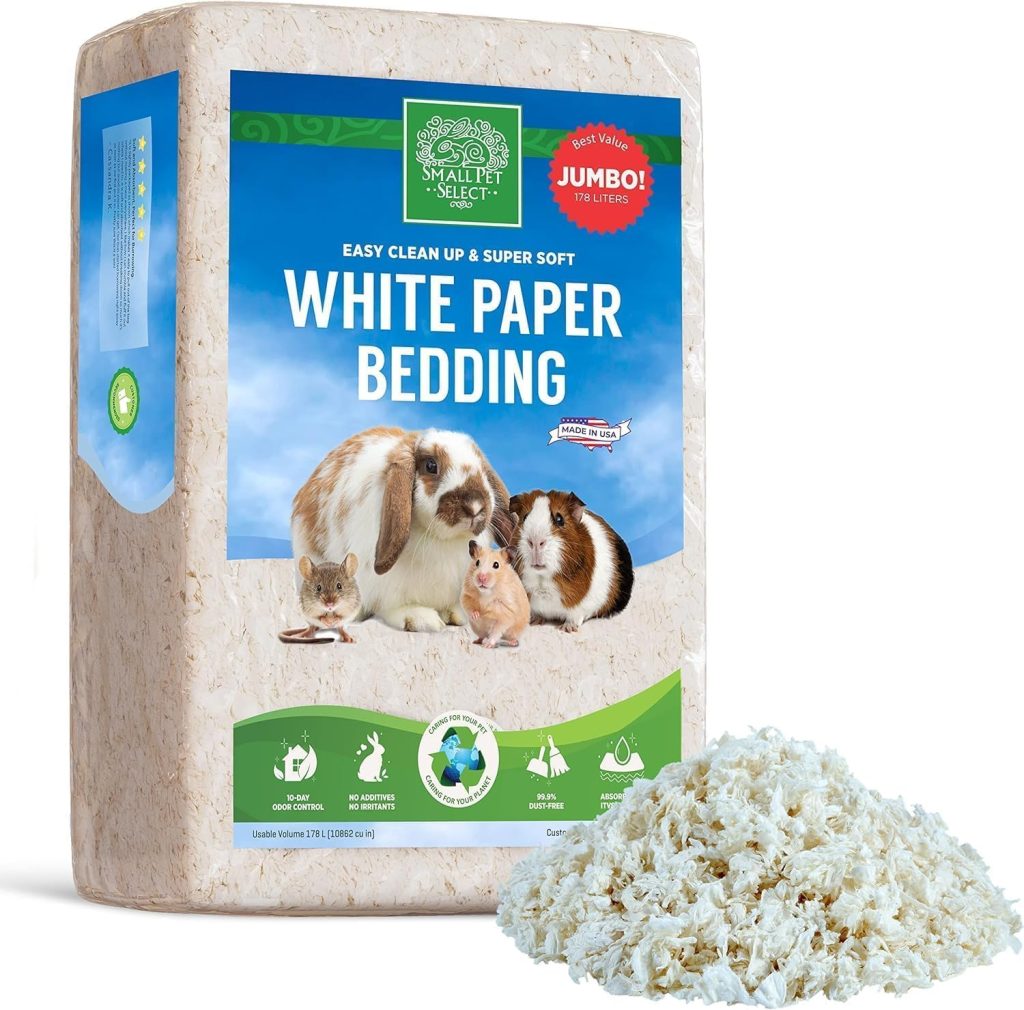
This premium bedding is little firmer than some paper beddings, which can help tunnels hold their shape longer. It’s made from unbleached paper fiber with no added printing or dyes. The white color also makes it easier to spot soiled areas, so you can quickly clean up messes without disturbing the rest of your pet’s habitat. Plus, it’s 99% dust free, soft, and absorbent.
2. Aspen Shavings
If you prefer wood bedding, aspen is generally the go-to choice for hamsters. Unlike cedar and other strongly aromatic woods, properly processed aspen doesn’t contain the same levels of aromatic oils that can be irritating to a hamster’s respiratory system.
Aspen is great for creating sturdy tunnels and gives your hamster’s habitat a natural look and feel. It’s also typically more budget friendly than paper bedding.
Keep in mind it can feel a little rougher than paper, so some owners mix aspen with paper bedding to create a softer more comfortable texture.
Our favorite aspen shavings are:
🐹 Kaytee All Natural Aspen
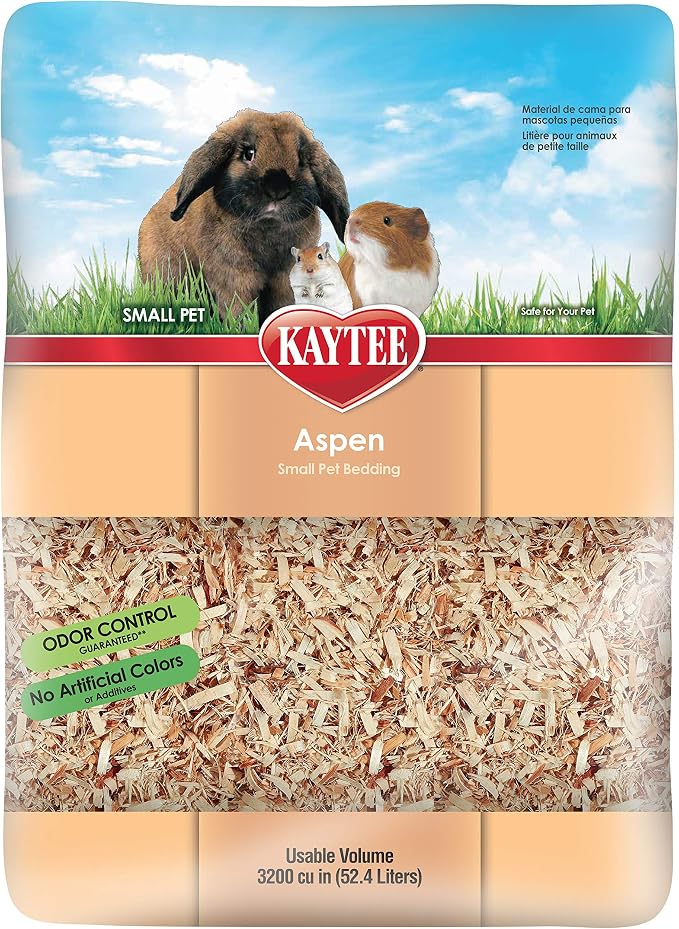
Made with smaller thinner shavings instead of large rough pieces, this bedding is designed to be softer and more comfortable for tiny paws.
It contains no added aromatic oils or inks and is specially processed to remove excess dust and wood debris found in some other wood beddings. It’s also biodegradable and environmentally friendly, making it a natural option for your hamster’s enclosure.
🐹 Small Pet Select Aspen Bedding
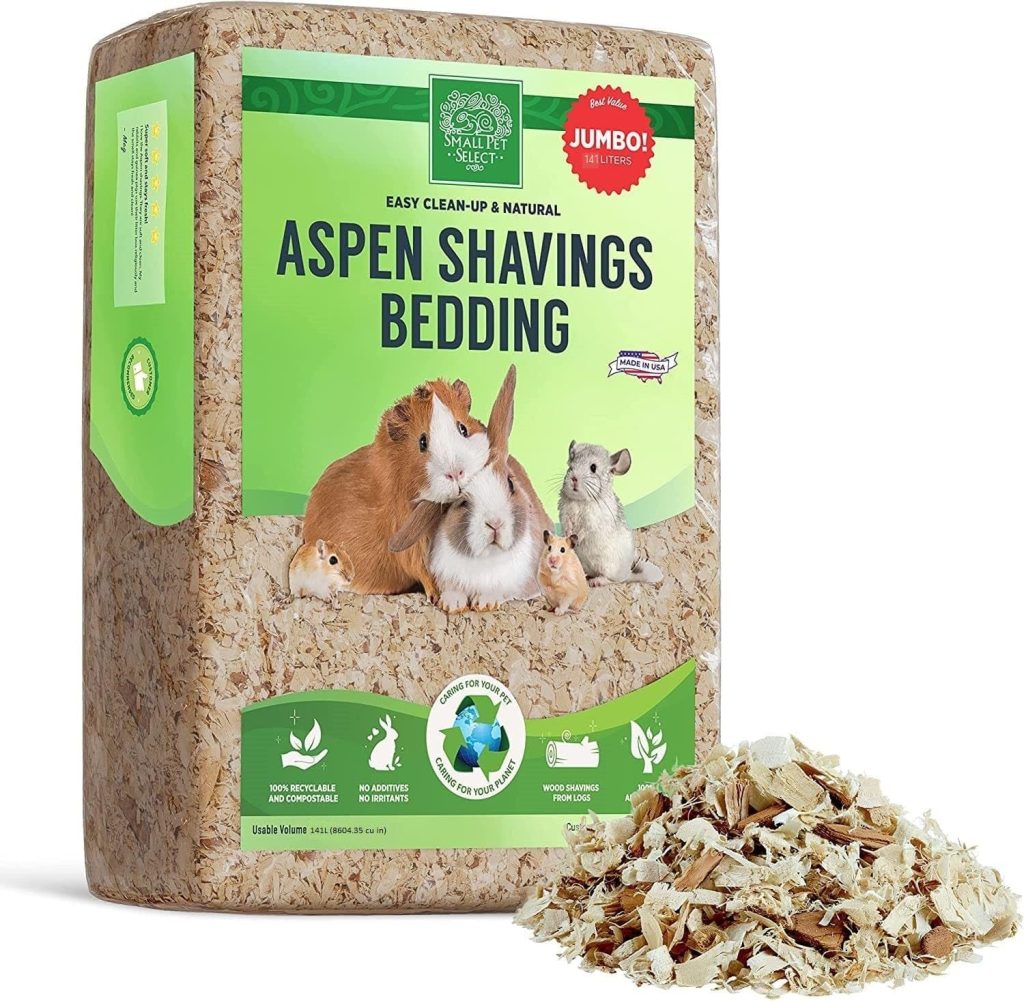
This bedding is a softer screened option with a focus on reducing dust, making it a great choice for hamsters that love to tunnel. Made from 100% heat dried all natural aspen shavings, it’s produced in the USA without harmful dyes, chemicals, or additives.
The shavings come directly from the tree and are screened for a softer more consistent texture. And they break down naturally, making them easy to dispose of in your garden, compost, or organic waste bin.
3. Hemp Bedding
Hemp bedding has become increasingly popular because it’s highly absorbent while producing relatively little dust. It can be a great alternative if you’re looking for something different from traditional paper or wood bedding.
Our favorite hemp bedding:
🐹 Eaton Pet & Pasture Naturally Grown Hemp Small Pet Bedding
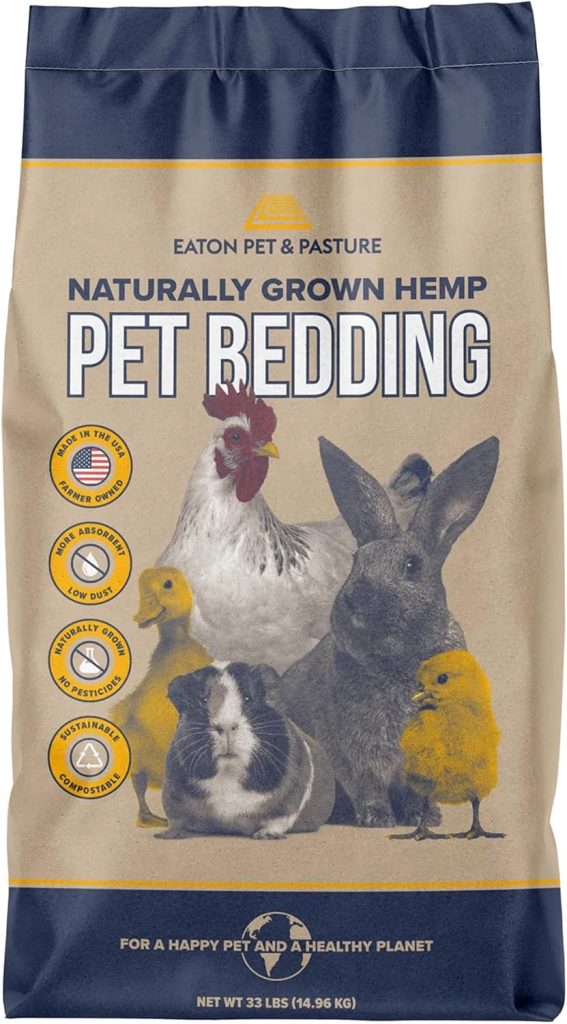
Made from USA grown hemp, this bedding is a renewable and compostable option that won’t clump when wet. It’s highly absorbent, offering up to 2X the absorbency of pine shavings and helps manage moisture and control unwanted odors.
It’s also low dust, soft, and comfortable, making it a great choice for your hamster’s habitat. Made and packaged in the USA, it comes in a recyclable paper bag instead of plastic, while supporting American hemp farmers with every bag.
4. Coconut Fiber (Coco Coir)
Coconut fiber (also known as coco coir) is best used as part of a bedding setup rather than as your hamster’s only substrate.
It holds moisture well, making it especially useful for naturalistic or bioactive style enclosures. When slightly damp, it can also help create stable tunnel shapes and adds a natural texture to the habitat.
Made from a renewable coconut byproduct, coco coir can be a great addition to your hamster’s enclosure, but it’s not ideal as a standalone bedding. Be sure to keep it from getting too wet, since excess moisture can lead to mold.
5. Plain Shredded Paper
Plain, unprinted, dye-free shredded paper is a simple and affordable way to add variety to your hamster’s enclosure. It’s soft and lightweight, making it easy for hamsters to move around and use in their nests and tunnels.
It’s ink-free, gentle, and budget friendly, but it’s best used as a supplemental nesting material rather than a primary bedding. On its own, it has poor absorbency and odor control, and it tends to collapse quickly without a deeper bedding layer underneath to support burrowing.
❌ Bedding Types to Avoid
- Cedar and pine shavings: These contain aromatic compounds that can irritate your hamster’s respiratory system and may affect liver function, so they’re best avoided.
- Cotton wool or “fairy floss” nesting fluff: The loose fibers can wrap around tiny legs or limbs, and they can also cause serious intestinal blockages if swallowed.
- Scented or dyed bedding: Added fragrances and dyes can be irritating to a hamster’s sensitive respiratory system, so plain unscented bedding is the safer choice.
- Corn cob bedding: It can become moldy when wet, and pieces can cause dangerous blockages if your hamster chews and swallows them.
- Printed newspaper: While it may seem like an easy bedding option, the inks and other chemicals used in printed paper aren’t worth the potential risk.
Choosing the Right Depth and Layering Strategy
Many experienced keepers like to use a layered bedding setup, with different materials serving different purposes.
A moisture retentive base like coconut fiber can go on the bottom, followed by a deeper layer of paper or aspen for burrowing, with soft plain shredded paper on top for nesting.
This kind of setup adds some variety to the enclosure and can give your hamster plenty of depth and different textures to dig, tunnel, and build comfortable sleeping areas.
Bedding Comparison at a Glance
The Bottom Line
The best bedding for your hamster really comes down to finding the right balance between safety, absorbency, comfort, and burrowing.
For most owners, paper based bedding is a great all around choice, while aspen is a good option if you want stronger tunnels and a more budget friendly setup.
Whatever bedding you choose, avoid aromatic softwoods and scented products, and make sure your hamster has plenty of depth to dig, tunnel, and build a comfortable burrow.