Winter Horse Care 101 Managing Horses Safely in Snow and Ice
Snow doesn’t have to be stressful. Learn how to manage water, footing, blanketing, and feeding to keep your horse safe and healthy all winter long.
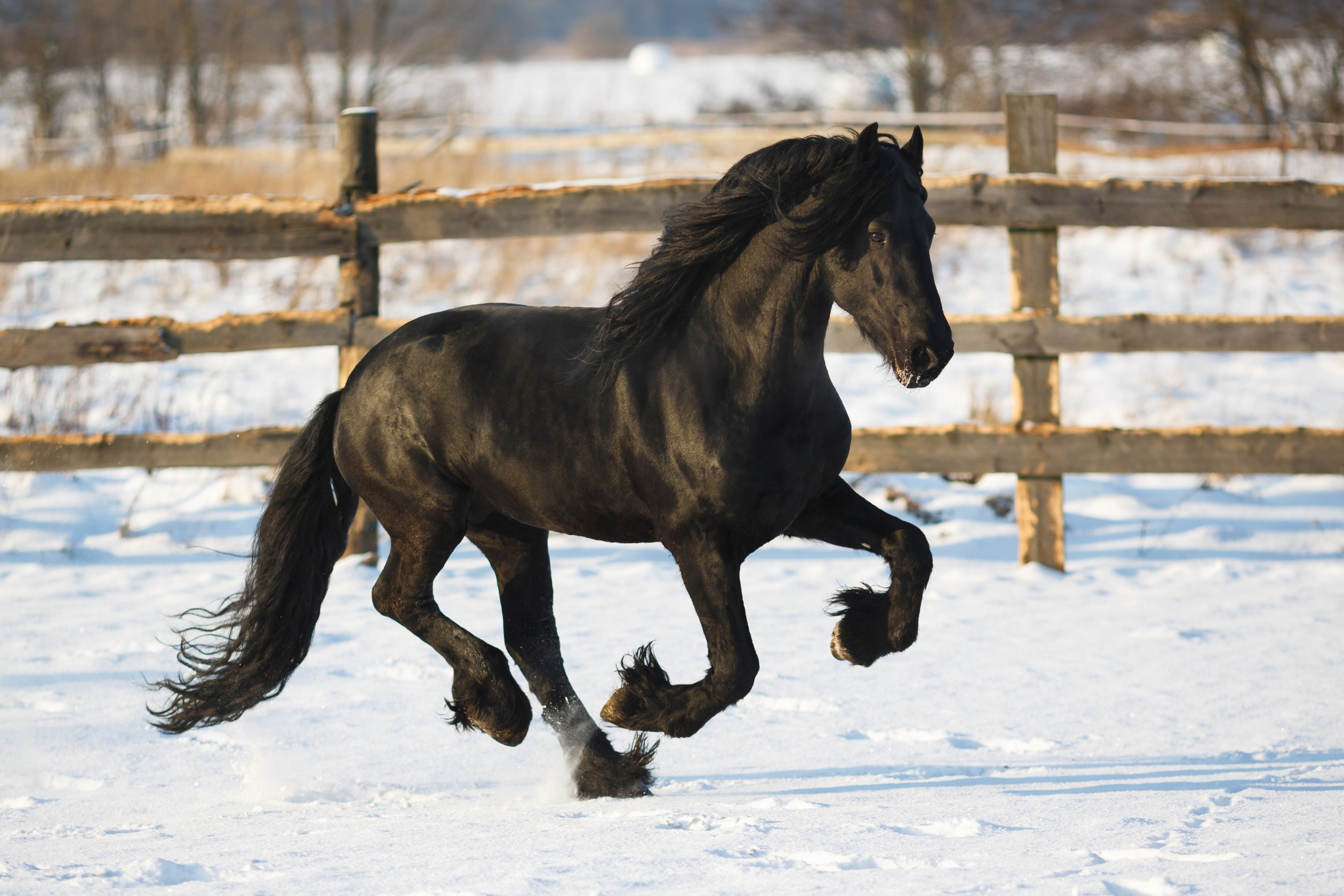
If you’re getting ready to care for your horse through a snowy winter, there’s a lot more to think about than just throwing on a blanket and calling it good. Some horses love the snow and will happily charge through a fresh foot of powder like they’ve been waiting all year for it, while others would rather stay in the barn and avoid the whole thing.
Either way, snow definitely changes how you need to care for your horse. Cold temperatures, icy footing, frozen water, and muddy or packed down areas can all create new challenges. Having a good plan in place can make the difference between simply getting through winter and helping your horse stay healthy, comfortable, and thriving all season long.
So, what does your horse actually need to get through the winter? This article covers the things that matter most when snow is on the ground—from water, shelter, and feeding to blanketing, hoof care, footing, and the simple daily habits that can help keep your horse healthy, comfortable, and thriving all winter long.
Do Horses Actually Need Protection From Snow?
When the first big snowstorm hits, it’s easy to worry about whether your horse is warm enough… but horses are actually much better equipped for cold weather than many new owners realize. A healthy horse with a full winter coat can comfortably handle temperatures well below freezing, and a light snowfall by itself usually isn’t dangerous.
Horses evolved in open harsh environments, and their thick winter coats are surprisingly good at keeping them warm. Their dense hairs trap warm air close to the skin and help keep snow and moisture from reaching the body. That’s why you’ll often see horses standing outside during a snowstorm looking completely content while their owners are wondering if they should be brought inside.
The bigger concerns during snowy weather usually aren’t the cold itself, but the problems that can come with it. Icy water can lead to reduced drinking and dehydration, slippery footing can cause falls and injuries, and eating dry hay while drinking less water can increase the risk of impaction colic. Horses also burn more calories staying warm during particularly cold weather, so they may need more energy from their diet to maintain their weight.
Once you know what to watch for, managing your horse through snowy weather becomes much less intimidating. Keep their water, footing, shelter, and nutrition in check, and they can handle winter surprisingly well.
Water The Single Biggest Winter Risk
One of the biggest winter concerns for horses isn’t actually the cold—it’s dehydration. When temperatures drop, some horses drink less, especially if their only option is icy cold water. Combine that with a diet that’s heavy in dry hay, and you can increase the risk of impaction colic because there simply isn’t enough water moving through the digestive tract.
A few simple habits can make a big difference:
- Keep water above freezing. Heated buckets, tank heaters, or insulated troughs can be some of the most useful tools in your winter setup. Most horses are more willing to drink when the water is comfortably cool rather than close to freezing.
- Check water at least twice a day. Don’t assume a heater is doing its job just because it’s plugged in. Ice can form on the surface if a heater stops working or isn’t keeping up with the temperature.
- Add water to their feed. A warm mash or soaked hay pellets can be an easy way to get extra water into your horse without relying entirely on them to drink more on their own.
- Consider electrolytes when appropriate. For horses that tend to be reluctant drinkers during winter, electrolytes may help encourage water intake. Talk with your veterinarian about whether they’re appropriate for your horse and how much to use.
Footing and Ice Where Most Winter Injuries Happen
Snow itself usually isn’t the biggest problem when it comes to winter footing—the real danger is usually the ice hiding underneath it. Horses can generally navigate deep snow pretty well, but a thin layer of ice covered by fresh snow can be difficult to see and much more likely to cause slips, strains, or injuries.
A few simple footing habits can make winter turnout much safer:
- Break up ice in high traffic areas. Pay special attention to gateways, water troughs, and the areas around run-in sheds. Adding sand or a horse-safe traction product can also give your horse better footing. Salt is generally best avoided in areas where horses walk and eat, since it can be irritating if they ingest it.
- Be careful with frozen mud. When muddy ground freezes, it can leave behind hard uneven ruts that are easy for a horse to step into or twist an ankle on. In some cases, frozen mud can be more dangerous than smooth snow.
- Check for snowballs in the hooves. Packed snow and ice can build up underneath the hoof and change the way your horse walks, increasing the risk of slipping or straining a muscle or tendon. Snowball pads can help, and a quick daily hoof pick check can catch buildup before it becomes a problem.
- Keep the main paths maintained. Try to keep well used routes between the shelter, water, and feeding areas clear and easy to navigate. This is safer and less tiring than having your horse repeatedly forge new paths through deep snow.
To Blanket or Not to Blanket
Blanketing is one of those horse care topics that can spark a lot of debate, but there’s really no one size fits all answer because it really depends on the individual horse and the conditions they’re living in.
A healthy horse with a full unclipped winter coat, good body condition, and access to shelter from wind and precipitation usually doesn’t need a blanket at all—even when there’s snow on the ground. Their winter coat is designed to trap warm air and provide insulation, so there’s no need to interfere with that natural protection unless there’s a good reason to.
A blanket may be worth considering if:
- Your horse is clipped. This is especially common with show horses or horses that are kept in regular work throughout the winter.
- Your horse is young, elderly, or struggles to maintain weight. Some horses simply have a harder time staying warm and maintaining condition.
- There isn’t adequate shelter. If your horse has little protection from strong wind, rain, snow, or freezing precipitation, a blanket can provide an extra layer of protection.
- Wet snow or freezing rain is in the forecast. Once a coat becomes soaked, it loses some of its insulating ability. A properly fitted and waterproof turnout blanket can help keep your horse dry.
- Your horse naturally has a thin coat. Breed, age, health, and individual differences can all affect how well a horse handles the cold.
If you do decide to blanket your horse, make a habit of checking underneath it every day. Blankets can hide weight loss, rubs, skin problems, or signs that your horse is getting too warm.
And don’t assume that a heavier blanket is always better. If your horse starts sweating underneath it, that moisture can leave their coat damp and actually make it harder for them to stay warm once temperatures drop. The goal is to keep your horse comfortable and dry—not bundled up as much as possible.
Shelter Wind and Wet Matter More Than Cold
When it comes to winter shelter, you may be surprised by how much difference a simple windbreak can make. A three sided run-in shed, a stand of trees, or a barn that gives your horse somewhere to escape the weather can be more useful than a blanket in many situations.
The biggest issue isn’t always the temperature itself. Strong wind and wet precipitation can strip away the insulating layer of warm air trapped in your horse’s coat, making it much harder for them to stay warm.
If your property doesn’t have natural windbreaks, even a basic three sided shelter can help. Position it so the opening faces away from the prevailing wind, giving your horse a dry protected place to retreat when the weather gets rough.
Feeding During Snowy Cold Weather
Did you know that horses have a pretty impressive built-in heating system? Digesting forage creates a surprising amount of internal heat, which is why hay becomes especially important during the colder months. Rather than simply giving your horse more calories, good quality forage provides a steady source of warmth that can help them stay comfortable through long cold nights.
And when temperatures drop, increasing hay is usually more useful than simply adding more grain. As forage ferments in the hindgut, it produces heat gradually over several hours. A common guideline is to increase hay intake by roughly 1% to 2% of body weight for every 10°F drop below a horse’s lower critical temperature, although individual needs can vary.
It can also help to offer extra hay in the evening. Digestion driven heat production is especially useful overnight, when temperatures tend to reach their lowest point.
Keep an eye on your horse’s body condition throughout the winter. A thick winter coat can easily hide gradual weight loss, so don’t rely on appearances alone. Feel along the ribs, topline, and other key areas regularly to make sure your horse is maintaining a healthy condition.
And don’t overlook forage quality because once pasture is covered in snow, it may provide very little nutrition. If your horse normally gets part of their diet from grazing during the warmer months, that missing forage needs to be replaced with enough hay to keep them properly fed throughout winter.
Daily Winter Horsekeeping Checklist
Winter horse care doesn’t have to be complicated. A few minutes of attention in the morning and evening can go a long way toward preventing problems when snow and ice set in.
- Start with the basics—check your horse’s water, break up any ice, and make sure they have plenty of clean water to drink. While you’re there, pick their hooves and check for snow or ice buildup underneath.
- And take a quick look at your horse too. If they’re wearing a blanket or have a thick winter coat, use your hands to check their body condition so you can catch any weight loss that might be hidden under all that hair.
- Then take a look around the property. Make sure snowdrifts haven’t blocked access to the shelter, and check the areas your horse uses most often for slippery ice. If the footing is getting slick, add some traction material before it becomes a problem.
- Finally, pay attention to the weather and adjust their hay as needed. A particularly cold or windy day can mean your horse needs more forage to help meet the extra energy demands of staying warm.
None of these tasks take long, but keeping up with them every day can make a big difference in keeping your horse safe, healthy, and comfortable through the winter.
The Bottom Line
Horses are much tougher in cold weather than many people give them credit for, and snow itself usually isn’t the biggest concern. A healthy horse with a good winter coat, access to shelter, plenty of forage, and unfrozen water can handle a snowy winter surprisingly well.
The key is staying on top of the little things—keep their water drinkable, make sure their footing isn’t turning into a sheet of ice, provide enough forage to help them stay warm, and check on them regularly so you can catch small problems before they turn into bigger ones.
Get those basics right, and winter becomes way easier to manage. With the right care and a little extra attention to the details, your horse can stay healthy, comfortable, and in good condition throughout even the coldest and snowiest months.