Hock Injections for Horses What They Are, When They Help, and What to Expect
Thinking about hock injections for your horse? Learn how they work, which joints get injected, what they cost, how long they last, and how to manage recovery.
- What Are Hock Injections?
- Understanding the Hock: Four Joints, Two Jobs
- Why Do Horses Need Hock Injections?
- How Do Vets Diagnose Hock Pain First?
- What’s in a Hock Injection? Common Medications
- What Happens During the Appointment?
- How Long Do Hock Injections Last?
- Recovery and Aftercare
- Risks and Side Effects
- How Much Do Hock Injections Cost?
- Competition and Drug Testing Rules
- Alternatives and Complements to Hock Injections
- Signs Your Horse’s Hocks Might Need Attention
- Frequently Asked Questions
- The Bottom Line
If you’ve owned a sport horse for any length of time, you’ve probably heard someone say “He’s due for his hocks.”
Maybe your vet noticed some stiffness during a flexion test, or your trainer has noticed that your horse isn’t pushing off quite as strongly behind. Either way, hock injections are one of the most common joint treatments used in equine sports medicine, but they’re also often misunderstood.
In this article, we’ll break down what hock injections actually are, why a horse might need them, what’s typically in the syringe, how long the effects can last, and how to make thoughtful decisions about your horse’s long term comfort and soundness.
What Are Hock Injections?
A hock injection is a procedure where your veterinarian injects medication directly into one or more of the hock joints.
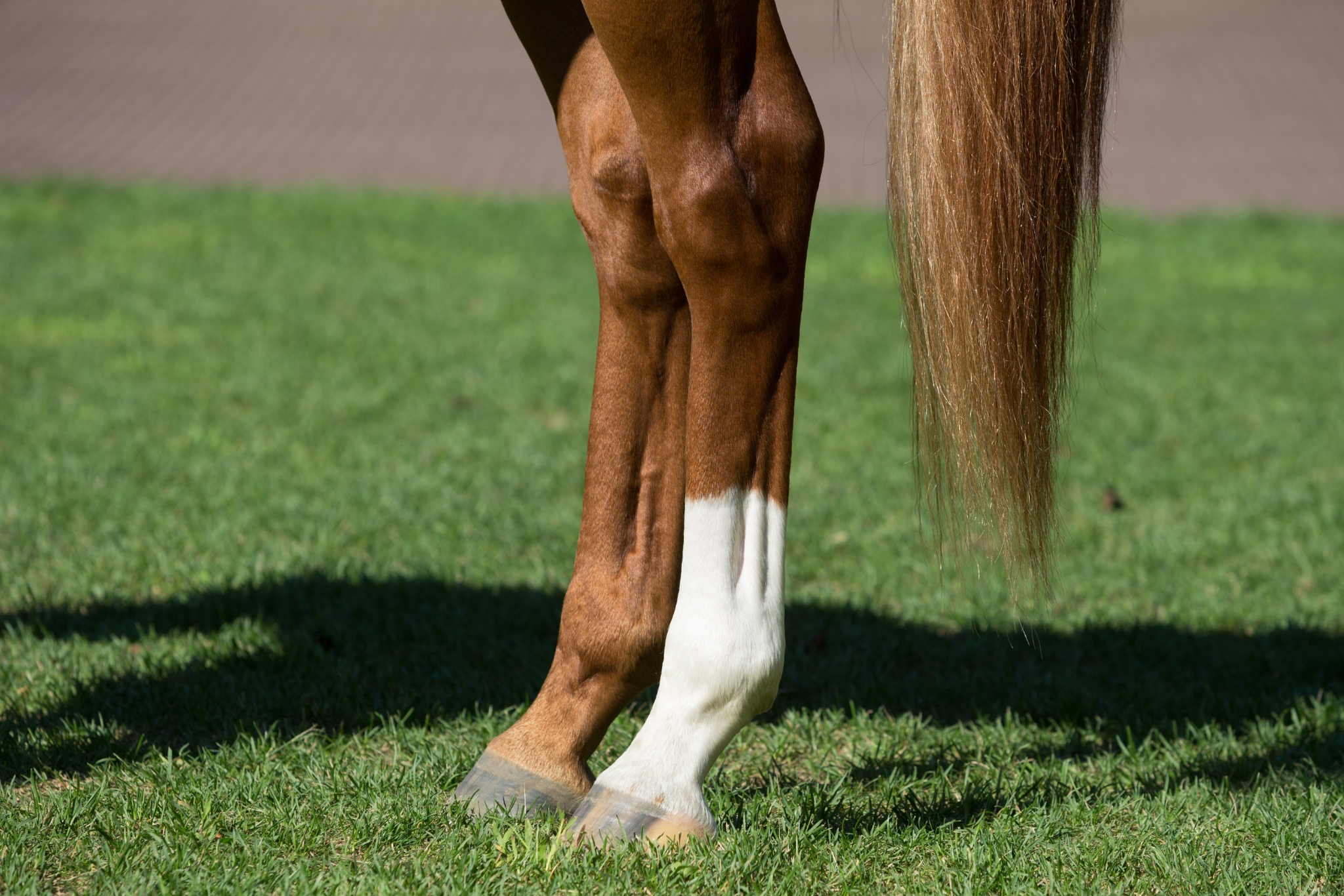
The hock is the large joint on your horse’s hind leg that works much like your ankle and takes on a tremendous amount of force with every stride, jump, stop, and turn.
The goal is to reduce inflammation, relieve pain, and help manage joint disease so your horse can move more comfortably and perform at his best.
You may also hear hock injections referred to as hock medication, hock joint injections, or intra-articular therapy.
Understanding the Hock Four Joints, Two Jobs
The hock isn’t actually one single joint—it’s actually made up of four joints stacked together, and each one has a different job to do.
- TCTarsocrural jointThe high motion joint at the top that does most of the flexing and extending.
- PITProximal intertarsal jointA smaller joint just below it, usually considered low motion.
- DITDistal intertarsal jointA low motion joint that acts mostly as a shock absorber.
- TMTTarsometatarsal jointThe lowest joint, also low motion.
DIT and TMT joints are usually the ones that cause the most trouble. They don’t move very much, but they absorb a lot of concussion, which makes them more prone to arthritis.
You may hear this referred to as distal hock osteoarthritis or bone spavin (these are also the joints most commonly treated with injections).
The higher motion TC joint can need treatment too, particularly if there’s swelling, an injury, or a condition such as OCD.
Your vet will determine which joints (if any) should be treated based on your horse’s exam, flexion tests, and diagnostic imaging or other tests. There isn’t a one size fits all formula, so don’t automatically assume your horse needs injections.
Why Do Horses Need Hock Injections?
Hocks work hard in just about every discipline. Show jumpers, dressage horses, eventers, reiners, barrel horses, and hunters all put a lot of repeated stress on their hindquarters. Over time, that repetitive workload can wear down cartilage, irritate the joint lining, and contribute to changes in the bones.
Common reasons a horse might need his hocks injected
- OsteoarthritisThe most common reason
- Stiffness or reluctance to engage the hind end
- Trouble with lead changes, collection, or tight turns
- Refusals or rushing fences in jumpers
- Short or choppy hind strides
- Resistance to going downhill or backing up
- Dragging toes behind
- Positive hind limb flexion tests
- Joint effusion (puffy, filled hocks)
Some horses also receive maintenance injections as part of an ongoing soundness plan (particularly older horses or those competing at higher levels). It’s worth talking this through with your vet, since maintenance can look very different from one horse to another. What makes sense for one horse may not be necessary for another.
How Do Vets Diagnose Hock Pain First?
Injecting without first figuring out where the pain is coming from isn’t a good approach. A thorough veterinary workup will usually include several steps to help pinpoint the problem.
- Lameness exam: Your vet may watch your horse move at different gaits, both in straight lines and on circles, and on hard and soft surfaces.
- Flexion tests: The hind limb is held in a flexed position for a short time before your horse is asked to trot off. Your vet will watch for any change in movement that could indicate discomfort.
- Diagnostic nerve or joint blocks: Specific areas can be temporarily numbed to help determine where the pain is coming from.
- Imaging: X-rays are commonly used to look for changes such as bone remodeling, narrowing of the joint space, or bone spurs. Depending on what your vet finds, ultrasound, MRI, or other imaging may also be recommended.
What’s in a Hock Injection? Common Medications
There isn’t one standard type of “hock shot.” Your vet will choose the treatment based on your horse’s age, workload, exam findings, imaging results, and any competition rules that apply.
The main options include:
- Corticosteroids: Medications such as triamcinolone, methylprednisolone, and betamethasone are powerful anti-inflammatories that can provide significant pain relief. Different steroids have different properties and potential effects on cartilage, so the choice of medication matters.
- Hyaluronic acid (HA): HA is naturally found in healthy joint fluid. It helps lubricate the joint and support a healthy joint environment, and it’s often used alongside a corticosteroid.
- Polyacrylamide hydrogel: Products such as Arthramid are longer acting non-steroid options that are designed to integrate with the joint lining. Some veterinarians use them when longer lasting relief is the goal or when competition rules limit the use of steroids.
- Regenerative treatments: Options such as platelet rich plasma (PRP), IRAP, and stem cell therapies use components derived from your horse’s own blood or tissue. They may be considered when traditional treatments haven’t provided the desired results or when a more biologic approach makes sense.
Keep in mind that not every treatment is right for every horse. Ask your vet why they’re recommending a particular medication or combination and what they expect it to accomplish for your horse.
What Happens During the Appointment?
Knowing what to expect can make the whole process feel a lot less stressful. While every veterinarian has their own approach, the procedure generally looks something like this:
- Sedation: Most horses receive light sedation to help them stay relaxed and still during the procedure.
- Clipping and cleaning: The area around each joint is clipped and thoroughly scrubbed. Careful preparation is important for reducing the risk of infection.
- Sterile technique: Your vet will use sterile equipment and fresh needles for each joint to help keep the procedure as clean as possible.
- Injection: A needle is carefully placed into the joint space, sometimes with ultrasound guidance, and the medication is injected.
- Aftercare: Your vet may apply a small bandage or antiseptic spray and will give you specific instructions for rest and returning to work.
The procedure itself is usually fairly quick and often takes less than 30 minutes (even when multiple joints are being treated) and most horses tolerate it well.
How Long Do Hock Injections Last?
This is one of the most common questions, and the honest answer is that it really depends on the horse.
- The severity of arthritis
- The medication used
- Workload and discipline
- Age and conformation
- Footing and management
- How your horse responds individually
Some horses may need hock injections twice a year, while others can go much longer between treatments, and some only need them occasionally—there’s really no set schedule that works for every horse.
Keep track of how your horse feels and performs, and share those notes with your vet. Noticing when stiffness or changes in performance start to return can give you a much better idea of when it’s time for another evaluation (instead of simply going by a set schedule).
Recovery and Aftercare
Aftercare can vary depending on your veterinarian and your horse, but a typical plan may look something like this:
- First 24 to 48 hours: Your horse may need stall rest or time in a small paddock. Some vets may recommend gentle hand walking.
- Keep an eye on the injection sites: Check for any unusual heat, swelling, or discharge and let your vet know if you notice anything concerning.
- Ease back into work gradually: Your vet may allow light work after a few days, with a gradual return to your normal workload over the following week or so.
- Watch how your horse is feeling: Pay attention to changes in movement, appetite, attitude, or overall comfort.
- Most importantly, follow the specific aftercare instructions your veterinarian gives you. This is especially important for sport horses with upcoming competitions or a demanding training schedule.
Risks and Side Effects
Hock injections are generally considered safe when they’re performed properly, but like any medical procedure, they aren’t completely risk free.
- Joint infection: Septic arthritis is the most serious potential complication. It’s uncommon, but it’s an emergency when it occurs. Watch for sudden or severe lameness, heat, swelling, or significant pain around the joint, especially within the first few days after the injection. If you notice these signs, contact your vet immediately.
- Post-injection flare: Some horses experience a temporary inflammatory reaction that can cause mild soreness or swelling for a day or two.
- Steroid related concerns: Certain corticosteroids can have potential effects on cartilage, particularly with repeated or inappropriate use. In rare cases, steroids may also increase the risk of laminitis in susceptible horses, especially those with metabolic conditions such as insulin dysregulation or PPID. Make sure your vet has a complete picture of your horse’s health before choosing a medication.
- Masking pain: Pain relief can sometimes make a horse feel good enough that it’s tempting to increase the workload too quickly. Remember that injections are meant to manage pain and inflammation, not cure the underlying issue. Your horse still needs an appropriate training and management plan.
How Much Do Hock Injections Cost?
The cost of hock injections can vary quite a bit depending on where you live, your veterinarian, and the medications or treatments being used.
As a general ballpark, many owners may spend anywhere from a few hundred dollars to more than $1,000 for both hocks. Regenerative treatments, hydrogels, or additional imaging can increase the cost.
Before scheduling the procedure, ask your vet for an estimate that breaks down the different charges, including the farm call, sedation, medication, and any diagnostic work. That way, you’ll have a clearer idea of the total cost before moving forward.
Competition and Drug Testing Rules
If you show, make sure you check the current rules before scheduling hock injections. Organizations such as the USEF and FEI have specific regulations around joint medications, and corticosteroids may come with withdrawal periods or timing restrictions.
Because these rules can change, always review the latest requirements for your particular organization and plan treatments well ahead of your competition.
Your vet can also help you create a treatment schedule that keeps your horse comfortable while keeping you within the rules.
Alternatives and Complements to Hock Injections
Hock injections tend to work best when they’re part of a bigger soundness and management plan. Depending on your horse’s needs, your vet may recommend combining them with other approaches:
- Systemic joint support: Oral or injectable options (such as IV hyaluronic acid or polysulfated glycosaminoglycans) may be appropriate for some horses.
- Shockwave or laser therapy: These treatments can be used as part of a broader pain management or rehabilitation plan.
- Bodywork and massage: Equine bodywork can help address areas of tightness or compensation that develop through the back and hindquarters.
- Corrective farriery: Maintaining good hoof balance and appropriate breakover can help support more comfortable movement.
- Targeted conditioning: Exercises such as cavaletti, hill work, and long and low work can help strengthen the hindquarters and support better overall movement.
- Smart management: Consistent turnout, appropriate footing, and thorough warm-ups can all play a role in keeping your horse comfortable.
- Weight management: Keeping your horse at a healthy weight can reduce unnecessary stress on the joints.
The right combination will depend on your individual horse, so work with your veterinarian and other qualified professionals to build a plan that addresses the whole horse rather than relying on injections alone.
Signs Your Horse’s Hocks Might Need Attention
Not sure if what you’re seeing is enough to call the vet? Keep an eye out for changes like these:
- Taking longer than usual to warm up
- Struggling with transitions or collection
- Stiffness through the hind end when starting work
- Pinned ears, tail swishing, or other signs of discomfort under saddle
- Refusing or struggling to pick up a particular canter lead
- Rails coming down behind when jumping
- Visible swelling or puffiness around the hock
These changes can be subtle (especially at first) but if you notice something that isn’t typical for your horse, it’s worth paying attention and discussing it with your vet. Catching potential problems early can make it easier to figure out what’s going on and support your horse’s long term comfort and soundness.
Frequently Asked Questions
1. Do hock injections hurt?
Yes, and for that reason horses are typically sedated for the procedure (and most tolerate it well). Some horses may have mild soreness afterward, which usually settles in a few days as they recover.
2. Can young horses get hock injections?
They can when there’s a diagnosed reason for using them, but injections shouldn’t be used simply as a routine preventative measure. With a young horse, your vet will usually want to understand what’s causing the problem and weigh the potential benefits and risks before recommending a treatment.
3. How soon will I see results?
Every horse responds differently—some may feel better within a few days, while others can take a couple of weeks to show the full benefit.
4. Can I ride my horse right after hock injections?
Usually not—your vet will typically recommend a short period of rest followed by a gradual return to work. You should follow the specific aftercare instructions your veterinarian gives you.
5. Are hock injections necessary for every sport horse?
No! Plenty of sport horses go their entire careers without needing hock injections. They’re a treatment option for specific problems, not something every performance horse automatically needs.
6. Do hock injections cure arthritis?
No—hock injections don’t cure arthritis. Depending on the medication used, they can help manage pain and inflammation and may support a more comfortable joint environment. Arthritis is a chronic progressive condition, so long term management is usually about keeping the horse comfortable and maintaining function.
The Bottom Line
For some horses dealing with hock pain or soreness, hock injections can make a meaningful difference (especially for horses in demanding sport disciplines).
When they’re based on a proper diagnosis, performed by a veterinarian using appropriate sterile technique, and combined with good management, they may help keep a horse comfortable and working well for longer.
The best approach is to think of this as a partnership between you and your vet. Pay attention to how your horse feels and moves, keep track of any changes, and talk openly with your veterinarian about what you’re seeing. Hock injections can be one part of a bigger soundness plan, but the goal should always be your horse’s comfort and long term well-being, not just getting through the next competition.