Horse Mash What It Is, What It’s For, and How to Make It the Right Way
Learn what horse mash is, when to feed it, and how to make bran, beet pulp, and hay cube mashes safely. Includes recipes, feeding amounts, and a vet minded FAQ.
- What Is Horse Mash?
- A Brief History: Why Do We Feed Mash at All?
- What Is Horse Mash Used For?
- Types of Horse Mash (and Which One to Choose)
- How to Make Horse Mash: Step by Step Recipes
- How Much Mash Should You Feed?
- Common Myths About Horse Mash
- Safety Tips Every Horse Owner Should Know
- Frequently Asked Questions About Horse Mash
- The Bottom Line
Horse mash has a long history in the equestrian world. For generations, horse owners have used these warm soft meals as a comforting treat, a way to encourage picky eaters, and a practical option for horses who need a little extra help at mealtime.
But despite its long standing place in the barn, mash can be surprisingly misunderstood. Some horse owners swear by their traditional Friday night bran mash, while others say it’s best avoided altogether. And plenty of people are left wondering which approach is right.
The truth is mash can be a useful addition to your horse’s diet when you understand what goes into it, why you’re feeding it, and which type is best for your horse.
In this article, we’ll explore the different types of horse mash, look at their benefits, and help you choose and prepare the right option for your horse.
What Is Horse Mash?
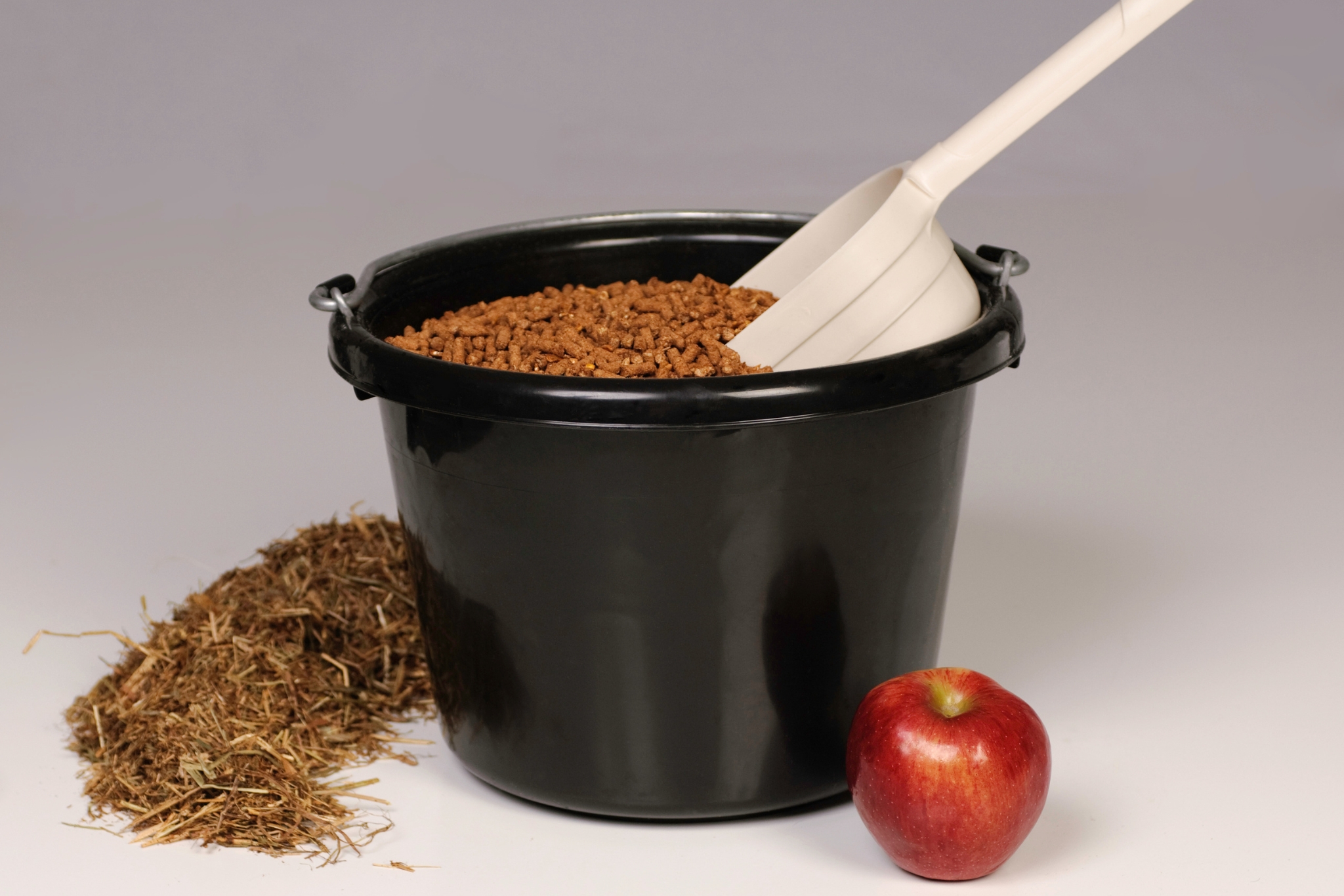
Horse mash is a soft moist feed made by soaking dry ingredients in water until they reach a warm porridge-like consistency. Think of it as oatmeal for horses!
The traditional version is bran mash (usually made with wheat bran and warm water) sometimes with extras like oats, carrots, apples, or a little salt. But mash has come a long way, and there are several other options you can use, depending on your horse’s needs.
Common horse mash ingredients and bases include:
- Beet Pulp available in shreds or pellets that are soaked before feeding
- Soaked Hay Cubes or Hay Pellets a convenient way to provide forage in a softer form
- Alfalfa Pellets or Cubes a fiber rich option that can be useful for some horses
- Senior or Complete Feeds many can be soaked to create a soft easy to eat mash
- Ground Flax or Rice Bran Mixes sometimes added to provide extra nutrients or calories (depending on the product)
So, what do all these options have in common? They’re soft, moist, and appealing.
That makes mash a useful addition to your horse’s feeding routine for several reasons:
- It can help encourage water intake
- Make eating easier for older horses with dental issues
- Or simply provide a tasty meal that suits your horse’s individual needs
The key is choosing the right ingredients for your horse and making sure the mash complements their overall diet.
A Brief History Why Do We Feed Mash at All?
Bran mash has been a stable tradition for generations (especially in Europe and in the hunting, racing, and show worlds) and it was often fed for a few familiar reasons:
- After a hard day’s work or hunting: as a warm comforting meal after a long day
- The night before a rest day: a traditional treat when the horse had earned a quieter day
- When a horse was sick, tired, or off their feed: in the hope that a soft appealing meal might encourage them to eat
- As a “laxative” to keep the gut moving: this is where things get a little more complicated
Horse owners should keep in mind that bran can affect stool consistency, and soaked feeds provide additional moisture… but the idea that a weekly bran mash somehow “cleans out” a horse’s digestive system is largely folklore.
Horses don’t need a regular bran mash to flush out their guts, and modern feeding practices focus instead on adequate forage, hydration, and a balanced diet. A bran mash can still have a place as an occasional treat, but it’s not something your horse needs as a routine digestive cleanse.
Let’s look at why this traditional practice has fallen out of favor with many equine nutritionists, and what you can offer your horse instead.
What Is Horse Mash Used For?
When used thoughtfully, feeding your horse mash can serve some genuinely useful purposes.
Here are 7 ways mash can help your horse:
1. Encouraging Water Intake
- Horses may drink less during cold weather, which can contribute to dehydration and increase the risk of impaction colic. Adding water to your horse’s feed is one way to help increase their overall fluid intake.
- A well soaked mash can be especially useful in winter, when some horses are less enthusiastic about drinking cold water. Just remember that fresh clean drinking water should always be available.
2. Supporting Recovery After Hard Work
- After a long show day, a demanding trail ride, or a period of heavy travel, a soaked feed can help encourage your horse to eat and take in more fluids.
- Depending on your horse’s workload and needs, an appropriate mash can also be a convenient way to provide electrolytes.
3. Tempting Picky or Stressed Eaters
- Some horses become fussy about food when traveling, competing, or adjusting to a new environment—a familiar appealing mash can encourage them to eat when they’re turning their nose up at their usual feed.
- Appetite is an important indicator of health. If your horse suddenly stops eating or has a persistent poor appetite, don’t rely on mash to solve the problem. Contact your veterinarian to find out what’s going on.
4. Making Mealtime Easier for Senior Horses
- Older horses with worn, damaged, or missing teeth may struggle to chew hay and hard feed effectively. Depending on their individual needs, soaked hay pellets, beet pulp, or an appropriate senior feed can provide fiber and calories in a softer easier to eat form.
- A properly prepared mash can also help reduce the risk of choke in horses who have difficulty chewing and swallowing. Your vet or equine dental professional can help determine the best feeding approach for your horse.
5. Mixing in Supplements and Medications
- Getting a horse to take supplements or prescribed medication can sometimes be a challenge. A tasty mash may make it easier to mix in powders or suitable products.
- Always check with your veterinarian or the product instructions first. Some medications need to be given separately, and mixing them into a full bucket of feed can make it difficult to know whether your horse has received the entire dose.
6. Softening Feed for Horses Prone to Choke
- Horses that eat too quickly or have a history of choke may benefit from having certain feeds soaked thoroughly before serving.
- Softening the feed can make it easier to chew and swallow, especially for horses with dental problems. However, soaking alone doesn’t eliminate choke risk, so horses with repeated episodes should be assessed by a veterinarian to identify the underlying cause.
7. Offering a Comforting Meal in Cold Weather
- There’s something appealing about offering your horse a warm meal on a chilly morning, and a suitably prepared mash can provide extra moisture and make mealtime more inviting.
- Just remember that mash isn’t a substitute for forage—forage is the main source of heat produced through digestion in horses (thanks to the fermentation of fiber in the hindgut). Soaked feed can be a nice addition to a winter feeding routine, but adequate forage, water, and a balanced diet should remain the priorities.
Types of Horse Mash (and Which One to Choose)
Not all horse mashes are created equal, and the best choice depends on your horse’s age, health, workload, and nutritionalneeds. From traditional bran mash to fiber rich beet pulp and complete senior feeds, each option has its own benefits.
Here’s a closer look at the most common types and when each one makes sense:
1. Classic Bran Mash
Best for
An occasional treat, a bit of tradition, or a comforting meal after work.
Bran mash has been around for generations, but it’s important to remember that wheat bran is naturally high in phosphorus and low in calcium. Feeding large amounts regularly can upset the calcium to phosphorus balance of your horse’s diet and potentially contribute to bone problems over time.
A bran mash now and then can be a nice treat, but feeding one every week (or more often) as a routine isn’t ideal. It’s best to think of it as an occasional extra rather than a dietary staple.
2. Beet Pulp Mash
Best for
Weight gain, extra hydration, senior horses, and horses that benefit from digestible lower starch fiber.
Beet pulp is a popular choice for a variety of good reasons. It provides highly digestible fiber, can help support weight gain, and absorbs plenty of water when soaked. It’s also generally lower in starch than grain based feeds.
If you’re feeding a horse with insulin resistance or other metabolic concerns, choose an appropriate low sugar product and check its nutritional information with your veterinarian or equine nutritionist. Unmolassed beet pulp can be a useful option, but the overall sugar and starch content still matters.
As always, remember to follow the manufacturer’s soaking instructions and feed it at the recommended consistency.
3. Hay Cube or Hay Pellet Mash
Best for
Horses with dental problems, limited access to long stem forage, or difficulty chewing their usual hay.
Soaked hay cubes or pellets made from ingredients such as timothy or alfalfa can provide a soft fiber rich meal that’s easier for some horses to eat.
For older horses with poor teeth, this can be especially helpful when chewing long stem hay becomes difficult. Fully soaking the feed can also help reduce choke risk, but keep in mind that it won’t eliminate it entirely.
Don’t forget to choose the type of forage that best suits your horse’s nutritional needs, and ask your veterinarian for advice if your horse struggles to chew or swallow.
4. Senior Feed Mash
Best for
Older horses, horses with dental challenges, and hard keepers who need extra calories.
Many senior feeds are designed to be soaked into a soft mash. Depending on the product, they may provide a balanced combination of fiber, energy, vitamins, and minerals.
Some are formulated to serve as a complete feed when fed according to the manufacturer’s directions, making them particularly useful for horses that can no longer manage enough hay.
Just be sure to check the feeding instructions carefully to ensure your horse receives the correct amount and all the nutrients they need.
5. Electrolyte or Recovery Mash
Best for
Horses recovering from heavy sweating, strenuous competition, or exercise in hot weather.
A recovery mash often uses soaked beet pulp or pellets as a base, with an appropriate amount of electrolytes added when needed.
This can be a convenient way to encourage eating and provide additional fluid during hot weather after exercise. However, a mash alone won’t replace everything lost through heavy sweating, so make sure your horse has unrestricted access to fresh water and follow an appropriate recovery plan.
Use electrolytes according to the product directions and your horse’s individual needs, rather than adding them automatically to every mash.
Which mash is right for your horse?
The best option depends on why you want to feed mash in the first place. For an occasional traditional treat, bran mash may fit the bill. For regular feeding, hydration, weight management, or helping a senior horse eat comfortably, beet pulp, soaked forage, or a feed may be a better choice.
Whatever you choose, make sure it complements your horse’s overall diet and is prepared according to the manufacturer’s instructions. When in doubt, your veterinarian or an equine nutritionist can help you find the right fit.
How to Make Horse Mash Step by Step Recipes
Making horse mash at home is fairly simple once you know which ingredients to use and how to prepare them safely. The key is to get the consistency right, allow enough soaking time, and make sure the mash has cooled before serving.
Here are a few options to try, depending on your horse’s needs:
A few rules for every mash
- Use hot, not boiling, water: follow the feed manufacturer’s instructions, and allow the mash to cool before serving
- Check the temperature: mash should be comfortably warm, never hot (test it carefully before feeding)
- Stir thoroughly: make sure the ingredients are evenly mixed and there are no dry pockets
- Serve it fresh: prepare mash close to feeding time and discard leftovers promptly (especially in warm weather)
1. Classic Bran Mash
Ingredients
- 1 to 2 pounds of wheat bran
- Hot water, added gradually until you reach a thick moist consistency
- Optionala small amount of rolled oats, chopped carrot or apple, or another horse safe flavoring
Directions
- Add the wheat bran to a clean bucket.
- Gradually pour in hot water, stirring until the mixture is evenly moistened.
- Cover and let it stand for 10 to 15 minutes (if appropriate for the ingredients).
- Stir well and allow it to cool to a comfortable temperature.
- Serve fresh in a clean feed tub.
A note on bran Bran is high in phosphorus and low in calcium, so it’s best treated as an occasional extra rather than a regular feed. Avoid adding salt or sugary ingredients automatically, particularly if your horse has specific dietary or health needs.
2. Beet Pulp Mash
Ingredients
- Dry beet pulp, measured according to your horse’s needs and the product directions
- Water, in the ratio recommended by the manufacturer
- Optionala suitable amount of ground flax or another feed your horse already tolerates
Directions
- Place the dry beet pulp in a clean bucket.
- Add water according to the manufacturer’s instructions. Warm water may speed up soaking, while cold water generally takes longer.
- Allow it to soak fully. Shreds and pellets can have different soaking times, so check the packaging.
- Stir thoroughly and check that no hard or dry pieces remain.
- Add any appropriate extras, then serve at a safe temperature.
Important Never feed beet pulp dry unless the specific product is explicitly formulated to be fed that way. Most beet pulp products need soaking before feeding. Follow the manufacturer’s directions to ensure the feed is fully prepared.
3. Hay Cube or Hay Pellet Mash
Ingredients
- Hay cubes or hay pellets suitable for your horse
- Water, in the amount recommended on the product label
Directions
- Place the cubes or pellets in a bucket.
- Cover with water and allow them to soften fully.
- Check the texture and give them more time if any firm pieces remain.
- Stir until the mixture is evenly softened.
- Allow it to cool as needed, then serve.
Soaked forage can be particularly helpful for horses with dental problems or difficulty chewing long stem hay. If your horse has a history of choke or swallowing difficulties, ask your veterinarian about the safest texture and feeding method.
4. Quick Recovery Mash
Ingredients
- A suitable portion of fully soaked beet pulp or another appropriate feed
- Equine electrolytes, if needed and used according to the product label
- Optionala small amount of soaked alfalfa pellets, if appropriate for your horse
Directions
- Prepare the base feed according to its soaking instructions.
- Allow it to cool to a safe temperature.
- Add electrolytes when appropriate, following the recommended dosage.
- Mix thoroughly and serve alongside unrestricted access to fresh water.
A recovery mash may be useful after strenuous exercise or heavy sweating, but it isn’t a substitute for a balanced recovery plan. Your horse still needs appropriate forage, water, and rest.
A Final Tip
Whichever mash you choose, don’t forget to introduce it gradually and keep the portion appropriate for your horse’s overall diet. If you’re feeding mash regularly, managing a health condition, or trying to help your horse gain weight, a veterinarian or equine nutritionist can help you choose the best ingredients and amounts.
How Much Mash Should You Feed?
There’s no one size fits all answer when it comes to portion sizes. The right amount depends on your horse’s size, workload, overall diet, and why you’re feeding mash in the first place.
Here are a few general guidelines to keep in mind:
- Beet pulp: Around 1 to 2 pounds of dry beet pulp can be used as a feed addition for some horses, but the right amount varies. Larger portions can be appropriate when beet pulp is being used as a significant fiber source, ideally with guidance from an equine nutritionist or veterinarian.
- Bran mash: Keep portions modest and feed it occasionally rather than as part of a regular routine. The appropriate amount depends on your horse’s diet and nutritional needs, since bran can upset the calcium to phosphorus balance when fed in excess.
- Hay cubes and pellets: These can be fed in larger amounts when they’re replacing part of your horse’s forage ration. The amount depends on the product and how much forage your horse needs each day.
Always introduce any new feed gradually. Sudden dietary changes can upset your horse’s digestive system and increase the risk of problems such as colic. Start with a small amount and gradually increase it over several days, while keeping an eye on your horse’s appetite, manure, and overall comfort.
When in doubt, use the manufacturer’s feeding instructions as your starting point and ask your veterinarian or equine nutritionist to help determine the right amount for your horse.
Common Myths About Horse Mash
There are plenty of long standing beliefs about horse mash, but not all of them hold up when you look at modern equine nutrition. Let’s clear up a few common misconceptions…
“A weekly bran mash prevents colic.”
There’s no good evidence that feeding bran mash once a week prevents colic. In fact, feeding bran regularly in significant amounts can upset the calcium to phosphorus balance of your horse’s diet, and sudden dietary changes may contribute to digestive problems.
“Bran mash is a treat that’s good for every horse.”
Not necessarily! Every horse has different nutritional needs. Horses with metabolic conditions (such as insulin resistance) may need feeds that are carefully controlled for sugar and starch. Choosing an appropriate low sugar option is more important than following tradition.
“Feeding mash on rest days prevents tying-up.”
This idea comes from older feeding practices, when horses were often given less grain on days they weren’t working. The better approach is to adjust your horse’s overall energy intake to match their workload, rather than swapping their usual feed for bran mash. If your horse is prone to tying-up, work with your veterinarian to develop an appropriate feeding and exercise plan.
“Mash replaces drinking water.”
Mash can be a helpful way to add moisture to your horse’s diet, but it never replaces access to clean fresh drinking water. Your horse should always have water available, even when they are eating a soaked meal.
The bottom line
Mash can have a place in your horse’s feeding routine, but it’s not a cure-all. Understanding your horse’s individual needs and making feeding decisions based on sound nutritional advice will always serve them better than relying on old barn myths.
Safety Tips Every Horse Owner Should Know
Mash can be a useful addition to your horse’s diet, but a few simple precautions will help keep mealtime safe and enjoyable:
1. Feed It Fresh
Mash can spoil surprisingly quickly (especially in warm weather). Make only as much as your horse will eat in one sitting, remove any leftovers promptly, and give the bucket a good wash before using it again.
Even in cooler weather, avoid leaving damp feed sitting around for too long, since it can still spoil and develop harmful bacteria or mold.
2. Keep It Warm, Not Hot
A warm mash can be appealing, but feed that’s too hot can burn your horse’s mouth. Always check the temperature carefully before serving and allow it to cool if necessary.
3. Pay Attention to Mineral Balance
Wheat bran is high in phosphorus and low in calcium, so feeding it regularly in significant amounts can upset your horse’s mineral balance. If you plan to include bran in the diet, ask an equine nutritionist to help balance the overall ration.
4. Choose Carefully for Metabolic Horses
Horses with insulin resistance, equine metabolic syndrome, or PPID (Cushing’s disease) may need feeds that are carefully managed for sugar and starch.
Unmolassed beet pulp can be a useful option for some horses, but check the product’s nutritional information and discuss suitable choices with your veterinarian.
5. Soak Feeds That Need It
Beet pulp, hay cubes, and certain pellets need soaking before feeding. Follow the manufacturer’s instructions and make sure the feed is fully softened before serving.
Feeding products that require soaking while they’re still dry or inadequately prepared can increase the risk of choke.
6. Never Use Mash to Treat Colic
If your horse shows signs of colic (such as pawing, rolling, looking at their belly, sweating, or refusing food) contact your veterinarian promptly. Don’t try to treat the problem with mash, and ask your vet before offering any feed while you wait for advice.
7. Keep Buckets and Equipment Clean
Damp feed residue can encourage bacterial growth and mold. Wash feed buckets and tubs after each use, and let them dry thoroughly before preparing the next meal. Clean equipment is a simple but important part of keeping your horse healthy.
Frequently Asked Questions About Horse Mash
1. How often can I feed my horse bran mash?
Bran mash is best treated as an occasional treat rather than a regular weekly feed. If you’d like to give your horse mash more often, beet pulp, soaked grain, or soaked hay pellets are generally better options for a regular routine.
2. Is horse mash good for weight gain?
Yes it can be! Beet pulp and senior feed mashes can be helpful for hard keepers because they provide digestible calories and are usually easy to chew (but keep in mind that bran isn’t the best choice for weight gain).
3. Can I feed my horse mash every day?
Yes! Many horses can enjoy soaked beet pulp or a suitable feed mash daily, provided it fits their overall diet—but daily bran mash isn’t recommended as a routine.
4. Is mash okay for horses with ulcers?
A soaked fiber rich mash may be a useful part of a feeding plan for a horse with ulcers. But it isn’t a treatment on its own, so follow your veterinarian’s recommendations for managing the condition.
5. Can I make mash ahead of time?
When it comes to mash, fresh is usually best. You can measure out the dry ingredients ahead of time and add water closer to feeding.
Beet pulp is a little different because it usually needs several hours to soak. In warm weather, store it appropriately and avoid leaving prepared feed sitting out long enough to ferment or spoil. And always remember to follow the feed manufacturer’s soaking and storage instructions.
6. What’s the difference between mash and soaked feed?
A mash usually refers to a soft porridge-like meal, while soaked feed simply means feed that’s been softened with water. The terms overlap, and many mashes are simply soaked feeds.
7. Will my horse like mash?
Most horses love a tasty mash! The soft texture and appealing smell can make it a favorite, especially on chilly days. If your horse is a little picky, try mixing in a small amount of grated carrot or another horse-safe favorite. Just remember to introduce new feeds gradually and keep any extras appropriate for your horse’s dietary needs.
The Bottom Line
Horse mash is a lovely traditional comfort food, and it can have some real benefits too! It can encourage your horse to take in more water, tempt a tired or fussy eater, make meals easier for older horses with dental issues, and provide a handy way to mix in supplements.
If you’re unsure what’s best, your veterinarian or an equine nutritionist can help you put together a feeding plan that takes your horse’s age, workload, and overall health into account.
The key is to think of mash as a useful tool (rather than something your horse needs just because it’s part of a routine) and remember to:
- Choose the right ingredients for your horse’s individual needs
- Keep mineral balance in mind
- Serve it fresh
- And introduce any changes gradually
Our content is for general educational purposes and isn’t a substitute for veterinary advice. Remember to consult your veterinarian before changing your horse’s diet, especially if your horse has a medical condition.