How Do Fennec Foxes Behave as Pets?
Curious about life with a fennec fox? Explore their unique behaviors, expressive vocalizations, and social tendencies, along with the training challenges that come with these captivating desert canids. A comprehensive guide for both current and prospective owners!
- What Makes Fennec Fox Behavior Unique?
- Natural Instincts That Shape Pet Behavior
- Communication and Vocalization Patterns
- Body Language Signals
- Social Behavior and Bonding
- Play Behavior and Exercise Needs
- Mental Stimulation Requirements
- Territory and Marking Behaviors
- Feeding Behavior and Food Motivation
- Sleep and Rest Patterns
- Grooming and Self-Care Behaviors
- Destructive Behaviors and Management
- Breeding Season Behavior Changes
- Stress Signals and Fear Responses
- Aggression and Bite Behavior
- Litter Training Challenges
- Intelligence and Problem Solving
- Training Limitations
- Long Term Behavior Considerations
- Lifespan Commitment
- Ideal Fennec Fox Owners
- Warning Signs You’re Not Ready
- They’re Cute, but They’re Challenging
Fennec foxes have captured hearts worldwide with their enormous ears and diminutive size, making them increasingly popular as exotic pets. But these tiny desert dwellers exhibit complex behaviors that differ dramatically from traditional domesticated pets.
Understanding fennec fox behavior is essential for anyone considering adding one of these captivating creatures to their family.
What Makes Fennec Fox Behavior Unique?
Fennec foxes (Vulpes zerda) are the smallest fox species in the world, native to the Sahara Desert and other arid regions of North Africa. Their behavior reflects thousands of years of adaptation to harsh desert environments, which translates into distinctive personality traits and needs when kept as pets.
Natural Instincts That Shape Pet Behavior
Despite being bred in captivity, pet fennec foxes still retain strong wild instincts… and these instincts cannot be trained out of them.
Some fennec foxes are extremely shy, urinate on their owners, dislike being picked up, and destroy anything they can get their cute little paws on. These natural behaviors are part of what fennec foxes are and significantly shape the reality of keeping them as a pet.
Prospective owners must be fully prepared to accept and meet the unique needs of these small desert foxes.
Communication and Vocalization Patterns
Fennec foxes are surprisingly vocal animals with an extensive repertoire of sounds. Understanding these vocalizations is crucial for interpreting your pet’s emotional state and needs.
Common Fennec Fox Sounds
- Barking and Yapping: Fennec foxes produce high pitched barks that can be quite loud despite their small size. These vocalizations serve multiple purposes, from territorial warnings to excitement and attention seeking behavior.
- Purring and Chattering: When content, fennec foxes may produce soft purring sounds similar to cats. They also chatter when excited, particularly during feeding time or play sessions.
- Screaming: One of the most startling behaviors for new owners is the fennec’s piercing scream. This sound typically indicates fear, distress, or territorial disputes and can be surprisingly loud.
- Whining and Whimpering: These softer sounds usually indicate that your fennec wants attention, food, or is experiencing mild discomfort.
Body Language Signals
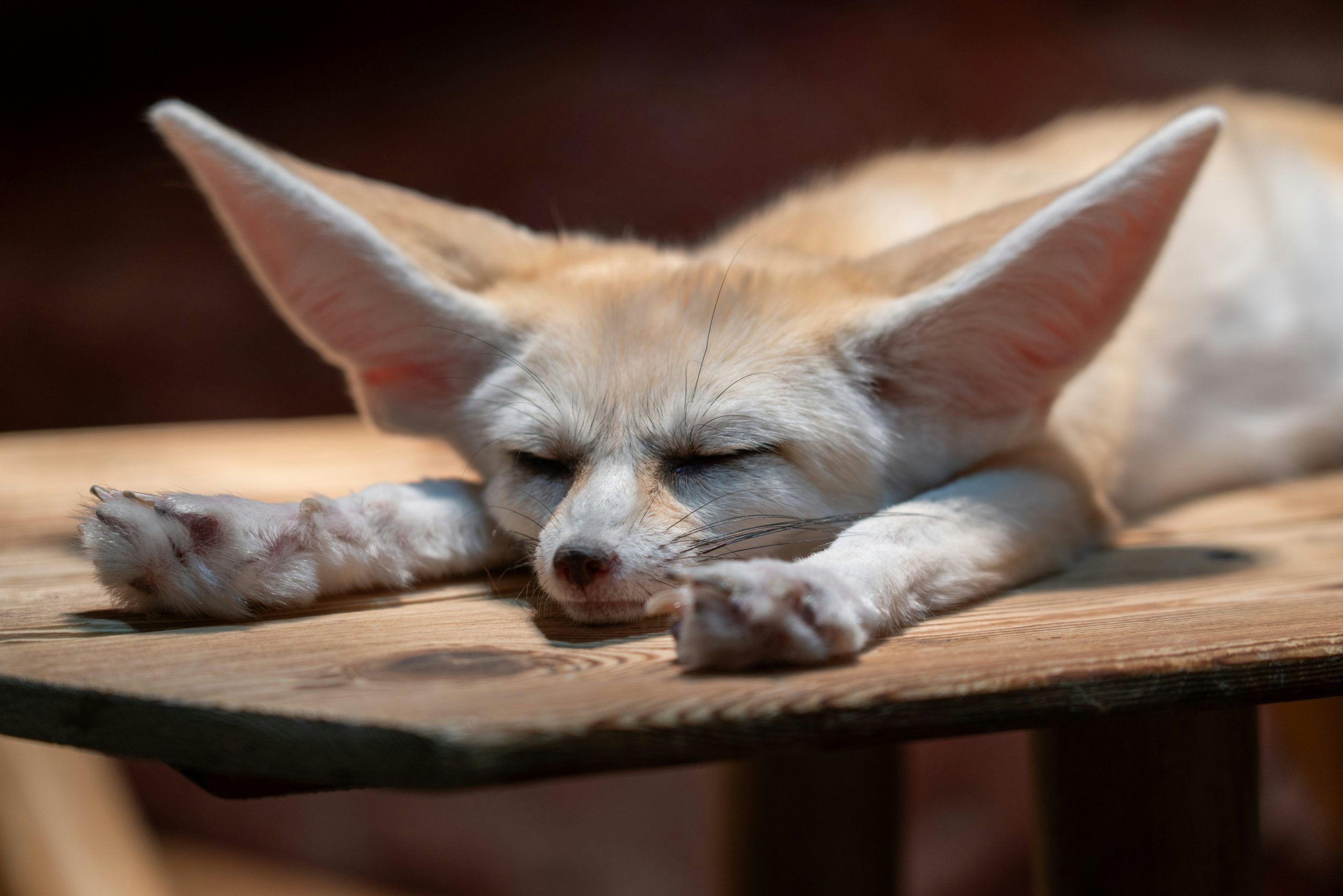
Fennec foxes communicate extensively through body language. Their oversized ears are particularly expressive, rotating to track sounds and folding back when frightened or aggressive.
A relaxed fennec will have forward facing ears and a loose body posture, while a stressed individual may have flattened ears, a low body position, or a tucked tail.
Social Behavior and Bonding
Fennec foxes are naturally very social animals that live in family groups in the wild. This social nature influences how they interact with human caretakers and other pets.
Bonding With Humans
Pet fennec foxes can form strong bonds with their primary caretakers, but this relationship develops differently than with dogs or cats.
Fennecs require extensive socialization from a young age to become comfortable with human handling. Even well-socialized individuals may never enjoy being held or cuddled the way traditional pets do.
Early handling and positive reinforcement are critical. Fennecs that aren’t properly socialized may become fearful, aggressive, or simply avoid human interaction entirely.
The bonding process requires extreme patience, as fennec foxes are naturally cautious and may take months to fully trust their owners.
Interaction With Other Pets
Introducing fennec foxes to other household pets requires careful consideration. Their prey drive can make them incompatible with small animals like rodents, rabbits, and birds.
With cats and dogs, relationships vary depending on individual temperaments and proper introductions.
Some fennec foxes can coexist peacefully with dogs and cats, especially if they’re raised together from a young age. However, their high energy and tendency to nip during play may overwhelm or annoy certain pets.
It’s important to note that some dogs could unintentionally harm (or even kill) a fennec fox. Supervision is always essential, as even seemingly friendly interactions can escalate quickly.
In some cases, fennec foxes may develop stronger bonds with other animals than with their human caretakers. Potential owners should be aware of this and prepared for the possibility that their fox may prefer the company of other pets over people.
Play Behavior and Exercise Needs
Fennec foxes are incredibly energetic animals with exercise requirements that surprise many prospective owners.
High Energy Play Sessions
These tiny foxes possess energy levels that seem disproportionate to their 2 to 4 pound body size. They engage in frenzied play sessions involving running, jumping, digging, and climbing.
A bored fennec fox will become destructive, anxious, and may develop behavioral problems.
Play behavior often includes:
- Zoomies: Sudden bursts of high speed running in circles or figure eights
- Pouncing: Stalking and leaping on toys, mimicking hunting behavior
- Wrestling: Rolling, tumbling, and play fighting with toys or trusted companions
- Object manipulation: Carrying, tossing, and hiding items around their environment
Mental Stimulation Requirements
Beyond physical exercise, fennec foxes require substantial mental enrichment. Puzzle feeders, rotating toy selections, and environmental complexity help prevent boredom.
Without adequate mental stimulation, fennecs may develop stereotypic behaviors like excessive pacing or repetitive movements.
Territory and Marking Behaviors
Fennec foxes have strong territorial instincts that manifest in ways many owners find challenging.
Scent Marking
Both male and female fennec foxes mark their territory. Males are particularly prone to territorial marking and may spray urine on vertical surfaces throughout their environment. This behavior is hormonally driven and often intensifies during breeding season.
Neutering or spaying can reduce but may not eliminate marking behavior, especially if performed after sexual maturity. Consistent territory establishment through consistent living spaces may help minimize marking in some individuals.
Resource Guarding
Fennecs may exhibit resource guarding behavior around food, favorite toys, or sleeping areas. This protective instinct stems from competition for resources in wild populations.
Proper training and ensuring abundant resources can help minimize guarding behaviors.
Feeding Behavior and Food Motivation
Food drives many fennec fox behaviors, making it a powerful tool for training and interaction.
Natural Feeding Patterns
In the wild, fennec foxes are omnivorous opportunists that consume insects, small vertebrates, eggs, plants, and fruits. This varied diet influences their feeding behavior as pets.
They’re highly food motivated and will enthusiastically investigate anything that might be edible.
Pet fennecs often display food related behaviors including:
- Food caching: Hiding food items for later consumption
- Rapid eating: Consuming meals quickly, reflecting competition in wild settings
- Foraging behavior: Searching extensively for scattered food items
- Selective eating: Choosing preferred foods first, which can lead to dietary imbalances if free-fed
Training Through Food Motivation
Fennec foxes have a strong food drive, which makes positive reinforcement training possible, but they are generally more challenging to train than dogs.
Short frequent training sessions are most effective, as fennecs have limited attention spans and a naturally independent temperament.
Unlike domesticated animals, they’re less motivated by a desire to please – so using high-value treats is key to keeping them engaged and responsive.
Sleep and Rest Patterns
Understanding fennec fox sleep behavior helps owners accommodate their unique schedules and prevent stress.
Nocturnal and Crepuscular Activity
Fennec foxes are naturally crepuscular, meaning they’re most active during the evening, night, and early morning hours. This natural rhythm, developed in the wild to avoid the desert heat, often continues in captivity—which can pose a challenge for owners who are expecting a daytime only companion.
While many pet fennec foxes may adjust somewhat to their owners’ routines and be active during the day, they rarely shift their natural schedule completely, and please keep in mind that forcing them to do so can cause stress and lead to behavioral problems.
Prospective owners must be prepared for nighttime activity, including movement, play behavior, and vocalizations while the rest of the household is trying to sleep.
Denning Behavior
Fennec foxes seek enclosed dark spaces for sleep, reflecting their burrow dwelling nature. Providing appropriate hiding spots is essential for their psychological wellbeing.
Without adequate den-like spaces, fennecs may experience chronic stress, leading to health and behavioral issues.
Grooming and Self-Care Behaviors
Fennec foxes are generally clean animals with specific grooming habits.
Self-Grooming
Like cats, fennec foxes spend considerable time grooming themselves. They use their teeth and paws to clean their fur, maintaining the coat’s insulating properties crucial for temperature regulation. Their grooming ritual includes cleaning their distinctive large ears, which require maintenance to prevent infection.
Bathing Requirements
Fennec foxes rarely require bathing and may find the experience highly stressful. Over-bathing can damage their coat’s natural oils and insulation properties.
Most fennecs will self-groom adequately, though occasional spot cleaning may be necessary.
Destructive Behaviors and Management
Prospective owners should be fully aware that fennec foxes can be highly destructive, especially in indoor or household settings. Proper preparation and fox-proofing is essential to be successful with this species.
Digging is one of the most common and instinctual destructive behaviors in pet fennec foxes. Their desert heritage plays a major role, and wild fennecs dig extensive burrows to escape extreme temperatures. This natural instinct persists in captivity, leading pet fennecs to dig at carpets, furniture, bedding, or anything that resembles soil or substrate.
Common Destructive Behaviors
- Chewing: Fennecs chew furniture, walls, baseboards, electrical cords, and virtually anything accessible
- Digging: They’ll dig through carpets, bedding, upholstery, and flooring
- Climbing: Their climbing abilities allow them to access counters, shelves, and other elevated surfaces
- Shredding: Paper, fabric, and soft materials are commonly torn apart during play
Prevention Strategies
Managing destructive behavior in fennec foxes requires owners to make modifications to their homes, rather than expecting the animal to change its natural instincts.
Fox-proofing involves removing and protecting items, providing appropriate outlets for natural behaviors, ensuring adequate exercise and enrichment, and accepting that some damage is inevitable.
Breeding Season Behavior Changes
Intact fennec foxes experience dramatic behavioral changes during breeding season, typically occurring in late winter through spring.
Hormonal Behavior Patterns
During breeding season, both males and females become more vocal, territorial, and aggressive.
Males increase scent marking significantly and may become aggressive toward perceived rivals, including human caretakers. Females experience estrus cycles that influence their behavior, potentially making them less tolerant of handling.
These seasonal changes can make even well-socialized fennecs challenging to manage. Many owners choose to spay or neuter their pets to minimize breeding related behaviors, but it’s important to keep in mind that the procedure doesn’t eliminate all hormonally driven actions.
Stress Signals and Fear Responses
Recognizing stress in fennec foxes prevents behavioral problems and protects their wellbeing.
Signs of Stress
Stressed fennec foxes may display flattened ears, excessive vocalization, pacing, loss of appetite, aggressive behavior, or excessive hiding.
Chronic stress can lead to health problems and permanent behavioral changes.
Fear Responses
When frightened, fennec foxes may freeze, attempt to flee, or defend themselves aggressively. Their fear responses are intense and, once triggered, can be difficult to reverse.
Gradual desensitization to stress triggers is essential, but some fennecs never fully overcome fear of specific stimuli.
Aggression and Bite Behavior
Fennec foxes possess sharp teeth designed for their omnivorous diet, and they will bite when frightened, playing, or establishing boundaries.
Bite Inhibition
Unlike domesticated dogs, fennec foxes have not been selectively bred for bite inhibition. They bite harder than many owners expect, and even play bites can unintentionally break skin.
Most fennec foxes are naturally gentle and will choose to flee rather than bite when frightened. Teaching gentle handling and interaction from a young age is important, as early socialization builds trust.
With older individuals, it can be more challenging to overcome fear based behaviors, and some may never fully stop nipping or biting.
Managing Aggressive Behavior
Aggression in fennec foxes usually stems from fear, territorial behavior, or inadequate socialization.
Punishment based training is ineffective and counterproductive, often increasing fear and aggression.
Instead, positive reinforcement, environmental management, and respecting the animal’s boundaries are most effective.
Litter Training Challenges
One of the most challenging aspects of fennec fox behavior is their limited capacity for reliable litter training.
Litter Box Behavior
Litter training success varies greatly between individual foxes.
Fennecs can be litter trained, but few owners report their foxes achieving the consistency of domestic cats. Most fennec foxes will use a litter box occasionally but still eliminate in other areas, especially when marking territory.
Owners who successfully litter train their fennec foxes typically start at a very young age, are consistently present to reinforce good habits, and dedicate time and effort to using positive reinforcement techniques.
Realistic Expectations
Fennec foxes can be very messy—fox owners must accept that fennec foxes will likely have accidents throughout their lives. This reality requires easy to clean flooring, waterproof barriers, and acceptance of occasional odors.
Those who are unwilling to manage ongoing elimination issues should reconsider fennec fox ownership.
Intelligence and Problem Solving
Fennec foxes demonstrate considerable intelligence, particularly regarding food acquisition and escape artistry.
Cognitive Abilities
These clever animals quickly learn to open latches, manipulate containers, and solve food puzzles. Their problem solving skills are impressive but often work against owner preferences, as they apply their intelligence to escape enclosures, access restricted areas, and obtain forbidden items.
Training Limitations
While intelligent, fennec foxes lack the domesticated dog’s desire to please humans. Training is possible through positive reinforcement and food motivation, but expectations must remain realistic.
They can learn commands and tricks, but will only perform these behaviors when motivated, not out of obedience.
Long Term Behavior Considerations
Fennec fox behavior remains relatively consistent throughout their 10 to 14 year lifespan, with some age related changes.
Behavioral Stability
Unlike puppies that mature into calmer adults, fennec foxes maintain high energy levels and wild instincts throughout life.
Their core behavioral traits don’t fundamentally change with age, though individual animals may become slightly more tolerant of handling or somewhat less energetic in senior years.
Lifespan Commitment
Their extended lifespan means committing to managing challenging behaviors for over a decade.
Fennec foxes rarely become “easier” pets with time, and some individuals actually become more difficult as they sexually mature and establish stronger territorial instincts.
Ideal Fennec Fox Owners
Understanding fennec fox behavior is the first step in determining whether these exotic animals suit your lifestyle.
Successful fennec fox ownership requires specific characteristics:
- Acceptance of wild animal behavior
- Tolerance for noise and mess
- Availability for nighttime activity periods
- Financial resources
- Ability to provide extensive space and daily enrichment
- Patience for limited trainability
- And commitment to over a decade of challenging pet ownership
Warning Signs You’re Not Ready
If you expect cute cuddle sessions like with cats, trainability comparable to dogs, reliable litter training, quiet household conditions, minimal property damage, or daytime activity schedules, a fennec fox is not an appropriate pet for you.
They’re Cute, but They’re Challenging
Fennec fox behavior reflects their wild heritage and desert adaptations, creating unique challenges for pet owners.
These captivating animals offer rewarding experiences for prepared, dedicated caretakers willing to accommodate their complex needs—but their their demanding nature, destructive tendencies, vocal habits, and limited trainability make them unsuitable for most households.
Before acquiring a pet fennec fox, it’s important to thoroughly research local regulations, identify exotic animal veterinarians in your area, connect with experienced fennec fox owners, evaluate your living situation honestly, and consider whether your lifestyle can genuinely accommodate this animals needs.
Understanding fennec fox behavior isn’t just about managing challenges—it’s about respecting these remarkable animals for what they are: beautiful, intelligent wild creatures that happen to tolerate life alongside humans.
For those truly prepared for the commitment, fennec foxes offer an extraordinary glimpse into exotic animal behavior and the privilege of caring for one of nature’s most enchanting desert dwellers.