What is Applied Ethology? A Guide to Animal Behavior Science
Step into the world of applied ethology — the science dedicated to understanding animal behavior and improving welfare. Explore the research methods behind the field, its real world impact across animal care and conservation, and the career paths open to those passionate about animal behavior.
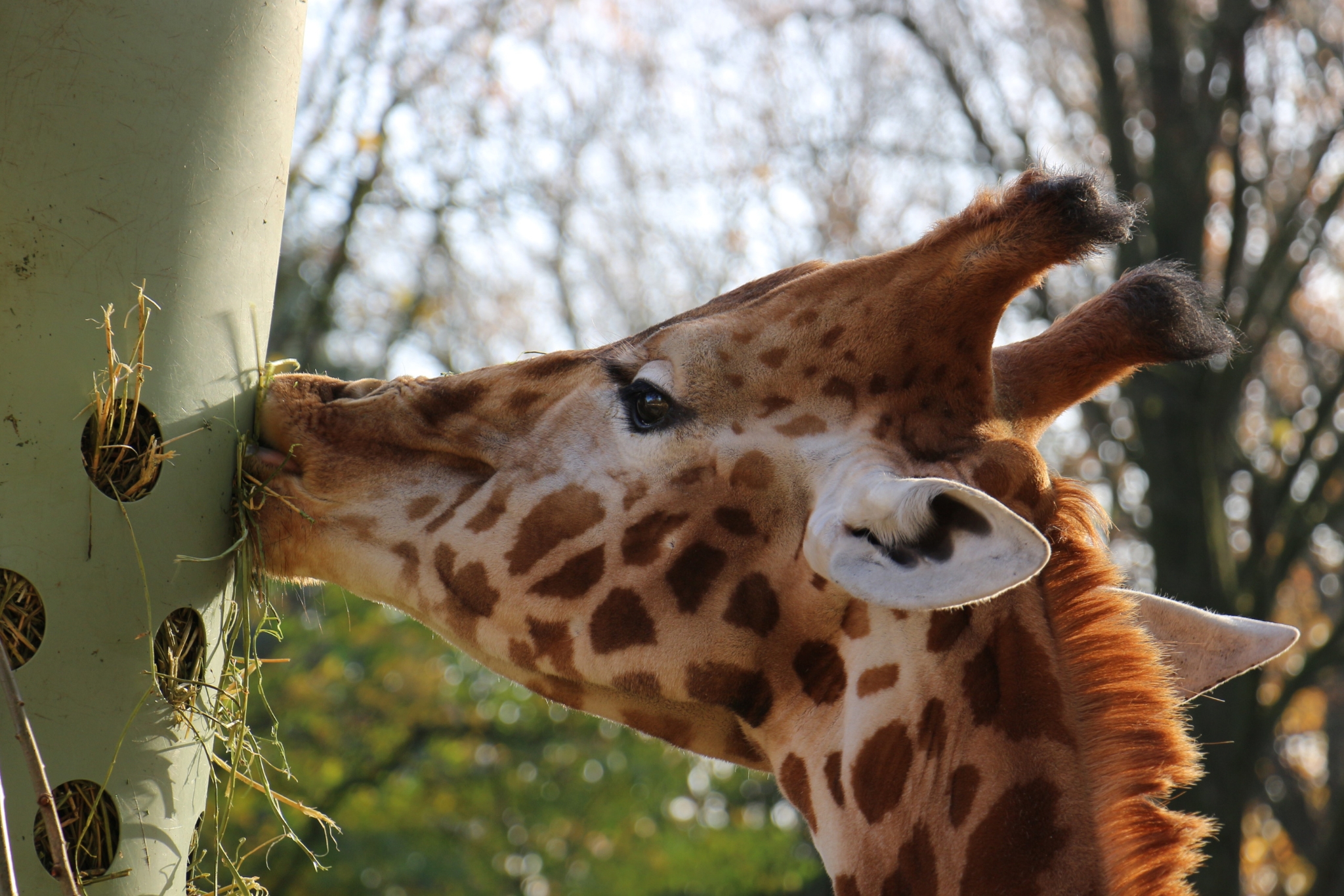
Applied ethology is the scientific study of animal behavior focused on practical applications that improve animal welfare, management, and human-animal interactions.
While traditional ethology examines animal behavior in natural settings, applied ethology takes these insights and uses them to solve real world problems in agriculture, conservation, companion animal care, and zoo management.
Understanding Applied Ethology
Applied ethology is a branch of behavioral science that uses knowledge about how animals naturally behave to address practical challenges in animal care and management.
This interdisciplinary field combines principles from biology, psychology, veterinary science, and animal husbandry to create evidence based solutions for animal welfare issues.
The field emerged as scientists recognized that understanding species specific behaviors is essential for creating appropriate living conditions for animals under human care. Today, applied ethologists work across diverse settings, from farms and zoos to research laboratories and private homes.
Core Principles of Applied Ethology
- Species Specific Behavior: Every species has evolved unique behavioral patterns adapted to their natural environment. Applied ethologists study these innate behaviors to ensure captive or domestic animals can express their natural repertoire.
- Behavioral Needs: Animals have fundamental behavioral requirements beyond basic physical needs like food and water. These include opportunities for social interaction, exploration, play, and species appropriate activities.
- Welfare Assessment: Applied ethology provides scientific methods for measuring animal welfare by observing behavior, identifying stress indicators, and recognizing signs of positive emotional states.
- Evidence Based Practice: Recommendations and interventions are based on rigorous scientific research rather than assumptions or tradition.
The 5 Domains Framework
Applied ethology uses the modern Five Domains Model, which provides a comprehensive, science based approach to assessing and improving animal welfare.
1. Nutrition
Ensures animals have access to a balanced diet and clean water that support optimal health, energy, and wellbeing.
2. Environment
Focuses on providing comfortable, safe, and enriching surroundings that protect animals from discomfort and environmental stressors.
3. Health
Addresses the prevention, early detection, and treatment of pain, injury, and disease to maintain physical vitality and comfort.
4. Behavior
Encourages opportunities for animals to express natural behaviors—such as foraging, play, and social interaction—within an environment that supports choice and control.
5. Mental State
Integrates the first four domains to promote positive emotions like contentment, curiosity, and security while minimizing fear, frustration, and distress.
The 5 Domains framework shifts the focus from simply avoiding harm to actively enhancing quality of life — ensuring animals can thrive, not just survive.
Key Areas
Farm Animal Welfare
Applied ethology has revolutionized how we understand and manage farm animals. Research in this area has led to:
- Improved housing systems that allow natural behaviors like dust bathing in chickens and rooting in pigs
- Better understanding of social structures in cattle, sheep, and poultry
- Development of humane handling techniques that reduce stress during transport and slaughter
- Design of enrichment programs that enhance quality of life for production animals
Applied ethologists have demonstrated that animals with better welfare often show improved productivity, challenging the false dichotomy between animal welfare and economic efficiency.
Companion Animal Behavior
For dogs, cats, and other pets, applied ethology helps:
- Identify and treat behavioral problems like aggression, anxiety, and compulsive disorders
- Develop positive training methods based on learning theory
- Design enrichment activities that prevent boredom and destructive behavior
- Improve breeding practices by selecting for temperament alongside physical traits
- Enhance the human-animal bond through better understanding of pet needs
Zoo and Captive Wildlife Management
Applied ethologists play a crucial role in modern zoological facilities by:
- Creating naturalistic environments that promote species typical behaviors
- Designing enrichment programs that provide cognitive and physical stimulation
- Managing social groups based on natural social structures
- Reducing stereotypic behaviors
- Supporting conservation breeding programs through behavioral expertise
Laboratory Animal Science
In research settings, applied ethology contributes to:
- Refinement of experimental procedures to minimize distress
- Development of housing that allows natural behaviors
- Creation of enrichment programs for laboratory species
- Training animals to cooperate with procedures (reduces stress)
- Establishment of humane endpoints and welfare assessment protocols
Research Methods
Behavioral Observation
Applied ethologists employ systematic observation techniques including:
- Ethograms: Detailed catalogs of all behaviors in a species’ repertoire, providing a foundation for quantitative analysis.
- Time Budgets: Recording how animals allocate time to different activities, allowing comparison between natural and captive conditions.
- Focal Sampling: Following individual animals for specific periods to gather detailed behavioral data.
- Scan Sampling: Taking instantaneous samples of group behavior at regular intervals.
Preference Testing
These experiments allow animals to “tell us” what they value by offering choices between different resources, environments, or options. For example, researchers might test whether hens prefer larger cages or those with specific furnishings.
Motivational Assessment
By measuring how hard animals will work for specific resources (such as pressing levers or navigating barriers), scientists can determine what animals consider most important for their welfare.
Physiological Measurements
Behavioral observations are often combined with physiological measures like:
- Cortisol levels (stress hormone)
- Heart rate variability
- Body temperature
- Immune function markers
Cognitive Testing
Modern applied ethology increasingly incorporates cognitive research to understand:
- Problem solving abilities
- Memory and learning capacity
- Emotional states and consciousness
- Individual differences in personality and coping styles
Real World Applications and Impact
Agriculture and Food Production
Applied ethology has transformed farming practices worldwide:
- Housing Innovations: Research on natural behavior has led to group housing systems for pregnant sows, furnished cages for laying hens, and improved dairy cow facilities that allow natural lying, walking, and social behavior.
- Handling Techniques: Applying ethological principles to livestock handling has reduced stress during transport and processing while improving worker safety and meat quality.
- Welfare Certification: Applied ethology provides the scientific foundation for welfare certification programs that help consumers make informed choices.
Conservation
Behavioral expertise contributes to species survival through:
- Pre-release training for captive bred animals
- Understanding behavioral barriers to reproduction
- Designing effective wildlife corridors based on movement patterns
- Reducing human-wildlife conflict through behavioral interventions
Veterinary Medicine
Applied ethology informs veterinary practice by:
- Distinguishing medical problems from behavioral issues
- Developing “Fear Free” veterinary handling techniques
- Creating behavioral wellness programs as part of preventive care
- Training veterinarians to recognize early signs of distress
Legislation and Policy
Scientific findings from applied ethology underpin:
- Animal welfare laws and regulations
- Standards for animal housing and care
- Ethical review processes for animal research
- International welfare standards and guidelines
Career Paths in Applied Ethology
Professionals in this field work in diverse settings:
- Academic Research: University based scientists conducting fundamental and applied research, often with joint appointments in animal science, veterinary medicine, or biology departments.
- Industry Consultants: Specialists advising agricultural companies, pet food manufacturers, or animal facility designers on welfare friendly practices.
- Zoo and Aquarium Scientists: Behavior specialists designing enrichment programs and managing animal welfare in zoological facilities.
- Animal Welfare Organizations: Scientists working for humane societies, SPCAs, or international welfare organizations to develop and promote best practices.
- Veterinary Behaviorists: Clinicians treating behavioral problems in companion animals using ethological principles.
- Government Agencies: Regulators developing and enforcing animal welfare standards and policies.
Current Trends and Future Directions
Technology Integration
Applied ethology increasingly uses advanced tools:
- Automated monitoring systems using artificial intelligence to track behavior 24/7
- Wearable sensors measuring activity, location, and physiological parameters
- Computer vision analyzing posture, gait, and facial expressions
- Big data analytics identifying patterns across large populations
Positive Animal Welfare
The field is shifting from preventing suffering to actively promoting positive experiences, studying behaviors like play, exploration, and anticipation that indicate good welfare.
Individual Differences
Recognition that animals have personalities and individual preferences is leading to more personalized approaches to care and management.
Cross Species Insights
Comparative research reveals common principles across species while respecting species specific needs, allowing knowledge transfer between fields.
Public Engagement
Applied ethologists increasingly communicate research findings to the public, empowering consumers and animal owners to make welfare informed decisions.
Challenges and Controversies
Applied ethology must navigate complex questions:
- Defining Welfare: Scientists debate whether welfare should be defined by biological functioning, emotional states, natural living, or some combination.
- Domestication Effects: Understanding how selective breeding has changed behavioral needs and whether domestic animals require different conditions than their wild ancestors.
- Practical Constraints: Balancing ideal conditions with economic realities and existing infrastructure.
- Cultural Differences: Addressing varying cultural attitudes toward animals while maintaining science based welfare standards.
How Science is Transforming Animal Care and Welfare
Applied ethology bridges the gap between understanding animal behavior and improving animal lives in practical settings. By grounding decisions in scientific evidence rather than assumptions, this field has transformed how we care for animals in agriculture, research, zoos, and homes.
As our knowledge of animal cognition, emotion, and welfare continues to expand, applied ethology will remain essential for ensuring that animals under human care can thrive physically and psychologically.
Whether you’re a farmer, pet owner, veterinarian, or simply someone who cares about animals, the insights from applied ethology provide valuable guidance for creating a world where human needs and animal welfare can coexist.
The future of applied ethology promises even greater integration of technology, deeper understanding of animal minds, and more sophisticated approaches to promoting positive welfare.
As we continue to share our world with billions of animals, the work of applied ethologists ensures that this relationship is guided by science, compassion, and respect for the behavioral needs of every species.