8 Best Livestock for Small Homesteads Which Animals Are Right for You?
What are the best livestock for small homesteads? Explore the top livestock options with space requirements, costs, and benefits. Expert tips for beginners raising chickens, goats, rabbits & more.
- What Makes Livestock Suitable for Small Homesteads?
- Chickens: The Gateway Livestock
- Rabbits: Quiet Protein Producers
- Goats: Versatile Small Ruminants
- Ducks: Eggs Plus Pest Control
- Quail: Maximum Production, Minimum Space
- Bees: Livestock That Flies
- Sheep: Small Flock Options
- Turkeys: Seasonal Meat Production
- Matching Livestock to Your Homestead
- Starting Small and Scaling Gradually
- The Starter Homestead Combination
- Infrastructure Before Animals
- Creating Integrated Systems
- Financial Considerations
- Common Mistakes to Avoid
- Seasonal Considerations
- Making Your Final Decision
- The Path Forward
- Ready to Add Livestock to Your Small Homestead?
Starting a small homestead is an exciting journey toward self sufficiency, and choosing the right livestock is one of the most important decisions you’ll make. Whether you’re working with a quarter acre or five acres, selecting animals that match your space, time, and goals will determine your success and enjoyment as a homesteader.
What Makes Livestock Suitable for Small Homesteads?
Before diving into specific animals, understanding what makes certain livestock suitable for limited spaces is crucial. The best small homestead animals share several key characteristics:
- Space efficiency matters most on compact properties. Animals that can thrive in smaller areas without compromising their welfare make ideal candidates.
- Low maintenance requirements mean you can manage your homestead without becoming overwhelmed, especially if you’re balancing other responsibilities.
- Multiple benefits from a single animal type maximize your return on investment, whether that’s eggs, meat, milk, or pest control.
- Temperament shouldn’t be overlooked. Docile and easy-to-handle animals make daily chores pleasant rather than stressful (particularly for families with children).
- Feed efficiency impacts both your budget and sustainability. Animals that convert feed to products effectively (or that can forage for much of their diet) keep costs manageable.
1. Chickens The Gateway Livestock
Chickens reign as the most popular small homestead animal for excellent reasons. A flock of 4 to 6 hens requires only about 40 square feet of coop space plus a small run, making them perfect for small properties.
Why Chickens Excel on Small Homesteads
Fresh eggs arrive daily once your hens reach laying age at around 20 weeks. A single hen typically produces 250 to 300 eggs annually (depending on species), meaning a small flock can easily supply a family’s egg needs with surplus for sharing or selling. Beyond eggs, chickens also provide valuable pest control by devouring bugs, beetles, and other garden nuisances while fertilizing your soil with nitrogen rich manure.
The startup costs remain reasonable. Expect to invest $300 to $500+ for a basic coop, feeders, waterers, and your initial flock. Monthly feed costs run approximately $20 to $30 for six hens, making chickens one of the most economical livestock choices.
Best Chicken Breeds for Homesteads
- Rhode Island Reds combine exceptional egg production with hardiness and adaptability to various climates. These rust colored birds handle both cold winters and hot summers while maintaining steady laying throughout the year.
- Buff Orpingtons win hearts with their gentle friendly nature (making them ideal for families). These large golden birds lay 200+ brown eggs annually and tolerate confinement well when free-ranging isn’t possible.
- Australorps hold world records for egg production and thrive in smaller spaces. Their calm temperament and black plumage add to their appeal for first time chicken keepers.
2. Rabbits Quiet Protein Producers
Rabbits represent an often overlooked livestock option that packs serious potential into minimal space. A breeding trio (one buck and two does) requires only about 20 square feet of hutch space, yet they can produce over 200 pounds of meat annually.
Advantages of Raising Rabbits
The silence factor makes rabbits perfect for urban and suburban homesteads where noise ordinances might prohibit roosters or larger livestock. Rabbits produce virtually no sound, keeping peace with neighbors while you build your food security.
Their reproduction rate is legendary. A single doe can have 5 to 6 litters per year with 6 to 8 kits per litter. This rapid reproduction means you can scale up quickly or maintain a sustainable harvest cycle year round. Another advantage of raising rabbits is that their manure is considered “cold,” meaning it can be applied directly to gardens without composting (offering instant fertilizing benefit).
Top Rabbit Breeds for Homesteading
- New Zealand Whites dominate meat rabbit production due to their fast growth rate, reaching processing weight of 5 pounds in just 8 to 10 weeks. Their white fur is also easier to process for those interested in pelts.
- Californians offer similar meat production with slightly better feed conversion ratios. Their distinctive white bodies with dark points make them easy to identify in colony settings.
- American Chinchillas provide a heritage breed option with excellent meat-to-bone ratios and beautiful pelts for crafters. They’re slightly smaller but make up for it with hardiness and longevity.
3. Goats Versatile Small Ruminants
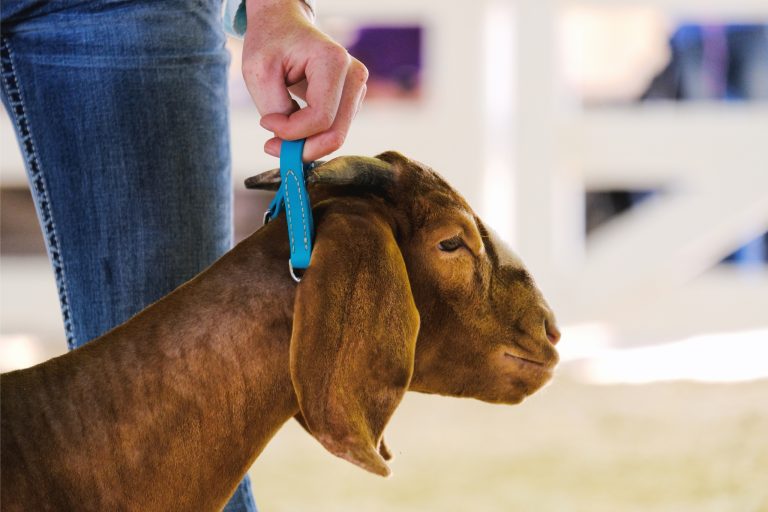
For homesteaders with at least half an acre, goats are an excellent option that provide milk, meat, land clearing, and endless entertainment. These intelligent and social animals require more space and infrastructure than chickens or rabbits but offer proportionally greater returns.
Benefits of Keeping Goats
A single dairy goat can produce 1 to 2 gallons of milk daily, providing your homestead with fresh milk, yogurt, cheese, and soap making opportunities. This productivity far exceeds what most small families can consume and can create potential income streams through product sales.
Goats excel at clearing overgrown land, consuming brush, weeds, and invasive species that other livestock ignore. This natural land management saves countless hours of mechanical clearing while improving pasture quality. Their manure also enriches the soil without the “hot” nitrogen concerns of chicken manure.
Best Goat Breeds for Small Properties
- Nigerian Dwarf Goats stand only 17 to 21 inches tall, making them perfect for limited spaces. Despite their small size, they produce surprisingly rich milk with high butterfat content that is ideal for making cheese. Their friendly personalities and manageable size also appeal to families and first time goat owners.
- Pygmy Goats serve dual purposes as both pets and meat animals. Slightly stockier than Nigerian Dwarfs, they thrive on small acreage and integrate well into family life. Their compact size means you can keep more goats per acre than standard breeds.
- Kinder Goats represent a medium sized dual purpose breed developed specifically for small homesteads. They provide both milk and meat in a package that doesn’t overwhelm limited space or infrastructure.
4. Ducks Eggs Plus Pest Control
Ducks deserve serious consideration alongside or instead of chickens. While they do require water access for optimal health, their benefits often outweigh this additional need.
Why Choose Ducks?
Duck eggs are larger and richer than chicken eggs, with higher protein and fat content that bakers particularly prize. Many people allergic to chicken eggs can consume duck eggs without issues, expanding your potential customer base if you sell surplus eggs.
The pest control advantages of ducks surpass even chickens. Ducks consume slugs, snails, and insect larvae with voracious appetites while causing less damage to the garden than chickens. Their natural foraging instincts also means that they require less supplemental feed when given access to ponds or muddy areas.
Top Duck Breeds for Homesteads
- Khaki Campbells rank among the world’s best egg layers, producing 250 to 340 eggs annually. These active foragers maintain lean body weight and rarely go broody, ensuring consistent production.
- Indian Runners present a unique upright posture and exceptional slug eating abilities. In vineyard regions, Runner ducks patrol between rows controlling pests without damaging crops. These birds lay 200 to 300 eggs yearly in various colors.
- Welsh Harlequins offer beauty, productivity, and calm temperaments in one package. These medium sized ducks lay 240 to 330 white eggs annually and develop more slowly than production breeds, making them suitable for meat production as well.
5. Quails Maximum Production, Minimum Space
For extreme space limitations, quail provide an astonishing return on investment. These tiny birds require only one square foot per bird, making them feasible in apartments or on balconies in many locations.
Quail Advantages
Japanese Coturnix quail begin laying eggs at just 6 to 8 weeks of age, reaching full production faster than any other poultry. A small flock of 10 hens produces 8 to 10 eggs daily during peak season, and quail eggs command premium prices at farmers markets and restaurants.
The complete silence of hens (only males make noise) eliminates neighbor concerns. Quail manure, while potent, can be easily managed in small quantities and makes excellent fertilizer when composted.
Quail Considerations
Quail are highly productive but fragile compared to chickens. They startle easily and can injure themselves by flying upward into cage tops. Proper housing with soft tops prevents injuries. Additionally, quail cannot be allowed to free range as they’ll simply fly away and cannot be reliably recalled like chickens.
6. Bees Livestock That Flies
Honeybees might not seem like traditional livestock, but they meet every criterion while requiring minimal ground space. A single hive occupies just 4 square feet yet produces 30 to 60 pounds of honey annually.
Benefits of Beekeeping
Beyond honey production, bees help pollinate your gardens and orchards, dramatically increasing fruit and vegetable yields. This pollination service alone can justify the investment. Bees also produce beeswax for candles, cosmetics, and wood conditioning, plus propolis valued for its antimicrobial properties.
The time investment is minimal compared to other livestock. Beehives require inspection only every 1 to 2 weeks during active season and minimal winter maintenance. This makes bees perfect for homesteaders with limited daily availability.
Getting Started with Bees
Initial costs run $300 to $500+ for a complete hive setup including bees, equipment, and protective gear. Many local beekeeping associations offer classes and mentorship programs that dramatically increase first year success rates. Many areas also provide subsidies or grants for new beekeepers due to pollinator conservation concerns.
7. Sheep Small Flock Options
For homesteads with 1 to 2 acres, a small flock of 3 to 5 sheep provides meat, wool, and exceptional land management. Hair sheep breeds that shed naturally eliminate shearing requirements (reducing both cost and labor).
Sheep Benefits
Sheep graze more selectively than goats, and help to improve pasture quality rather than decimating it. They convert grass into meat and fiber efficiently while their flock mentality makes them easier to manage than individualistic goats. Sheep also have a calming presence that many homesteaders find therapeutic.
Best Sheep for Small Homesteads
- Katahdin sheep are hair sheep requiring no shearing (bred specifically for meat production). They’re parasite resistant, adaptable to various climates, and lamb easily without assistance. Their medium size suits small properties.
- Babydoll Southdown sheep stand only 18 to 24 inches tall, making them ideal for limited spaces. Originally developed as living lawnmowers in English orchards, they excel at pasture maintenance while producing high quality wool.
- Shetland sheep are small, hardy, and produce beautiful wool in various natural colors prized by handspinners. They thrive on marginal land and require minimal inputs while providing both meat and fiber.
8. Turkeys Seasonal Meat Production
Heritage turkeys offer an alternative to chickens for meat production. While they require more space, their larger size means processing fewer birds for the same meat quantity.
Turkey Advantages
Heritage breed turkeys can reproduce naturally unlike commercial breeds, allowing you to maintain a breeding flock. They forage extensively, reducing feed costs significantly when given adequate range. Turkeys also provide impressive pest control, consuming grasshoppers, ticks, and other insects.
A single turkey produces 10 to 25 pounds of meat depending on breed and age, with rich flavor that surpasses conventional supermarket birds. This makes them ideal for homesteaders focusing on seasonal meat production rather than year round egg laying.
Recommended Turkey Breeds
- Bourbon Reds combine beautiful reddish plumage with good meat production and foraging abilities. They mature more slowly than commercial breeds, developing richer flavor as they reach 20 to 30 pounds.
- Narragansetts are cold hardy birds that are excellent for northern climates. Their calm temperament and strong maternal instincts make them easier to manage than more flighty breeds.
Matching Livestock to Your Homestead
Selecting the right animals requires honest assessment of your situation and property. Start by evaluating your available space, time commitment, local regulations, and personal goals.
Space Considerations
- Quarter acre properties can house chickens, rabbits, quail, and bees without crowding.
- Half acre homesteads can add ducks or small goat breeds.
- Full acre properties open the possibility for sheep or small turkey flocks.
Always provide more space than minimum requirements to reduce stress and disease transmission.
Time Investment Reality
- Chickens and ducks require 15 to 30 minutes daily for feeding, watering, and egg collection.
- Rabbits need similar time but also need a more intensive hutch cleaning each week.
- Goats and sheep need 30 to 60 minutes daily plus additional time for hoof trimming, health checks, and breeding management.
- Bees require the least daily commitment but need knowledge and skill for successful management.
Climate Adaptation
Your local climate dramatically affects your livestock success. Cold hardy breeds matter in northern regions, while heat tolerance is essential in southern areas. Research which breeds thrive in your specific conditions rather than forcing animals to adapt to unsuitable environments.
Legal Considerations
- Urban and suburban zoning often restricts livestock types and numbers. It’s important to research all local laws and ordinances before purchasing animals.
- Many areas allow hens but prohibit roosters due to noise.
- Rabbits often fall under “pet” laws rather than livestock regulations.
- Bees face increasing restrictions in urban areas despite their benefits.
Starting Small and Scaling Gradually
It’s easy to get excited and take on more than you can realistically manage—but keep in mind that the most successful homesteaders typically start with just one or two animal species, master their care, and then gradually expand as their experience grows.
This approach helps prevent overwhelm while allowing you to build the skills, confidence, and infrastructure needed for long term success.
The Starter Homestead Combination
A proven starting point combines chickens for eggs and rabbits for meat. This pairing provides diverse protein sources, fits on small properties, and teaches essential livestock management skills. All together, the initial investment runs about $500 to $800 with monthly feed costs averaging $40 to $60.
Once comfortable with basic animal husbandry, try adding bees for pollination and sweetness, or ducks if you have water features.
After a full year of successful management, consider adding goats or sheep if space permits.
Infrastructure Before Animals
It is important that you build all housing/pens before bringing any animals home. Predator proof coops and hutches prevent heartbreak and loss. Proper fencing saves endless frustration chasing escaped animals. Water systems that don’t freeze in winter and stay cool in summer reduce daily labor.
Budget more for infrastructure than you initially think is necessary. By having quality construction now, you prevent expensive repairs and replacements later. Many homesteaders regret building too small or too cheap, then having to rebuild within a year or so.
Creating Integrated Systems
The most productive small homesteads integrate livestock with gardens and orchards, creating closed loop systems where waste from one element feeds another.
Chickens in the Garden
Rotating chickens through garden beds in portable tractors helps to control pests, adds fertility, and prepares beds for planting. The chickens get fresh forage while your garden benefits from their scratching and fertilizing. This system reduces both feed costs and garden inputs.
Manure Management
All livestock produce manure, and proper management transforms waste into a valuable soil amendment.
- Chicken manure must be composted or aged before garden application due to high nitrogen content.
- Rabbit manure can go directly into gardens.
- Goat and sheep manure benefit from composting but won’t burn plants if used fresh.
Water Conservation
Ducks and geese can utilize pond systems that grow aquatic plants and support fish, creating a multi-level food production system from the same water source.
Goat and rabbit water runoff can irrigate gardens and orchards, cycling nutrients through the system.
Financial Considerations
Homestead livestock can save money on food purchases while generating potential income. However, realistic financial planning prevents disappointment.
Startup Costs by Animal
- Chickens: $300 to $500 for coop, fencing, initial flock
- Rabbits: $200 to $400 for hutches, breeding trio
- Goats: $800 to $1,500 for shelter, fencing, starter pair
- Ducks: $250 to $450 for housing, pond setup, flock
- Bees: $300 to $500 for hive, equipment, bees
- Quail: $150 to $300 for cages, breeding group
Ongoing Expenses
- Feed typically costs $15 to $40 monthly per species depending on flock size and local feed prices.
- Veterinary care and medications add $50 to $200+ annually per species.
- Equipment replacement and repairs require budgeting $100 to $1,000+ yearly.
Income Potential
- Surplus eggs sell for $4 to $8+ per dozen (depending on your market).
- Meat rabbits bring $20 to $30 each processed.
- Goat milk products command premium prices at farmers markets.
- Honey sells for $8 t0 $15 per pound.
* Keep in mind that income reliability varies seasonally and with local market conditions.
Common Mistakes to Avoid
Learning from others’ mistakes can help to accelerate your success. These pitfalls catch most beginning homesteaders:
Overestimating Time Availability
Livestock require daily attention without vacation days. Even “low maintenance” animals need feeding, watering, and health monitoring on a daily basis. Ensure you have backup help for when life interferes. Many homesteaders burn out by starting with too many animals too quickly.
Underestimating Predator Pressure
Raccoons, foxes, weasels, hawks, and neighborhood dogs pose constant threats. Every homesteader has predator loss stories. Invest in proper fencing and housing from the start. Hardware cloth over chicken wire, buried fence barriers, and secure locks prevent most losses.
Impulse Purchasing
Cute baby animals grow into adults requiring years of care. Research breeds thoroughly before purchasing. Understand mature size, temperament, and specific needs. Buy from reputable breeders who provide support and health guarantees rather than cheap stock from unknown sources.
Neglecting Local Networks
Experienced homesteaders in your area provide invaluable knowledge about what works locally. Join homesteading groups, visit local farms, and build relationships with veterinarians before emergencies arise. This community becomes essential for troubleshooting, equipment sharing, and moral support.
Seasonal Considerations
Livestock needs vary throughout the year. Planning for seasonal changes prevents crisis management.
Winter Preparations
- Cold climates require insulated housing without drafts.
- Water heaters prevent freezing.
- Feed requirements increase as animals expend energy staying warm.
- Shorter days reduce egg production in chickens and ducks without supplemental lighting.
Summer Management
- Heat stress can kill animals quickly. Ensure adequate shade, ventilation, and cool water access.
- Some breeds handle heat poorly and require additional cooling measures like misters or fans.
- Parasite pressure increases in warm and humid conditions requiring vigilant monitoring.
Breeding Seasons
- Most livestock naturally breed seasonally, but some domestic breeds can produce year round.
- Plan breeding to align with optimal weather for birthing and raising young.
- Spring kids and lambs can take advantage of fresh pasture growth.
- Fall breeding means less hands-on management during busy garden season.
Making Your Final Decision
The best livestock for your homestead aligns with your goals, resources, and lifestyle. No single answer suits everyone.
Questions to Guide Your Choice
- What products do you want most: eggs, meat, milk, or fiber?
- How much time can you realistically commit every single day?
- What animal sitters or backup systems exist for vacations or emergencies?
- Does your property have adequate space and appropriate shelter?
- Are you comfortable with eventual processing of animals for meat?
The Path Forward
Your journey toward self sufficiency begins with a single animal. Research thoroughly, prepare properly, then take that exciting first step.
Small livestock on your homestead connects you with food sources while teaching responsibility, biology, and sustainability. The animals you choose become part of your daily rhythm, providing purpose and productivity.
Whether you start with a few backyard chickens or diversify across multiple species, having livestock on your homestead transforms your property into a living and productive ecosystem.
Ready to Add Livestock to Your Small Homestead?
- Researching local regulations and connect with other homesteaders.
- Start with animals that excite you the most. Passion will help sustain you through learning curves and setbacks.
- Begin small with quality stock from reputable sources.
- Focus on learning proper care before expanding.
- Build infrastructure thoughtfully with future growth in mind.
The rewards of fresh eggs, healthy meat, rich milk, or golden honey await, along with the profound satisfaction of providing for your family through your own efforts.