Can Parrots Eat Grapes? What Every Bird Owner Must Know
Get expert answers on grape safety, nutritional benefits, serving sizes, and feeding tips for budgies, cockatiels, large parrots, and more.
- The Short Answer
- Nutritional Benefits
- Red Grapes vs. Green Grapes: Which Are Better For Parrots?
- How to Safely Serve Grapes to Your Parrot
- How Many Grapes Can Parrots Eat?
- Potential Concerns and Precautions
- Can Parrots Eat Raisins?
- Other Parrot Safe Fruits
- Signs Your Parrot Enjoys Grapes
- Incorporating Grapes into Training and Enrichment
- Ready to Share Grapes with Your Parrot?
If you’re a parrot owner wondering whether grapes are safe for your feathered friend, you’re asking the right question.
Grapes are a popular treat for pet parrots, but knowing how to serve them safely is essential for your bird’s health and wellbeing.
The Short Answer
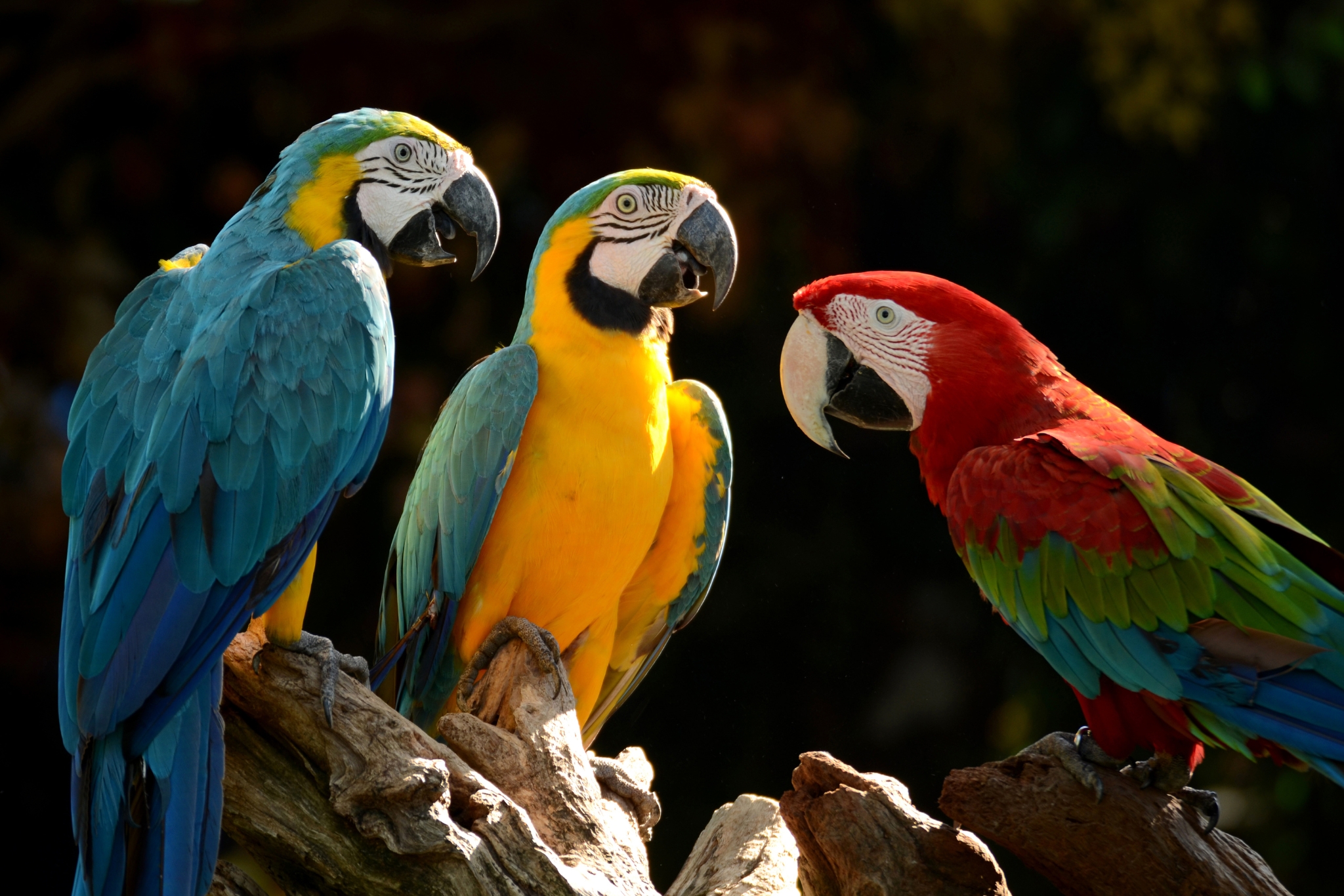
Parrots can safely enjoy grapes, and most species love them! These sweet juicy fruits make a tasty treat for birds of all sizes – from small budgies and cockatiels to large macaws and African greys.
Grapes are not only safe but also provide beneficial nutrients that can support a balanced avian diet.
Nutritional Benefits
Grapes offer several nutritional advantages that make them a worthwhile addition to your parrot’s diet:
- Vitamins and Minerals: Grapes contain vitamin C, which supports immune function, and vitamin K, which plays a role in blood clotting and bone health. They also provide small amounts of B vitamins that help with energy metabolism.
- Antioxidants: Grapes are rich in antioxidants, particularly resveratrol and flavonoids, which help protect cells from damage and support overall health. These compounds may contribute to cardiovascular health and reduce inflammation.
- Hydration: With their high water content (approximately 80%), grapes can help keep parrots hydrated (especially during warmer months).
- Natural Sugars: The natural sugars in grapes provide a quick energy source, making them an appealing and palatable treat that can be used for training or bonding.
Red Grapes vs. Green Grapes Which Are Better For Parrots?
Both red and green grapes are safe for parrots to eat. Red and purple grapes typically contain slightly higher levels of antioxidants due to their colored pigments, but the nutritional difference is minimal.
The most important factor is choosing fresh, high quality grapes regardless of color.
Many parrot owners report that their birds show preferences for one color over another, so feel free to experiment to see which type your parrot prefers.
How to Safely Serve Grapes to Your Parrot
While grapes are safe, following these preparation guidelines ensures your parrot gets the maximum benefit:
- Wash Thoroughly: Always wash grapes thoroughly under running water to remove pesticides, dirt, and potential contaminants. Grapes are often treated with pesticides, so proper washing is very important. Consider buying organic grapes when possible to minimize chemical exposure.
- Cut for Safety: For smaller parrots like budgies, lovebirds, and parrotlets, cut grapes into halves or quarters. Larger parrots like macaws and cockatoos can typically handle whole grapes, but cutting them in half can make them easier to eat and reduces mess.
- Remove Seeds When Necessary: Grape seeds are not toxic to parrots and most birds can handle them without issue. However, for very small parrots, you may want to choose seedless varieties or remove seeds from seeded grapes to make eating easier.
- Serve Fresh: Only offer fresh grapes and remove any uneaten portions after a few hours to prevent spoilage and bacterial growth.
How Many Grapes Can Parrots Eat?
Moderation is key when feeding grapes to parrots. While grapes are healthy, they’re also high in natural sugars, which means they should be offered as a treat rather than a dietary staple.
General Feeding Guidelines
- Small parrots (budgies, cockatiels, lovebirds, etc.): 1 to 2 grapes per day
- Medium parrots (conures, Quakers, small Amazons, etc.): 2 to 3 grapes per day
- Large parrots (African greys, Amazons, macaws, etc.): 3 to 5 grapes per day
Fruits should comprise approximately 10% to 15% of your parrot’s total diet, with the majority consisting of high quality pellets (60% to 70%) and vegetables (20% to 25%), along with small portions of healthy seed and nut varieties.
Potential Concerns and Precautions
- Sugar Content: The primary concern with feeding grapes is their high natural sugar content. Excessive sugar consumption can lead to obesity, fatty liver disease, and other health problems in parrots. Always offer grapes in moderation as part of a varied diet.
- Pesticide Residue: Grapes consistently rank high on lists of produce with pesticide residues. Thoroughly washing or choosing organic grapes helps minimize this risk.
- Choking Hazard: For smaller birds, whole grapes can potentially pose a choking risk. Always adjust portion sizes appropriately for your parrot’s size.
- Digestive Issues: Introducing any new food too quickly can cause digestive upset. Start with small amounts and monitor your parrot’s droppings for any changes.
Can Parrots Eat Raisins?
Yes, parrots can eat raisins, but they should be offered even more sparingly than fresh grapes. The dehydration process concentrates the sugars, making raisins much higher in sugar content per serving. Additionally, some commercially dried fruits contain added sugars or preservatives that aren’t suitable for parrots.
If you offer your parrot raisins, make sure they’re unsweetened with no added ingredients, and limit portions to just one or two raisins occasionally.
Other Parrot Safe Fruits
Grapes are just one of the many fruits you can safely offer your parrot. A varied diet is important for optimal nutrition. Other parrot-safe fruits include:
- Apples (always remove seeds)
- Bananas
- Berries (strawberries, blueberries, raspberries, etc.)
- Melons
- Mangoes
- Papayas
- Kiwi
- Pomegranate
Signs Your Parrot Enjoys Grapes
Most parrots show enthusiasm for grapes through various behaviors. You might notice your parrot eagerly reaching for the grape, making excited vocalizations, or performing a happy dance. Some parrots will prioritize grapes over other foods when given a choice.
The playful texture of grapes also provides enrichment as parrots enjoy manipulating and squishing them with their beaks and feet.
Incorporating Grapes into Training and Enrichment
Grapes make excellent positive reinforcement training rewards due to their high palatability. Their size and juiciness make them particularly motivating for many parrots.
For enrichment, try freezing grapes for a refreshing summer treat, threading them on skewers with other fruits and vegetables, or hiding them in foraging toys to encourage natural searching behaviors.
Ready to Share Grapes with Your Parrot?
Grapes are a safe, nutritious, and enjoyable treat for parrots when offered in appropriate amounts. They provide valuable hydration, antioxidants, and vitamins while serving as a high value reward for training and bonding.
The key to successfully incorporating grapes into your parrot’s diet is moderation, proper preparation, and variety.
Always wash grapes thoroughly, cut them to appropriate sizes for your parrot’s species, and limit portions to prevent excessive sugar intake.
Combined with a balanced diet of pellets, vegetables, and other healthy foods, grapes can be a delightful addition to your parrot’s nutritional routine.
Remember that every parrot is an individual with unique preferences and dietary needs. If you have concerns about your specific parrot’s diet or notice any adverse reactions to new foods, consult with an avian veterinarian for personalized guidance.
Happy feeding, and enjoy watching your feathered companion savor this delicious and healthy treat!