
What Is a Zoologist? Salary, Education & Job Outlook
Turn your passion for animals into a career! Discover what a zoologist does, salary expectations, education requirements, and career paths.
- What Is a Zoologist? The Basics, but Make It Fun
- What Does a Zoologist Do? Daily Responsibilities and Tasks
- Types of Zoologists: Specializations in the Field
- Education Requirements: How to Become a Zoologist
- Essential Skills Every Zoologist Needs
- Where Do Zoologists Work? Exploring Career Settings and Opportunities
- Zoologist Salary and Job Outlook
- Pros and Cons of Being a Zoologist
- Is a Career in Zoology Right for You?
- Starting Your Zoology Journey Today
Ever wondered who studies why elephants mourn their dead, how octopuses change colors like living mood rings, or what inspires wolves to howl under the stars?
Spoiler: that’s the magic of zoologists.
If you’re the type who gets sucked into every wildlife documentary or reads every single zoo placard like it’s a gripping novel, there’s a good chance zoology has been quietly calling your name.
Let’s break down what zoologists actually do, how people become one, and whether this wild and wonderful career path fits the future you’re dreaming about.
What Is a Zoologist? The Basics, but Make It Fun
A zoologist is a scientist devoted to studying animals – their behavior, physiology, genetics, evolution, and how they fit into their ecosystems.
Think of them as the ultimate wildlife detectives, piecing together clues about how animals live, communicate, survive, and adapt.
Zoologists work everywhere animals exist:
- In the Wild: Observing species in rainforests, savannas, oceans, deserts, even your local nature reserve.
- In Labs: Studying DNA, running experiments, or analyzing data.
- In Conservation: Helping protect endangered species and restore habitats.
Long story short? Zoologists are the lucky humans who built entire careers around their fascination with wildlife. They’re the “get paid to study animals” people we all envied as kids… and honestly, still do.
What Does a Zoologist Do Daily Responsibilities and Tasks
So, what exactly does a zoologist do all day? The truth is, no two zoologists have the same routine!
Their daily tasks depend on their specialty, work environment, and the species they study. But here’s a fun, behind the scenes look at what the job often involves:
Field Research and Observation
For many zoologists, the great outdoors is their office. This can mean:
- Tracking migration routes using GPS
- Observing courtship rituals, feeding habits, or parental care
- Monitoring population sizes or mapping territories
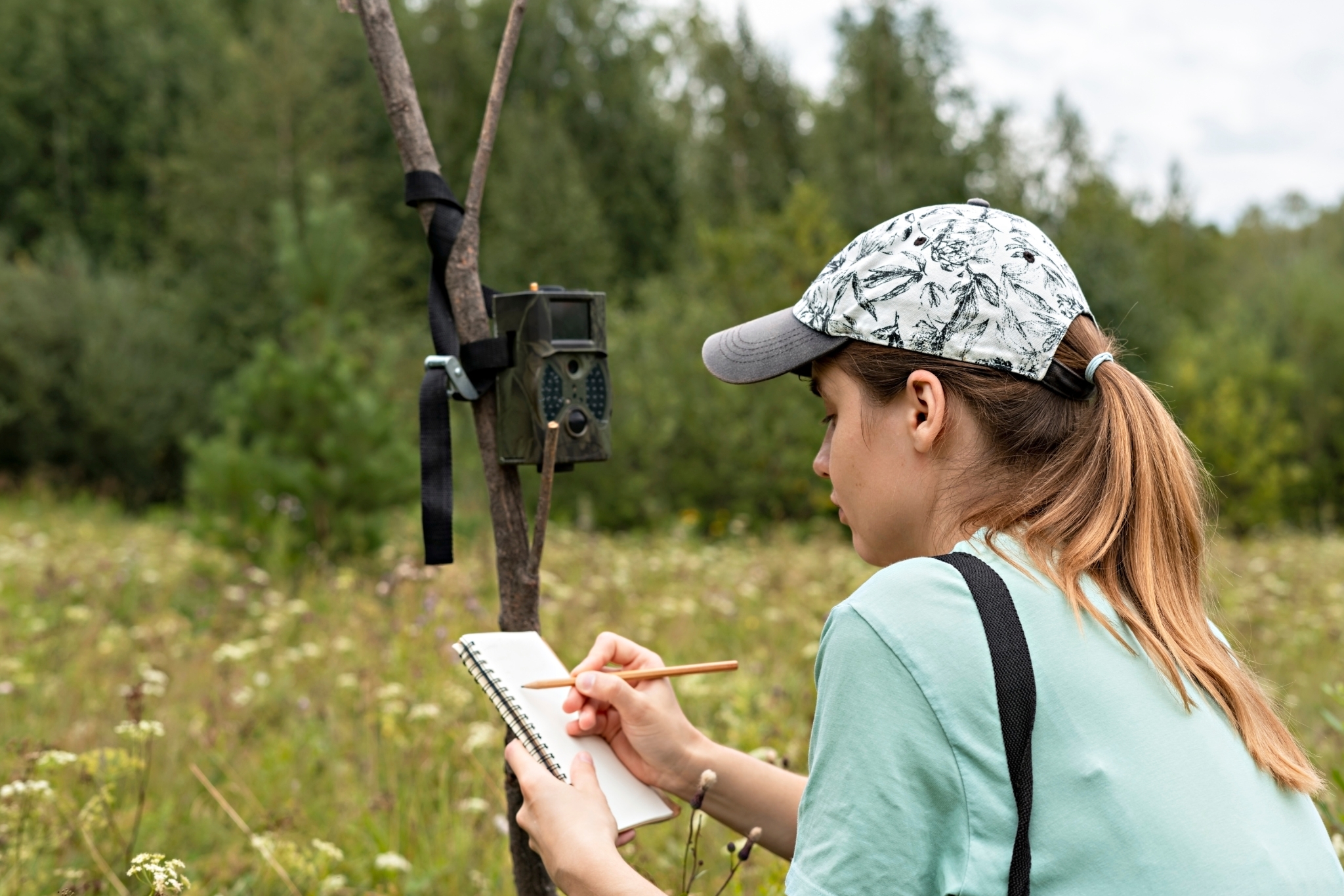
- Setting camera traps to capture elusive species
- Collecting environmental samples like soil, water, or scat
And yes… you might find yourself in rainforests, savannas, deserts, oceans, wetlands, or even your local urban green spaces. Fieldwork can be thrilling, messy, exhausting, and completely unforgettable.
Laboratory Work and Analysis
Zoology isn’t always muddy boots and binoculars! Many zoologists spend a good chunk of time in the lab, doing things like:
- Analyzing DNA to understand genetics, evolution, and disease
- Studying animal tissues under microscopes
- Analyzing hormone levels to track how animals react to new environments, enrichment, or social situations
- Overseeing breeding programs for endangered or threatened species
- Using high-tech tools like spectrometers, thermal cameras, or behavioral software
Lab work helps answer deep questions that field observations alone can’t solve.
Data Collection and Research
Zoologists are data people. And they collect lots of it.
A big part of zoology is turning raw observations into meaningful scientific insights. To do this, they gather huge datasets using tools such as field surveys, experiments, camera traps, acoustic monitors, and GPS trackers.
Then comes the detective work – using statistical software and modeling tools to:
- Identify patterns in behavior
- Track population health
- Predict how species might respond to environmental changes
- Understand ecological relationships
Conservation and Wildlife Management
Many zoologists work on the frontlines of conservation. Their tasks may include:
- Designing recovery plans for endangered species
- Restoring damaged habitats
- Helping reintroduce species back into the wild
- Managing human–wildlife conflicts
- Advising national parks, wildlife agencies, and conservation NGOs
They’re the people making sure ecosystems stay balanced and species survive for future generations.
Education and Communication
These professionals aren’t just scientists, they’re storytellers too! Good communication helps turn scientific knowledge into real world change. Zoologists often:
- Publish research papers
- Present findings at scientific conferences
- Create educational programs for schools or zoos
- Consult with government officials or environmental groups
- Talk to the media or the public about wildlife issues
Types of Zoologists Specializations in the Field
Zoology is amazingly diverse – there’s truly a niche for every kind of animal lover. Whether you’re obsessed with fluffy mammals or fascinated by underwater worlds, there’s a specialization that fits your vibe. Here are some of the most popular (and seriously cool) branches of zoology:
1. Mammalogists
These scientists focus on mammals – everything from tiny shrews to majestic whales. They study behavior, evolution, ecology, reproduction, and even conservation strategies for some of the world’s most beloved species.
2. Ornithologists
Bird lovers, this is your moment. Ornithologists study all things avian: migration, nesting behavior, plumage, communication, and conservation. If you’ve ever geeked out over bird songs or wanted to track a hawk’s flight path, this might be your dream job.
3. Herpetologists
Herpetologists are the reptile and amphibian experts. Think snakes, lizards, turtles, frogs, and salamanders. They work with some of the planet’s most misunderstood (and often incredibly endangered) species.
4. Entomologists
Insects make up most of the animal kingdom… so entomologists basically study the tiny creatures that rule the world. From butterflies to beetles to bees, these scientists explore insect behavior, ecology, and their massive impact on ecosystems.
5. Marine Biologists
If the ocean calls your name, marine biology might be your match. These zoologists study everything from coral reefs and plankton to dolphins, seals, and sharks. It’s a field filled with discovery since so much of the ocean remains unexplored!
6. Wildlife Biologists
Wildlife biologists manage wild animal populations and the habitats they depend on. They develop conservation plans, track population trends, advise governments, and often work in national parks or nature preserves.
7. Ethologists
Ethologists focus on animal behavior and why animals do what they do. They study communication, problem solving, social dynamics, and emotional responses. It’s perfect for anyone curious about the psychology behind behavior.
And So Many More!
Additional specializations include:
- Ichthyologists – fish
- Primatologists – primates like apes and monkeys
- Parasitologists – parasites & host relationships
- Paleozoologists – ancient animals and fossils
- Zoo Biologists – animal care and management
Each branch of zoology comes with its own unique challenges, fieldwork styles, and research opportunities – so you can truly follow your passion and find your perfect fit.
Education Requirements How to Become a Zoologist
So… you’re ready to make zoology your thing? Love that for you. Here’s the academic roadmap to turning your passion for animals into a real career:
Bachelor’s Degree (Your Starting Point)
To break into the field, you’ll need a bachelor’s degree in zoology, biology, wildlife biology, ecology, or a closely related science.
Your coursework will typically include:
- General biology
- Chemistry (yes, you’ll need it!)
- Physics
- Statistics and math
- Ecology and conservation science
- Genetics
- Animal anatomy & physiology
Many programs even offer field labs, where you might spend weekends tracking wildlife or learning how to properly handle research equipment. It’s where the fun really begins!
Master’s Degree (Your Specialization Era)
While some entry level jobs exist for bachelor’s grads, most zoologists level up with a master’s degree.
This extra two years allows you to:
- Specialize in the area you’re obsessed with
- Conduct your own research
- Work closely with professors on real world projects
- Gain a competitive edge for better jobs
Want to study wolves? Coral reefs? Octopuses? This is where you narrow down your focus.
Doctoral Degree (Ph.D. Powerhouses Only)
If you dream of becoming a lead researcher, university professor, or senior conservation scientist, you’ll likely need a Ph.D.
This chapter involves:
- Several years of advanced coursework
- Designing and running original research
- Publishing scientific papers
- Writing (and defending!) your dissertation
It’s intense, but incredibly rewarding if you want to push scientific boundaries.
Real World Experience (Non-Negotiable!)
Here’s the secret sauce: experience matters just as much as degrees.
To truly stand out, you’ll want to rack up hands-on work such as:
- Internships at zoos, aquariums, or research labs
- Volunteering at wildlife rehabilitation centers
- Field technician jobs
- Undergraduate or graduate research assistant positions
- Study abroad field programs
Employers want proof you can actually work with animals… not just ace exams.
Essential Skills Every Zoologist Needs
Being a zoologist isn’t just about loving animals (though that helps a lot!). To truly thrive in this career, you’ll want to build a mix of practical, mental, and interpersonal skills:
- Keen Observational Skills: Animals don’t always make it obvious when something’s up. Spotting subtle changes in behavior or environment can make all the difference in research.
- Critical Thinking & Problem Solving: Whether designing experiments, analyzing data, or figuring out why a population is declining, you’ll need sharp reasoning to make sense of complex situations.
- Physical Stamina: Fieldwork can be tough! Think hiking with gear through forests, wading in rivers, or enduring hot, cold, or rainy conditions… all in the name of science.
- Communication Skills: From writing research papers to giving talks or explaining findings to the public, being able to communicate clearly is key.
- Patience & Persistence: Animals don’t follow schedules, and research can be slow. Sticking with it through setbacks is part of the job.
- Technical Proficiency: GPS devices, camera traps, lab equipment, and data analysis software are all tools you’ll likely use – so being tech savvy is a huge bonus.
In short: zoologists need brains, brawn, and a whole lot of curiosity. If you love puzzles, adventure, and animals, this career could be your perfect fit.
Where Do Zoologists Work? Exploring Career Settings and Opportunities
Zoologists have the incredible fortune of being able to work almost anywhere animals exist, or are being studied! Here’s a snapshot of common career settings:
- Universities & Colleges: Teach the next generation of wildlife lovers, lead cutting edge research, and dive deep into specialized studies.
- Government Agencies: Organizations like the U.S. Fish and Wildlife Service, National Park Service, and state wildlife departments hire zoologists to manage wildlife populations, protect habitats, and support conservation policies.
- Zoos & Aquariums: From caring for exotic species to coordinating breeding programs and educational initiatives, zoologists play a key role in connecting animals with the public.
- Environmental Consulting Firms: Assess the impact of construction, development, and infrastructure projects on local wildlife, ensuring ecosystems are considered in planning decisions.
- Non-Profit Conservation Organizations: Conduct field research, participate in habitat restoration, and advocate for endangered species worldwide.
- Behavioral Research & Cognitive Studies: Some zoologists work in research labs or field settings studying animal cognition, learning, communication, and social interactions.
- Museums & Natural History Centers: Serve as curators, researchers, or educators, helping the public understand biodiversity and the natural world.
The best part? Zoologists aren’t tied to a single “office.” Whether it’s hiking through a rainforest, diving in coral reefs, or analyzing data back at a lab, every day can bring a new adventure!
Zoologist Salary and Job Outlook
Curious about what zoologists actually make? Let’s talk numbers! According to the U.S. Bureau of Labor Statistics, the median annual salary for zoologists and wildlife biologists sits around $72,860 as of May 2024… but keep in mind, this can vary widely depending on experience, education, and location.
Entry Level Roles: Expect to start in the $40,000 to $50,000 range
Experienced or Senior Scientists: With a master’s or Ph.D., salaries can climb to $80,000 to $100,000+
As for the job market, zoology is holding strong! Opportunities are steadily growing, especially in conservation, environmental consulting, climate change research, and biodiversity studies. Basically, if you’re passionate about animals and saving the planet, there’s room to turn your love for wildlife into a solid, impactful career.
Pros and Cons of Being a Zoologist
Like any career, zoology comes with its highs and lows. Let’s break it down:
🐾 The Perks:
- You get to spend your days working with animals.
- Your work directly contributes to wildlife conservation and protecting the planet.
- Intellectual stimulation galore: from designing experiments to solving ecological puzzles.
- Opportunities to travel and explore incredible habitats, from rainforests to coral reefs.
- Collaborate with passionate, like-minded people who live and breathe wildlife.
⚠️ The Challenges:
- The educational journey is long and competitive, often requiring advanced degrees.
- Fieldwork can take you far from home for weeks or even months.
- Many positions are grant funded, so job security can potentially be a concern.
- The work can be physically demanding and sometimes conducted in extreme weather or rugged terrain.
- Emotional challenges arise when caring for injured, sick, or endangered animals – you’ll need a strong heart and resilience.
In short, zoology isn’t always easy, but for those who love animals and adventure, it can be one of the most rewarding careers out there!
Is a Career in Zoology Right for You?
Zoology could be your dream career if you:
- Are truly passionate about animals and the natural world
- Love a mix of outdoor fieldwork and analytical, data driven research
- Care deeply about conservation and protecting ecosystems
- Are curious, self-motivated, and ready to keep learning
- Are prepared for the commitment of extensive education and hands-on training
It’s a career that’s incredibly rewarding for those called to it – but it also demands dedication, flexibility, and a genuine love for exploring the mysteries of wildlife. If that sounds like you, a life as a zoologist might just be your perfect adventure!
Starting Your Zoology Journey Today
Even if you’re still in school, there’s plenty you can do to set yourself up for a future in zoology:
- Load up on science classes – especially biology, chemistry, and ecology.
- Volunteer at wildlife centers, animal shelters, or nature preserves to get hands-on experience.
- Join clubs focused on wildlife, conservation, or the environment to meet like-minded peers.
- Job shadow or interview zoologists to see what the career is really like.
- Hone your observation skills by keeping a nature journal or recording local wildlife behavior.
Becoming a zoologist takes dedication, but for anyone who loves animals and science, it’s endlessly rewarding. You’ll spend your life uncovering the secrets of the animal kingdom and helping protect the incredible creatures we share our planet with.
So, are you ready to start your zoology adventure? The wild is calling… and it’s waiting for you!