What It’s Like Being a Zookeeper The Good, The Messy, and The Absolutely Magical
Curious what it’s really like to be a zookeeper? Discover the day to day responsibilities, salary expectations, education requirements, challenges, and the rewarding moments that come with a career working with animals. Your complete guide to life in the zoo world.
Ever wondered what it’s really like to work with elephants, lions, and penguins every single day?
Being a zookeeper is so much more than just feeding adorable animals (though that’s definitely a perk!). It’s an incredible career that combines passion, science, and serious dedication.
Let me take you behind the scenes of what zookeepers actually do, from the amazing moments to the challenging realities.
What Does a Zookeeper Actually Do?
Think of being a zookeeper as the ultimate multitasking gig – part personal chef, part housekeeper, part nurse, part enrichment guru… except your “clients” come with fur, feathers, scales, and very strong opinions about breakfast.
Zookeepers care for animals in zoos, aquariums, wildlife sanctuaries, and other zoological facilities, making sure every resident is healthy, comfortable, and absolutely thriving in their habitat.
⭐ Daily Responsibilities of a Zookeepereper
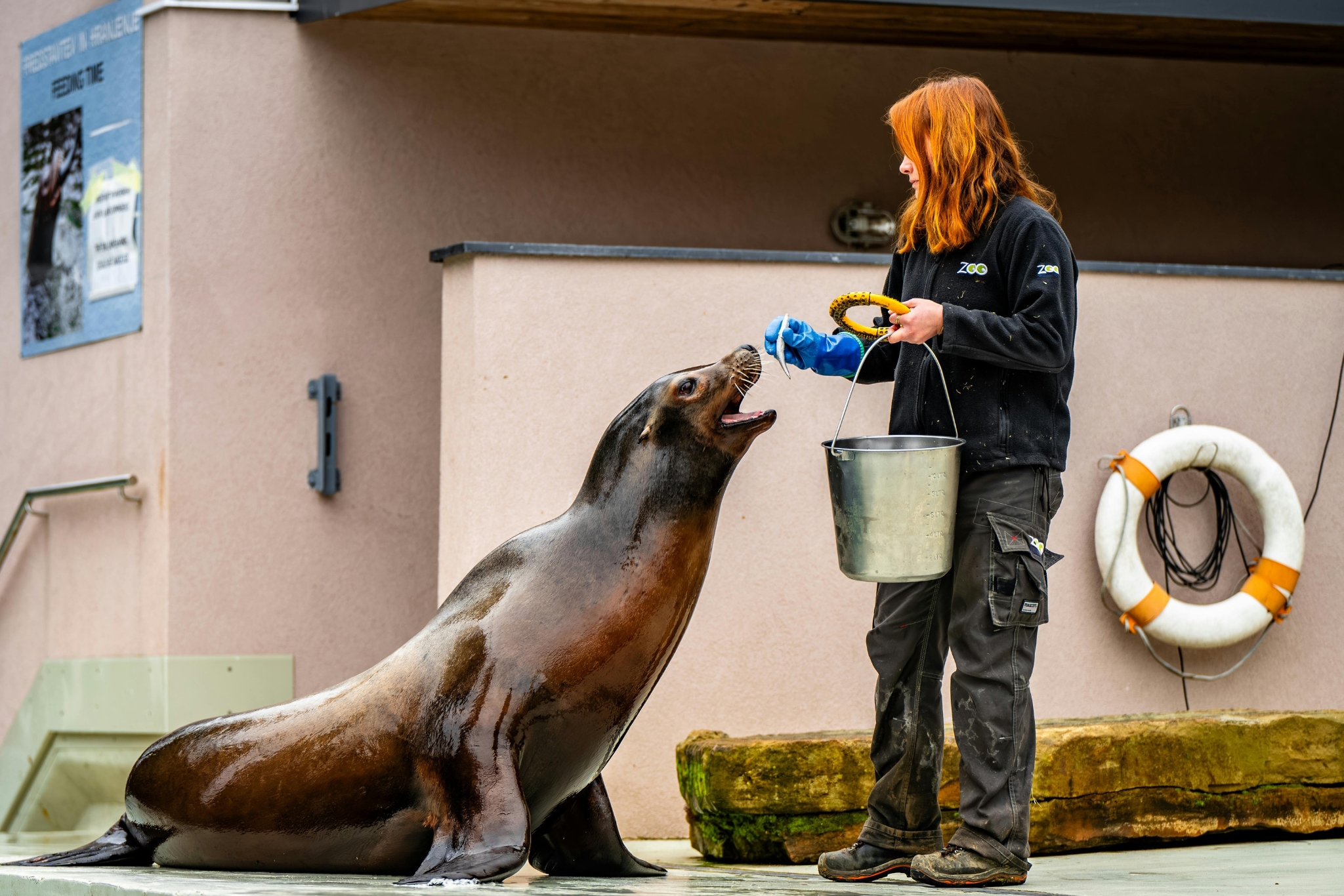
A zookeeper’s day is packed with diverse, hands-on tasks that keep animals healthy, enriched, and thriving. Some of our key responsibilities include:
- Preparing specialized diets tailored to each species
- Cleaning and maintaining enclosures to keep spaces safe, sanitary, and comfy
- Monitoring health and behavior for any signs of stress, illness, or just general “off” vibes
- Administering medications or assisting veterinarians during medical procedures
- Training husbandry behaviors using positive reinforcement techniques
Beyond the basics, we also create species specific enrichment activities to keep animals mentally stimulated – think puzzle feeders, new scents to explore, or toys that encourage natural behaviors.
Some zookeepers also participate in educational programs using animal ambassadors, giving talks to visitors about conservation and animal behavior.
And of course, behind the scenes, there’s meticulous record keeping – everything from feeding schedules to health notes – because long term animal care depends on great documentation.
Being a zookeeper is busy, meaningful, and incredibly rewarding… even if your coworkers occasionally squawk, roar, or try to steal your hat.
A Day in the Life What to Expect
✨ Early Morning Magic
Rise and shine – zookeeper life starts bright and early! Think 6 AM (or earlier!) with a warm cup of coffee in hand as you head out to greet your animal crew.
Mornings are all about making sure everyone had a safe night, whipping up perfectly portioned breakfasts for each species, and getting a head start on cleaning.
And honestly? Dawn is such a fabulous time to watch animal behavior – so many species are at their cutest and most active first thing in the morning.
🌿 Midday Hustle
By midday, things are in full swing. You’ll be doing detailed health check-ins, keeping an eye out for any changes in appetite, movement, or mood.
There’s also tons of habitat TLC to tend to, like raking pathways and making sure aquatic habitats have sparkling clean water.
Many keepers also step into the spotlight with educational talks, sharing fun facts with wide-eyed visitors. Plus, it’s training time! Yes, even rhinos can learn to politely present a foot for nail trims – how chic is that?
🌙 Afternoon Wind-Down
As the day starts to settle, it’s all about prepping cozy evening meals, finishing final health observations, and securing exhibits for the night.
You’ll also plan out enrichment activities (think: fun puzzles and treats!), prep any special diets for tomorrow, and chat with the veterinary team about any health updates. It’s the perfect blend of productivity and peaceful end of day vibes.
The Amazing Perks of Being a Zookeeper
– Building Incredible Bonds
One of the absolute best parts? The relationships you develop with the animals in your care. While it’s different from having a pet, you truly get to know individual personalities, quirks, and preferences.
Some keepers work with the same group of animals for years, watching them grow, learn, and thrive.
– Contributing to Conservation
This is huge: modern zoos play a critical role in conservation efforts worldwide.
As a zookeeper, you’re directly involved in breeding programs for endangered and threatened species, contributing to research that helps wild populations, educating the public about conservation issues, and sometimes even releasing animals back into their natural habitats.
It’s incredibly fulfilling to know your daily work contributes to saving species from extinction.
– Never a Boring Day
Honestly, every single day brings something new. Animals are unpredictable in the best way possible – one day you might be celebrating a new baby animal, the next you’re problem solving why a particular animal won’t eat their favorite food. The variety keeps things interesting and exciting!
– Working Outdoors
If you love being outside, this career is perfect. You’ll spend most of your day in fresh air, experiencing all the seasons, and staying active. It’s pretty much the opposite of a desk job, which many keepers absolutely love.
The Real Talk Challenges of Zookeeping
– Physical Demands
Let’s be honest: this job is physically tough. You’ll be lifting heavy bags of food and equipment, cleaning large enclosures in all weather conditions, standing and walking for most of your shift, and sometimes working in extreme temperatures. It requires genuine physical fitness and stamina.
– Early Mornings and Irregular Hours
Those early start times are real, and they’re year round. Zookeepers also work weekends, holidays, and sometimes overnight shifts because animals need care every single day. If you’re not a morning person, this might be challenging!
– Emotional Challenges
Here’s something people don’t always consider: you’ll inevitably experience loss. Animals get sick, they age, and sometimes despite your best efforts, they pass away. It can be genuinely heartbreaking, especially with animals you’ve cared for over many years. The emotional resilience required is significant.
– The Messy Reality
Zoo work is messy work. You’ll be cleaning up animal waste daily, dealing with strong odors, getting dirty constantly, and sometimes handling deceased animals or prey items. If you’re squeamish, this might not be the career for you!
– Compensation Considerations
Despite the specialized knowledge required, zookeeper salaries tend to be modest compared to other fields requiring similar education levels. Many keepers do the job purely for the love of animals rather than financial gain. It’s important to go into this career with realistic expectations about compensation.
How to Become a Zookeeper
– Educational Requirements
Most zookeeper positions these days require at least a bachelor’s degree in zoology, biology, animal science, or a related field. Some positions accept associate degrees combined with extensive animal experience. Coursework in animal behavior, nutrition, and conservation biology is particularly valuable.
– Gaining Experience
This is absolutely crucial: you need hands-on animal experience. Start volunteering at local zoos, wildlife rehabilitation centers, or animal shelters during high school or college. Seek internships at accredited zoos – these are incredibly competitive but super valuable. Consider working with domestic animals first to build general animal handling skills. Every bit of experience matters!
– Important Skills
Beyond formal education, successful zookeepers need strong observational skills to notice subtle changes in animal behavior, physical stamina and strength, excellent communication abilities for educating visitors and coordinating with team members, flexibility and problem solving skills, and genuine passion for animal welfare and conservation.
Career Growth and Specialization
Zookeeping comes with plenty of room to grow – both in your skills and your career path.
Most people start out as entry level keepers, then work their way up to senior keeper roles with added responsibilities. From there, you might become a lead keeper in charge of a specific animal team, or even step into a curator position where you oversee entire animal collections.
Many keepers also choose to specialize in a favorite group – think primates, marine mammals, big cats, birds, or reptiles.
Others take their expertise in new directions, moving into zoo education, conservation program management, or dedicated animal training roles. It’s a field full of exciting possibilities, especially if you love learning and leveling up.
Is Zookeeping Right for You?
Zookeeping is an amazing fit if you:
- Are genuinely passionate about wildlife and conservation
- Love being outdoors no matter the weather
- Enjoy staying active and don’t mind a little sweat
- Have tons of patience and an eye for the tiniest details
- Can handle tough, emotional moments with resilience
f you’re curious, devoted, and truly committed to animal welfare, you’ll absolutely thrive in this field.
However, it might not be your perfect match if:
- You prefer predictable and regular nine to five hours
- A high salary is a must
- Dirt, smells, or general messiness are deal breakers
- Early mornings make you want to cry
- You imagine the job is just glamorous photo ops and cuddling adorable animals
Being a zookeeper is real, hands-on, meaningful work – perfect for those who want purpose, adventure, and a little wild in their day.
Is the Zookeeper Life Calling You?
If you’re wildly passionate about animals and conservation, zookeeping just might be your perfect match. It’s a career that’s deeply rewarding, beautifully meaningful, and full of unforgettable moments.
Sure… it’s physically demanding, emotionally challenging, and not exactly the fast track to a yacht. But for the right person, it’s pure magic. You get to make a real impact on individual animals and contribute to larger conservation efforts, all while doing something that genuinely lights you up.
If this path is tugging at your heart, start getting hands-on experience, stay dedicated to your education, and connect with professionals who are already living the zookeeper life.
Who knows? Your future might involve greeting lions at sunrise or teaching otters fun new behaviors – and honestly, how dreamy is that?
Ready to begin your zookeeping journey? The animals are already rooting for you. 🐾