From Intern to Keeper How to Land Your First Zookeeper Job
Learn how to get your first zookeeper job with tips on internships, volunteering, skills, and certifications for aspiring animal care professionals.
- Understanding the Role of a Zookeeper
- Gain Relevant Education and Skills
- Gain Hands-On Experience
- Network in the Industry
- Prepare a Strong Resume and Cover Letter
- Develop Essential Soft Skills
- Be Physically Prepared
- Consider Certifications
- Stay Updated on Animal Care and Conservation
- Key Takeaways for Landing Your First Zookeeper Job
Becoming a zookeeper is a dream career for animal lovers. Caring for exotic animals, supporting conservation efforts, and working in a dynamic environment are incredibly rewarding—but getting your first zookeeper job takes preparation, dedication, and the right strategies. This guide provides a complete roadmap to help you break into the field.
Understanding the Role of a Zookeeper
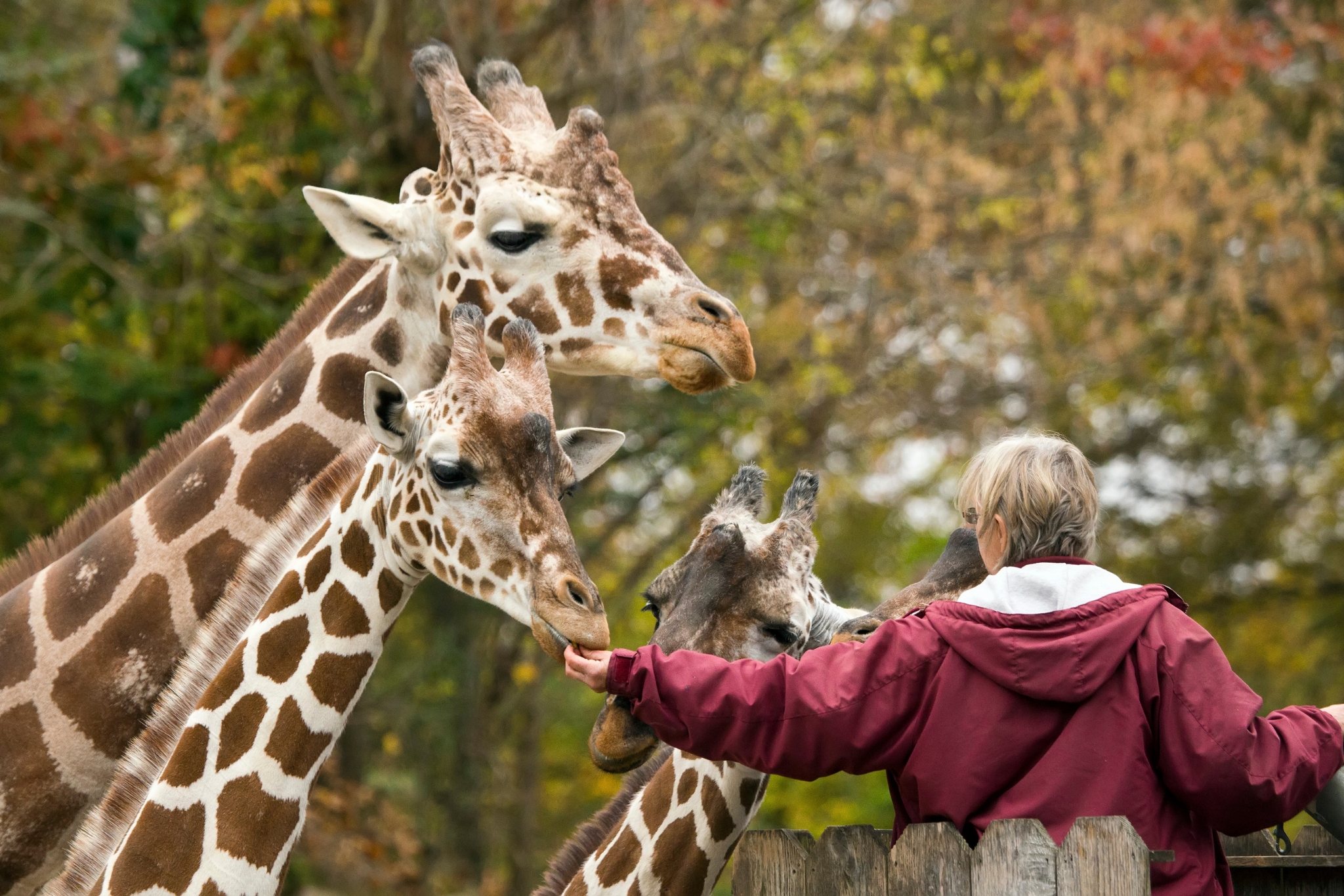
Zookeepers do more than feed animals. Entry level zookeeper responsibilities may include:
- Animal care: feeding, cleaning, and monitoring the health of animals
- Enclosure maintenance: ensuring habitats are safe, clean, and enriched
- Record keeping: tracking animal health, behavior, and diet
- Public education: leading tours or giving talks about conservation
- Assisting veterinary care: helping with medical procedures or administering medications under supervision
Employers look for candidates who are reliable, detail oriented, physically fit, and passionate about animals and conservation.
1. Gain Relevant Education and Skills
Education lays the foundation for your zookeeper career. Most entry-level positions require at least a bachelor’s degree in zoology, biology, wildlife management, or animal science.
- Specialized courses—such as exotic animal care, wildlife rehabilitation, or veterinary assisting—show employers that you understand animal physiology, nutrition, and behavior.
- If a full degree isn’t immediately within reach, look into certificate programs or online courses in animal husbandry, conservation, or zoo management.
- Completing short courses in animal CPR or basic veterinary care also shows initiative, while volunteer experience at shelters, sanctuaries, or wildlife centers can demonstrate your dedication and passion for animal care.
Remember, many zoos look for candidates who can show both theoretical knowledge and applied skills.
2. Gain Hands-On Experience
Practical experience is often the deciding factor between two equally qualified applicants. Working directly with animals—whether through internships, volunteer programs, or field research—builds confidence, hands-on skills, and credibility that employers value highly.
- Many zoos, aquariums, and wildlife sanctuaries offer summer internships or apprenticeship programs. While these opportunities are often unpaid, they provide invaluable, real-world experience in animal care and daily operations.
- Volunteering at animal shelters, rescue organizations, or wildlife rehabilitation centers is another excellent way to demonstrate commitment while developing essential care skills.
- Participating in research projects or fieldwork related to wildlife or conservation can further strengthen your resume, showcasing both initiative and a deeper understanding of the field.
Pro Tip
Document your experience carefully, noting species, responsibilities, and skills gained — employers love specifics, not vague descriptions.
3. Network in the Industry
Networking can open doors that traditional job postings often miss. Zoos and aquariums frequently rely on personal recommendations and referrals, especially when hiring for entry-level roles.
Building connections within the industry can also give you early access to internships, volunteer opportunities, and job openings before they’re widely advertised.
- Joining professional organizations like the American Association of Zoo Keepers (AAZK) is an excellent way to connect with others in the field and stay informed about industry opportunities.
- Attending conferences, workshops, and webinars allows you to meet professionals, gain insights, and learn about potential job openings.
- You can also leverage LinkedIn and other social media platforms to connect with zookeepers and wildlife professionals, as well as follow zoos and conservation organizations for the latest career opportunities.
4. Prepare a Strong Resume and Cover Letter
Your resume and cover letter are your first impression—so make them count. Be sure to highlight both experience and skills, even if they were gained through unpaid roles, and tailor each application to the specific zoo or organization.
- In your cover letter, clearly convey your passion for conservation and the species you’re most interested in working with. Tailor each letter to the specific role, highlighting your enthusiasm for the zoo’s mission, animals, and conservation programs.
- Be sure to include any volunteer, internship, or fieldwork experience, and highlight relevant skills such as animal handling, enclosure maintenance, behavioral observation, and record-keeping software proficiency.
Pro Tip
Incorporate keywords from job descriptions — such as “animal husbandry,” “feeding schedules,” and “behavioral enrichment” — to help your application pass through applicant tracking systems (ATS) and catch the attention of hiring managers.
5. Develop Essential Soft Skills
While technical skills are critical, soft skills often set candidates apart. Zookeepers work closely with animals, colleagues, and the public, so communication, teamwork, and observation are essential.
Highlight these skills in interviews using real examples whenever possible.
- Communication: explaining animal behavior or care routines clearly to colleagues and the public
- Strong teamwork: ensures smooth daily operations working alongside other keepers, veterinarians, and educators
- Observation and attention to detail: noticing small changes in behavior or health is critical
- Patience and adaptability: animals don’t always cooperate, and schedules can change
6. Be Physically Prepared
Zookeeping is a physically demanding profession. Entry-level roles often require long hours on your feet, lifting heavy feed or equipment, and working outdoors in all types of weather.
Employers tend to favor candidates who demonstrate strength, stamina, and resilience. Maintaining a good level of fitness, practicing safe lifting techniques, and preparing for varying weather conditions can give you a distinct advantage.
Gaining experience through volunteering or internships can also help you better understand—and prepare for—the physical demands of the role.
7. Consider Certifications
Certifications can help your application stand out by demonstrating competence, professionalism, and commitment.
Relevant credentials—such as Certified Zookeeper (through AAZK), CPR and first aid for both humans and animals, or wildlife handling permits—show that you take your career seriously and are prepared to meet the safety, ethical, and regulatory standards expected in professional animal care.
Even entry-level certifications can give you an edge over other applicants and signal that you’re ready to step into the field responsibly.
8. Stay Updated on Animal Care and Conservation
The best zookeepers are lifelong learners. Zoos highly value candidates who are proactive about continuing education and staying current on conservation trends.
Keep up with new research in animal welfare, conservation initiatives, and enrichment techniques by reading journals, following reputable wildlife organizations, or participating in webinars and workshops.
Demonstrating knowledge of species-specific needs and conservation programs shows employers that your passion extends beyond just the job—it reflects a genuine commitment to the animals and the profession.
Curiosity, initiative, and a love for wildlife are traits that can truly set you apart.
Key Takeaways for Landing Your First Zookeeper Job
Breaking into zookeeping takes a combination of education, hands-on experience, networking, and perseverance.
Begin by gaining experience through internships, volunteer work, and relevant certifications to develop your skills. Pair this with a well-crafted resume, strong industry connections, and genuine passion for animals, and you’ll be well on your way to landing your first zookeeper role.
Remember: every hour spent caring for animals—whether at a shelter, sanctuary, or zoo internship—brings you one step closer to a rewarding career in zookeeping.