Guide to Exotic Animal Training and Management Programs
Explore exotic animal training and management education benefits: career opportunities, hands-on learning, conservation impact & more. Start your wild career today!
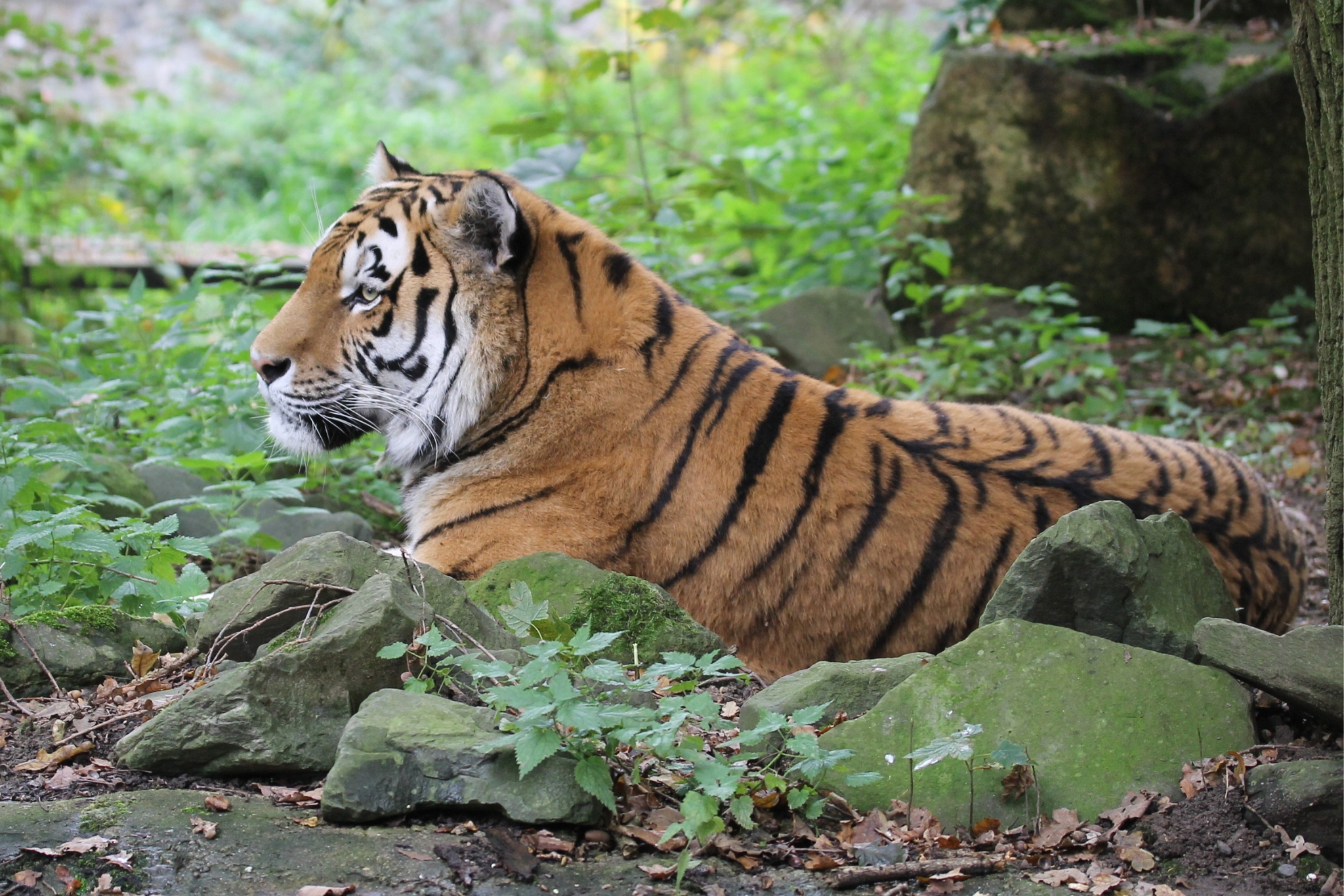
If you’ve ever dreamed of working alongside magnificent tigers, brilliant parrots, or graceful dolphins, a career in exotic animal training and management may be the perfect fit for you.
This guide explores what it takes to pursue this exciting field – from career opportunities and educational pathways to the many personal and professional rewards that come with this specialized training.
What Is Exotic Animal Training and Management?
An education in exotic animal training and management prepares students to work professionally with non-domestic animals across a wide range of settings.
These programs blend classroom instruction with hands-on experience, covering subjects such as animal behavior, learning theory, conservation, husbandry, and facility management.
Whether your passion lies with big cats, marine mammals, birds of prey, or other exotic species, this specialized education provides the foundation for a successful and fulfilling career.
Top Benefits of Pursuing an Education
1. Diverse and Exciting Career Opportunities
The exotic animal field offers an impressive range of career paths. Graduates work in zoos, aquariums, wildlife sanctuaries, conservation organizations, educational institutions, and even film and television productions.
Some career options include:
- Exotic animal trainer
- Zookeeper
- Curator
- Animal behaviorist
- Conservation professional
- Veterinarian
- Aquarist
- Wildlife educator
- Enrichment coordinator
- Sanctuary operations
- Facility operations staff
- Wildlife Rehabilitation
- Entrepreneur
- Animal care specialist
The specialized education you receive opens doors that are simply not accessible without proper training and credentials.
2. Hands-On Experience with Real Animals
Unlike traditional classroom only programs, exotic animal education emphasizes experiential learning. Students work directly with animals under professional supervision, gaining experience in handling, training, enrichment, and daily care routines.
This hands-on approach builds real world confidence and competence – and provides valuable animal handling hours that employers actively look for.
3. In-Depth Understanding of Animal Behavior and Welfare
Quality programs focus heavily on animal psychology, ethology, and welfare science. Students learn to interpret subtle behavioral cues, understand species specific needs, and create environments that support both physical and mental wellbeing.
This knowledge is absolutely essential for anyone working with exotic animals, whose needs differ greatly from domestic animals. A strong understanding of behavior also helps prevent dangerous situations and ensures both human and animal safety.
4. Conservation and Environmental Impact
Many programs emphasize conservation and sustainability, preparing graduates to contribute meaningfully to species preservation efforts. Coursework often includes topics such as species management, breeding programs, and public education.
This knowledge empowers you to make a real difference in protecting biodiversity and inspiring others to care about wildlife and the environment. It’s not just a career, it’s a chance to contribute to something truly meaningful.
5. Professional Networking and Industry Connections
Attending a specialized program connects you with industry professionals and fellow animal enthusiasts who share your passion. These connections often lead to internships, job opportunities, and mentorships that can shape long term career success.
6. Safety and Risk Management Training
Working with exotic animals requires extensive safety training. Quality education programs teach proper protocols for handling potentially dangerous species, emergency procedures, risk assessment, and disease prevention.
Students learn about zoonotic diseases, quarantine practices, and personal protective equipment – skills that protect both people and animals while demonstrating professionalism to employers.
7. Business and Management Fundamentals
As professionals advance, many move into leadership or management roles. Forward thinking programs include training in facility operations, budgeting, regulatory compliance, and staff supervision.
These business skills complement hands-on animal experience and prepare graduates for supervisory positions or even launching their own businesses.
8. Modern Ethical Training Techniques
Animal training has evolved significantly, shifting away from dominance based approaches toward positive reinforcement and science-backed learning theory.
Quality education programs teach evidence-based methods that create willing partnerships with animals rather than forced compliance.
9. Nutrition and Health Management Expertise
Exotic animals have highly specialized dietary and health needs that vary widely between species. Students learn about species specific nutrition, food preparation, supplementation, medication administration, and early signs of illness.
This training prepares graduates to work closely with veterinarians and maintain detailed health and care records – an essential responsibility in professional animal care.
Educational Pathways and Program Options
Associate Degree Programs
Two year associate degree programs provide a strong foundation and practical skills for entry level positions. These programs typically combine coursework in behavior, husbandry, and training with extensive hands-on experience.
They’re ideal for students eager to enter the workforce while building practical job ready skills.
Certificate Programs
Certificate programs are well-suited for career changers or professionals seeking specialized training without general education requirements. These programs focus on targeted industry specific skills and can last from several weeks to several months.
Continuing Education and Professional Development
The exotic animal field is constantly evolving with new research and best practices emerge. Successful professionals commit to lifelong learning through workshops, conferences, webinars, and professional organizations.
Groups such as the International Marine Animal Trainers’ Association (IMATA) and the Animal Behavior Management Alliance (ABMA) offer valuable ongoing education and networking opportunities.
Key Skills Developed Through Formal Education
An education in exotic animal training and management cultivates a diverse skill set that extends well beyond animal handling. Students develop observational skills, critical thinking abilities, problem solving capabilities, enhanced communication, and exceptional attention to detail.
Graduates also strengthen time management, physical stamina, emotional resilience, and teamwork skills – all essential qualities that are needed to thrive in this demanding yet rewarding profession.
Taking the Next Step
If you’re passionate about exotic animals and committed to their care and conservation, pursuing specialized education is one of the most powerful steps you can take. Begin researching programs, connecting with admissions teams, and speaking with professionals who are already in the field.
The world needs skilled, ethical, and educated advocates for exotic animals. With the right training, you can transform your passion into a meaningful and purpose driven career.
Your journey is just beginning… and the animals are waiting. 🐾