10 Best Plants for Bioactive Red-Eyed Tree Frog Enclosures
Create a lush, living habitat for your red-eyed tree frogs with the best plants for a thriving bioactive enclosure. From vibrant bromeliads to trailing pothos, discover how to build a miniature rainforest your frogs will truly flourish in.
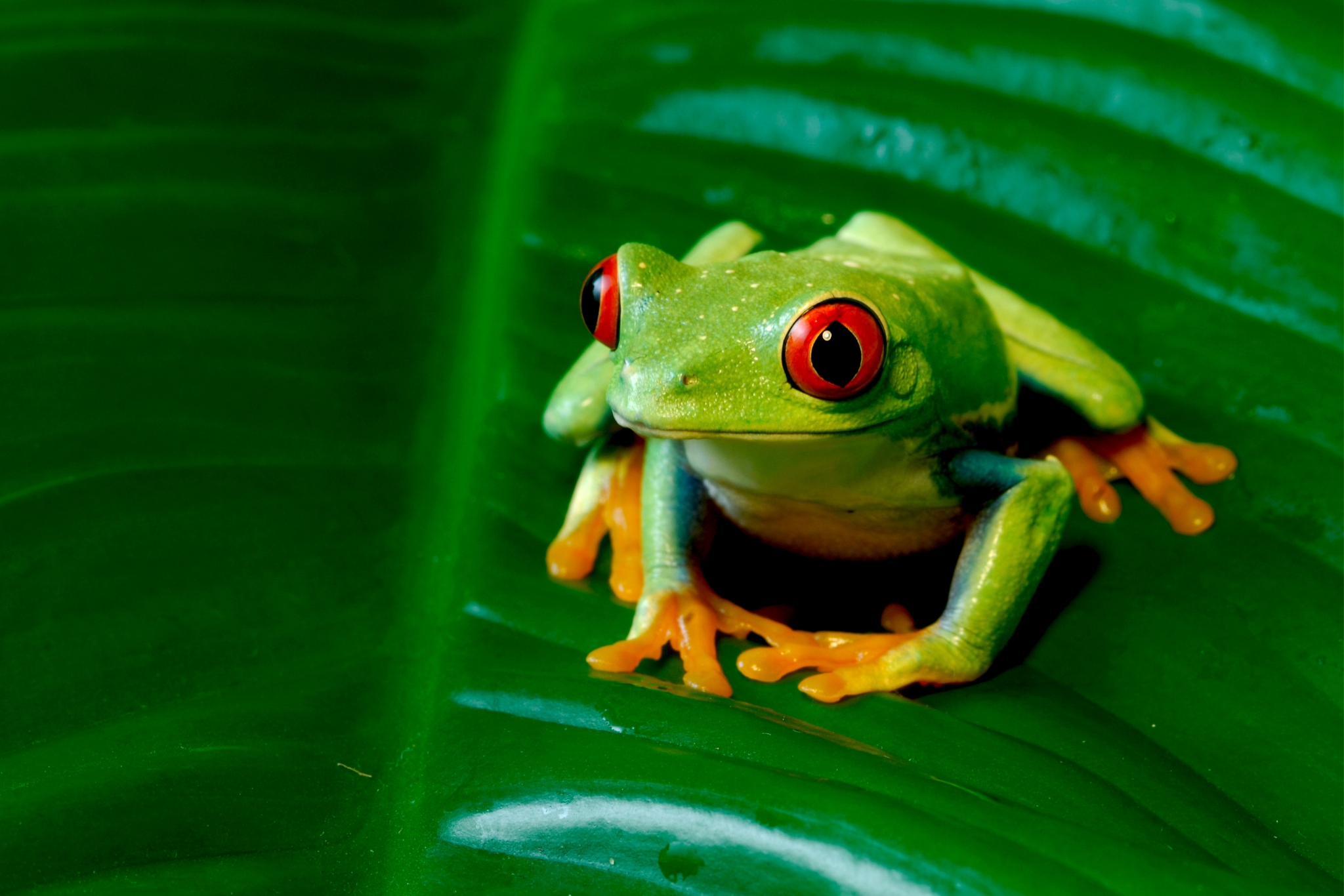
If you’re setting up a bioactive enclosure for red-eyed tree frogs (Agalychnis callidryas), choosing the right plants is one of the most important decisions you’ll make. The right greenery doesn’t just look stunning—it actively supports your frogs’ health, humidity levels, and natural behaviors.
In this guide, we’ll walk you through the best plants for red-eyed tree frog bioactive enclosures, what to avoid, and how to build a thriving living ecosystem your frogs will love.
Why a Bioactive Setup Is Ideal for Red-Eyed Tree Frogs
Red-eyed tree frogs are arboreal, nocturnal amphibians native to the tropical rainforests of Central America. In the wild, they spend most of their lives high in the forest canopy, sheltering among broad leaves, mosses, and dense vegetation during the day and hunting at night.
A bioactive enclosure mimics this environment by incorporating live plants, a proper substrate, and a cleanup crew of microfauna (such as springtails and isopods).
A Self-Sustaining
Mini-Ecosystem
Maintains Stable Humidity
Ideally kept between 70% – 100% — the living substrate and plant transpiration work together to buffer moisture levels naturally.
Naturalistic Hides & Climbing Structures
Cork bark, live plants, and branching hardwood mimic the rainforest canopy — giving frogs real vertical territory to explore and retreat into.
Reduces Waste Buildup & Odors
Microfauna — springtails and isopods — break down waste at the substrate level, keeping the enclosure clean and virtually odor-free without frequent deep cleans.
Mental Stimulation & Natural Behaviors
A dynamic environment encourages hunting, climbing, and resting postures that reflect what these frogs do in the wild — reducing stress and supporting long-term health.
Dramatically Improves Visual Appeal
A thriving bioactive enclosure is a living display — lush, layered, and ever-changing. It’s as beautiful to look at as it is beneficial for its inhabitants.
For a bioactive enclosure to truly thrive, choose plants that can handle high humidity, warm temperatures, and moderate to bright indirect light — and the occasional frog perched right on their leaves.
What to Look for in Plants
Before diving into specific species, here are the key criteria any plant should meet:
What to Look for
in Plants
Humidity Tolerance
Your enclosure will be misted frequently. Choose plants that thrive in consistently moist conditions without rotting at the roots or stem base.
Leaf Size & Strength
Red-eyed tree frogs are well-known for sleeping on broad, flat leaves. Plants with large, sturdy leaves provide ideal resting spots that comfortably support the frogs’ weight.
Non-Toxicity to Amphibians
Always confirm a plant is safe for amphibians before introducing it. Avoid plants with known toxins, heavy pesticide residues, or sharp edges that could injure sensitive skin.
⚠ When in doubt, leave it outGrowth Habit & Manageability
Avoid fast-growing invasive plants that can quickly overtake the enclosure. Aim for moderate, manageable growers that fill space beautifully without crowding out everything else.
Pesticide-Free Sourcing
Never use plants from big-box garden centers unless they’ve been quarantined and thoroughly rinsed. Always source from reptile or amphibian specialty suppliers when possible.
✓ Specialty suppliers are always the safer choiceThe Best Plants for Bioactive Red-Eyed Tree Frog Enclosures
10 Best Plants for Your
Bioactive Enclosure
Tried, tested, and frog-approved species for thriving tropical builds.
Pothos Epipremnum aureum
Extremely hardy with trailing vines that create excellent climbing routes for arboreal frogs. Tolerates low to moderate light and thrives in high humidity.
⚠ Mildly toxic to mammals — safe for amphibiansBromeliads Neoregelia, Vriesea & more
Cup-shaped rosettes collect water naturally — frogs use them for hydration and occasionally breeding. Stunning variety of colors and sizes.
★ Top-tier naturalistic choicePhilodendrons Philodendron spp.
Large broad leaves perfect for frogs to rest on during the day. Heartleaf and blushing philodendrons are popular for their manageable size and vigorous growth.
⚠ Mildly toxic to mammals — safe for amphibiansCreeping Fig Ficus pumila
Adheres naturally to cork bark and foam backgrounds, creating a lush green wall effect. Dense small leaves provide excellent texture across vertical surfaces.
Air Plants Tillandsia spp.
Epiphytes requiring no soil — mounted on cork or driftwood, they draw moisture from misting. Several species are native to red-eyed tree frog habitats.
★ Extremely versatile placementFerns Various species
Boston, button, maidenhair, and bird’s nest ferns all thrive in warm, moist conditions. Bird’s nest fern offers broad leaves ideal for resting frogs.
Peperomias Peperomia spp.
Wonderfully diverse and compact — excellent for lower and mid-level areas. Thick semi-succulent leaves hold up well to physical contact from curious frogs.
Orchids Dendrobium, Bulbophyllum
For high-aesthetic builds. Epiphytic warm-growing species mounted on cork or driftwood reward the extra care with spectacular blooms and naturalistic texture.
★ Highest visual impactSyngonium Arrowhead Plant
Large attractive leaves that frogs readily use as resting spots. Handles high humidity exceptionally well and can be trained up branches for vertical interest.
Live Moss Vesicularia, Sheet Moss
Essential ground coverage — retains substrate moisture, contributes to humidity, and provides the ideal habitat for springtails and other cleanup crew members.
★ No bioactive build is complete without itPlants to Avoid
Not every beautiful plant is a safe one. Avoid these species:
Plants That Should
Never Go in Your Enclosure
Toxic, harmful, or simply incompatible species to avoid entirely.
Dracaena Dracaena spp.
⚠ ToxicCommonly sold as houseplants and deceptively easy to find — but toxic to many animals. Their popularity in garden centers makes them a frequent and dangerous mistake.
Dumb Cane Dieffenbachia
⚠ Highly ToxicOne of the most dangerous plants for amphibian enclosures. Causes severe oral irritation and swelling on contact — effects that can be rapidly fatal to small frogs.
Cacti & Succulents
✗ Wrong EnvironmentBuilt for arid conditions — the complete opposite of what red-eyed tree frogs need. High humidity will cause rot, and sharp spines pose a direct physical injury risk to sensitive frog skin.
Chemically Treated Plants
⚠ Potentially LethalPesticides and fertilizers used by commercial growers can be lethal to amphibians even in trace amounts. Never use plants from big-box garden centers without a full quarantine and rinse period.
English Ivy Hedera helix
⚠ ToxicToxic and aggressively invasive — it will rapidly overtake an enclosure, suffocating other plants and making maintenance a constant battle. A double threat.
Peace Lily Spathiphyllum
⚠ Toxic RiskContains calcium oxalate crystals throughout its tissue. While humidity tolerant and commonly recommended for terrariums, it poses a genuine toxicity risk in an amphibian setup.
Tips for Planting a Red-Eyed Tree Frog Bioactive Enclosure
Tips for Planting
Your Bioactive Enclosure
Six essentials for a thriving, long-term build.
Use a Proper Bioactive Substrate
A mix of organic topsoil, coco coir, and sand works well. The substrate should be deep enough to support plant roots and house the cleanup crew.
Quarantine New Plants
Soak new plants in a diluted betadine or chlorhexidine solution and rinse thoroughly before introducing them. This eliminates pesticide residue, pathogens, and hitchhiker pests.
Layer Your Plants
Think in three tiers — mirroring the natural habitat structure and maximizing use of vertical space.
Don’t Overcrowd Immediately
Plants will grow. Leave room for expansion or you’ll be doing a lot of early trimming — undoing work before the ecosystem has even had a chance to establish.
Anchor Plants Securely
Frogs will climb and sit on plants, potentially dislodging them. Use floral wire, zip ties, or aquarium-safe adhesives to secure epiphytes and climbing plants to hardscape.
Cycle Before Adding Frogs
Allow at least 4 to 6 weeks for the bioactive system to establish before introducing your red-eyed tree frogs. This gives plants time to root, the cleanup crew time to colonize, and the ecosystem time to stabilize.
Plant It Right, and Your Frogs Will Thrive
Building a bioactive enclosure for red-eyed tree frogs is one of the most rewarding experiences in the hobby. When planted thoughtfully, a living enclosure not only looks like a slice of the rainforest—it functions like one, supporting your frogs’ health, natural behaviors, and longevity for years to come.
The best plants for red-eyed tree frog bioactive enclosures combine high humidity tolerance, non-toxicity, structural interest, and functional purpose.
Start with hardy staples like pothos, bromeliads, and philodendrons, then layer in ferns, mosses, and peperomias to create depth and complexity.
With the right plants and a healthy cleanup crew, your bioactive enclosure will become a living work of art—and your red-eyed tree frogs will thrive in it for years to come.