Swimming Pigs, Sharks, Flamingos & More Guide to Bahamas Wildlife
Curious about the wildlife of the Bahamas? This complete guide explores the islands’ remarkable marine life, colorful bird species, and fascinating reptiles—along with the best places to spot them.
- Marine Wildlife in the Bahamas
- The Famous Swimming Pigs of Exuma
- Birds of the Bahamas
- Reptiles of the Bahamas
- Land Mammals of the Bahamas
- Best Places to See Wildlife in the Bahamas
- Best Time to See Wildlife in the Bahamas
- Wildlife Conservation in the Bahamas
- Frequently Asked Questions about Bahamas Wildlife
If you think the Bahamas is just about beaches, think again. Beneath the turquoise waves and across the remote cays lies one of the Caribbean’s most extraordinary collections of wildlife.
From world-famous swimming pigs to nesting sea turtles, shark diving to flamingo colonies, the Bahamas delivers unforgettable animal encounters at every turn.
Here’s everything you need to know about the wildlife you can see in the Bahamas – and where to find them.
Marine Wildlife in the Bahamas
The Bahamas sits atop the third-largest coral reef system in the world, surrounded by over 5,000 square miles of warm, shallow water, and is a global hotspot for marine biodiversity.
Wildlife of the
Bahamian Archipelago
From the world’s most celebrated shark sanctuary to open-water wild dolphin encounters — the Bahamas offers some of the most extraordinary marine wildlife experiences on Earth.
Sharks
In 2011 the Bahamas became the first country to establish a national shark sanctuary, banning all commercial shark fishing in its waters. The result is an ocean teeming with healthy, thriving shark populations — Caribbean reef sharks on almost every dive site, tiger sharks gathering in legendary shallow, clear water, and nurse sharks resting lazily on sandy bottoms shallow enough for snorkelers.
Sea Turtles
Three species nest and feed in Bahamian waters — loggerhead, hawksbill, and green turtle — all threatened or endangered. Nesting season runs from May through October, peaking in June and July. Divers and snorkelers regularly encounter turtles feeding on seagrass beds and coral reefs throughout the archipelago.
Dolphins
The Bahamas is one of the few places in the world where genuinely wild dolphin encounters happen in open water. Atlantic spotted dolphins approach boats and swim alongside snorkelers in the shallow sandy waters of the Little Bahama Bank — behavior researchers have studied in the same dolphin families for decades. Several live-aboard operators run dedicated dolphin swim trips entirely on the animals’ own terms.
Rays
Southern stingrays glide through sandy shallows across the Bahamas — at Stingray City in the Exumas you can wade in waist-deep water and hand-feed them. Eagle rays, spotted eagle rays, and massive manta rays make appearances on deeper reef dives.
Reef Fish & Other Marine Life
Reef fish diversity here is staggering. The blue holes scattered across the islands are home to unique cave-dwelling ecosystems found nowhere else on Earth. Humpback whales pass through during winter migration, and West Indian manatees — while rare — are occasionally spotted.
The combination of a national shark sanctuary, gin-clear shallow water, and decades of research-backed wild dolphin interaction makes the Bahamas one of the most ethically outstanding marine wildlife destinations in the world.
The Famous Swimming Pigs of Exuma
No wildlife guide to the Bahamas would be complete without Big Major Cay – better known as Pig Beach.
This uninhabited island in the Exumas is home to a colony of feral pigs that wade into crystal-clear water to greet boats full of visitors.
The origins of the pigs are a mystery. Theories range from sailors leaving them as a future food supply to pigs surviving a nearby shipwreck. Whatever the explanation, they’ve become some of the most photographed animals in the Caribbean.
Tour operators run day trips from Nassau and George Town, Exuma – bring fruit and vegetables rather than processed food if you want to make friends.
Birds of the Bahamas
With over 300 recorded species and habitats ranging from pine forests to mangroves to open ocean, the Bahamas is exceptional for birdwatching.
Birds of the
Bahamian Archipelago
From the largest flamingo colony in the Western Hemisphere to rare ground-nesting parrots — the Bahamas rewards birdwatchers above the waterline as richly as below it.
Flamingos
The West Indian flamingo is the national bird of the Bahamas. Great Inagua Island hosts the largest flamingo colony in the entire Western Hemisphere — more than 80,000 birds nesting across the saltwater flats of Inagua National Park. Their vivid pink coloration comes from the brine shrimp and algae they feed on in the shallow, hypersaline lakes.
Bahama Parrots
A subspecies of the Cuban Amazon, found only on Abaco and Inagua. The Abaco population is particularly remarkable — these parrots nest in limestone cavities in the ground, unique among Caribbean parrots. Conservation efforts have helped stabilize numbers, and birdwatchers visiting Abaco National Park have good chances of spotting them in the native pine forests.
Shorebirds & Wading Birds
The Bahamas sits on the Atlantic Flyway — the major migration corridor between North and South America — meaning spring and fall bring massive waves of warblers, shorebirds, and raptors through the islands. Resident wading birds are present year-round along coastlines and wetlands.
Seabirds
White-tailed tropicbirds are among the most elegant seabirds in the Bahamas, trailing long white tail streamers as they soar above rocky cliffs. Bridled terns, sooty terns, brown noddies, and Audubon’s shearwaters are all resident across the archipelago.
Great Inagua remains one of the Caribbean’s most under-visited wildlife destinations despite hosting one of its greatest spectacles. For birders willing to make the journey south, the rewards are extraordinary.
Reptiles of the Bahamas
Long geological isolation has allowed unique reptile species to evolve on individual island groups, making Bahamian herpetology genuinely special.
Reptiles of the
Bahamian Islands
Ancient-looking iguanas, secretive boas, and ever-present curly-tails — the Bahamas rewards those who look beyond the water’s edge.
Rock Iguanas
Several distinct species inhabit different island groups across the archipelago. These prehistoric-looking lizards can exceed four feet in length and are often seen basking on rocks and beaches. Allen Cays — a cluster of uninhabited islands in the Exumas — is one of the best places in the world to see them up close, with guided boat tours allowing visitors to hand-feed them fruit.
Bahamian Boa
A non-venomous constrictor found throughout the archipelago. Nocturnal and secretive, it feeds on lizards, birds, and small mammals — entirely harmless to humans. Casual visitors rarely encounter one in daylight, but naturalist-led night walks can turn them up in the undergrowth.
🌙 Best found on guided naturalist night walksCurly-Tailed Lizards & Anoles
The northern curly-tailed lizard is one of the most visible animals in the Bahamas — found on beaches, rocky shorelines, and around buildings across the islands. Multiple anole species also inhabit the Bahamas, with males frequently seen displaying their colorful dewlaps on sun-warmed walls and branches.
All Bahamian rock iguanas are protected by law throughout the archipelago. Never handle or disturb them outside of supervised guided experiences — their island populations are small and vulnerable to human disturbance.
Land Mammals of the Bahamas
The Bahamas has relatively few native land mammals due to its oceanic isolation — but what’s there is well worth knowing about.
Native Land
Mammals
Bahamian Hutia
One of the country’s only native land mammals — a large endemic rodent found nowhere else on Earth. Now restricted to a handful of small cays in the Exumas after habitat loss and predation by introduced species. The Exuma Cays Land and Sea Park offers the best chance of a sighting.
Bats
Bats are the most diverse group of native land mammals in the Bahamas, with around a dozen species recorded across the archipelago. They play a vital role as pollinators and insect controllers and are commonly seen at dusk over ponds, beaches, and forest edges.
The Bahamas’ oceanic isolation means most land mammals that exist today were either carried by humans or arrived by sea — the hutia and bats are among the few that made it on their own.
Best Places to See Wildlife in the Bahamas
6 Essential Wildlife
Destinations
Six places that define wildlife travel across the Bahamian archipelago — from world-famous shark dives to remote flamingo sanctuaries.
Exuma Cays Land
& Sea Park
The Bahamas’ first national park and one of the Caribbean’s most important marine protected areas — 176 square miles of pristine reef, shark nurseries, and iguana habitat.
Inagua
National Park
The premier flamingo destination in the Caribbean. Remote and requiring a small plane to reach, but unmissable for serious birdwatchers — 80,000+ flamingos nest here.
Tiger Beach
Legendary worldwide for reliable tiger shark encounters in shallow, clear water. Live-aboard dive boats operate from West Palm Beach and Freeport year-round.
Bimini &
The Sharklab
Famous for wild dolphin swims, winter hammerhead encounters, and the Bimini Biological Field Station — one of the world’s leading shark and marine mammal research stations.
Andros —
The Untamed Isle
The largest and least-developed island in the Bahamas. Blue holes, mangrove creeks, and vast pine forests support remarkable wildlife and exceptional migratory bird diversity.
Abaco
National Park
Critical habitat for the endangered Bahama parrot and a top birdwatching destination. The southern pine forests of Great Abaco offer some of the best parrot spotting in the Caribbean.
The Bahamas rewards travellers who look beyond Nassau and the resort islands. The most extraordinary wildlife experiences are found in the remote, less-visited corners of the archipelago.
Best Time to See Wildlife in the Bahamas
When to Go —
Wildlife by Season
The Bahamas rewards year-round visits, but each season brings its own extraordinary wildlife moment.
Mar Winter
Peak season for hammerhead sharks at Bimini and humpback whale sightings during winter migration. Exceptional water clarity makes this the finest diving window of the year.
Jun Spring
Flamingo chicks hatch at Inagua, peak spring bird migration sweeps across the cays, and the shallow banks offer the best conditions of the year for wild dolphin swims.
Oct Summer
Sea turtle nesting season, with loggerheads coming ashore at night on remote beaches. Peak activity for Atlantic spotted dolphins across the shallow banks.
Nov Fall
Fall songbird migration drops exhausted warblers and shorebirds onto the cays in remarkable numbers — a birdwatcher’s windfall as the Atlantic Flyway funnels migrants south.
There is no bad time to visit the Bahamas for wildlife. Every month of the year offers something extraordinary — the question is simply which encounter matters most to you.
Wildlife Conservation in the Bahamas
Conservation &
How You Can Help
The Bahamas has made extraordinary strides in marine and wildlife protection — but real threats remain, and every visitor has a role to play.
What’s Working
Threats Remaining
How Visitors Can Help
The Bahamas has done more for ocean conservation than almost any comparable nation. Every responsible visitor is a direct stakeholder in keeping it that way.
Frequently Asked Questions about Bahamas Wildlife
Are there dangerous animals in the Bahamas?
The Bahamas is generally very safe for wildlife encounters. Sharks are present but unprovoked attacks are extremely rare. Stingrays and jellyfish are the more common source of minor injuries. There are no venomous snakes or dangerous land predators.
Can you swim with pigs in the Bahamas?
Yes. Boat tours to Pig Beach at Big Major Cay depart from Nassau and George Town, Exuma. Bring fruit and vegetables to feed them.
Where is the best snorkeling for marine life?
The Exuma Cays Land and Sea Park, the reefs around Nassau (including Thunderball Grotto), the Andros barrier reef, and the Bimini lagoon all offer outstanding snorkeling with diverse marine wildlife.
Are there crocodiles in the Bahamas?
No. American crocodiles are found in Cuba and other Caribbean islands but are not established in the Bahamas.
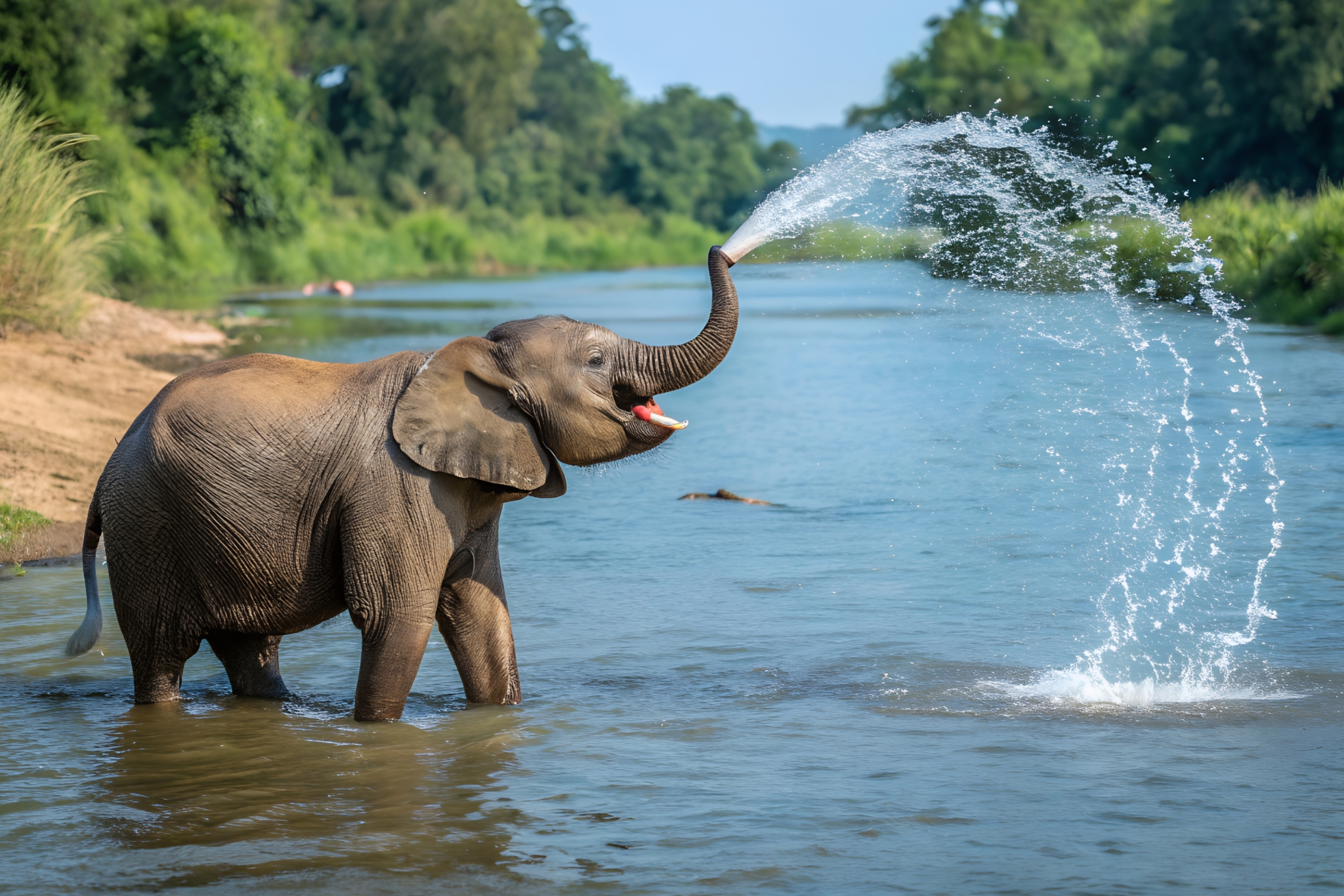
Best Countries for
Wildlife Photography
From the savannahs of East Africa to the rainforests of Borneo — a guide to the world’s most rewarding destinations for wildlife photographers at every level.