Red eyed tree frogs are among the most visually stunning amphibians in the pet trade, instantly recognizable by their vibrant coloration and iconic appearance. These captivating creatures have become increasingly popular as exotic pets, but they require specialized care to thrive in captivity.
This guide covers everything you need to know about keeping red eyed tree frogs as pets. Let’s dive in!
What Are Red Eyed Tree Frogs?
The red eyed tree frog (Agalychnis callidryas) is a small arboreal amphibian native to the rainforests of Central America, ranging from southern Mexico through Central America to northern Colombia. These frogs are famous for their striking appearance: bright red eyes, vibrant green bodies, blue and yellow striped sides, and orange or red feet.
Adult red eyed tree frogs typically reach 2 to 3 inches in length, with females being noticeably larger than males. Despite their brilliant colors, these frogs are not poisonous, making them safer to handle than some other brightly colored amphibian species.
Are Red Eyed Tree Frogs Good Pets?
Yes – Red eyed tree frogs can make excellent pets for the right owner – but potential owners should keep in mind that they are primarily display animals rather than interactive pets, as they are nocturnal and prefer minimal handling.
These frogs are best suited for intermediate to advanced keepers who appreciate observing natural behaviors and can commit to maintaining specific environmental conditions.
Pros of Keeping Red Eyed Tree Frogs:
- Stunning visual appearance that makes them fascinating to observe
- Relatively long lifespan of 5 to 8 years in captivity with proper care
- Quiet pets that produce minimal noise
- Do not require daily handling or interaction
- Educational and great for learning about rainforest ecosystems
Cons to Consider:
- Nocturnal lifestyle means limited daytime activity
- Sensitive to environmental changes and require precise humidity and temperature control
- Not suitable for frequent handling due to sensitive skin
- Require live feeder insect
- Initial setup costs can be expensive
Setting Up the Perfect Habitat
Creating an appropriate enclosure is important for the health and wellbeing of your red eyed tree frog.
Enclosure Size and Type
A vertical terrarium is essential for these arboreal frogs. For one to two adult frogs, a minimum enclosure size of 18 inches tall by 18 inches wide by 12 inches deep is recommended. Larger is always better, as it provides more climbing space and allows for better temperature gradients.
Glass terrariums with front opening doors and screen tops work best. The screen top ensures proper ventilation while maintaining humidity levels.
Temperature Requirements
Red eyed tree frogs are a tropical species that require warm temperatures to thrive:
- Daytime temperature: 75 to 85°F (24 to 29°C)
- Nighttime temperature: 66 to 77°F (19 to 25°C)
- Basking area: 82 to 85°F (28 to 29°C)
Use a mix of heating methods, such as low-wattage heat bulbs or ceramic heat emitters, to maintain a stable environment. Place reliable thermometers at different heights in the enclosure to monitor temperatures accurately. Avoid heat sources that excessively dry out the air.
Humidity Levels
Maintaining proper humidity is perhaps the most critical aspect of red eyed tree frog care. These frogs require humidity levels between 60% and 80%, with nighttime humidity reaching 80% to 100%.
To maintain humidity:
- Mist the enclosure at least twice daily with dechlorinated water
- Use an automatic misting system for consistent humidity
- Include a large water dish for ambient humidity
- Monitor levels with a hygrometer
- Ensure proper ventilation to prevent stagnant, overly humid conditions that can lead to bacterial growth
Substrate and Furnishings
Choose a substrate that holds moisture well while being safe for your frogs:
- Coconut fiber (coco coir)
- Sphagnum moss
- A mixture of both for optimal moisture retention
Layer substrate 2 to 3 inches deep. Avoid substrates like gravel, sand, or bark chips that can cause impaction if ingested.
For furnishings, create a lush naturalistic environment by using:
- Live or artificial plants – pothos, philodendron, and bromeliads work well
- Multiple branches and vines for climbing at various angles
- Large broad leaves for resting spots
- Hide areas near the top of the enclosure
- A shallow water dish large enough for soaking
PRO TIP: Red eyed tree frogs thrive in bioactive enclosures – live plants not only enhance the enclosure’s appearance but also help maintain proper humidity levels and improve air quality.
Lighting
Red eyed tree frogs require a day-night cycle to maintain their circadian rhythm:
- 10 to 12 hours of light during the day
- Complete darkness at night
Use low-intensity UVB lighting (2.0 to 5.0 UVB bulb) to support overall health (especially if using live plants). While UVB is not strictly essential for red eyed tree frogs, it can benefit their wellbeing and supports plant growth.
Feeding Your Red Eyed Tree Frog
Red eyed tree frogs are insectivores with hearty appetites, primarily feeding at night when they are most active.
Diet
Offer a varied diet of appropriately sized live insects:
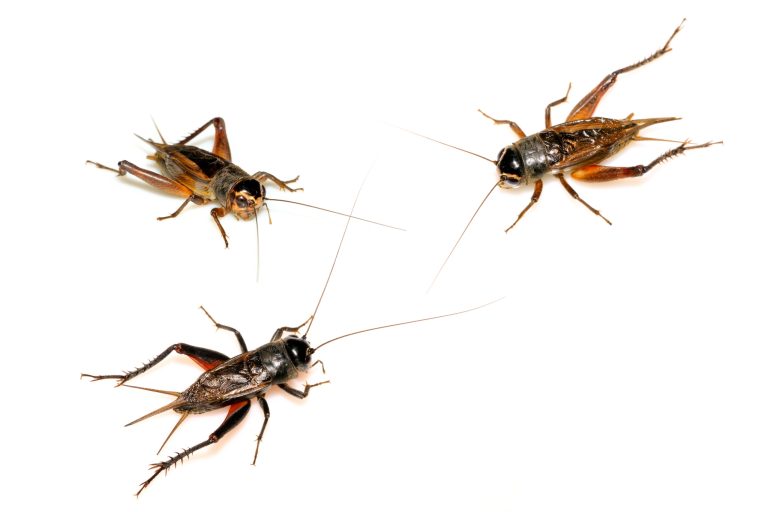
- Crickets (primary staple)
- Dubia roaches
- Black soldier fly larvae
- Waxworms (occasional treat due to high fat content)
- Fruit flies (for juveniles)
- Small moths
PRO TIP: Any insects you offer should be no larger than the space between your frog’s eyes to ensure safe and easy consumption.
Feeding Schedule
- Juveniles: Feed every day or every other day
- Adults: Feed 3 to 4 times per week
Adults typically consume 3 to 5 appropriately sized insects per feeding.
Supplements
Proper supplementation is crucial for preventing metabolic bone disease and nutritional deficiencies:
- Dust insects with calcium powder (without D3) at most feedings
- Use calcium with D3 once per week
- Provide a multivitamin supplement once or twice per week
PRO TIP: Gut load feeder insects 24 hours before feeding by providing them with nutrient-rich foods such as leafy greens and carrots.
Water Quality and Maintenance
Although red eyed tree frogs are arboreal, they still need access to fresh clean water.
Water Requirements
Always use dechlorinated water for misting and in water dishes. Tap water contains chlorine and chloramines that can harm amphibians’ sensitive skin.
Use a water conditioner designed for reptiles and amphibians, or let tap water sit out for 24 hours before use.
Change water dishes daily to prevent bacterial growth.
Enclosure Cleaning
Maintain a regular cleaning schedule:
- Spot clean waste and remove uneaten insects daily
- Replace water daily
- Deep clean the entire enclosure monthly, replacing substrate and washing all decorations with reptile-safe cleaners
Health and Common Issues
Signs of a Healthy Frog
- Alert and active at night
- Clear bright eyes
- Smooth moist skin without discoloration
- Good appetite
- Normal posture with limbs tucked close to body when resting
Common Health Problems
- Metabolic Bone Disease (MBD): Caused by calcium or vitamin D3 deficiency. Signs include lethargy, twisted limbs, difficulty jumping, and seizures. Prevent with proper supplementation.
- Bacterial and Fungal Infections: Often result from poor husbandry, particularly inadequate humidity or unclean conditions. Symptoms include redness, lesions, cloudiness, or unusual behavior.
- Parasites: Internal parasites can cause weight loss and lethargy. Have fecal exams performed by a veterinarian experienced with amphibians.
- Toxin Out Syndrome: Occurs when frogs are exposed to chemicals or toxins. Always use dechlorinated water and avoid handling frogs with lotions or chemicals on your hands.
Finding a Veterinarian
Locate an exotic veterinarian experienced with amphibians before acquiring your frog. Amphibian medicine is specialized, and not all vets treat these animals.
Handling Your Red Eyed Tree Frog
Red eyed tree frogs should be handled minimally. Their skin is permeable and sensitive to lotions, perfumes, oils, salts, and chemicals found on human skin.
When Handling Is Necessary
- Moving the frog during enclosure cleaning
- Veterinary examinations
- Emergency situations
Proper Handling Technique
If you must handle your frog:
- Wash hands thoroughly with unscented soap and rinse completely
- Wet your hands with dechlorinated water
- Be gentle and support the frog’s body
- Keep handling time under 5 minutes
- Never squeeze or grab the frog forcefully
Can I Wear Gloves When Handling My Frog?
Yes, you should wear gloves when handling amphibians – and they should be powder-free and moistened with water from the animal’s environment to protect the amphibian’s sensitive skin.
PRO TIP: Consider using a clean moist container to transport your frog rather than handling directly.
Lifespan and Long Term Commitment
With proper care, red eyed tree frogs can live 5 to 8 years in captivity, though some individuals have reached 10 years or more. Before acquiring these frogs, ensure you can commit to their care for their entire lifespan.
Where to Buy Red Eyed Tree Frogs
Purchase your red eyed tree frog from reputable sources such as:
- Specialized reptile and amphibian breeders
- Reptile expos where you can personally meet the breeders
- Reputable online retailers specializing in captive bred amphibians
Always choose captive bred specimens over wild caught individuals. Captive bred frogs are healthier, better adapted to captivity, less stressed, and purchasing them doesn’t impact wild populations.
What to Look for When Buying
Before purchasing, examine the frog for:
- Active and alert behavior during evening hours
- Clear eyes without cloudiness
- Smooth skin without lesions or discoloration
- Appropriate body weight (not too thin)
- All limbs present and functional
Ask the seller about the frog’s age, feeding history, and any health treatments it has received.
Cost of Ownership
Initial Costs
- Frog: $25 to $60+ per individual
- Enclosure: $100 to $300+
- Heating and lighting: $50 to $100+
- Decorations and plants: $50 to $150+
- Initial substrate and supplies: $30 to $50+
Ongoing Costs
- Feeder insects: $20 to $50+ per month
- Supplements: $10 to $20 per month
- Substrate replacement: $10 to $20 per month
- Electricity: $10 to $20 per month
- Veterinary care: Variable (budget for annual checkups)
Interesting Facts About Red Eyed Tree Frogs
- Their bright red eyes are thought to startle predators, a defense mechanism called “startle coloration”
- They use their sticky toe pads to climb vertical surfaces and can even walk upside down
- Males call to attract females during breeding season with a distinctive “chack” sound
- Females are considerably larger than males
- They can change their skin color slightly to blend in with their surroundings
- In the wild, they live in the canopy layer of rainforests, rarely descending to the ground
Breeding Red Eyed Tree Frogs
Breeding these frogs in captivity is possible, but it requires advanced knowledge and specific conditions. Breeding requires:
- Simulating rainy season conditions with increased misting and rainfall chambers
- Providing appropriate egg laying sites over water
- Separating males and females until breeding season
- Caring for tadpoles in separate aquatic setups
Breeding should only be attempted by experienced keepers with proper resources.
Is a Pet Red Eyed Tree Frog Right For You?
Red eyed tree frogs are spectacular amphibians that can thrive as pets when provided with appropriate care. While they require specific environmental conditions and are not suitable for frequent handling, their stunning appearance and fascinating behaviors make them rewarding animals to keep.
Success with these frogs requires dedication to maintaining proper temperature, humidity, and cleanliness, along with providing a varied supplemented diet.
With the right setup and consistent care, you can enjoy observing these beautiful rainforest inhabitants for many years.
Before bringing home a red eyed tree frog, ensure you have researched thoroughly, prepared the proper habitat, and are ready for the long term commitment these remarkable creatures deserve.