Can a Sand Cat Kill a Human? Facts You Should Know
Are sand cats dangerous? Understand their predatory instincts, size, and why these desert cats pose minimal risk to humans.
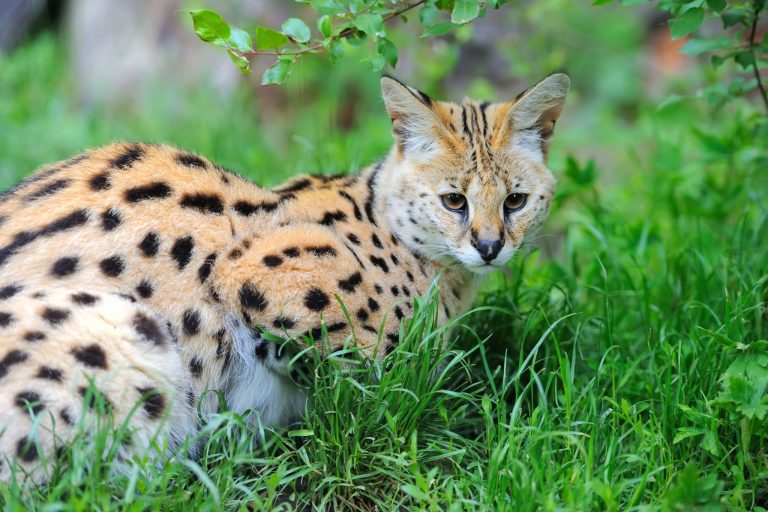
The sand cat (Felis margarita) is among the most elusive and captivating wild cats in the world. Native to the deserts of North Africa, the Middle East, and Central Asia, this petite feline is a master of survival in some of the harshest, driest environments on Earth. Naturally, anyone fascinated by desert wildlife might wonder: Can a sand cat kill a human?
The simple answer is no—sand cats are small, shy, and far more likely to flee than fight. In this article, we’ll explore their unique biology, desert adaptations, and why these remarkable cats are vulnerable rather than dangerous.
Sand Cat Facts Size, Strength, and Nature
Sand cats are tiny compared to their larger, more famous relatives like lions or tigers:
- Size: Adults weigh just 2.5 to 5.5 pounds (1.1 to 2.5 kg) and stand about 14 to 16 inches (36 to 41 cm) at the shoulder.
- Diet: These desert specialists are carnivorous, feasting on small rodents, birds, reptiles, and insects.
- Behavior: Solitary and nocturnal, sand cats are masters of elusiveness, spending most of the day hidden in burrows or under vegetation to stay safe from predators.
Given their small size and choice of prey, humans are simply not on their menu. While a cornered sand cat can deliver a surprisingly sharp bite or scratch—enough to draw blood and leave some painful marks—these defenses are nowhere near strong enough to seriously harm, let alone kill, a person.
Sand Cats vs. Humans Why You’re Safe
Several factors make it impossible for sand cats to kill humans:
- Tiny Size: Weighing just a few pounds, sand cats simply don’t have the strength to overpower a person.
- Shy Nature: These cats are extremely secretive and avoid humans whenever possible—they’d rather flee than fight.
- Small Teeth and Claws: Designed for hunting rodents, reptiles, and insects, their teeth and claws aren’t capable of causing life-threatening injuries to large animals.
- Low Aggression: Sand cats are defensive, not predatory, when encountering larger creatures.
Even in captivity, sand cats are extremely unlikely to attack humans. While they may hiss, puff up, or perform bluff strikes when feeling threatened, actual attacks are rare and typically occur only if the cat is cornered with no escape route. Their first instinct is almost always to flee rather than fight.
Human Safety Around Sand Cats
While sand cats pose no real threat to humans, responsible interaction is still essential:
- Avoid Direct Handling: Never attempt to touch or capture a sand cat in the wild. Stress can harm the animal, and defensive scratches or bites may occur.
- Maintain Distance in Captivity: Zoo staff and wildlife researchers follow strict protocols to keep both humans and sand cats safe and reduce stress.
- Observe Quietly: Enjoy their fascinating behaviors from afar using binoculars or cameras, minimizing any disturbance to these elusive desert dwellers.
Conservation and Threats to Sand Cats
Interestingly, sand cats are more threatened by humans than they are a threat to us.
Sand cats are currently listed as Least Concern by the IUCN, but their populations are decreasing and increasingly fragmented. Major threats include:
- Habitat Loss and Desertification: Human encroachment and climate change are shrinking their already harsh desert homes.
- Illegal Pet Trade: Capture for exotic pet markets further pressures wild populations.
- Road Mortality: Small cats are vulnerable when crossing roads near human settlements.
Conservation Efforts: Captive breeding programs, habitat protection, and anti-poaching initiatives aim to maintain stable populations.
Understanding their delicate ecology reminds us that these small desert predators are fragile and best appreciated from a safe distance.
Fierce Hunters but Not Dangerous to Humans
So, can a sand cat kill a human? The answer is a resounding no.
These pint-sized desert felines are masters of survival in some of the harshest environments on Earth, perfectly equipped to hunt small prey—not humans. Their true power lies in stealth, endurance, and clever survival skills rather than brute force or aggression toward larger animals.
If you’re fortunate enough to catch a glimpse of a sand cat in the wild, remember to admire it from a distance. Respect their space, marvel at their extraordinary desert adaptations, and keep in mind that the real risk isn’t to you—it’s to these delicate desert dwellers.
Humans should be concerned with protecting sand cats, not fearing them.