Bored Turtle? 20 Enrichment Hacks for Your Red-Eared Slider
Discover top red-eared slider enrichment strategies to keep your aquatic turtle active, engaged, and thriving at home.
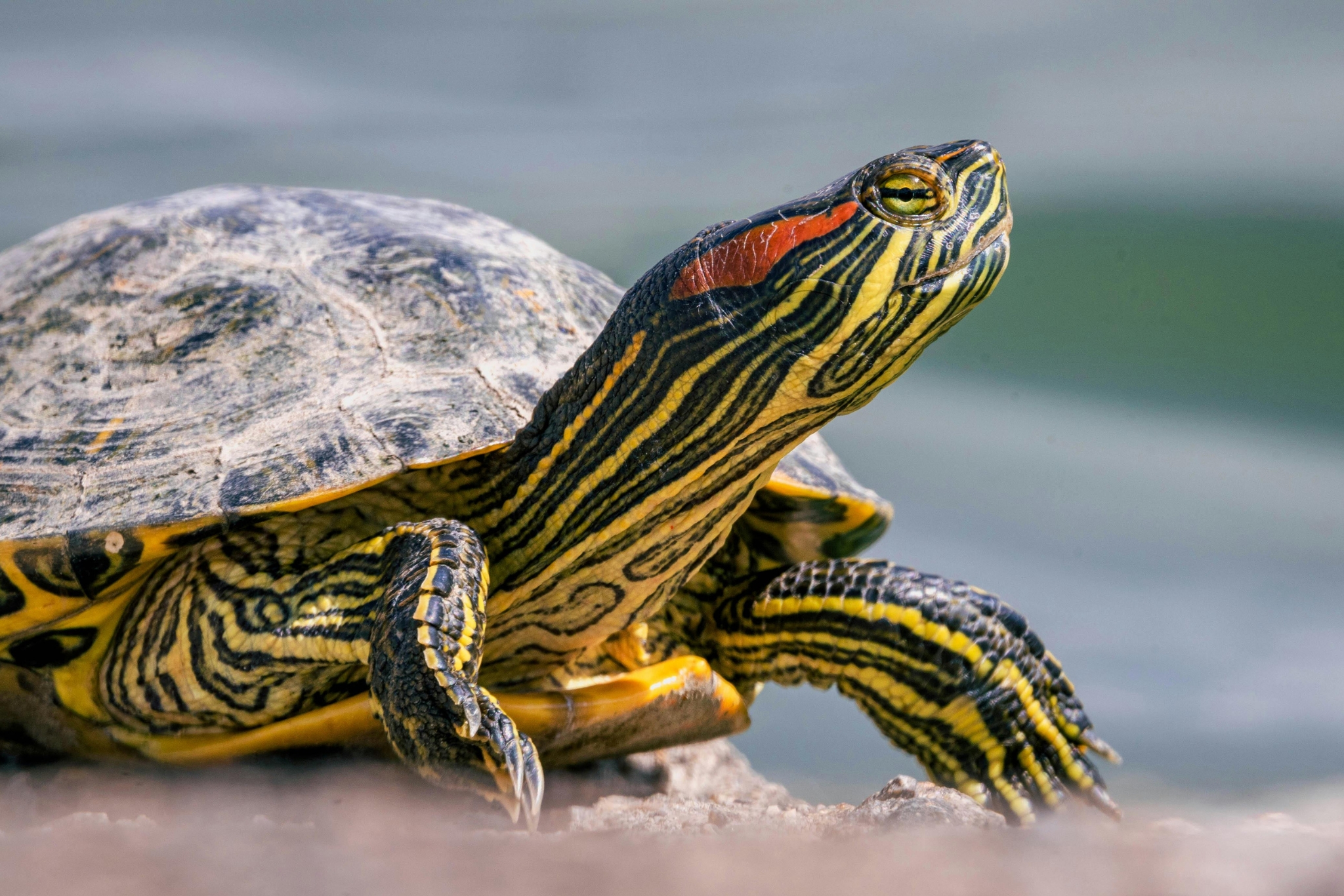
Red-eared sliders (Trachemys scripta elegans) are one of the most popular pet turtles worldwide. Known for their vibrant red markings, these aquatic turtles can live 20 to 40 years with proper care.
However, keeping a red-eared slider healthy goes beyond providing water and a basking area. Enrichment—activities and environmental modifications that stimulate natural behaviors—is crucial for their physical and mental well-being.
In this guide, we’ll explore everything you need to know about red-eared slider enrichment, including why it matters, types of enrichment, and practical tips to keep your turtle active and engaged.
Why Enrichment is Essential for Red-Eared Sliders
Red-eared sliders are intelligent, smart, energetic turtles that need regular mental and physical stimulation to stay healthy. Without proper enrichment, they may experience:
- Boredom and stress: signs include lethargy, decreased appetite, or repetitive behaviors like pacing
- Health issues: lack of activity can lead to obesity, shell deformities, and a weakened immune systems
- Behavioral problems: under-stimulated turtles may become withdrawn, irritable, or even aggressive
Providing enrichment replicates natural behaviors—such as swimming, foraging, and basking—helping your turtle stay active, engaged, and thriving just like it would in the wild.
Types of Enrichment for Red-Eared Sliders
1. Physical Enrichment
Physical enrichment involves modifying your turtle’s habitat to encourage movement and exploration.
- Aquatic obstacles: Add driftwood, PVC tubes, or smooth rocks for climbing and hiding. This mimics logs and riverbeds in their natural habitat.
- Varied terrain: Use a mix of shallow and deep water zones. Shallow areas help hatchlings explore safely, while deeper sections encourage swimming and diving.
- Basking platforms: Floating or adjustable basking platforms allow turtles to practice climbing and stretching, improving muscle tone.
- Rotating decor: Change tank décor periodically to prevent boredom and encourage exploration.
Make sure all the materials you use are non-toxic, smooth, and securely placed to prevent injuries or blockages.
2. Foraging Enrichment
In the wild, red-eared sliders spend a lot of time searching for food. Replicating this behavior in captivity stimulates both their mind and body.
- Floating or sinking food: Offer vegetables, pellets, or protein items in different positions in the tank to encourage swimming and diving.
- Puzzle feeders: Use floating balls, perforated containers, or DIY feeding toys. Turtles have to manipulate or nudge these to access food.
- Hide-and-seek: Place food under leaves or inside decorative caves for the turtle to find. This stimulates natural hunting instincts.
- Diet variety: Mix leafy greens (like romaine, dandelion leaves), aquatic plants, and occasional protein (like feeder fish or shrimp) to keep interest high.
Rotate food types and feeding locations to prevent predictability and boredom.
3. Sensory Enrichment
Sensory enrichment stimulates your turtle’s senses, keeping its environment interesting and mentally engaging.
- Visual stimuli: Add aquatic plants, floating decorations, or mirrored surfaces that allow the turtle to see movement and shapes.
- Tactile stimulation: Use sand, smooth pebbles, or textured stones on the bottom of the tank. Turtles enjoy feeling different surfaces with their feet and shells.
- Environmental changes: Gentle water currents, moving plants, or subtle changes in lighting simulate a natural habitat.
- Sound and vibration: Soft, consistent ambient sounds or gentle water movement can mimic rivers or streams.
Avoid sudden loud noises or harsh lighting that may stress your turtle.
4. Social Enrichment
While red-eared sliders are often territorial, some social interaction—carefully managed—can enrich their environment.
- Visual companions: Some turtles enjoy observing other aquatic animals, like small peaceful fish or snails. Consider keeping them separate at first to avoid aggressive encounters.
- Owner interaction: Gentle hand-feeding, supervised handling, or guiding the turtle to explore new areas can strengthen bonding.
- Tank-sharing caution: Only house turtles together if the tank is large enough and the turtles are of similar size to prevent bullying or competition.
- Observation enrichment: Place the tank near a safe area with gentle activity so the turtle can watch movement outside.
Always monitor interactions—stress signs include hiding, reduced appetite, or aggressive behavior.
5. Cognitive Enrichment
Red-eared sliders are surprisingly intelligent and can learn simple tasks, which keeps their minds active and prevents boredom.
- Target training: Use a stick or colored object to train your turtle to move to specific locations for food or interaction.
- Obstacle navigation: Set up tunnels, floating hoops, or maze-like structures in the water that your turtle can explore.
- Problem-solving tasks: Place food inside puzzle feeders or under objects they need to manipulate. This simulates natural hunting and foraging challenges.
- Environmental novelty: Occasionally rearranging tank decorations encourages exploration and problem-solving.
Keep challenges gradual. Avoid overly complex tasks that might frustrate your turtle. Reward success with food or access to a favorite basking spot.
Tips for Implementing Enrichment Safely
1. Monitor behavior: ensure your turtle is actively engaging with enrichment and not stressed or avoiding certain areass
2. Avoid overcrowding: too many objects can restrict movement and increase stress
3. Rotate toys and structures: changing the environment every few weeks keeps it stimulating
4. Maintain cleanliness: all enrichment items should be non-toxic and easy to clean to prevent bacterial growth
Boost Your Turtle’s Well-Being with Simple Enrichment Tips
Enrichment is key to keeping your red-eared slider healthy, happy, and thriving for years. By incorporating physical, foraging, sensory, social, and cognitive activities, you can recreate a natural, stimulating environment that encourages your turtle to stay active and engaged.
Remember—a mentally and physically stimulated turtle is a healthier turtle.
Spending time on enrichment doesn’t just benefit your slider—it also makes caring for your pet more rewarding. Even small, thoughtful changes to their habitat can have a big impact on their overall happiness, well-being, and lifespan.