The World’s Most Dangerous Reptiles 11 Animals That Can Kill Humans
Discover the world’s most dangerous reptiles that can kill humans. From venomous king cobras to massive saltwater crocodiles — learn about deadly species and safety tips.
- Understanding Reptile Danger: What Makes Them Deadly?
- The Most Dangerous Venomous Reptiles
- Dangerous Constrictor Reptiles
- Large Predatory Reptiles
- Geographic Distribution: Where Are These Dangerous Reptiles Found?
- Safety Tips: How to Avoid Dangerous Reptile Encounters
- The Importance of Conservation
- Respecting Nature’s Most Dangerous Reptiles
Hello, nature enthusiasts! Today we’re diving into the absolutely fascinating (and slightly terrifying) world of dangerous reptiles.
While most reptiles are perfectly content keeping to themselves, there are definitely some species you’ll want to give a wide berth. Let’s explore which reptiles pack the most serious punch and what makes them so incredibly dangerous.
Understanding Reptile Danger What Makes Them Deadly?
Before we jump into specific species, it’s worth understanding what actually makes a reptile dangerous to humans. Generally speaking, reptiles pose threats through three main mechanisms: venomous bites, powerful constriction, or sheer size and strength.
The reptiles we’ll discuss today are responsible for thousands of human fatalities annually worldwide, making them some of nature’s most formidable predators.
The Most Dangerous Venomous Reptiles
1. King Cobra (Ophiophagus hannah)
Talk about earning your royal title! The king cobra absolutely deserves its name as the world’s longest venomous snake, reaching lengths of up to 18 feet. Native to forests across South and Southeast Asia, this magnificent serpent delivers venom that can kill an adult human in as little as 30 minutes.
What makes king cobras particularly dangerous is the sheer volume of venom they inject – up to 7 milliliters in a single bite, which is enough to kill 20 people or even an elephant! Their venom attacks the nervous system, causing respiratory failure.
Despite their fearsome reputation, king cobras are actually rather shy and prefer to avoid confrontation when possible.
2. Black Mamba (Dendroaspis polylepis)
If you’re looking for speed and lethality combined, the black mamba is absolutely a contender. Found throughout sub-Saharan Africa, this snake can slither at speeds up to 12 miles per hour and possesses one of the fastest acting venoms in the reptile world.
Black mamba venom is a potent cocktail of toxins that can cause collapse in humans within 45 minutes and if left untreated, death within 7 to 15 hours.
What’s particularly concerning is that a single bite from a black mamba can inject enough highly potent neurotoxic venom to kill multiple adults. Before the development of antivenin, a black mamba bite was virtually 100% fatal.
These snakes are also known for being rather defensive and may strike repeatedly when threatened.
3. Inland Taipan (Oxyuranus microlepidotus)
Here’s a fun fact that’s also absolutely terrifying: the inland taipan, native to Australia’s arid interior, possesses the most toxic venom of any land snake on Earth. A single bite contains enough venom to kill 100 adult humans!
Fortunately, inland taipans are extremely reclusive and rarely encountered by humans, which explains why there have been very few recorded fatalities.
These snakes are incredibly specialized hunters that primarily feed on small mammals in remote areas. Still, if you’re exploring the Australian outback, it’s definitely wise to watch your step.
4. Saw-Scaled Viper (Echis carinatus)
Don’t let their relatively small size fool you – saw-scaled vipers are responsible for more human deaths than any other snake species. These feisty little serpents, measuring just 1 to 3 feet long, are found across parts of Africa, the Middle East, and Asia.
Their toxic venom causes severe bleeding (both internally and externally) and their aggressive temperament means they’re quick to strike when disturbed.
What makes them particularly dangerous is their tendency to live in populated areas and agricultural regions where human encounters are common.
5. Russell’s Viper (Daboia russelii)
Another major cause of snakebite deaths, particularly in South Asia, Russell’s viper is responsible for thousands of fatalities annually.
These stocky snakes deliver toxic venom that causes severe pain, weakness, and potentially fatal bleeding and organ failure.
Russell’s vipers are commonly found in agricultural areas, which unfortunately brings them into frequent contact with farmers and rural workers. Their potent venom and tendency to stand their ground rather than retreat make them exceptionally dangerous.
Dangerous Constrictor Reptiles
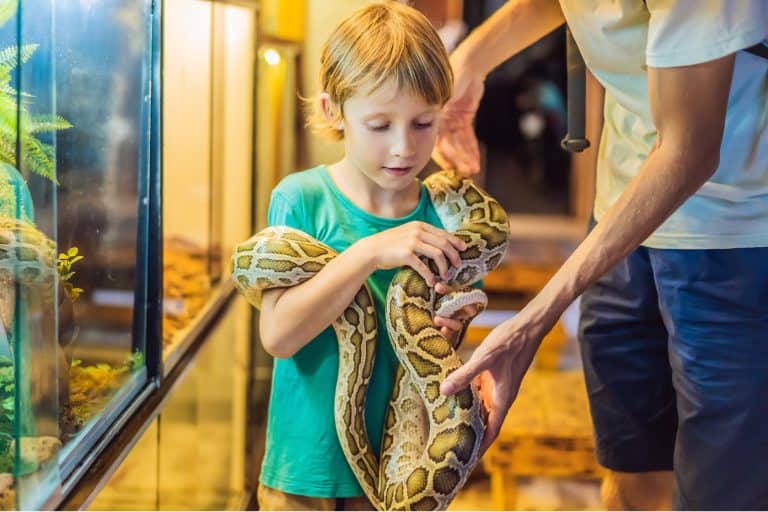
6. Reticulated Python (Malayopython reticulatus)
As the world’s longest snake species (regularly exceeding 20 feet), reticulated pythons are definitely in the heavyweight division. Native to Southeast Asia, these powerful constrictors have been responsible for several documented human fatalities.
While they don’t actively hunt humans, reticulated pythons are opportunistic predators with impressive strength… and they’ve been known to attack and consume adult humans.
Their hunting strategy involves ambushing prey, wrapping their muscular bodies around it, and squeezing until the victim suffocates.
7. Green Anaconda (Eunectes murinus)
The green anaconda is the world’s heaviest snake, with some individuals tipping the scales at over 500 pounds and stretching 20 to 30 feet long. These massive snakes make their homes in the swamps, rivers, and wetlands of South America.
Green anacondas are especially powerful and agile in the water, making them formidable hunters. While attacks on humans are extremely rare, they are physically capable of killing an adult through constriction.
That said, documented human fatalities are few, and there are no confirmed reports of a green anaconda swallowing a person whole.
Large Predatory Reptiles
8. Saltwater Crocodile (Crocodylus porosus)
Now this is a predator that commands respect! Saltwater crocodiles are the largest living reptiles on Earth, with males reaching lengths of 17 to 23 feet and weighing up to 2,200 pounds.
These formidable reptiles inhabit brackish and freshwater areas from Southeast Asia to northern Australia, and they are both highly aggressive and fiercely territorial.
Saltwater crocodiles hunt with a deadly combination of speed and power. Their explosive strikes are followed by a jaw crushing bite force exceeding 3,700 pounds per square inch – they have the strongest bite force of any animal that has been scientifically measured!
They’re also famous for their “death roll,” where they spin violently to tear apart their prey with ruthless efficiency.
9. Nile Crocodile (Crocodylus niloticus)
Africa’s answer to the saltwater crocodile, Nile crocodiles are responsible for more human fatalities than any other crocodilian species, with estimates ranging from few hundred to potentially 1,000 deaths per year. These massive reptiles can reach lengths of 16 to 20 feet and are found throughout sub-Saharan Africa.
Nile crocodiles are opportunistic hunters that will attack virtually anything that enters their territory… including humans.
They’re particularly dangerous near riverbanks where people gather water or cross rivers. Their ambush hunting style and incredible patience make them exceptionally effective predators.
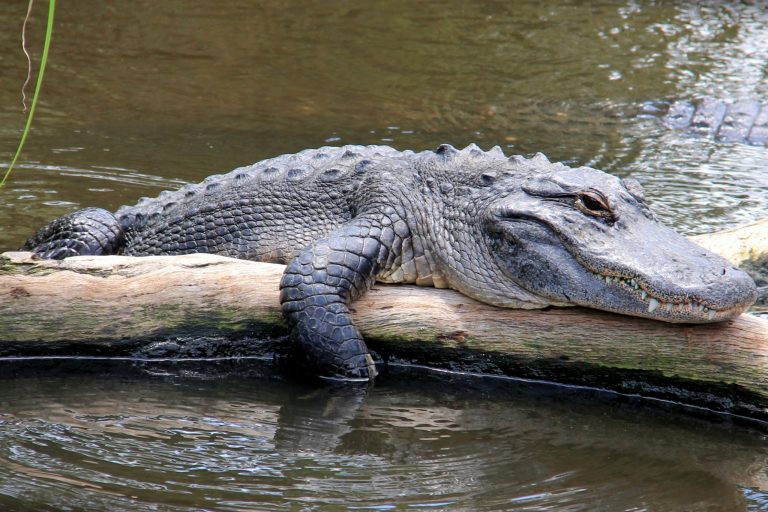
10. American Alligator (Alligator mississippiensis)
American alligators are generally less aggressive than their crocodile cousins, but they can still be dangerous… especially if they lose their natural fear of humans due to habituation and feeding.
These reptiles are found throughout the southeastern United States, with adult males reaching 11 to 15 feet in length.
Fatal alligator attacks are rare in the U.S., with an average of about one per year. However, incidents do occur, often when people swim in waters known to harbor alligators or approach them too closely (particularly while feeding or photographing them).
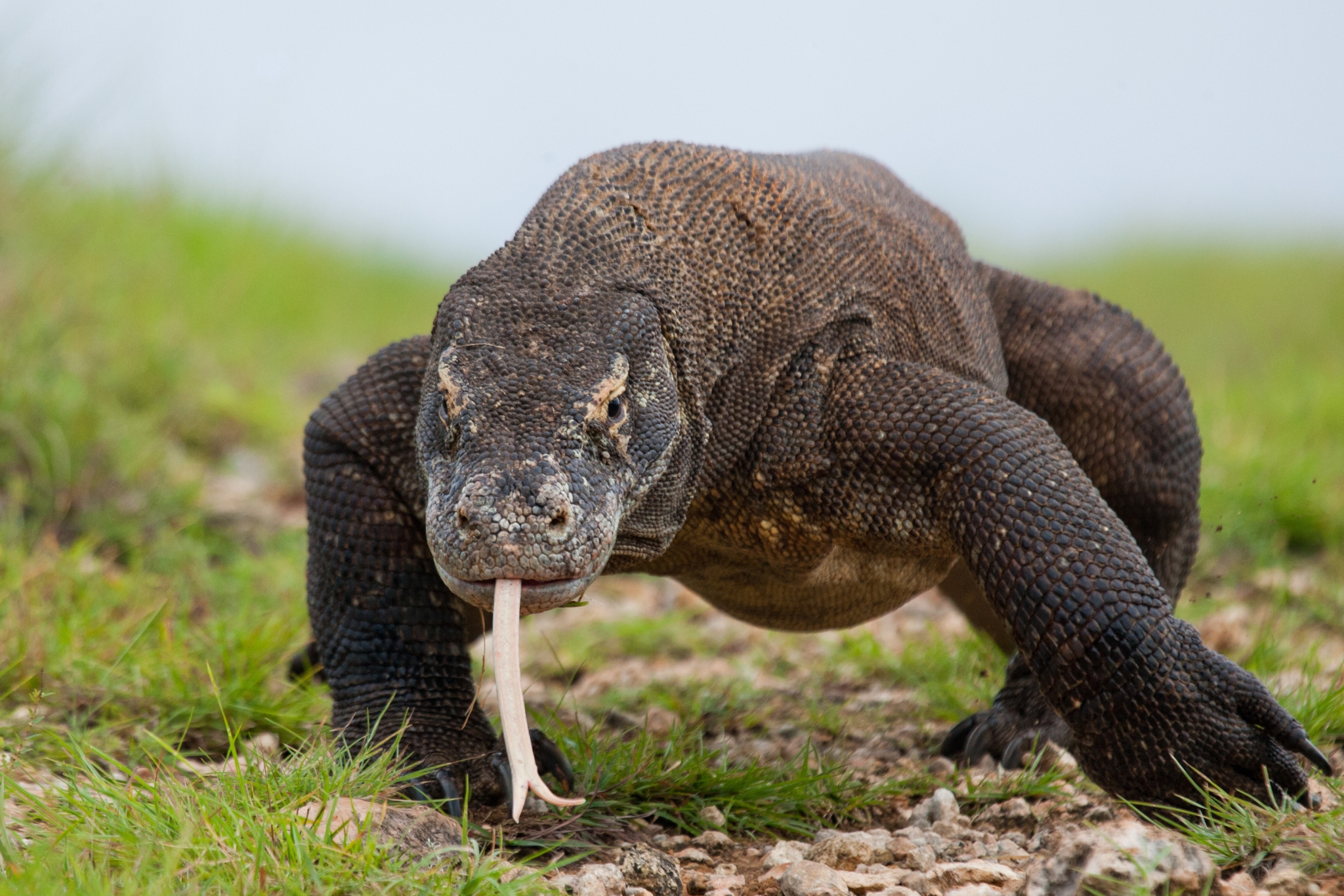
11. Komodo Dragon (Varanus komodoensis)
The world’s largest living lizard absolutely deserves a spot on this list. Native to a few Indonesian islands, Komodo dragons can reach 10 feet in length and weigh up to 300 pounds.
These incredible predators use a combination of sharp teeth, powerful claws, and venomous saliva to take down prey as large as water buffalo.
Komodo dragon saliva contains venom, which is loaded with toxins that lower blood pressure, cause massive bleeding, prevent clotting and induce shock, eventually causing prey to succumb.
While attacks on humans are relatively rare, several fatal incidents have been documented. Their remarkable sense of smell and persistence as hunters make them particularly formidable.
Geographic Distribution Where Are These Dangerous Reptiles Found?
Knowing where dangerous reptiles live is key to staying safe. Here’s a regional snapshot of some of the most notorious species:
- Southeast Asia: King cobras, reticulated pythons, saltwater crocodiles
- Sub-Saharan Africa: Black mambas, Nile crocodiles, various viper species
- Australia: Inland taipans, saltwater crocodiles, eastern brown snakes
- South Asia: Russell’s vipers, saw-scaled vipers, king cobras
- South America: Green anacondas, bushmaster snakes
- North America: American alligators, eastern diamondback rattlesnakes
From venomous snakes to massive crocodilians, these reptiles are spread across the globe – each adapted to thrive in their unique environments.
How to Avoid Dangerous Reptile Encounters Safety Tips
The good news? Most encounters with dangerous reptiles are completely preventable if you take some simple precautions:
- Stay alert in reptile habitats – When traveling in areas known for dangerous reptiles, always watch your surroundings.
- Never handle wild reptiles – Even experts approach these animals with extreme caution.
- Avoid swimming in crocodile territory – Follow local advice and pay attention to warning signs.
- Wear protective footwear – Essential when hiking in areas where snakes are common.
- Make noise while hiking – Many snakes will slither away if they hear you coming.
- Keep a safe distance – Use zoom lenses for photography instead of getting too close.
- Never feed wild reptiles – Feeding them can make them associate humans with food.
- Seek immediate medical care – If bitten or attacked, getting to a hospital quickly is critical.
The Importance of Conservation
Here’s something really important to remember: while these reptiles can certainly be dangerous, most are far more at risk from humans than we are from them. Habitat loss, climate change, and persecution threaten countless species.
Animals like saltwater crocodiles, king cobras, and Komodo dragons are all keystone species that play crucial roles in their ecosystems.
Instead of fearing these magnificent creatures, we should respect them and work toward coexistence. Most dangerous reptiles avoid humans whenever possible and only attack when threatened or surprised.
By understanding their behavior and protecting their habitats, we can safely admire these incredible animals and help ensure they thrive for generations to come.
Respecting Nature’s Most Dangerous Reptiles
The reptiles we’ve explored today are some of the most impressive examples of evolution in action. From the lightning quick strike of a black mamba to the sheer crushing power of a saltwater crocodile, these species have spent millions of years perfecting the art of survival.
While they certainly command respect (and absolutely deserve your caution!), dangerous reptiles shouldn’t be viewed as villains.
They’re essential players in healthy ecosystems and deserve our protection just as much as any other wildlife. By learning which species truly pose risks and how to safely coexist with them, we can admire their remarkable abilities while reducing the chances of dangerous encounters.
Whether you’re gearing up for an adventure in exotic habitats or simply expanding your wildlife knowledge, understanding these powerful reptiles is both smart and incredibly fascinating.
So stay curious, stay safe, respect the wild, and remember: these extraordinary creatures were here long before us – and they deserve every bit of our admiration and protection!