From Aspen to Coconut Husk 5 Best Substrates for Corn Snakes
Discover the best substrate options for corn snakes to ensure a safe, healthy, and comfortable habitat. Pros, cons, and expert setup tips included.
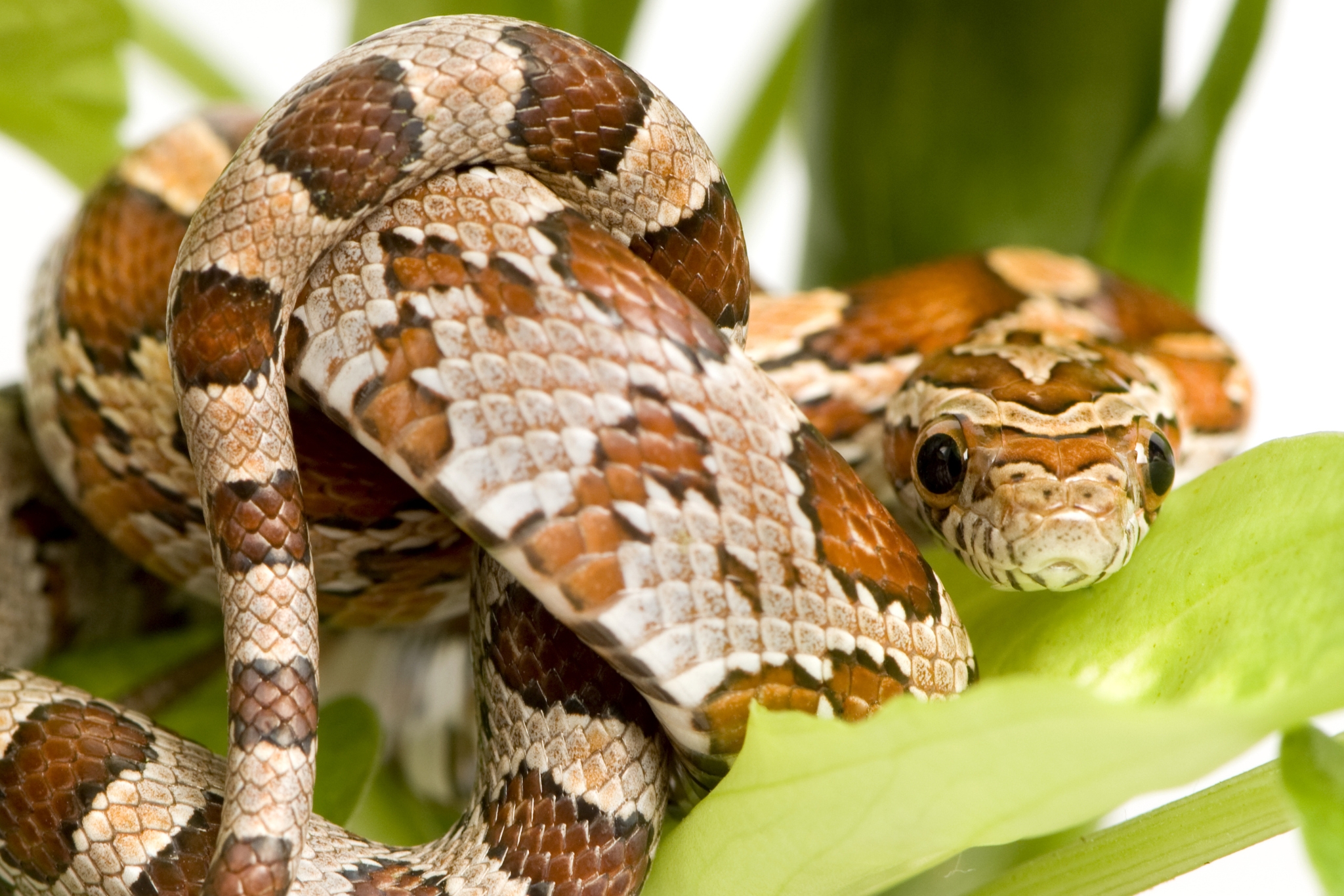
Choosing the right substrate for your pet corn snake is one of the most important decisions you’ll make as an owner. The material lining your snake’s enclosure plays a key role in hygiene, humidity, shedding, odor control, and overall health.
With so many options available, it can be difficult to determine which one truly offers the best balance of safety and practicality.
In this guide, we’ll break down the healthiest and most effective substrate options for corn snakes, along with maintenance tips, what to avoid, and how to choose the right setup for your snake’s specific needs.
Why Substrate Matters for Corn Snakes
Substrate isn’t just decorative—it plays a crucial role in your snake’s health, comfort, and overall well-being. A quality substrate helps to:
- Absorb waste and control odor
- Support natural behaviors, such as burrowing
- Maintain proper humidity levels
- Reduce the risk of scale rot and respiratory issues
- Create a more enriching, natural environment
On the other hand, the wrong substrate can lead to incomplete sheds, bacterial buildup, respiratory irritation, or even injury—especially if it’s overly abrasive or prone to mold.
Top Substrate Options
Here are the top substrate options recommended by herpetologists and experienced keepers, selected for their balance of health, ease of maintenance, and enrichment value:
🐍 1. Aspen Shavings — Best All Around Choice
Pros:
- Excellent absorbency
- Easy to spot‑clean and replace
- Safe for burrowing and exploration
- Low odor, economical
Cons:
- Not ideal for maintaining high humidity
- Not suitable if the snake has respiratory issues
Best for:
- Most corn snake setups — especially desert/standard enclosures.
Aspen strikes the perfect balance of cleanliness, safety, and enrichment, allowing snakes to burrow and stay comfortable.
🌿 2. Coconut Husk / Eco Earth — Great for Humidity
Pros:
- Excellent humidity control
- Holds moisture well without mold
- Natural, soft texture that many snakes enjoy
- Great for encouraging natural behavior
Cons:
- Needs more frequent spot‑cleaning
- Can be dusty if not pre‑moistened
Best for:
- Enclosures where slightly higher humidity is desired or during shedding season.
Pro Tip: Mix with other substrates or lightly moisten to reduce dust and optimize humidity.
🪵 3. Cypress Mulch — Natural Look & Good Humidity Management
Pros:
- Helps maintain humidity
- Soft and natural
- Aesthetic appeal for naturalistic setups
Cons:
- More expensive
- Needs careful cleaning
Best for:
- Beautiful, natural vivarium builds or bioactive enclosures.
Avoid mulches with dye or oils — only use reptile-safe cypress mulch.
🧱 4. Reptile Carpet — Reusable, Clean, Beginner‑Friendly
Pros:
- Easy to clean and reuse
- No dust or ingestion risk
- Great for visual clarity and hygiene
- Minimal odor
Cons:
- Doesn’t allow natural burrowing
- Needs frequent washing
- May trap waste underneath if not lifted often
Best for:
- Beginners, quarantine enclosures, or snakes that ingest loose substrate.
💧 5. Paper Towels / Newspaper — Best Temporary or Quarantine Substrate
Pros:
- Ultra‑clean and inexpensive
- Easy to change daily
- Perfect for sick, shedding, or newly acquired snakes
Cons:
- Not natural or enriching
- Doesn’t control humidity
Best for:
- Quarantine, post‑vet care, or temporary housing.
Substrates to Avoid
❌ Cedar or Pine bedding — contains toxic oils that can irritate respiratory systems
❌ Corn cob bedding — can mold and clump, leading to bacterial growth
❌ Sand — can cause impaction if ingested
❌ Cat litter or wood pellets — unsafe for snakes and can cause abrasive injury
A good rule of thumb: If it’s dusty, scented, or abrasive, skip it.
Matching Substrate to Your Snake’s Needs
Different situations call for different substrate choices:
🐍 Young corn snakes
Opt for paper towels to make monitoring health, waste, and feeding easier while keeping the enclosure clean.
🌡️ Shedding season
Choose substrates that retain a bit of moisture—like coconut husk—to support smooth, complete sheds.
🌵 Standard, healthy adult snakes
Aspen shavings are a reliable, low-maintenance option for everyday use, offering comfort and opportunities to burrow.
🏡 Naturalistic or bioactive habitats
Consider cypress mulch or Eco Earth blends, especially when paired with live plants and a cleanup crew, to create a more natural, enriching habitat.
How to Set Up Your Substrate
A well-planned setup can make a noticeable difference in your snake’s comfort and overall health:
- Thoroughly clean the enclosure before adding fresh substrate
- Add 2 to 4 inches of substrate to allow for natural digging and burrowing
- Place hides and décor on top, ensuring they’re secure and not buried too deeply
- Spot-clean waste daily and replace substrate as needed
Recommended maintenance routine:
- Spot clean: Daily
- Partial refresh: Weekly (depending on substrate type)
- Full replacement: Monthly, or sooner if heavily soiled
Consistent maintenance keeps the enclosure clean, odor-free, and safe for your snake.
Signs Your Substrate Needs Changing
Even the best substrates need to be replaced when certain warning signs appear:
- Persistent odors despite regular cleaning
- Mold or mites developing in the enclosure
- Incomplete or difficult sheds
- Respiratory symptoms, such as wheezing or bubbling around the mouth
Staying on top of these signs and replacing substrate promptly helps prevent health issues and ensures your snake’s environment remains clean, safe, and comfortable.
Choosing the Right Substrate for Your Snake
The best substrate for your pet corn snake ultimately comes down to your goals, humidity requirements, and enrichment preferences.
Whether you opt for aspen for everyday comfort or coconut husk for added humidity, the priorities should always be safety, cleanliness, and enrichment.
Remember, a thoughtfully chosen substrate not only supports your snake’s health but also encourages natural behaviors and makes your care routine more efficient—and more enjoyable.