How to Pick a Winning Barrel Racing Prospect What the Pros Look For
From hip angles to trainability, here’s what experienced barrel racers look for in a horse prospect. A must-read before you buy.
- Why Starting with the Right Prospect Matters
- Conformation Built for the Pattern
- Athletic Ability and Movement
- Mind and Temperament
- Breeding and Bloodlines
- Age and Training Level
- Pre-Purchase Veterinary Examination
- Watching the Horse in Action
- Budget and Realistic Expectations
- Final Thoughts on Finding Your Perfect Horse
Whether you’re a seasoned competitor or just stepping into the sport, picking the right barrel racing horse prospect is one of the most important—and potentially costly—decisions you’ll make.
Choose the wrong horse, and you could spend years training an animal that was never built for the job. Choose the right one, and you’ll have a future alleyway partner for years to come.
Here’s a breakdown of what to look for in a barrel racing prospect so you can make a confident, informed choice.
Why Starting with the Right Prospect Matters
Barrel racing is one of the most physically intense rodeo events a horse can take on. It demands explosive speed, razor sharp turns, balance, body control, and a strong mindset—all while running full out. Not every horse is naturally built for it, and no amount of training can fully make up for the wrong conformation or temperament.
Starting with a top notch prospect saves you time, money, and a lot of headaches down the line.
1. Conformation Built for the Pattern
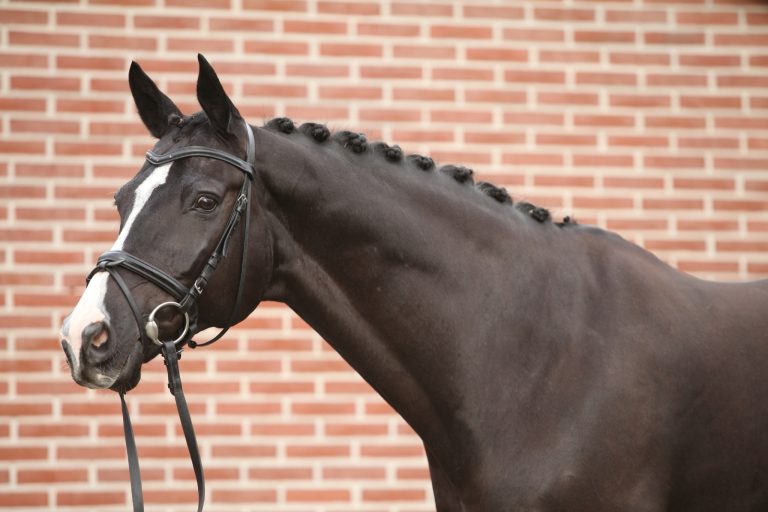
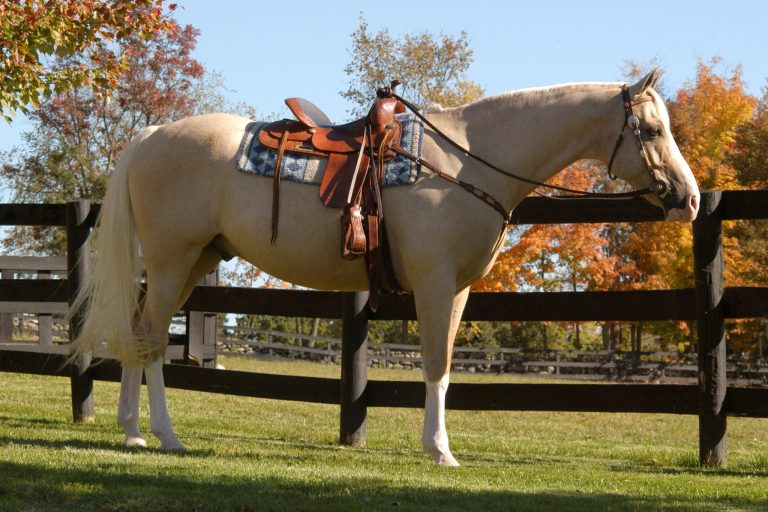
Before you evaluate anything else, look at the horse’s body. A barrel horse needs specific structural traits to perform the cloverleaf pattern efficiently and stay sound doing it.
- Hindquarters and hip: This is the engine of a barrel horse. Look for a well-muscled, powerful hip with a long hip angle. A horse with a strong, deep hip and well-sprung hindquarters can drive harder out of the turns and generate the acceleration that wins checks.
- Short back: A shorter back relative to the horse’s body length is a major advantage. It allows for more collection and easier engagement of the hindquarters. Long backed horses tend to struggle with tight turns and often break down faster under the physical demands of the sport.
- Well-angled shoulder: A laid-back, sloping shoulder allows for greater reach and a smoother, more fluid stride. Straight, upright shoulders create a choppy movement pattern that’s harder to control on the pattern.
- Straight legs and correct feet: Don’t skip a thorough visual and veterinary assessment of the legs and hooves. Offset knees, toeing in or out, small, misshapen feet, and weak pasterns are all red flags. A barrel horse’s legs absorb enormous impact—any structural deficiency will accelerate wear and eventually cause lameness.
- Neck set: A moderate neck set with good length allows the horse to balance itself through the turns. A neck that ties in low to the shoulder makes it harder for the horse to elevate its front end and rate to the barrel.
2. Athletic Ability and Movement
A horse might look great standing still, but the real test is in how it moves. Watch it at all gaits—walk, trot, and lope—and really pay attention to its body mechanics.
You’re after natural athleticism: a horse that moves fluidly through its topline, powers from its hindquarters, and carries itself with balance. Horses that naturally collect, adjust their stride, and show that quick, responsive “snap” in their movement are the ones to take seriously.
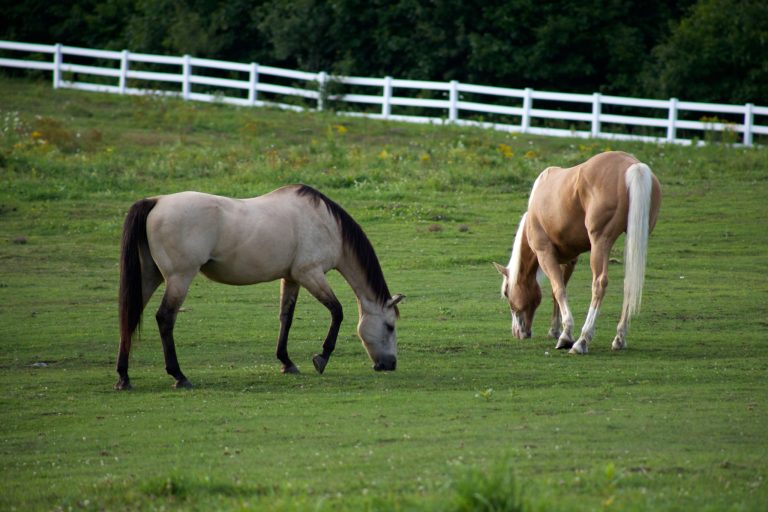
The best way to see this? Let the horse move freely on a loose rein or in a pasture. Ask yourself: Does it move with purpose? Stay balanced on turns? Rate its speed naturally? These are the raw athletic traits that shine in the barrel racing arena.
3. Mind and Temperament
A fast, athletic horse with terrible mental makeup is a nightmare on the pattern. Temperament is arguably as important as physical ability in a barrel racing prospect, and it’s one of the first things experienced buyers assess.
- Willingness to work: You want a horse that’s eager and forward thinking without being hot and uncontrollable. A horse that enjoys its job and meets pressure with effort rather than resistance is gold.
- Ability to focus: Barrel racing takes place in chaotic environments—loud arenas, bright lights, crowd noise, and high adrenaline energy. A horse that becomes mentally overwhelmed and can’t focus in stimulating environments will always struggle at competitions regardless of physical talent.
- Rate-ability: Can the horse rate itself? A horse that has no natural instinct to rate—to slow down, collect, and prepare for a turn—will be difficult to train on the barrel pattern. Look for a horse that already shows some natural rating instinct when it runs in a field or pasture.
- Trainability: Watch how the horse responds to pressure, correction, and new information. A horse that learns quickly and doesn’t hold onto bad experiences makes a far better long term investment than one that’s reactive, stubborn, or slow to learn.
4. Breeding and Bloodlines
In the barrel racing world, bloodlines matter—but they aren’t everything. That said, they do give you a useful framework for predicting athletic potential and disposition.
- Quarter Horses dominate the sport for good reason. Lines like Dash For Cash, Streakin Six, First Down Dash, Frenchmans Guy, and Tres Seis consistently produce horses with the speed, power, and mentality to excel in timed events. If you’re evaluating a Quarter Horse prospect, researching its pedigree can tell you a great deal about what to expect.
- Paints and Appendix Quarter Horses can also be excellent barrel horses, particularly those with strong Quarter Horse influenced pedigrees on the timed event side.
That said, bloodlines are a starting point, not a guarantee. A horse with a legendary pedigree that doesn’t move well, doesn’t have the right conformation, or has a difficult temperament is still a poor prospect. Use bloodlines as a guide, not a substitute for evaluation.
5. Age and Training Level
The ideal age for a barrel racing prospect depends on your goals, timeline, and experience level:
- Weanlings and yearlings offer the most potential upside but require years of investment before you’ll know if they have what it takes. These are best suited for experienced equestrians who enjoy developing young horses from the ground up.
- 2 and 3 year olds can be lightly started under saddle but should not be run on the barrel pattern at speed. Their joints, growth plates, and mental development aren’t ready for the physical demands of the sport. Rushing young horses leads to unsound horses.
- 4 to 6 year olds are the sweet spot for most buyers. These horses are old enough to have shown their movement, mental makeup, and basic trainability, but young enough to have a long competitive career ahead of them. If a prospect in this range has solid groundwork and some fundamentals, you have a realistic picture of what you’re buying.
- Older started prospects (6 to 8+ years) can be excellent choices if they’ve been started on the barrels with correct fundamentals and are still sound. Buying a prospect that has already been on the pattern gives you the advantage of seeing the horse in action—but make sure the foundation was built correctly, because bad habits at the barrel are harder to undo than no habits at all.
6. Pre-Purchase Veterinary Examination
This step is non-negotiable. A pre-purchase exam (PPE) performed by an independent veterinarian—not the seller’s vet—is essential before making any significant investment in a barrel horse prospect.
At minimum, request a thorough lameness evaluation, flexion tests on all four legs, and radiographs of the hocks, stifles, and feet. If the horse will be expected to perform at high speeds, consider asking for additional imaging of the fetlocks and navicular area.
Radiographs reveal joint issues, bone chips, early arthritis, navicular changes, and other problems that may not yet be causing noticeable lameness but will become issues down the line.
A clean PPE doesn’t guarantee a sound career, but it significantly reduces your risk.
Don’t let the excitement of a great looking horse or pressure from a seller talk you out of a proper veterinary evaluation. A $500 PPE can save you from a $15,000 mistake.
7. Watching the Horse in Action
If at all possible, watch the prospect being worked before you buy. A horse that has been started on the barrels should be able to demonstrate at least some basics—rating to the barrel, finding the pocket, turning with some form, and leaving the barrel with power.
Watch for these positive signs:
- The horse naturally seeks the barrel and shows curiosity about the pattern
- It rates on its own without extreme bracing or resistance
- It turns with some natural arc rather than cutting flat or diving inside
- It leaves each barrel with forward momentum and acceleration
- The rider isn’t fighting or forcing the horse through the pattern
Red flags to watch for:
- Refusing or running past barrels
- Knocking barrels without any apparent effort to avoid them
- Bucking or bolting when asked to run
- Extreme stiffness through the back and neck during turns
- Obvious discomfort or lameness at speed
If the horse hasn’t been started on barrels yet, ask to see it worked in an arena at speed. Watch how it handles pressure, how quickly it accelerates, and how naturally athletic it appears in unstructured movement.
8. Budget and Realistic Expectations
- Entry level untouched prospects from good bloodlines can range from a few hundred dollars to several thousand depending on pedigree, conformation, and region.
- Started prospects with correct barrel fundamentals from proven bloodlines can run anywhere from $5,000 to $30,000 or more depending on the market and competition record.
Be realistic about your budget—and honest about your skill level. A highly sensitive, talented prospect with a lot of “go” might be a nightmare for a less experienced rider and a dream for an advanced one. Matching the horse’s temperament and training level to your own ability is just as important as any physical evaluation.
Final Thoughts on Finding Your Perfect Horse
Finding a stellar barrel racing prospect is part science, part gut instinct, and part patience. There’s no such thing as a “perfect” horse—every prospect has its trade-offs—but knowing what matters most helps you make a smart, informed choice.
Keep your eye on honest conformation, natural athleticism, a willing mind, and veterinary confirmed soundness. Match the horse to your skill level, get the breeding right, and don’t rush the process.
The horses that last in the barrel racing world are the ones built for the job, started properly, and developed with care and patience.
Pick the right prospect, invest in a solid foundation, and the barrel pattern will practically ride itself