Quarter Horse Breed Guide Why America’s Most Popular Horse Wins Hearts
Discover everything about Quarter Horses in our complete breed guide. Learn about temperament, care, training, costs, and why they’re America’s most popular horse breed.
- What Is a Quarter Horse?
- Quarter Horse History: An American Legacy
- Physical Characteristics: Built for Performance
- Temperament: The Perfect Personality Package
- What Are Quarter Horses Used For?
- Caring for Your Quarter Horse
- Common Health Issues
- Buying a Quarter Horse: What to Expect
- Training Your Quarter Horse
- Famous Quarter Horses
- Is a Quarter Horse Right for You?
- Living with a Quarter Horse: Real Owner Experiences
- The Bottom Line: They’re America’s Horse for a Reason
If you’re looking for the perfect all American horse that combines athletic prowess with a gentle disposition, look no further than the Quarter Horse. As the most popular horse breed in the United States, these magnificent animals have captured hearts from coast to coast with their versatility, intelligence, and absolutely charming personalities.
Whether you’re a seasoned equestrian or just starting your horseback riding journey, this comprehensive guide will tell you everything you need to know about the beloved American Quarter Horse.
What Is a Quarter Horse?
The American Quarter Horse is a breed that truly embodies the American spirit. Named for their exceptional ability to sprint short distances (particularly the quarter mile) these horses are the Ferraris of the equine world when it comes to quick bursts of speed.
They’re compact, muscular, and built for performance, making them the go-to choice for everything from ranch work to competitive showing.
Quarter Horse History An American Legacy
The Quarter Horse’s story is as American as apple pie. This breed emerged in the 1600s when colonists in Virginia and the Carolinas began breeding their English horses with Native American horses that had Spanish ancestry. The result is an incredibly fast and nimble horse that could outrun anything over short distances.
These horses became absolutely essential on the American frontier. Cowboys relied on them for herding cattle, and ranchers treasured them for their “cow sense” (an innate ability to anticipate and respond to cattle movements).
In 1940, the American Quarter Horse Association (AQHA) was founded, and today it’s the largest breed registry in the world with over 6 million registered horses.
Physical Characteristics Built for Performance
Size and Build
Quarter Horses are the picture of athletic perfection. Here’s what you can expect:
- Height: Typically 14 to 16 hands (56 to 64 inches at the withers)
- Weight: 950 to 1,200 pounds on average
- Build: Compact, muscular, and powerful with a low center of gravity
Distinctive Features
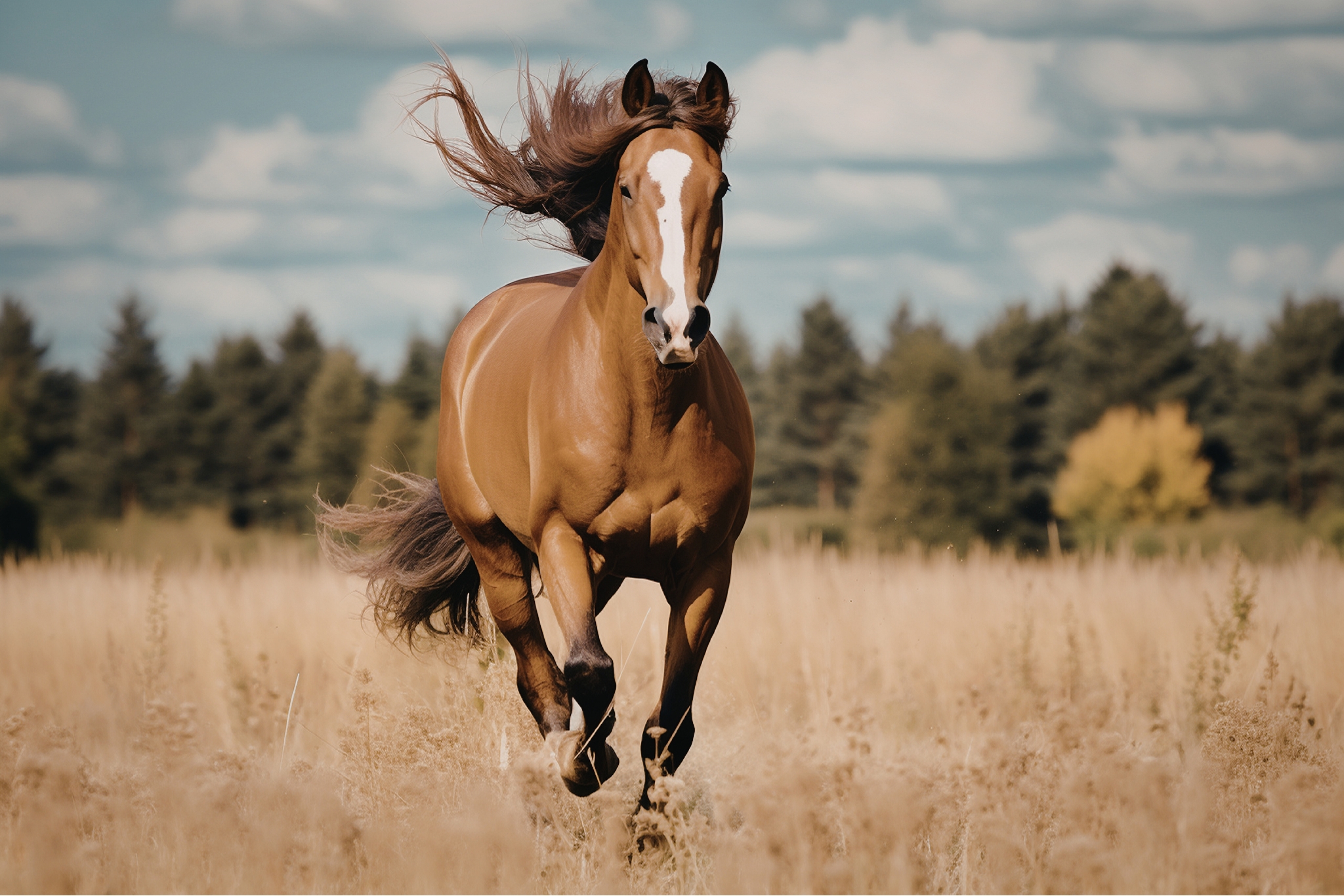
What makes a Quarter Horse instantly recognizable? Their physique is absolutely iconic. They sport a short refined head with intelligent eyes and alert ears. Their chest is broad and deep, providing plenty of lung capacity for those impressive sprints. Perhaps most notably, they have incredibly powerful hindquarters – the engine that powers their explosive acceleration and quick turns.
Their neck is flexible and well-muscled, flowing smoothly into nicely sloped shoulders. The overall impression is one of balance, strength, and athleticism wrapped in a surprisingly compact package.
Color Variations
Quarter Horses come in a gorgeous array of colors, though some are more common than others:
- Sorrel: The most popular color, ranging from copper red to deep reddish brown
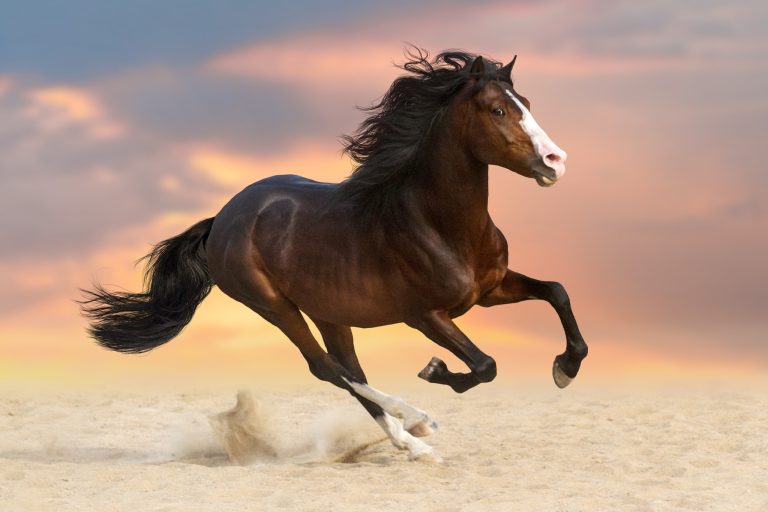
- Bay: Rich brown body with black points
- Black: Solid black throughout
- Chestnut: Reddish brown shades
- Palomino: Golden coat with white or cream mane and tail
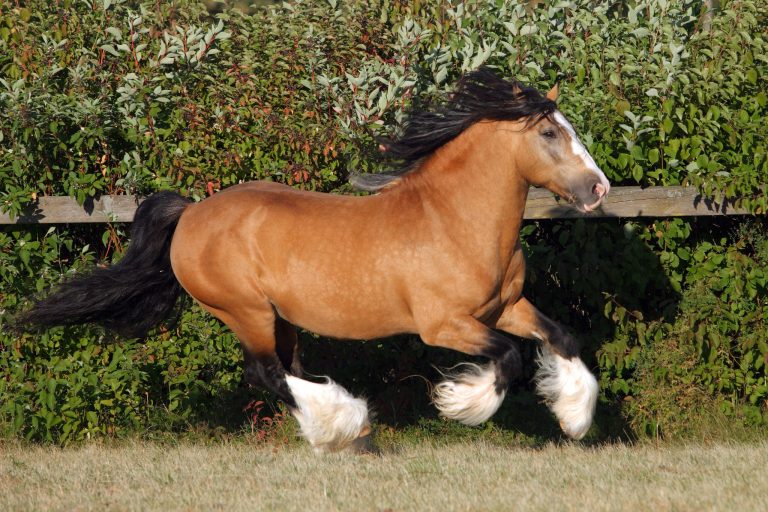
- Buckskin: Tan or gold with black points
- Gray: Ranging from light to dark gray
- Dun: Yellowish or tan with primitive markings
- Roan: Mix of white and colored hairs
The AQHA recognizes 17 official colors, so there’s truly a Quarter Horse for every aesthetic preference!
Temperament The Perfect Personality Package
Here’s where Quarter Horses really shine. These horses are known for being absolute sweethearts with temperaments that make them suitable for riders of all experience levels.
Key Personality Traits
- Gentle and Calm: Quarter Horses are famous for their steady unflappable nature. Usually they’re not easily spooked and tend to take things in stride, making them perfect for nervous riders or beginners.
- Intelligent and Trainable: These horses are smart cookies. They learn quickly and seem to genuinely enjoy working with humans. This intelligence, combined with their willingness to please, makes training and working with them a joy.
- Versatile and Adaptable: Whether you need a trail riding companion, a competitive show horse, or a working ranch partner, Quarter Horses adapt beautifully to different roles and environments.
- People Oriented: Many Quarter Horse owners describe their horses as true companions. These horses genuinely seem to enjoy human interaction and often form deep bonds with their owners.
What Are Quarter Horses Used For?
The versatility of Quarter Horses is truly unmatched in the equine world. Here are the most popular disciplines:
Western Riding Disciplines
- Reining: Horses perform intricate patterns including spins, slides, and rollbacks. Quarter Horses dominate this sport with their agility and responsiveness.
- Cutting: This showcases the Quarter Horse’s legendary “cow sense.” Horse and rider work together to separate a cow from the herd and prevent it from returning.
- Barrel Racing: Speed meets precision in this thrilling rodeo event. Quarter Horses excel at the tight turns and explosive acceleration required.
- Roping: Both team roping and calf roping rely heavily on the Quarter Horse’s quick reflexes and cattle-working instincts.
- Western Pleasure: A more relaxed discipline where horses are judged on their calm demeanor and smooth gaits.
- Western Dressage: A blend of classical dressage principles and Western riding, this discipline focuses on softness, balance, and correct movement while using Western tack and emphasizing a willing and relaxed partnership between horse and rider.
Ranch Work
Quarter Horses remain the first choice for working ranches across America. Their stamina, sure footedness, and natural cattle instincts make them irreplaceable partners for ranchers and cowboys.
Trail Riding
Looking for the perfect trail horse? Quarter Horses are fantastic choices. Their steady temperament, sure footedness on varied terrain, and comfortable gaits make them ideal for leisurely rides through nature.
English Disciplines
While primarily associated with Western riding, Quarter Horses have also competed successfully in English disciplines including:
- Hunter classes
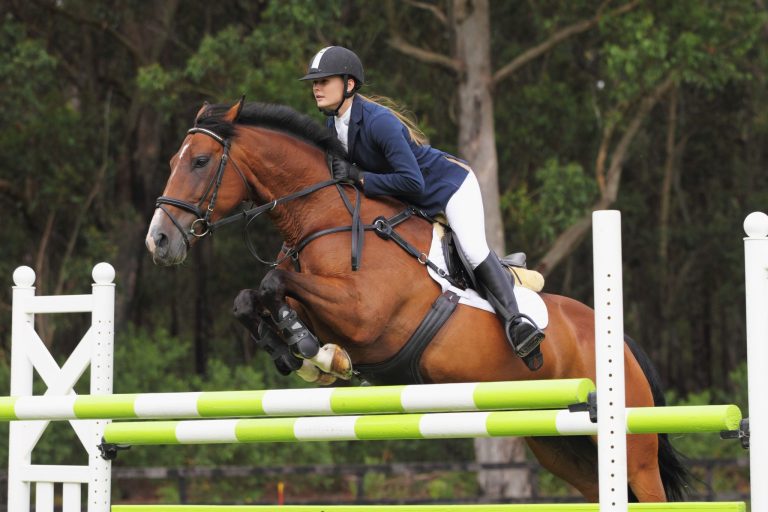
- Jumping
- Eventing
- Dressage
Racing
Don’t forget about their namesake talent! Quarter Horse racing remains popular, particularly in the Southwest. These horses are the fastest breed over short distances, reaching speeds up to 55 mph.
Caring for Your Quarter Horse
Feeding and Nutrition
Quarter Horses are generally “easy keepers,” meaning they maintain their weight well and don’t require excessive feed. However, they can be prone to obesity if overfed, so monitoring their diet is important.
A typical Quarter Horse diet includes:
- Quality Hay or Pasture: The foundation of their diet, typically 1.5% to 2% of their body weight daily
- Grain or Concentrate: Depending on activity level, typically 0.5% to 1% of body weight
- Fresh Water: Always available, around 10 to 12 gallons per day
- Salt: Either a salt block or added to their feed
- Supplements: Vitamin and mineral supplements as needed based on hay quality and workload
Exercise Requirements
Quarter Horses need regular exercise to stay healthy and happy. The amount depends on their role, but generally:
- Light Work: 3 to 4 times per week for trail horses or companions
- Moderate Work: 4 to 5 times per week for show horses or ranch horses
- Heavy Work: 5 to 6 times per week for competitive athletes
Always remember to include warm up and cool down periods, and dome forget to vary the routine to keep your horse mentally engaged.
Grooming
Regular grooming keeps your Quarter Horse looking fabulous and allows you to check for injuries or health issues:
- Daily: Pick out hooves, check for cuts or swelling
- Before and After Riding: Curry comb, body brush, and hoof pick
- Weekly: Thorough grooming session including mane and tail care
- As Needed: Bathing (not too frequently as it strips natural oils), trimming whiskers, mane, tail, and bridle path
Hoof Care
Regular farrier visits every 6 to 8 weeks are essential. Generally this breed has strong healthy hooves, but proper care does wonder to help prevent issues down the road.
Veterinary Care
Maintain a regular veterinary schedule including:
- Annual wellness exams
- Dental checkups and floating (every 6 to 12 months)
- Vaccinations (based on your location and use)
- Deworming program
- Coggins test (annual requirement in most areas)
Common Health Issues
While generally hardy, Quarter Horses can be predisposed to certain conditions:
Hyperkalemic Periodic Paralysis (HYPP)
This genetic condition causes muscle tremors and weakness. It’s traced back to a famous stallion named Impressive. Responsible breeders test for HYPP, and affected horses can often live normal lives with proper management.
Polysaccharide Storage Myopathy (PSSM)
This is a muscle disorder that can cause tying-up, stiffness, and reluctance to move. It’s manageable through diet and exercise modifications.
Navicular Disease
A degenerative condition affecting the navicular bone in the hoof (causing lameness). Proper hoof care and management can help prevent or slow progression.
Obesity and Metabolic Issues
Quarter Horses’ “easy keeper” status can work against them. Overweight horses are at risk for laminitis, insulin resistance, and other metabolic conditions. Proper diet and exercise are crucial.
Buying a Quarter Horse What to Expect
Quarter Horse prices vary dramatically based on age, training, bloodlines, and purpose:
- Companion or Project Horse: $1,000 to $5,000+
- Well-Trained Pleasure or Trail Horse: $5,000 to $10,000+
- Show Suality Horse: $10,000 to $50,000+
- High Level Competition or Breeding Horses: $50,000 to $500,000+
What to Look For
When shopping for a Quarter Horse, consider:
- Purpose: Match the horse’s training to your intended use
- Temperament: Spend time handling and riding before purchasing
- Health: Always get a pre-purchase veterinary exam!
- Conformation: Look for balanced structure without major flaws
- Bloodlines: Research the horse’s pedigree if breeding or showing is a goal
- Training: Understand what the horse knows and doesn’t know
Where to Buy
- AQHA breeders
- Horse auctions (but exercise caution!)
- Private sales
- Rescue organizations
- Professional trainers
Training Your Quarter Horse
Quarter Horses are incredibly trainable, and their intelligence and willingness to please make them responsive students.
Training Tips
- Start Young: While you can train horses at any age, starting a young Quarter Horse (typically around age 2 to 3) establishes good habits early.
- Be Consistent: These smart horses learn patterns quickly, so consistency in your commands and expectations is key.
- Use Positive Reinforcement: Quarter Horses respond beautifully to praise and rewards. They want to please you.
- Keep Sessions Engaging: Break up training with variety to prevent boredom and maintain enthusiasm.
- Build Trust: Spend time bonding with your horse outside of riding and training. This foundation of trust enhances your working relationship.
Famous Quarter Horses
Throughout history, several Quarter Horses have achieved legendary status:
- Dash for Cash: An influential racing and breeding stallion who revolutionized Quarter Horse racing
- Doc Bar: Foundation sire for countless cutting and ranch horses
- Zippo Pine Bar: Dominated Western pleasure showing
- Poco Bueno: One of the most influential Quarter Horses in history
- Two Eyed Jack: Legendary sire known for producing exceptional offspring
Is a Quarter Horse Right for You?
Quarter Horses make wonderful partners for many equestrians. They’re ideal if you:
- Want a versatile horse for multiple disciplines
- Appreciate a calm and steady temperament
- Need a family friendly horse suitable for various skill levels
- Plan to compete in Western events
- Work cattle or need a reliable ranch horse
- Prefer a compact and athletic horse
They might not be the best fit if you:
- Exclusively want to compete in high level English disciplines – but they certainly can compete at lower levels!
- Need a horse for long distance endurance riding
- Prefer taller horses (though some Quarter Horses do grow quite tall)
Living with a Quarter Horse Real Owner Experiences
Quarter Horse owners consistently praise their horses’ reliability, intelligence, and versatility. Many describe them as “once in a lifetime” horses who become true partners rather than just animals they ride.
The breed’s adaptability means they transition well between different jobs. Your barrel racing prospect might also be a calm babysitter for your kids’ riding lessons. That ranch horse could excel in Western pleasure classes on the weekend.
This versatility makes Quarter Horses an excellent investment for families or riders who want to explore multiple equestrian activities.
The Bottom Line They’re America’s Horse for a Reason
The American Quarter Horse didn’t become the most popular breed in the United States by accident. These remarkable horses combine athletic ability, intelligence, versatility, and a wonderful temperament into one absolutely perfect package.
Whether you’re dreaming of competing at Western riding events, need a reliable partner for working cattle, or simply want a trustworthy companion for trail rides, a Quarter Horse can fit the bill. Their adaptability is unmatched, their loyalty is unwavering, and their willingness to please is truly heartwarming.
Ready to start your Quarter Horse journey? Research reputable breeders and trainers in your area, connect with the AQHA for resources and guidance, and prepare to meet your new best friend.
Welcome to the wonderful world of Quarter Horses… where America’s most beloved breed is waiting to steal your heart!