Best Countries for Wildlife Photography Top Destinations Every Photographer Should Visit
From the African savanna to Arctic tundra—discover where to capture the world’s most incredible wildlife through your lens. Your ultimate guide to the 10 best wildlife photography destinations on Earth.
- Kenya: The Classic Safari Experience
- Tanzania: Kenya’s Stunning Neighbor
- Botswana: For Serious Photographers
- Costa Rica: Rainforest Paradise
- India: Tigers & Big Cat Territory
- Galápagos: Wildlife Photography on Easy Mode
- Namibia: Desert Landscapes Meet Wildlife
- Norway & Svalbard: Arctic Adventures
- Canada: Polar Bears to Grizzlies
- Brazil: Pantanal & Amazon
- Essential Gear & Prep Tips
- Choose Your Adventure
So you’ve got your camera gear ready, your adventure spirit is buzzing, and you’re ready to photograph some of the world’s most incredible wildlife. Fantastic! But here’s the million dollar question: Where should you actually go?
Whether you’re a seasoned photographer with a lens collection that would make Ansel Adams jealous or someone who just upgraded from an iPhone to their first DSLR, choosing the right destination can make all the difference between “meh” snapshots and frame-worthy masterpieces.
Let’s explore the absolute best countries for wildlife photography, complete with insider tips on what to photograph, when to visit, and why these destinations deserve a spot on your bucket list.
Kenya The Classic Safari Experience
This East African gem is essentially the Ivy League of wildlife photography destinations. If you’ve ever dreamed of photographing the Great Migration or capturing a lion’s portrait at golden hour, Kenya is calling your name.
What Makes Kenya Special
The Masai Mara is where over 1.5 million wildebeest make their dramatic river crossings between July and October, and honestly, it’s one of the most spectacular natural events you’ll ever witness through a viewfinder. You’ll also find the Big Five—lion, leopard, rhinoceros, elephant, and Cape buffalo—in abundance, along with cheetahs, giraffes, zebras, and over 400 bird species.
Tanzania Kenya’s Equally Stunning Neighbor
Right next door to Kenya, Tanzania offers equally incredible wildlife photography opportunities with perhaps even more diverse landscapes. The Serengeti National Park shares the same ecosystem as the Masai Mara, while the Ngorongoro Crater provides a completely unique setting that’s basically a natural amphitheater filled with wildlife.
What Makes Tanzania Special
The Ngorongoro Crater is home to one of the densest populations of lions in Africa, and the permanently available water means wildlife congregates here year-round. Mount Kilimanjaro provides stunning backdrops for your wildlife shots. If you’re into primate photography, the chimpanzees of Gombe Stream National Park are absolutely captivating.
Botswana For the Serious Wildlife Photographer
If you’re ready to level up your wildlife photography game, Botswana is where the magic happens. This country has a totally different vibe from the classic East African safari, with a focus on low-impact, high-quality experiences.
What Makes Botswana Special
The Okavango Delta is a UNESCO World Heritage site and one of the world’s largest inland delta systems, creating an oasis that attracts incredible concentrations of wildlife. You’ll find healthy populations of African wild dogs—one of the continent’s most endangered predators—along with elephants, hippos, and spectacular birdlife. The exclusivity factor means fewer vehicles competing for the perfect shot.
Costa Rica Rainforest Paradise for Wildlife Photographers
Switching continents completely, Costa Rica is an absolute dream for photographers who love tropical wildlife, vibrant colors, and incredible biodiversity packed into a relatively small country.
What Makes Costa Rica Special
Despite being roughly the size of West Virginia, Costa Rica contains about 5% of the world’s biodiversity. You can photograph everything from resplendent quetzals and scarlet macaws to three-toed sloths, poison dart frogs, and all four species of monkeys. The variety of ecosystems—cloud forests, rainforests, mangroves, and coastal areas—means endless photographic possibilities.
India Tigers, Leopards, and Incredible Diversity
For photographers who want to capture some of the world’s most elusive and stunning big cats, India is absolutely essential. The country’s national parks offer some of the best tiger photography opportunities on the planet.
What Makes India Special
Ranthambore, Bandhavgarh, and Kanha National Parks are prime tiger territories where sightings are relatively common—though never guaranteed, that’s wildlife for you! You’ll find Asian elephants, leopards, sloth bears, hundreds of bird species, and the endangered one-horned rhinoceros in Kaziranga National Park.
The Galápagos Islands Wildlife Photography on Easy Mode
The Galápagos Islands are technically part of Ecuador, but they deserve their own spotlight. If you’ve ever wanted to photograph wildlife that’s completely unfazed by human presence, this is your destination.
What Makes Galápagos Special
The animals here have evolved without natural predators, so they display zero fear of humans. You can photograph blue-footed boobies, marine iguanas, giant tortoises, sea lions, and penguins at absurdly close ranges. The variety of endemic species found nowhere else on Earth is staggering, and the volcanic landscapes provide dramatic backdrops.
Namibia Desert Landscapes Meet Wildlife
For photographers who love stark, dramatic landscapes paired with uniquely adapted wildlife, Namibia is seriously special. This is where you’ll capture images that look completely different from typical safari photography.
What Makes Namibia Special
Etosha National Park features a massive salt pan that creates otherworldly landscapes. You can photograph desert-adapted elephants, lions, and rhinos that have evolved to survive in harsh conditions. The skeletal trees of Deadvlei provide surreal foreground elements, and the seal colonies at the Skeleton Coast are massive and highly photogenic.
Norway and Svalbard Arctic Wildlife Photography
Shifting to the polar regions, Norway and Svalbard offer completely unique wildlife photography opportunities if you’re drawn to Arctic species and dramatic icy landscapes.
What Makes Norway/Svalbard Special
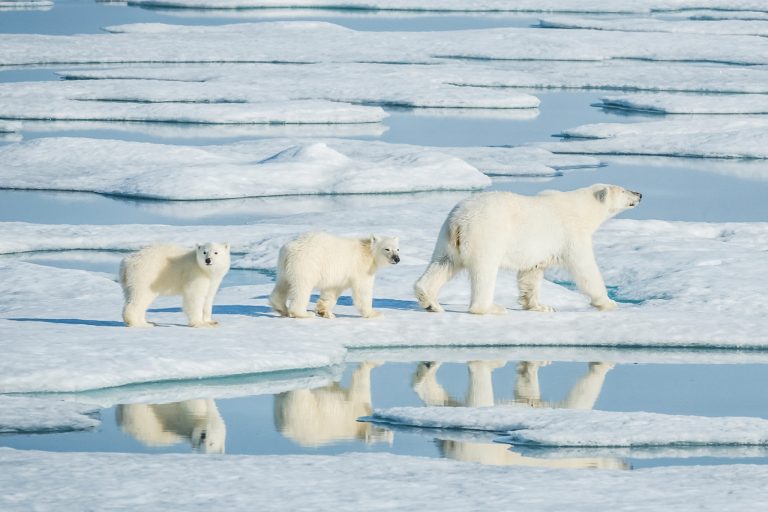
Svalbard is one of the best places on Earth to photograph polar bears in their natural habitat. You’ll also encounter Arctic foxes, reindeer, walruses, and various seal species. The midnight sun during summer provides extended shooting hours, while winter offers the Northern Lights as a spectacular backdrop.
Canada From Polar Bears to Grizzlies
Canada offers incredible diversity for wildlife photographers, from polar bears in Churchill, Manitoba, to grizzlies in British Columbia and the Canadian Rockies.
What Makes Canada Special
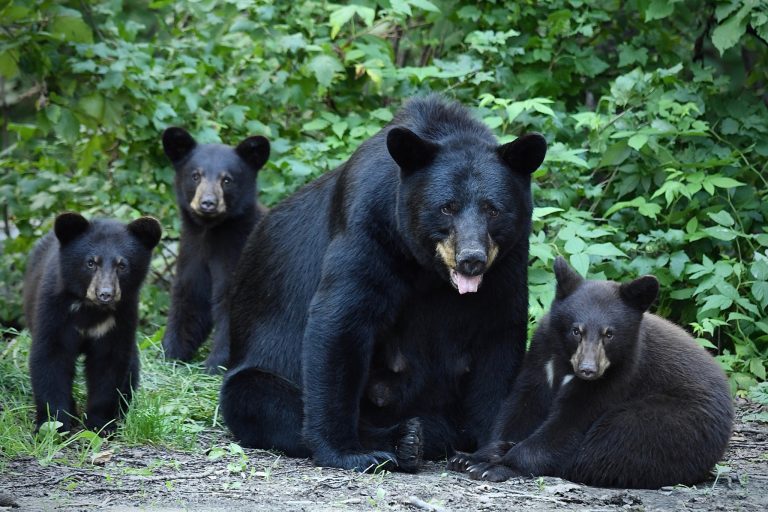
Churchill is known as the “Polar Bear Capital of the World” and offers specialized tundra buggy tours for incredible bear photography. British Columbia’s Great Bear Rainforest is home to the rare Kermode bear (Spirit Bear). The Canadian Rockies provide opportunities to photograph elk, bighorn sheep, mountain goats, and both black and grizzly bears against stunning mountain backdrops.
Brazil Pantanal and Amazon Adventures
While Costa Rica gets tons of attention for tropical wildlife, Brazil’s Pantanal wetlands actually offer easier wildlife viewing than the Amazon, making it fantastic for photography.
What Makes Brazil Special
The Pantanal is the world’s largest tropical wetland and has the highest concentration of wildlife in South America. You can photograph jaguars with better sighting rates than almost anywhere else, giant otters, capybaras, caimans, and hundreds of bird species including the stunning hyacinth macaw. The relatively open terrain makes photography significantly easier than in dense rainforest.
Essential Gear and Prep Tips What You Need to Know
Before you jet off to any of these incredible destinations, let’s talk gear and preparation. Success in wildlife photography isn’t just about being in the right place—it’s about being properly equipped and prepared.
📷 Camera Equipment
A telephoto lens is absolutely essential—300mm minimum, with 400 to 600mm ideal for most wildlife. The longer the focal length, the better your chances of capturing intimate portraits without disturbing your subjects.
Telephoto Lens: 300-600mm for most wildlife, longer for distant subjects
Tripod or Monopod: Essential for stability during long waits and heavy lens support
Extra Batteries: Multiple spares, especially for cold climates (temperatures drain batteries fast)
Memory Cards: Bring plenty—memory is cheap compared to missing that once-in-a-lifetime shot
Lens Cleaning Kit: For dust, moisture, and keeping your glass pristine
Comfortable Camera Bag: Quality padding and ergonomics matter on long days in the field
🔍 Research and Timing
Understanding animal behavior and seasonal patterns can dramatically improve your success rate. When do animals come to water? What time of day are predators most active? Which season offers the best light and wildlife activity?
Working with experienced, knowledgeable guides who know when and where animals are most likely to be found significantly increases your chances of amazing photographs. These local experts can read subtle signs and position you for the best shots.
❤️ Ethics and Etiquette
Remember: A photograph is never worth stressing or endangering an animal. The most powerful wildlife images come from patience, respect, and allowing nature to reveal itself on its own terms.
“The world is overflowing with unforgettable wildlife photography destinations. Follow what excites you most, plan carefully, and get ready for an adventure of a lifetime.”
Choose Your Own Adventure
The truth is, there’s no single “best” country for wildlife photography—it all comes down to what you want to capture and the kind of experience you’re looking for.
Dreaming of big cats roaming the African savanna? Kenya, Tanzania, or Botswana should be at the top of your list. Fascinated by life in lush tropical rainforests? Costa Rica and Brazil offer incredible opportunities. Drawn to stark, icy landscapes and Arctic wildlife? Norway and Canada are calling.
My advice? Follow what excites you most, plan carefully, invest in knowledgeable guides, and get ready for an unforgettable adventure. Each destination offers something unique and spectacular—the hardest part is choosing just one.