This post contains affiliate links. If you make a purchase through one of these links, we may earn a small commission at no extra cost to you.
The Best Freshwater Aquarium Plants for Crystal Clear Water Quality
From fast growing stem plants to nutrient hungry floaters, discover the best freshwater plants for reducing nitrates and improving water clarity.
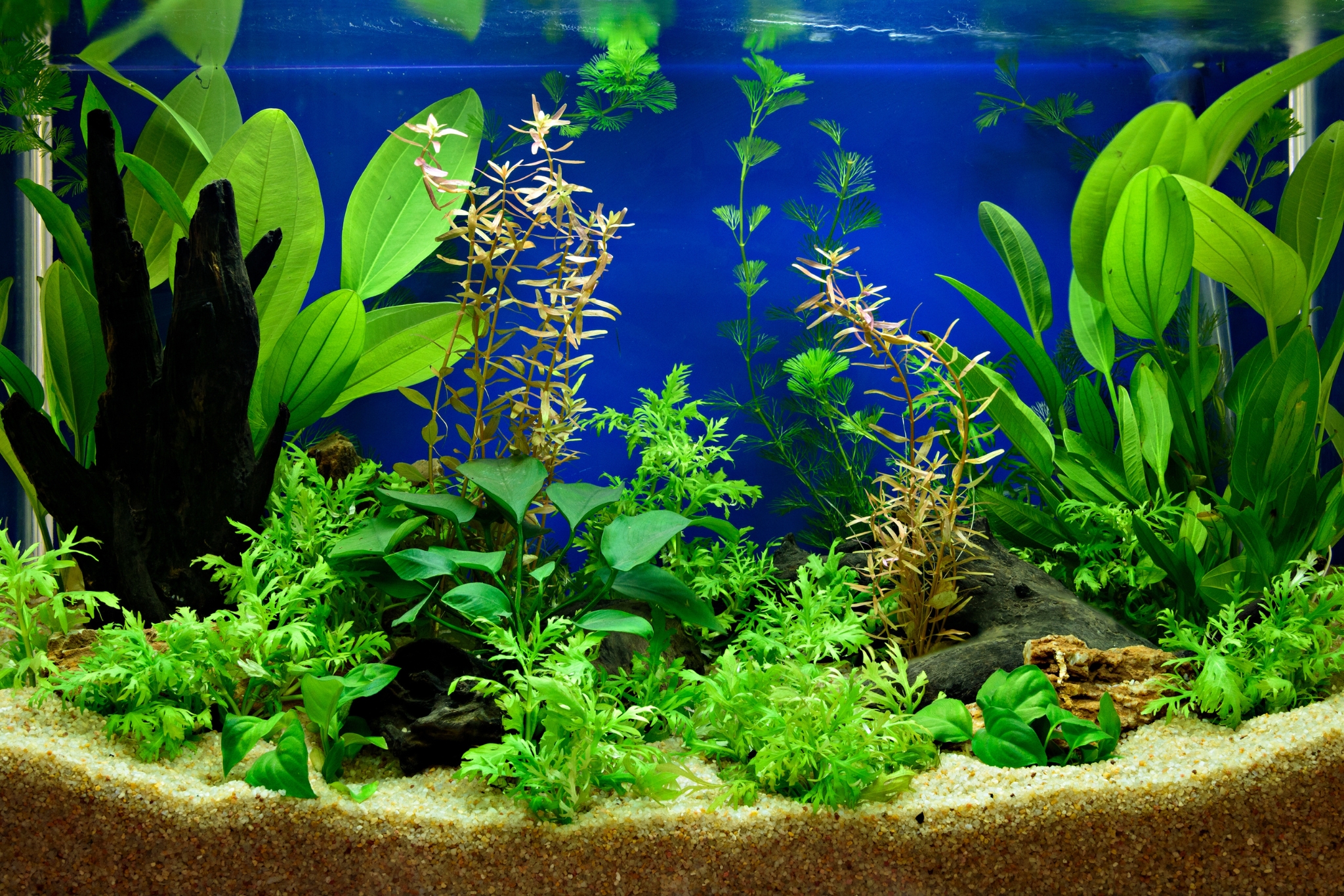
Live plants are one of the most overlooked tools for keeping a healthy freshwater tank. While filters handle mechanical and biological filtration, plants tackle something filters can’t: they actively consume the nitrogen compounds, phosphates, and CO2 that build up between water changes.
A well-planted tank often needs less frequent maintenance, grows less algae, and gives fish a more stable, natural environment.
Here’s a look at some of the best freshwater plants for improving water quality, along with how they grow and what makes each one useful.
Why Plants Improve Water Quality
Fish waste and leftover food eventually break down into ammonia. Beneficial bacteria then convert that ammonia into nitrite and, eventually, nitrate. In a tank without plants, nitrate keeps building up until you remove it with a water change.
Live plants can help by taking up ammonia and nitrate as nutrients while they grow. They’re essentially competing with algae for the same nutrients, which can mean fewer algae blooms, lower nitrate levels, and more oxygen in the water during the day.
Fast growing plants are especially good at soaking up nutrients, which is why aquarium keepers often call certain species “nutrient sponges.”
Fast Growing Stem Plants
Stem plants are the workhorses of a water quality focused tank.
Because they grow rapidly and can be trimmed and replanted again and again, they pull nutrients out of the water column at a pace few other plant types can match—which makes them one of the fastest ways to see a measurable drop in nitrates.
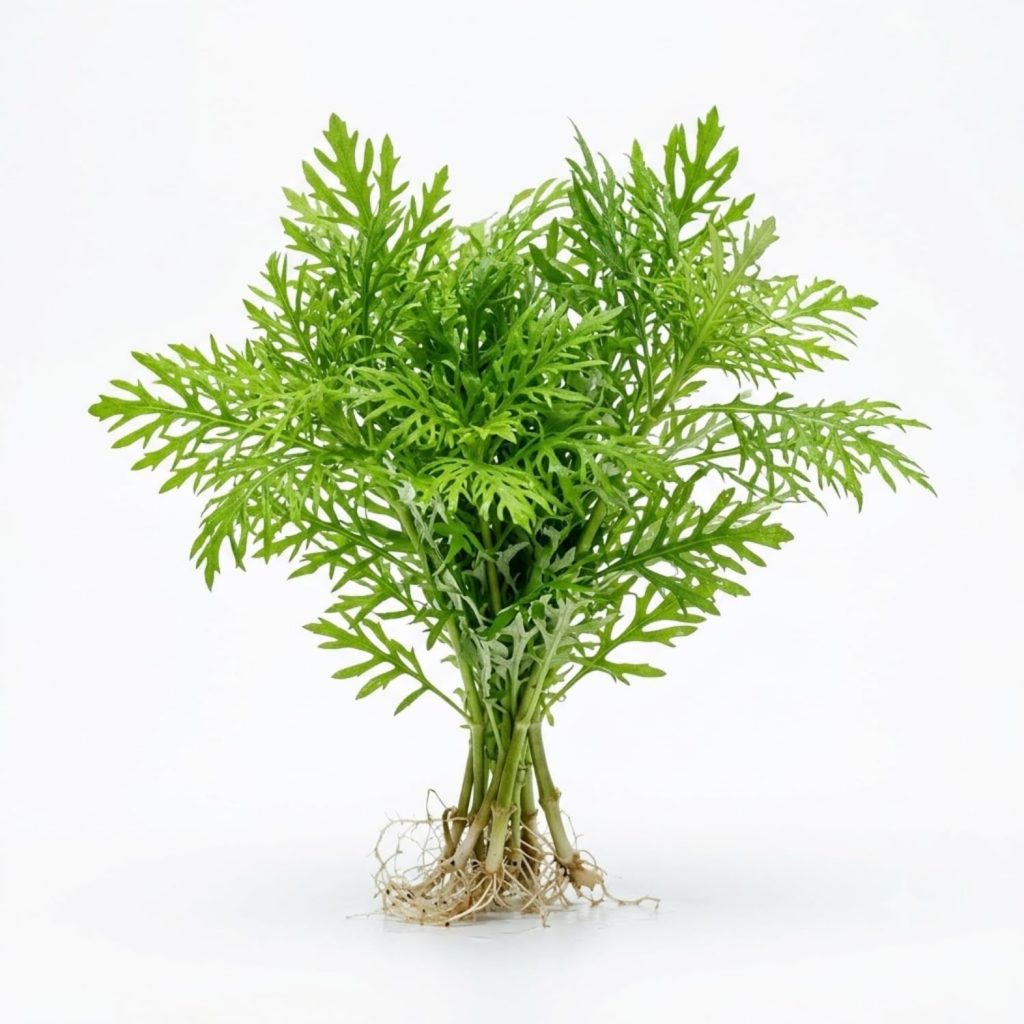
Wisteria (Hygrophila difformis)
- One of the easiest stem plants available, water wisteria grows quickly in a wide range of lighting conditions and pulls nitrates aggressively while it does.
- It can be planted in substrate or left floating, and its feathery leaves also give fry and shrimp places to hide.
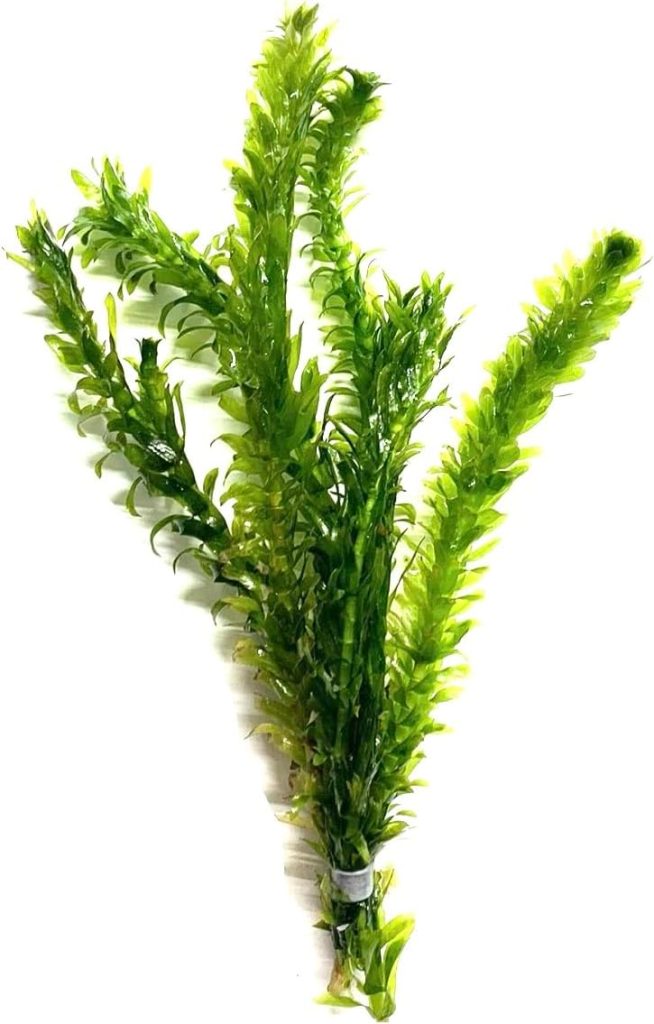
Anacharis (Egeria densa)
- Anacharis is famous for being nearly indestructible and extremely fast growing, which makes it excellent at outcompeting algae for nutrients.
- It’s sold in bunches, doesn’t need substrate, and can simply be weighted down or left to float near the surface.
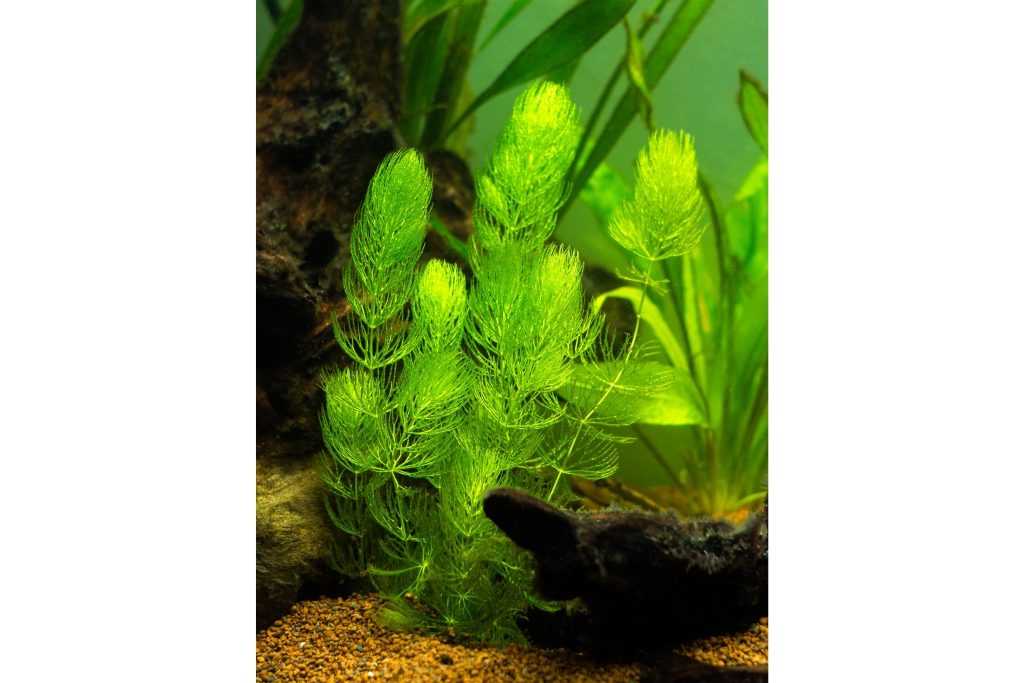
Hornwort (Ceratophyllum demersum)
- Hornwort has no true roots and absorbs nutrients directly through its stems and needle-like leaves, which makes it one of the fastest nutrient absorbers in the hobby.
- It also releases mild allelopathic compounds that can suppress algae growth.
Floating Plants
Floating plants deserve special mention because their leaves sit above the waterline, giving them direct access to atmospheric CO2—that means they grow faster than most submerged plants and pull nutrients out of the water column at a higher rate.
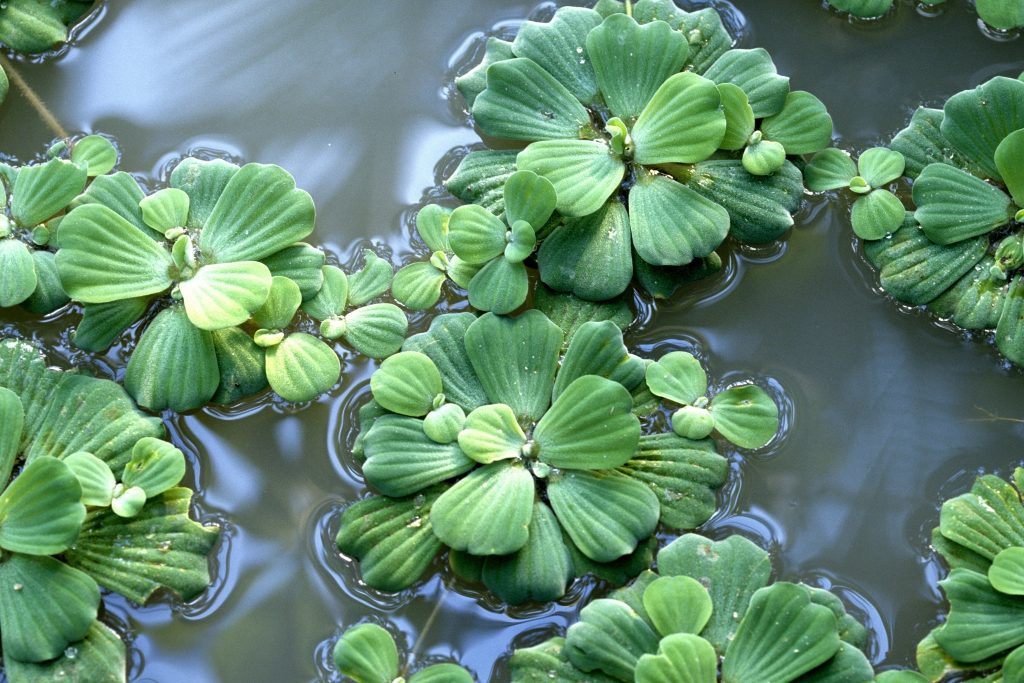
Water Lettuce (Pistia stratiotes)
- Water lettuce forms dense mats of roots that trail down into the water, creating a huge surface area for nutrient uptake.
- It’s particularly effective at reducing nitrates and also blocks some surface light, which helps control algae in tanks that get too much sun.
Duckweed (Lemna minor)
- Duckweed is one of the most efficient nitrate absorbers available, but it spreads fast and can be difficult to fully remove once established.
- It works best in tanks where some surface coverage is welcome, or as a nutrient export crop that gets scooped out and composted regularly.
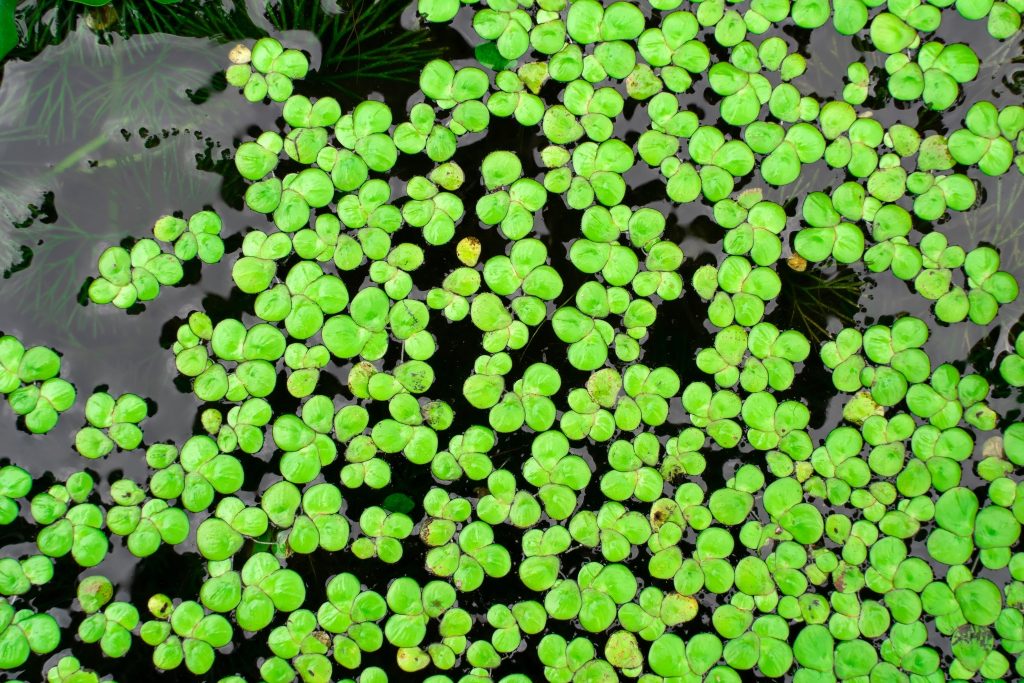
Frogbit (Limnobium laevigatum)
- Frogbit offers similar nutrient absorbing benefits to duckweed with far less risk of taking over, since its larger leaves are easy to thin out by hand.
- It also provides shade that many fish species, especially bettas and gouramis, appreciate.
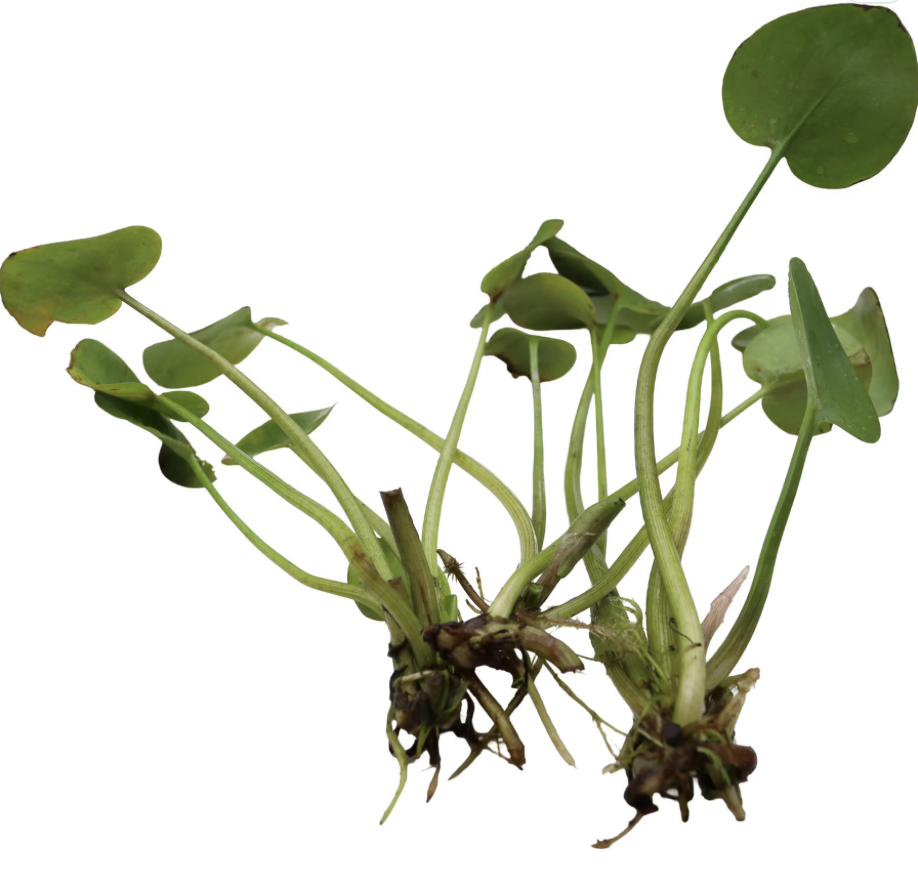
Root Feeding Plants for Substrate Nutrient Control
While stem and floating plants clean the water column, root feeders work below the surface. Their extensive root systems draw nutrients directly out of the substrate, intercepting waste before it has a chance to decompose and leach excess nutrients back into the tank.
Amazon Sword (Echinodorus amazonicus)
- Amazon swords develop large root systems that draw nutrients directly from the substrate, which helps prevent excess buildup from settling and decomposing at the bottom of the tank.
- Their broad leaves also provide shade and cover for shy fish.
![Amazon Sword<!-- wp:kadence/column {"borderWidth":["","","",""],"uniqueID":"13361_c13fb7-fb","kbVersion":2} -->
<div class="wp-block-kadence-column kadence-column13361_c13fb7-fb"><div class="kt-inside-inner-col"><!-- wp:html -->
<a id="3956822" href="https://chewy.sjv.io/c/7617893/3054490/32975?prodsku=3956822&u=https%3A%2F%2Fwww.chewy.com%2Fquinns-fins-amazon-sword-live%2Fdp%2F3956822%3Futm_source%3Dgoogle-product%26utm_medium%3Dorganic%26utm_content%3DQuinn%2527s%2520Fins&intsrc=PUI2_24727" target="_top"><img src="https://image.chewy.com/catalog/general/images/moe/069977e4-8ca7-705d-8000-3bae27c8a38f._AC_SS1800_V1_.jpg" border="0" alt=""/></a>
<!-- /wp:html --></div></div>
<!--](https://faunadiscovery.com/wp-content/uploads/2026/08/Untitled-1600-x-900-px-2048-x-1366-px-1054-1024x683.jpg)
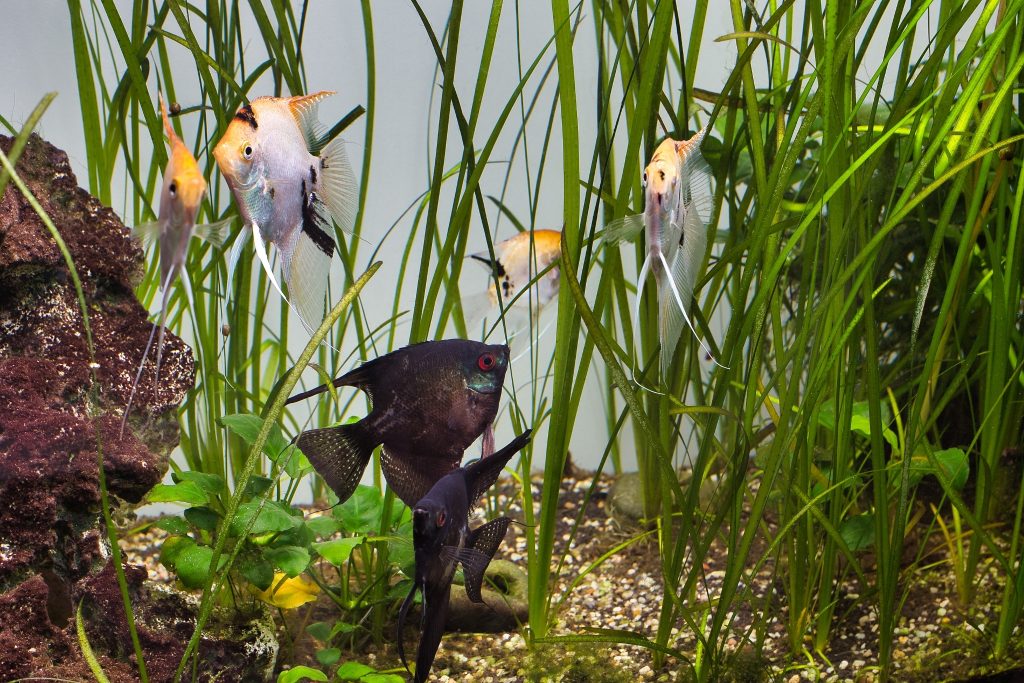
Vallisneria (Vallisneria spiralis)
- Vallisneria spreads through runners to form a grass-like carpet, gradually colonizing the substrate and continuously drawing nutrients as it multiplies.
- It’s a strong choice for tanks with sandy substrates that don’t hold nutrients well.
Low Light + Low Maintenance Options
Not every tank has strong lighting, and not every aquarist wants to dose CO2 or chase fast growers around with a trimmer. These species trade speed for reliability—they won’t outcompete algae overnight, but they steadily chip away at nutrient levels with almost no upkeep required.
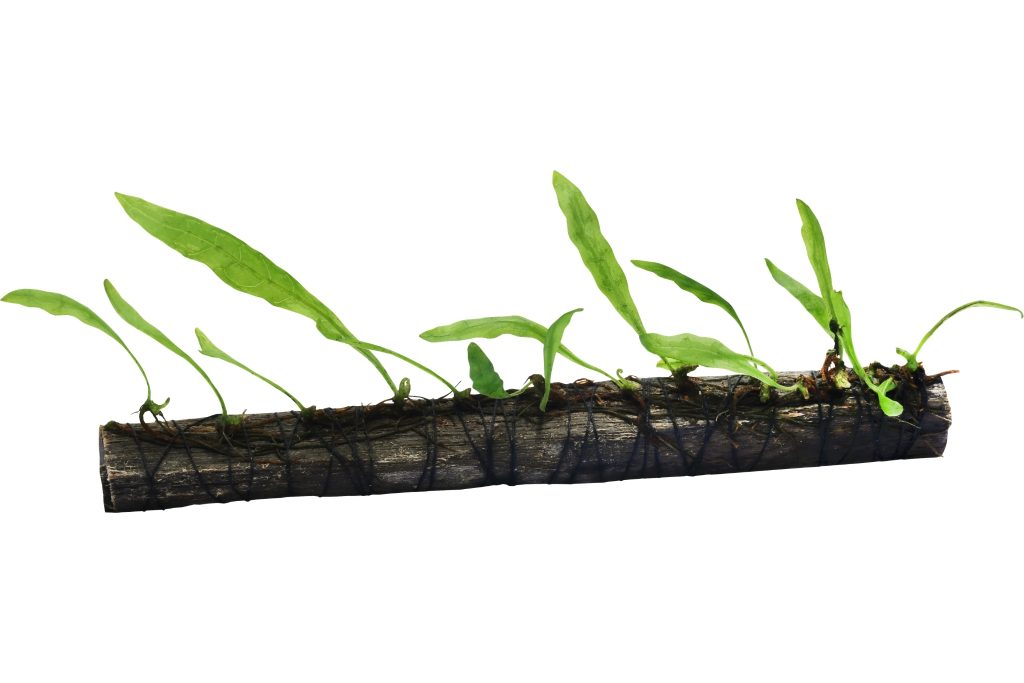
Java Fern (Microsorum pteropus)
- Java fern attaches to rocks or driftwood rather than substrate, making it a flexible option for bare bottom tanks.
- It tolerates low light well and steadily absorbs nutrients while requiring almost no maintenance.
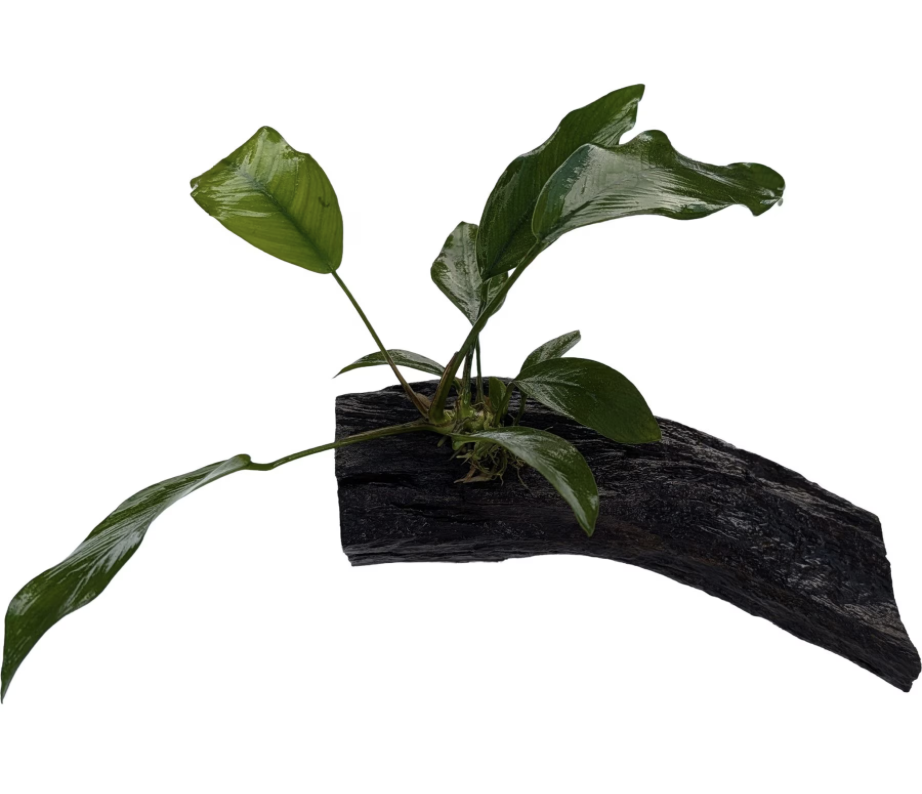
Anubias (Anubias barteri)
- Anubias is prized for its durability and slow, steady growth.
- It won’t out-compete algae as fast as stem plants, but it’s nearly impossible to kill and works well layered with faster growing species for a complete nutrient export strategy.
Building a Water Quality Focused Planting Plan
If you want the biggest impact on your tank’s water quality, it’s usually better to use a mix of plant types rather than relying on just one species.
Each type helps in a slightly different way:
- Floating plants like frogbit or water lettuce can quickly absorb nutrients from the water near the surface.
- Fast growing stem plants such as wisteria, anacharis, or hornwort are great at pulling nutrients directly from the water column.
- Root feeding plants like swords and vallisneria can help take up nutrients that build up in the substrate.
- Low light plants such as java fern and anubias are slower growers but provide long term stability with relatively little maintenance.
Pro Tip
Using a mix of different plant types this helps cover different parts of the aquarium, since nutrients can end up in the water, the substrate, or both.
A Few Practical Tips
1. Match your plants to your lighting. If you add more plants than your light can support, they may stop growing well while algae gets the upper hand.
2. Keep up with trimming. Plants only help remove nutrients when they’re actively growing. If you leave cuttings and dead leaves in the tank to break down, those nutrients can end up right back in the water.
3. Keep fast growing plants in check. Duckweed and anacharis can quickly take over if you let them. A little weekly thinning can keep them under control.
4. Use root tabs for plants that feed through their roots. Plants like swords and vallisneria can benefit from root tabs, especially when they’re growing in a nutrient poor substrate such as plain gravel or sand.
Frequently Asked Questions
1. Do aquarium plants really lower nitrates?
Yes! Live plants use nitrate as a source of nitrogen as they grow, so fast growing plants can help lower nitrate levels between water changes. This is especially noticeable in tanks with a moderate number of fish.
2. What’s the best plant for a beginner who wants better water quality?
Water wisteria and Amazon frogbit are both great choices. They grow quickly, can handle a range of aquarium conditions, and don’t require CO₂ injection or a specialized substrate to thrive.
3. Can you have too many plants?
Not really—the bigger issue is letting dead or decaying plant matter build up. For example, a thick layer of dying duckweed or lots of dead leaves can temporarily work against you. Regular trimming and removing dead plant material will help keep things balanced.