The Best Paludarium Pets 17 Species That Will Elevate Your Setup
Everything you need to know about choosing the perfect inhabitants for your paludarium — from beginner-friendly amphibians to advanced reptiles and the crucial compatibility rules you can’t ignore.
If you’ve ever found yourself scrolling through jaw-dropping paludarium setups — lush green plants cascading over crystal clear water, tiny creatures lounging on mossy rocks — you already know the feeling. It’s pure aesthetic bliss, and honestly? It’s a little addictive.
Paludariums are having a major moment in the pet keeping world, and for good reason. They’re the perfect blend of terrarium and aquarium, and the variety of animals that can thrive in them is genuinely impressive.
That said, not every pet is cut out for a semi-aquatic lifestyle. Choosing the right inhabitants is one of the most important steps in building a healthy balanced ecosystem… and if you’re new to it, the process can feel a bit overwhelming.
So grab your sweet tea, get comfortable, and let’s break down the best pets for paludariums (organized by category) to help you find the perfect fit for your setup.
What Exactly Is a Paludarium?
Before we dive into the fun stuff, let’s do a quick refresher. A paludarium is a type of vivarium that combines both terrestrial and aquatic environments in a single enclosure. Think of it as a miniature swampland or tropical shoreline right in your living room.
The setup typically features a water section (sometimes with a waterfall or stream for extra drama) and a land section with plants, rocks, and climbing structures.
This dual habitat design is what makes paludariums so uniquely exciting: they open the door to a whole world of semi-aquatic species that you simply can’t keep in a standard terrarium or aquarium alone.
The Golden Rules Before You Stock Your Paludarium
Before we get into specific species, there are a few non-negotiables to keep in mind. These apply no matter which pets you choose.
Best Amphibians for Paludariums
Amphibians are arguably the stars of the paludarium world. They’re active, visually stunning, and naturally suited to environments where land and water meet. Here are some of the top picks:
1. Fire-Bellied Toads
If we could choose just one amphibian for a beginner friendly paludarium, fire-bellied toads would be hard to beat. They’re hardy, active, and genuinely entertaining to watch. These little guys enjoy both land and water, and are often found lounging right at the edge where the two meet.
Fire-bellied toads are a social species, meaning you can (and definitely should!) keep multiple together, and they’re active during the day — so you actually get to enjoy them without waiting until nighttime. That alone makes them especially charming for display setups.
They’re well established in the pet trade, relatively easy to care for, and can even be bred in captivity with the right conditions.
When it comes to feeding, they thrive on crickets, earthworms, and other appropriately sized insects.
2. Poison Dart Frogs
Now, before you panic… captive bred poison dart frogs are NOT toxic.
In the wild, their toxicity comes from their natural diet, which includes insects they simply don’t have access to in captivity.
That said, they do require a bit more research and commitment than your average beginner pet, so it’s worth doing your homework before jumping in.
Poison dart frogs are absolutely stunning, with bold vibrant colors that make them instant showstoppers in any paludarium. Popular species include the Green and Black Poison Dart Frog, the Yellow-Banded Poison Dart Frog, and the Dyeing Poison Dart Frog.
These frogs prefer a setup with more land than water, so your paludarium should lean heavily toward the terrestrial side.
They also thrive in lush planted environments and especially love bromeliads and orchids, making thoughtful plant selection a key part of their care.
3. Fire-Bellied Newts
Fire-bellied newts are an excellent option if you’re looking for something a bit more unusual. They’re semi-aquatic, fairly easy to care for, and feature striking coloration that really pops against a lush green paludarium backdrop.
They do need clean well-oxygenated water, so consistent maintenance is important — but if you stay on top of water quality, these newts make a beautiful and rewarding addition to a semi-aquatic setup.
4. Salamanders
Salamanders are one of those animals that can truly elevate a paludarium from “cool” to “absolutely breathtaking.”
They come in an incredible range of varieties — some are fully aquatic, others are semi-aquatic, and some are entirely terrestrial, so there’s a lot of flexibility depending on your setup.
That said, it’s important to keep in mind that many salamander species are shy and primarily nocturnal, so you may not see them as often during the day. They’re more of a “blink and you’ll miss it” kind of pet.
Lastly, remember to always choose captive bred salamanders. Many species are protected in the wild, and ethical sourcing is essential for both conservation and your pet’s well-being.
Best Fish for Paludariums
The aquatic section of your paludarium deserves some love too! Fish add movement, color, and life to the water portion of your setup. Here are some species that do particularly well:
5. Mudskippers
If there’s one fish that was practically designed for a paludarium, it’s the mudskipper. These fascinating little creatures can actually walk out of the water using their fins and breathe air through their skin.
In the wild, mudskippers live in mangrove swamps and tidal mudflats, so a paludarium with brackish water, a gentle slope leading out of the water, and mangrove roots or driftwood is pretty much their dream setup.
They’re endlessly entertaining to watch and easily one of the most unique animals you can add to a paludarium. Just keep one thing in mind: if it’s smaller than them and fits in their mouth, it’s food. Choose tankmates carefully.
6. Guppies
Guppies are a classic for a reason. They come in an incredible range of colors and patterns, are exceptionally hardy, and tolerate a wide variety of water conditions. As one of the most beginner friendly fish available, they integrate beautifully with many other paludarium inhabitants.
These fish are easy to care for and happily accept flakes, pellets, and live foods, making them a low stress, high reward choice.
7. Celestial Pearl Danios
If you want something especially eye-catching, celestial pearl danios are a gorgeous choice. These small spotted fish are only about 1 to 2 inches long, making them perfect for paludariums that don’t have a massive water section.
They’re easy to care for, do best in schools of 6 or more, and can live harmoniously alongside other freshwater species.
8. Killifish
Killifish are another excellent option, especially for paludariums with smaller bodies of water. They’re colorful, hardy, relatively low maintenance, and they add a pop of visual interest to the water portion of your setup without demanding intensive care.
Best Reptiles for Paludariums
For those with larger setups and a bit more experience under their belt, reptiles open up a whole new world of possibilities. Just keep in mind that most reptiles require more space, specific temperature gradients, and a higher level of care.
9. Red-Eyed Crocodile Skinks
These stunning lizards are one of the few skink species that are truly well-suited for a paludarium environment. They have an almost prehistoric appearance that makes them an incredible focal point in any setup.
They do require a good amount of humidity and a mix of land and water, but for the right keeper, they’re an absolutely rewarding pet.
10. Green Anoles
Green anoles are a fantastic reptile option for paludariums with a strong terrestrial component. They’re relatively small, active, visually vibrant, and they love to climb!
A paludarium with plenty of vertical space, branches, and foliage will keep them entertained and healthy.
11. Chinese Water Dragons
If you have a taller paludarium with a generous amount of both land and water, Chinese water dragons are a stunning choice. These arboreal lizards love to climb, bask, and occasionally take a dip in the water.
They do require a larger enclosure and more specialized care, but the payoff in terms of visual impact is absolutely worth it.
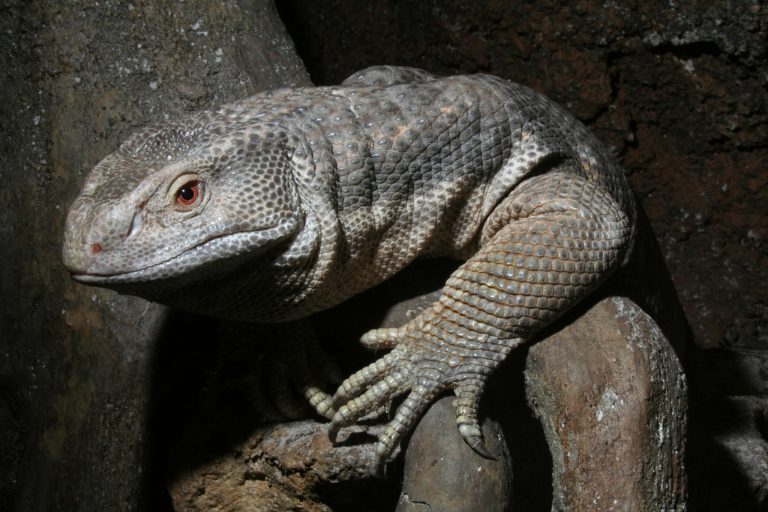
12. Caiman Lizards
Now we’re talking about the big leagues. Caiman lizards are semi-aquatic reptiles that are genuinely one of the most impressive species you can keep in a paludarium… if you have the space and experience to match.
These gorgeous heavily built lizards spend a significant amount of time in the water, swimming with ease and basking on land in between. They have a powerful bite and an appetite for snails, which they crush right through the shell, so they’re definitely not a beginner’s pet.
That said, for keepers with a larger setup and a solid understanding of reptile husbandry, caiman lizards are an absolutely spectacular and rewarding choice. They require warm, clean water, a good basking spot, and a varied diet, but the payoff is a truly awe-inspiring animal to observe.
Best Crustaceans & Invertebrates for Paludariums
Don’t sleep on the smaller guys! Crustaceans and invertebrates might not be the headline act, but they play a hugely important role in keeping your paludarium healthy and balanced.
13. Fiddler Crabs
Fiddler crabs are semi-aquatic and absolutely charming to watch. The males have one oversized claw that they wave around (yes, it really does look like they’re saying hello) and they’re surprisingly entertaining little creatures.
They prefer brackish water and spend a good amount of time on land, so a paludarium with a gradual slope between the two sections is ideal.
14. Vampire Crabs
Welcome to the coolest named pet on this entire list. Vampire crabs (technically Geosesarma species) are tiny, vibrant, and absolutely fascinating to watch. Despite the spooky name, they’re completely harmless and their striking colors (deep reds, purples, and even electric yellows, depending on the species) make them a stunning addition to any paludarium.
They’re land leaning creatures that still need access to water, so a setup with a generous terrestrial section, shallow water, and plenty of hiding spots among rocks and leaf litter is ideal.
They’re relatively easy to care for and have become increasingly popular in the hobby, so finding captive bred stock is becoming easier too.
If you want something that’s both visually unique and a serious conversation starter, vampire crabs absolutely deliver.
15. Ghost Shrimp
Ghost shrimp are one of the easiest crustaceans to keep and one of the most useful. They’re incredibly hardy, inexpensive, and they eat algae, uneaten food, and even fish waste making them a fantastic cleanup crew for your paludarium.
If the water parameters are healthy, they’ll even breed on their own!
16. Neocaridina Shrimp
If ghost shrimp are the reliable workhorse of the paludarium, neocaridina shrimp are the colorful upgrade. These little guys come in a truly gorgeous range of colors (cherry red, electric blue, golden yellow, and even tie-dye patterns) which makes them an incredibly fun species to collect and keep.
They’re hardy, easy to breed, and absolutely fantastic at cleaning up algae and organic debris in the water. Neocaridina shrimp do best in freshwater with stable parameters, and they tend to breed prolifically once they’re happy… so don’t be surprised if your population grows quickly.
They’re a wonderful addition alongside other peaceful inhabitants, and they add a pop of color to the aquatic section that you really can’t get any other way.
17. Springtails
Springtails might be tiny, but they’re an absolute must have for any paludarium. These small wingless insects live in the moist substrate and feed on fungus and decaying organic matter. Essentially they’re nature’s little janitors, helping to break down waste and keep your ecosystem clean.
They’re low maintenance, nearly immortal in the right conditions, and completely harmless.
Quick Compatibility Cheat Sheet
| Species | Skill Level | Land vs. Water | Great With |
|---|---|---|---|
| Fire-Bellied Toads | Beginner | Both | Fish, shrimp |
| Poison Dart Frogs | Intermediate | Mostly land | Plants, springtails |
| Mudskippers | Intermediate | Both | Similarly sized fish |
| Guppies | Beginner | Water | Most species |
| Fiddler Crabs | Beginner | Both | Fish, shrimp |
| Vampire Crabs | Beginner | Mostly land | Fish, shrimp |
| Ghost Shrimp | Beginner | Water | Almost everything |
| Neocaridina Shrimp | Beginner | Water | Fish, frogs, crabs |
| Green Anoles | Intermediate | Mostly land | Careful with small fish |
| Chinese Water Dragons | Advanced | Both | Larger setups only |
| Caiman Lizards | Advanced | Both | Larger setups only |
“A beautiful paludarium is wonderful… but a thriving one is the real goal. Always prioritize the health and happiness of your pets over aesthetics.”
Final Thoughts on Paludarium Pets
Building a paludarium is one of the most rewarding projects you can take on in the pet hobby, and choosing the right inhabitants is what really brings it to life.
Whether you’re drawn to the charm of a fire-bellied toad lounging at the water’s edge, the vibrant colors of poison dart frogs perched on a bromeliad, or the quirky personality of a fiddler crab waving its claw at you from the shoreline, there’s truly something magical about creating a thriving semi-aquatic ecosystem right at home.
The key is to start with the right animal for your experience level, invest the time in proper research, and always prioritize the health and happiness of your pets over aesthetics.