Why the “Protecting Local Zoos Act of 2026” (H.R. 7159) Is a Bad Idea And Why You Should Oppose It
H.R. 7159 could undo key wildlife protections and create dangerous loopholes. Discover why this controversial bill threatens animal welfare and public safety.
In early 2026, the U.S. House of Representatives introduced a controversial bill titled the “Protecting Local Zoos Act of 2026” (H.R. 7159), sponsored by Representative Paul Gosar.
Although its title suggests strengthening protections for zoos, a closer look at the bill’s language and advocacy responses reveals that it could instead weaken crucial wildlife safety laws, create harmful loopholes, and undo years of bipartisan progress on animal welfare.
H.R. 7159 proposes to amend the Lacey Act Amendments of 1981, with changes that affect how certain wildlife—especially captive exotic animals—are regulated in the United States. On paper these may seem like administrative changes, but the real world consequences pose significant risks to wildlife and public safety.
Key Provisions of the Bill
- Adding USDA Class B licensees (animal brokers) to exemptions lists
- Changing registration and public contact rules for prohibited wildlife species
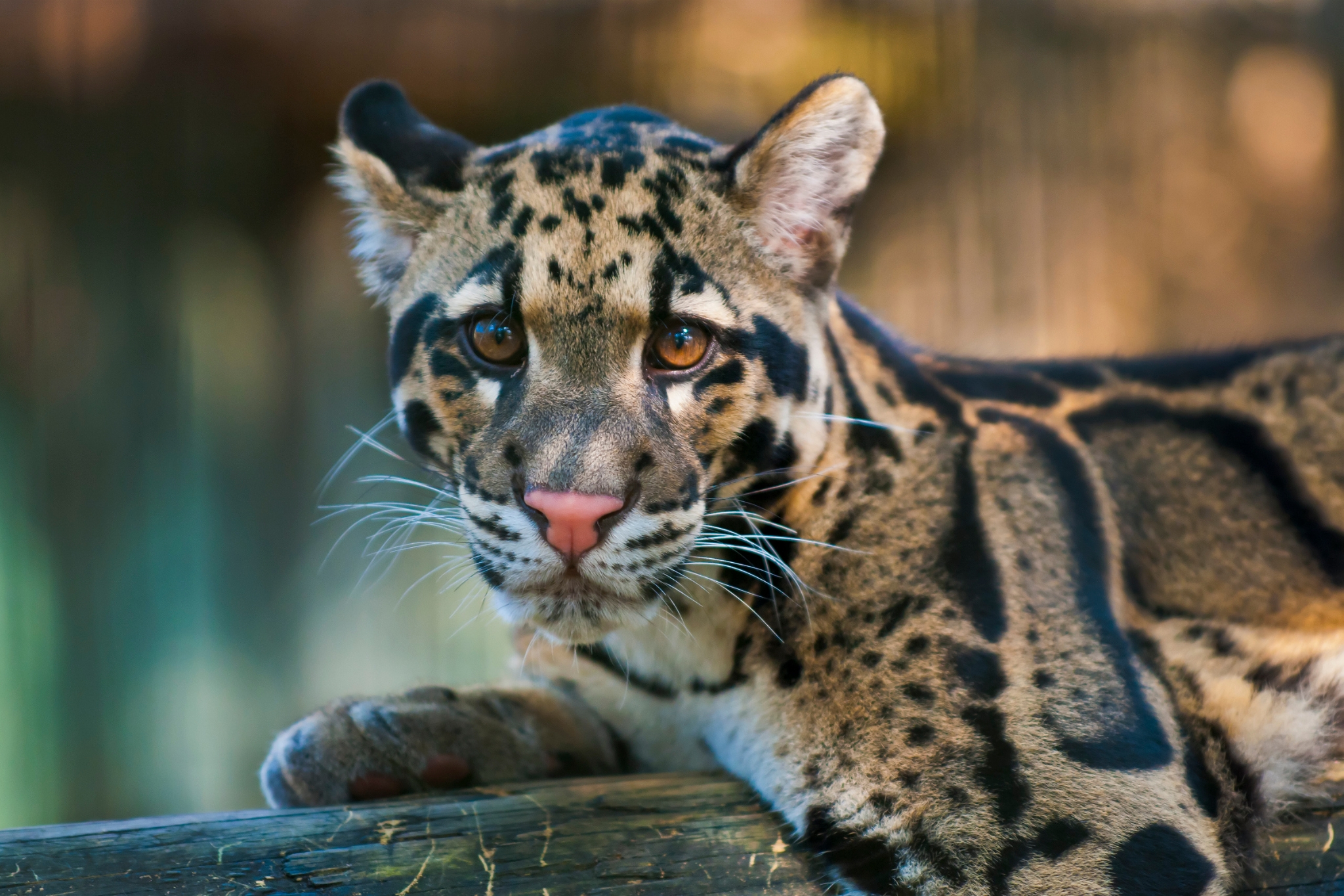
- Removing Snow Leopards and Clouded Leopards from the list of prohibited species
- Allowing individuals and volunteers to have contact with animals if registered
This bill directly challenges the Big Cat Public Safety Act of 2022, which was passed with broad bipartisan support to protect both animals and the public from dangerous interactions with big cats and other wildlife.
The Bill Weakens Animal Welfare Standards
Despite its name, the bill doesn’t strengthen protections—it lowers them in important ways. Advocates for animal welfare have warned that H.R. 7159 rolls back hard-won protections included in the Big Cat Public Safety Act, a 2022 law that strictly limits private possession and public contact with big cats and other dangerous wildlife.
Where the Big Cat Public Safety Act prioritized safety and welfare by prohibiting “cub petting,” commercial exploitation, and unregulated ownership, H.R. 7159 introduces language that could allow more direct contact and broader exemptions under certain conditions.
Lowering these standards opens the door to several concerning outcomes:
- Loopholes that let exploitative facilities evade oversight
- Untrained volunteers or non-professionals being authorized to handle dangerous animals
- Reduced enforcement of current safety measures designed to protect both animals and the public
This bill threatens to undo protections that were established to prevent animal cruelty and dangerous interactions with wild animals. The consequences could be severe for both animal welfare and public safety.
Simply put, the legislation prioritizes deregulation over the welfare of captive wildlife, potentially exposing both animals and people to unnecessary risks that existing laws were designed to prevent.
Creates Dangerous Loopholes for Exploitation
The real problem with H.R. 7159 isn’t about opposing support for legitimate local zoos—it’s that it broadly opens exemptions and removes critical restrictions. Critics point out that the bill could let facilities with minimal standards hide behind the “zoo” label while continuing exploitative or profit-driven practices.
Potential Consequences Include:
- Roadside wildlife exhibits could operate with weaker safety standards, allowing substandard facilities to claim legitimacy
- Increased likelihood of animals being kept in inadequate conditions without proper oversight or accountability
- Easier private ownership or transfer of previously prohibited animals—like Clouded and Snow Leopards
Reduced federal oversight could allow animals to “disappear” into unregulated markets, making it nearly impossible to track their welfare or ensure they’re not being exploited for profit.
These loopholes create an environment where animals can be moved between facilities with minimal documentation, potentially enabling trafficking, neglect, or abuse without proper accountability or investigation.
Portrays a False Narrative About Animal Protection
One of the biggest issues with H.R. 7159 is its misleading title. Calling it the “Protecting Local Zoos Act” implies that animal welfare and zoo safety are its central goals—but the language and criticisms from animal protection organizations suggest otherwise.
Statements from organizations like Humane World for Animals characterize the bill as a “Trojan horse” that would re-open doorways to the cruelty and exploitation the Big Cat Public Safety Act was meant to stop. This discrepancy between name and substance matters significantly.
Misleading titles can distract the public and lawmakers from the bill’s true impact, making it easier to pass legislation that actually harms the very animals it claims to protect.
When legislation uses language that contradicts its actual content and impact, it undermines public trust in the legislative process and makes it harder for citizens to make informed decisions about policies that affect animal welfare and conservation efforts.
Undoing Bipartisan Progress on Wildlife Safety
The Big Cat Public Safety Act and similar conservation laws passed with broad bipartisan support because they balanced public safety with responsible animal care. This consensus represented years of work from advocates, legislators, and conservation organizations working together to find common ground.
H.R. 7159 threatens to reverse that progress by carving out exceptions and weakening enforcement, which could hamper future conservation efforts and embolden exploitative animal holding facilities. The damage extends beyond just this one piece of legislation.
Changing these rules doesn’t just affect exotic big cats — it could influence how future wildlife and endangered species protections are drafted and enforced across the board.
“This bill prioritizes deregulation over animal welfare and public safety, threatening to undo years of progress in wildlife protection.”
Why You Should Oppose H.R. 7159
Rather than strengthening protections for wildlife or supporting responsible professional facilities, this bill:
- ✗Dilutes protections established under stronger, hard-won animal welfare laws
- ✗Creates loopholes that can be exploited by profit-driven or poorly regulated facilities
- ✗Misleads the public through a title that does not reflect the bill’s real impact
- ✗Risks reversing bipartisan progress on wildlife safety and conservation standards
Lawmakers and the public should approach this legislation with caution and oppose efforts that weaken protections for animals under the guise of “local zoo” support. The stakes are too high—both for the animals who depend on these protections and for the integrity of our wildlife conservation system.
Contact your representatives and let them know that protecting animals means strengthening safeguards, not creating loopholes that enable exploitation.
Real protection requires accountability, not deregulation.