Can Exotic Pets Be Domesticated? What Science Tells Us
Can tame exotic pets really be domesticated? Learn about domestication syndrome, the science behind genetic changes, and what it means for captive wildlife.
- What Is Domestication?
- What Is Tameness?
- The Domestication Syndrome: A Package Deal
- The Neural Crest Cell Hypothesis: Why Everything Changes Together
- The Russian Fox Experiment: Domestication in Fast Forward
- Traditionally Domesticated Animals: Our Ancient Partners
- The Dangerous Misconception: Why Most Exotic Pets Remain Wild
- Can Exotic Animals Be Domesticated?
- Respect the Wild Within
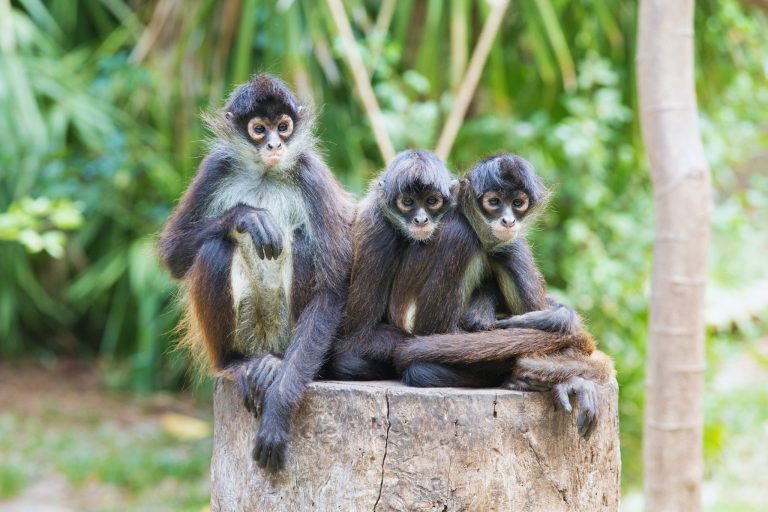
When people see a capuchin cuddling with its owner or a pet fox walking on a leash, they often assume that these animals are “just like dogs.”
But there’s a fundamental misunderstanding at play: tame and domesticated are not the same thing.
This distinction is crucial for anyone considering an exotic pet, working with captive wildlife, or simply trying to understand the profound relationship between humans and animals.
The transformation of wild animals into domesticated companions represents one of humanity’s most remarkable achievements. From the ancestors of wolves that became dogs to the aurochs that evolved into cattle, domestication has fundamentally altered both human civilization and the animals themselves.
But what exactly happens when wild animals undergo domestication, and can we truly domesticate exotic species in modern times?
What Is Domestication?
Domestication is the evolutionary process through which wild animal populations adapt to living alongside humans over multiple generations. Unlike taming, which involves training individual wild animals to tolerate human presence, domestication produces genetic and behavioral changes that are passed down through generations.
Key Characteristics of Domestication
- Genetic Changes: Domesticated animals undergo modifications to their DNA that distinguish them from their wild ancestors. These changes affect not just behavior, but also physical characteristics, hormonal profiles, reproductive cycles, and developmental timing.
- Behavioral Adaptation: Domesticated animals exhibit reduced fear responses to humans, increased tolerance of confinement, altered stress hormone levels (particularly lower cortisol production), and modified social behaviors.
- Multigenerational Process: Domestication requires multiple generations of selective breeding.
- Physical Manifestations: Domestication produces visible changes including floppy ears, shorter snouts, curled tails, varied coat colors, smaller teeth, and even reduced brain size.
What Is Tameness?
Tameness is individual behavioral conditioning that occurs within a single animal’s lifetime. A tame animal has learned through experience (usually from a young age) to tolerate or even enjoy human interaction – but this learning is not genetic and cannot be passed to offspring.
The Domestication Syndrome A Package Deal
Perhaps the most intriguing aspect of domestication is the domestication syndrome theory – a suite of traits that appear together across virtually all domesticated species, even when breeders weren’t specifically selecting for them.
This phenomenon would explain why dogs, pigs, horses, and cattle all show similar changes despite being domesticated independently at different times and places.
Physical Changes in Domestication Syndrome
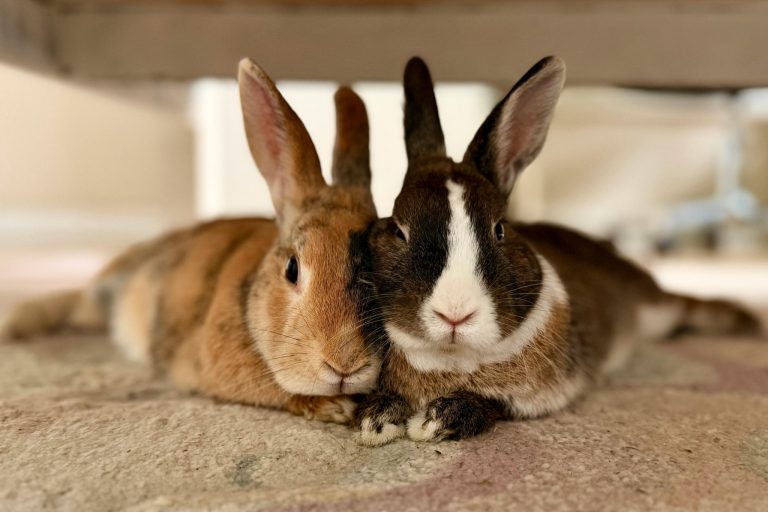
- Floppy Ears: One of the most recognizable signs of domestication, drooping ears appear in domesticated dogs, pigs, goats, sheep, and rabbits, while their wild counterparts maintain erect ears for vigilance.
- Shorter Snouts and Smaller Teeth: Domesticated animals typically develop flatter faces and reduced jaw musculature compared to wild relatives, seen clearly when comparing wolves to dogs or wild boars to domestic pigs.
- Curled Tails: The curled or raised tail position commonly seen in domestic dogs, pigs, and some cattle breeds rarely appears in wild populations, where tails serve specific survival functions.
- Depigmentation and Coat Color Changes: Wild animals typically have camouflage coloring, but domesticated animals display a variety of coat colors and patterns including piebald spotting (white patches), lighter colors, and unusual markings that would be disadvantageous in the wild.
- Reduced Brain Size: Domesticated animals often have brains that are smaller than their wild ancestors, particularly in regions associated with fear responses and sensory processing. This isn’t a deficit – it reflects a reduced need for constant vigilance.
- Changes in Cranial Capacity: Skull shapes change during domestication, with broader skulls and altered proportions affecting everything from bite strength to sensory perception.
- Smaller Overall Size: Many domesticated species become smaller than their wild ancestors, though selective breeding can also produce larger varieties.
Behavioral Transformations
- Reduced Fear Response: The most critical behavioral change, domesticated animals show significantly less fear and aggression toward humans, making handling and breeding practical. This isn’t just training – it’s a fundamental change in how their nervous systems respond to threats.
- Extended Juvenile Behavior (Neoteny): Domesticated animals often retain playful juvenile characteristics into adulthood, a phenomenon called neoteny or paedomorphism. Adult dogs play and seek attention like wolf puppies, while adult pigs maintain curiosity levels that wild boars lose with maturity.
- Altered Reproductive Cycles: Many domesticated species breed more frequently or at different times than their wild counterparts, losing strict seasonal breeding patterns. This allows year round breeding rather than being limited to specific mating seasons.
- Modified Social Structure: Domestication often modifies pack hierarchies, territorial behaviors, and social bonding patterns to facilitate group living in confined spaces with reduced aggression toward conspecifics.
- Changes in Stress Hormones: Domesticated animals produce different levels of cortisol and adrenaline, making them physiologically calmer in human environments than wild animals would be in the same situations.
Domestication Syndrome in Zoos and Captive Wildlife
Zoos and captive breeding programs face a complex challenge regarding domestication syndrome. While their mission includes conservation and maintaining genetic diversity of wild species, the captive environment inevitably applies some selective pressures that can produce unintended domestication-like changes.
The Neural Crest Cell Hypothesis Why Everything Changes Together
Scientists have developed a compelling explanation for why such diverse traits appear together during domestication. The neural crest cell hypothesis, proposed by researchers studying the famous Russian fox domestication experiment, suggests that selection for tameness affects neural crest cells during embryonic development.
Understanding Neural Crest Cells
Neural crest cells are multipotent cells that migrate throughout the developing embryo, eventually forming numerous body structures including:
- Parts of the skull and facial bones
- Cartilage in the ears
- Teeth and jaw structures
- Pigment cells that determine coat color
- The adrenal glands (which produce stress hormones like adrenaline and cortisol)
- Parts of the peripheral nervous system
The Domestication Connection
When humans select for reduced aggression and fear, they’re inadvertently selecting for changes in neural crest cell migration and differentiation.
This explains why selecting for just one trait (tameness) produces a cascade of seemingly unrelated physical changes.
The animals become friendlier, but they also develop floppy ears (less cartilage), piebald coats (fewer pigment cells), shorter snouts (altered skull development), and reduced stress responses (modified adrenal glands) as side effects of the same developmental changes.
The Russian Fox Experiment Domestication in Fast Forward
The most famous modern domestication study began in 1959 when Soviet scientist Dmitry Belyaev started selectively breeding silver foxes for tameness at the Institute of Cytology and Genetics in Novosibirsk, Russia.
This groundbreaking experiment would prove that domestication could happen within a human lifetime when selection pressure was intense enough.
The Experiment’s Methodology
Belyaev and his team selected only the tamest foxes from each generation to breed – specifically those that showed the least fear and aggression toward humans when approached. Most importantly, they avoided selecting for any physical traits, focusing solely on behavioral responses to humans.
The selection criteria was simple: Foxes were ranked on how they responded to humans, and only the top friendliest/calmest individuals were allowed to breed.
Remarkable Results
The speed of change was astonishing:
Within just 10 generations (about 10 years), fox puppies were actively seeking human contact and showing dog-like attachment behaviors that wild foxes never display.
By the 20th generation, the foxes were essentially domesticated and displayed:
- Eagerness to interact with humans – seeking attention and physical contact
- Tail wagging and whining to attract human attention
- Barking patterns similar to dogs
- Floppy ears appearing in some individuals
- Curled tails held over the back
- Piebald coat patterns (white patches on dark fur)
- Shorter snouts and legs compared to wild foxes
- Changes in reproductive hormones, with some females breeding twice yearly instead of once
- Extended breeding seasons
By 60+ years later, the domesticated foxes show dramatic differences from their wild counterparts.
What the Experiment Showed
This experiment demonstrated several points:
- Domestication can occur in decades rather than millennia when selection pressure is intense and focused
- The domestication syndrome hypothesis may be real – and selecting only for tame behavior produces physical changes
- Neural crest cells may be central to the domestication process
- Even with accelerated domestication, it still takes multiple generations
Traditionally Domesticated Animals Our Ancient Partners
Humans have successfully domesticated relatively few species throughout history – perhaps only 30 to 40 species out of millions. Understanding which animals were domesticated and why provides insights into what makes domestication possible and why most exotic pets don’t qualify.
Dogs: The First and Most Complete Domesticate
Dogs were likely the first domesticated animal, with domestication beginning 15,000 to 40,000 years ago from wolf-like ancestors. Their social pack structure, communication abilities, adaptability, and willingness to follow leadership made them ideal candidates.
Today, dogs show the most extreme domestication traits of any species, with hundreds of breeds exhibiting radical physical and behavioral differences from wolves. A Chihuahua and a Great Dane are both domestic dogs, but they differ more from each other physically than many wild species do – all because of domestication’s powerful effects.
Livestock Animals
- Cattle (domesticated from aurochs around 10,500 years ago) provide meat, milk, leather, and labor. The wild aurochs went extinct in 1627, meaning no truly wild cattle exist anymore.
- Sheep and Goats (domesticated approximately 11,000 years ago in the Middle East) offered wool, meat, and milk, becoming cornerstone species for early agricultural societies.
- Pigs (domesticated from wild boars around 9,000 years ago in multiple locations) proved highly efficient at converting waste into protein and adapt to diverse climates.
- Horses (domesticated around 6,000 years ago) revolutionized transportation, agriculture, and warfare, fundamentally changing human civilization.
Poultry
- Chickens (domesticated from red junglefowl around 8,000 years ago) became the world’s most numerous bird species through domestication, with over 20 billion alive at any time.
- Ducks, Geese, and Turkeys followed, each offering meat and eggs while requiring minimal space compared to mammals.
Other Domesticates
- Cats (domesticated 9,000 to 10,000 years ago) are somewhat unique, as they may have self domesticated by choosing to live near humans.
- Rabbits (domesticated around 1,500 years ago) are among our most recently domesticated mammals.
- Rats: Fancy rats are an excellent example of rapid domestication – selectively bred for over 100 years, they show significant domestication traits and differ markedly from wild rats in behavior and physiology.
- Honeybees, silkworms, and various aquaculture species round out humanity’s relatively short list of fully domesticated animals.
Why So Few?
Out of millions of animal species, why have we only successfully domesticated a few dozen? The answer lies in:
- Long generation times make domestication impractical for long lived species
- Difficult breeding requirements eliminate many species
- Dangerous or unpredictable temperament makes selection too hazardous
- Specialized diets that are hard to provide in captivity
- Social structures incompatible with captive breeding
- Panic responses that cause injury in confinement
The Dangerous Misconception Why Most Exotic Pets Remain Wild
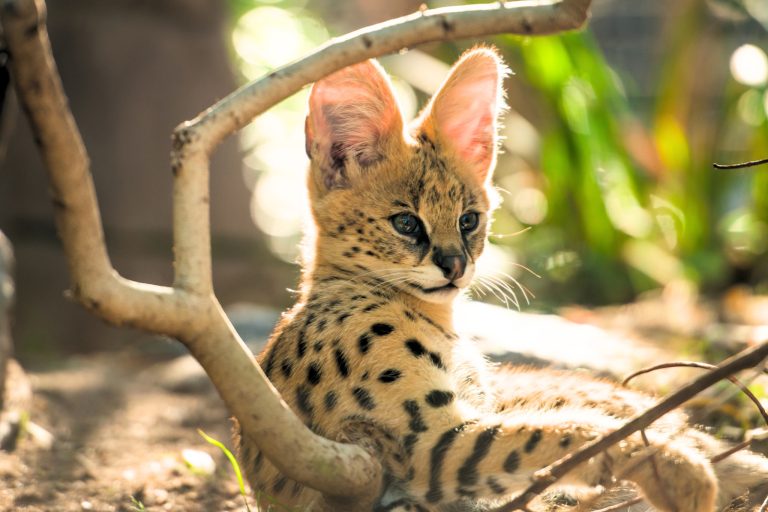
Many people acquire exotic pets like servals or primates believing that raising them from infancy will make them “safe” or “domesticated.” This is a potentially deadly misconception that can lead to injuries, deaths, and even animal suffering.
Most Exotic Pets Are Not Domesticated – They’re Just Tame (Sometimes)
Even the most well socialized exotic pet retains its wild genetic programming. This means:
- Instincts can surface at any time. A primate that has been friendly for years might suddenly become aggressive during sexual maturity. A hand raised big cat still possesses predatory instincts that can be triggered unexpectedly by movement, sounds, or hormonal changes.
- Stress responses differ fundamentally. Many wild animals experience human environments as inherently stressful (even when they appear calm). Their cortisol levels are elevated, immune function can be compromised, and their overall health can suffer from chronic stress that domesticated animals don’t experience in the same environments.
- Behavioral needs remain unchanged. Exotic pets continue to exhibit their natural wild behaviors. A fox may be tame, but it still has the instinct to dig, cache food, mark it’s territory with pungent scents, and roam large territories.
Can Exotic Animals Be Domesticated?
The popularity of exotic pets has raised questions about whether modern humans can domesticate their exotic pets.
The answer is complex: Yes (theoretically) but not in the way most people think.
The Challenges of Modern Domestication
- Generational Time Requirements: Domestication takes place over multiple generations. For exotic pet owners, this would require a long term, carefully managed breeding program.
- Population Size: You need large breeding populations to select from. The Russian fox experiment started with hundreds of foxes. Individual pet owners with one or two animals cannot create domestication.
- Economic Viability: Historical domestication succeeded partly because the animals provided clear economic benefits that justified the generational investment. Modern exotic pet keeping rarely meets this threshold.
- Legal Restrictions: Most jurisdictions have laws preventing or strictly regulating the breeding of exotic species – making coordinated domestication programs for exotic pet owners difficult or impossible.
- Conservation Impact: Domestication projects could harm wild populations by creating markets that drive wild animal collection, or by producing genetic pollution if domesticated animals interbreed with wild populations.
Tame vs. Domesticated: An Important Distinction
Many exotic animals kept as pets are better described as “tame” and “captive bred wild animals” rather than domesticated.
Being born in captivity doesn’t automatically equal domestication. True domestication requires:
- Selection for specific traits over multiple generations
- Genetic changes that distinguish them from wild ancestors
- Exhibition of domestication syndrome traits
Most exotic pets do not meet these criteria – they’re wild animals that just happen to be born in cages.
Candidates for Future Domestication
If society decided to invest in domesticating new species, some animals that show potential are:
- Foxes: Beyond the Russian experiment with silver foxes, other fox species might respond similarly to selection for tameness.
- Raccoons: Intelligent and adaptable, raccoons have characteristics that could make them domestication candidates, though their dexterous paws, mischievous nature, and disease carrying potential present challenges.
- Deer Species: Some deer species are already domesticated (like reindeer), but domestication of other species would require extensive breeding programs.
- Corvids: Crows and ravens are highly intelligent and already habituate to human presence, but their legal protections make domestication unlikely.
Respect the Wild Within
The distinction between tame and domesticated isn’t just academic – it’s essential for safety, animal welfare, and conservation.
An exotic pet may tolerate or even enjoy human companionship, but most of them remain a wild animal at their genetic core.
If you’re considering an exotic pet, ask yourself:
- Am I prepared to meet the needs of a wild animal for its entire lifespan?
- Do I have the financial resources, knowledge, and facilities to provide appropriate care?
- Are my expectations based on the reality of wild animal behavior, or the misconception that tame means domesticated?