5 Goldfish Myths You Totally Believed (But Are So Not True!)
Goldfish are smarter and longer lived than you think! Discover the top goldfish myths debunked — plus what your fish actually needs to thrive.
Let’s be honest—goldfish have had a serious PR problem for decades. These gorgeous, glittery little swimmers have been misunderstood, underestimated, and unfairly mistreated thanks to some persistent myths.
Whether you’re a lifelong fish lover or just starting to think about adding a finned friend to your life, it’s time to set the record straight.
Goldfish Only Have a 3 Second Memory Myth #1
Oh, this one—the classic goldfish myth that gets tossed around like it’s fact at every dinner table.
The truth: goldfish can actually remember things for months, not seconds.
Researchers have trained goldfish to press levers for food, navigate mazes, and even respond to specific sounds. In studies such as those conducted at University of Plymouth, goldfish were shown to associate feeding times with specific cues and retain that learning long term.
So yes—your goldfish absolutely recognizes you when you approach the tank. That little swim toward you moment? That’s memory, not coincidence.
Goldfish Are Happy in a Little Bowl Myth #2
This might be the most harmful myth on the list, and it has unfortunately led to a lot of unintentional suffering for fish kept in poor conditions.
The truth: goldfish are not bowl fish.
Common goldfish can grow up to 12 to 14 inches long and produce a significant amount of waste. They require proper filtration, oxygenation, and adequate swimming space to thrive.
The widely recommended minimum is a 20 gallon tank for a single fancy goldfish, with an additional 10 gallons per extra fish.
Small bowls without filtration quickly lead to dangerous ammonia buildup, which can effectively poison a fish over time. That’s why many “bowl goldfish” appear sluggish or don’t live very long—not because goldfish are fragile, but because their environment is unsuitable.
A better alternative is a well-maintained aquarium with strong filtration. Done right, it can double as beautiful home decor—clean, calming, and very much a win-win.
Goldfish Only Live for a Year or Two Myth #3
This is the myth that helps explain why so many people shrug when a goldfish dies and simply replace it without a second thought.
The truth: goldfish can live for 10 to 15 years, and in some cases, even longer.
There are documented goldfish living well into their 20s—and the most famous example, a fish named Tish in the UK, reportedly lived to 43 years old.
Yes. Forty three.
So why don’t most goldfish make it anywhere near that lifespan? It usually comes back to conditions, not biology. Poor water quality, undersized tanks, lack of filtration, and improper care are the real culprits—not the species itself.
In a properly maintained aquarium with adequate space, clean water, and a balanced diet, goldfish are surprisingly hardy and long lived pets.
You Should Feed Your Goldfish Every Day Myth #4
Overfeeding is one of the most common goldfish mistakes, and it usually comes from a place of love—which makes it especially sneaky.
The truth: goldfish should be fed small amounts once or twice a day, offering only what they can consume in about 2 minutes.
Any uneaten food sinks, breaks down, and causes spikes in ammonia and nitrite levels—both of which are harmful to fish.
Here’s the surprising part: goldfish don’t have true stomachs. Because of this, food moves through their digestive system fairly quickly, which means they can actually go about a week (and sometimes longer) without eating and still be perfectly fine in a healthy tank. That’s why vacation “feed blocks” or heavy pre-feeding often do more harm than good.
PRO TIP: If you’re going away for a short trip, your goldfish will usually be just fine without special feeding arrangements. A stable, clean tank is far more important than extra food.
All Goldfish Are the Same Myth #5
If someone handed you a Pomeranian and a Great Dane and said, “They’re basically the same dog,” you’d laugh. And yet—goldfish get exactly that treatment all the time.
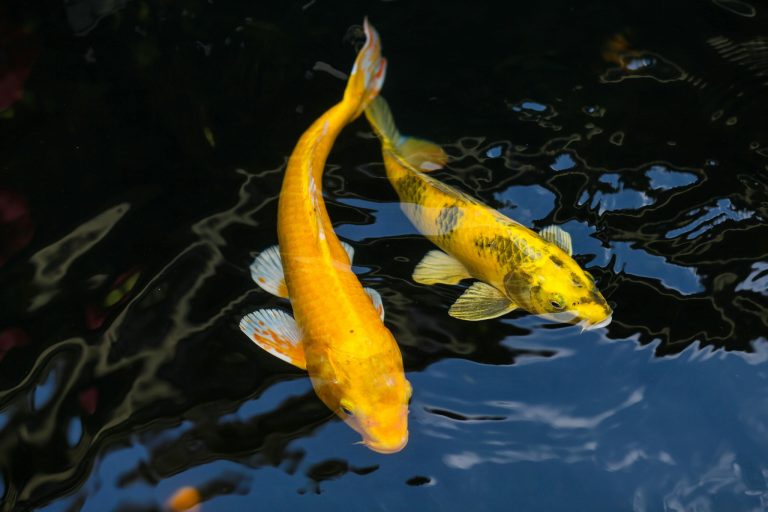
The truth: there are over 200 recognized varieties of goldfish, and they vary widely in shape, size, behavior, and care needs.
Common goldfish are slim bodied, fast swimmers, and can even thrive in outdoor ponds. Fancy varieties—like Orandas, Ryukins, and Telescope-eyes—are rounder, slower, and require warmer, carefully maintained indoor aquariums.
Mixing the wrong types together can also create real issues. Faster fish may outcompete slower, fancier varieties for food, and more delicate fish can be stressed or injured in the process.
The goldfish world is way more diverse and fascinating than most people realize, and once you start exploring the different varieties, it’s an easy rabbit hole of color, shape, and personality.
The Bottom Line on Pet Goldfish
Goldfish are intelligent, long lived, and genuinely rewarding pets when they’re given the care they actually need. The myths surrounding them have done a disservice to the species for generations—but the truth is far more interesting than the fiction.
Whether you’re a seasoned aquarist or someone who just realized your setup might need an upgrade, it’s never too late to give your goldfish the life they deserve.