Grey Wolf Facts Habitat, Behavior, Threats & Conservation
Discover the fascinating world of grey wolves! Explore their habitat, social behavior, threats they face, and ongoing conservation efforts to protect these iconic predators.
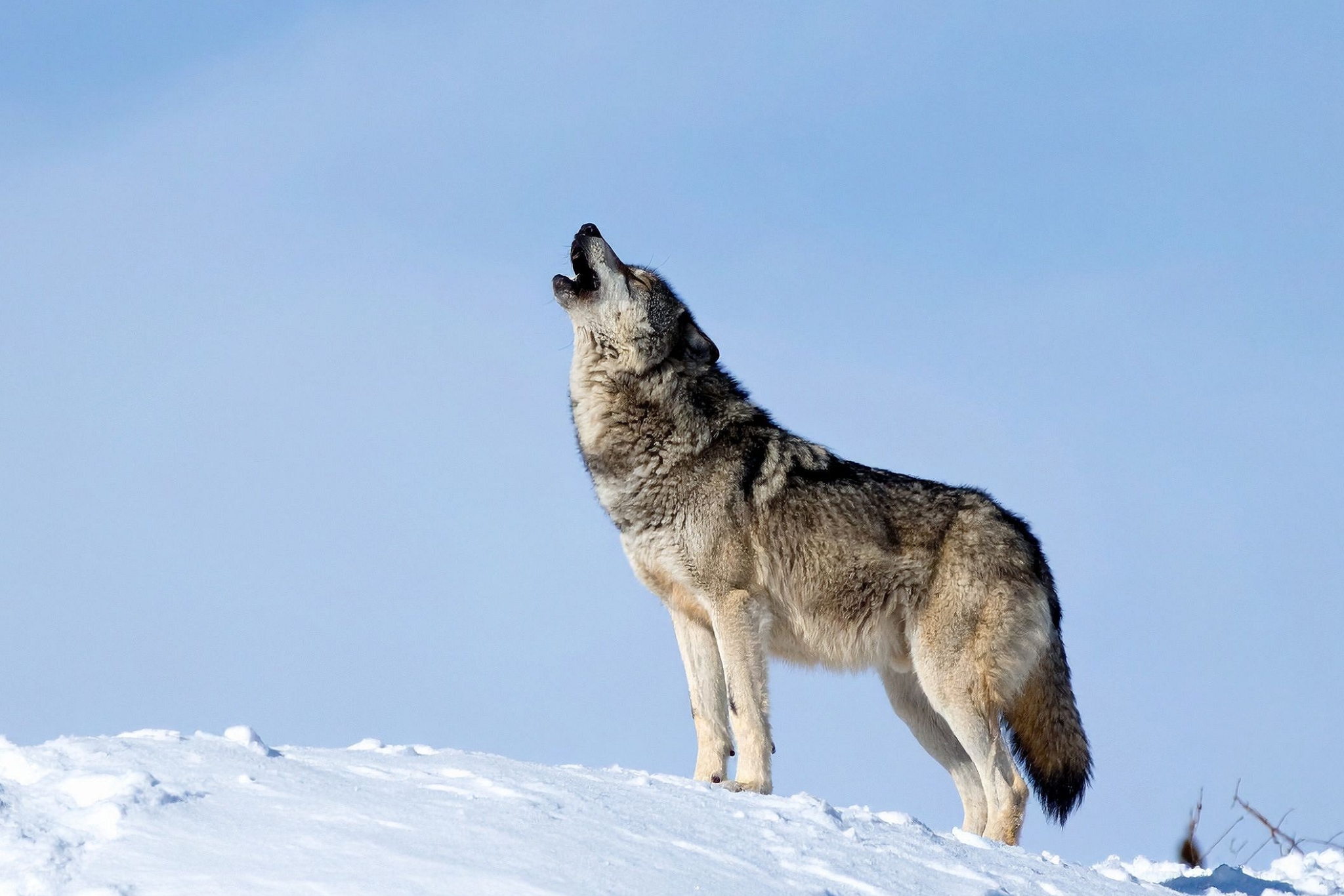
When it comes to wildlife that inspires awe, few animals can match the majestic grey wolf.
Known for their intelligence, social structure, and adaptability, grey wolves (Canis lupus) are more than just the stuff of fairy tales – they’re fascinating creatures with a complex role in the ecosystems they inhabit.
Let’s explore the fascinating world of grey wolves, from where they live to the challenges they face and how we can help conserve them.
Grey Wolf Habitat Where the Wolves Roam
Grey wolves are incredibly adaptable, which is part of what makes them so remarkable.
Historically, they were found across much of North America, Europe, and Asia, but their range has decreased due to human activity. Today, they thrive in a variety of habitats including:
- Forests – Dense woodlands offer cover and hunting grounds for wolves.
- Tundra and Arctic Regions – Wolves in these areas have adapted to extreme cold and sparse prey.
- Grasslands and Prairies – Open spaces allow them to hunt large herbivores like deer and elk.
- Mountains – Rocky terrains provide shelter and strategic vantage points.
A key feature of grey wolf habitat is prey availability. Wolves follow the movements of ungulates (hoofed animals like deer, elk, and moose), which means their territories can cover hundreds of square miles!
Grey Wolf Behavior Social, Smart, and Strategic
Grey wolves are famous for their social lives. Living in packs, they exhibit incredible teamwork and communication. Here’s a peek into their behavior:
- Pack Dynamics – A typical wolf pack is a family group led by an alpha male and female. Packs work together to hunt, raise pups, and defend territory.
- Communication – Wolves howl to communicate over long distances, mark territory, and strengthen social bonds. They also use body language, facial expressions, and scent marking.
- Hunting & Diet – Wolves are carnivores, primarily hunting large mammals. They strategize as a pack, using endurance and cooperation rather than raw speed.
- Reproduction – Breeding is usually limited to the alpha pair, with pups born in spring. The entire pack helps raise the young and teaches them survival skills.
Threats to Grey Wolves Challenges in the Wild
Despite their adaptability, grey wolves face numerous threats, many of which stem from human activity:
- Habitat Loss – Urban expansion, logging, and agriculture reduce the areas where wolves can safely roam.
- Conflict with Humans – Wolves occasionally prey on livestock, leading to persecution by farmers and ranchers.
- Hunting and Trapping – In some regions, wolves are hunted for sport or bounty, impacting population numbers.
- Decline in Prey – Habitat changes and human activity can reduce populations of deer, elk, and other prey species, affecting wolf survival.
Because of these threats, grey wolves are a conservation concern in many regions, although their status varies by country and local ecosystem.
Conservation Efforts How We’re Helping Wolves Thrive
The good news? Grey wolves are making a comeback in some areas, thanks to careful conservation strategies:
- Protected Areas & National Parks – Places like Yellowstone National Park have seen wolf populations rebound due to legal protections.
- Reintroduction Programs – Wolves have been successfully reintroduced to regions where they were previously extirpated.
- Education & Awareness – Public education helps reduce human-wolf conflicts and fosters appreciation for these animals.
- Wildlife Corridors – Creating safe passages between habitats allows wolves to roam freely without human interference.
Conservation is a team effort, just like a wolf pack.
By understanding and protecting their habitats, supporting legislation, and promoting coexistence, we can ensure grey wolves continue to roam the wild for generations to come.
Why Grey Wolves Matter
Grey wolves are more than iconic predators – they’re vital players in their ecosystems.
Their social behavior, adaptability, and intelligence make them fascinating to study, while the threats they face remind us of the delicate balance between humans and wildlife.
Whether you’re a wildlife enthusiast, a student, or simply curious about nature, learning about grey wolves can deepen your appreciation for the wild world around us.