
Hognose Snake Substrate Guide 4 Top Picks for Burrowing, Health & Humidity
Choosing the wrong substrate can harm your hognose snake. Here’s what actually works — and what to avoid completely.
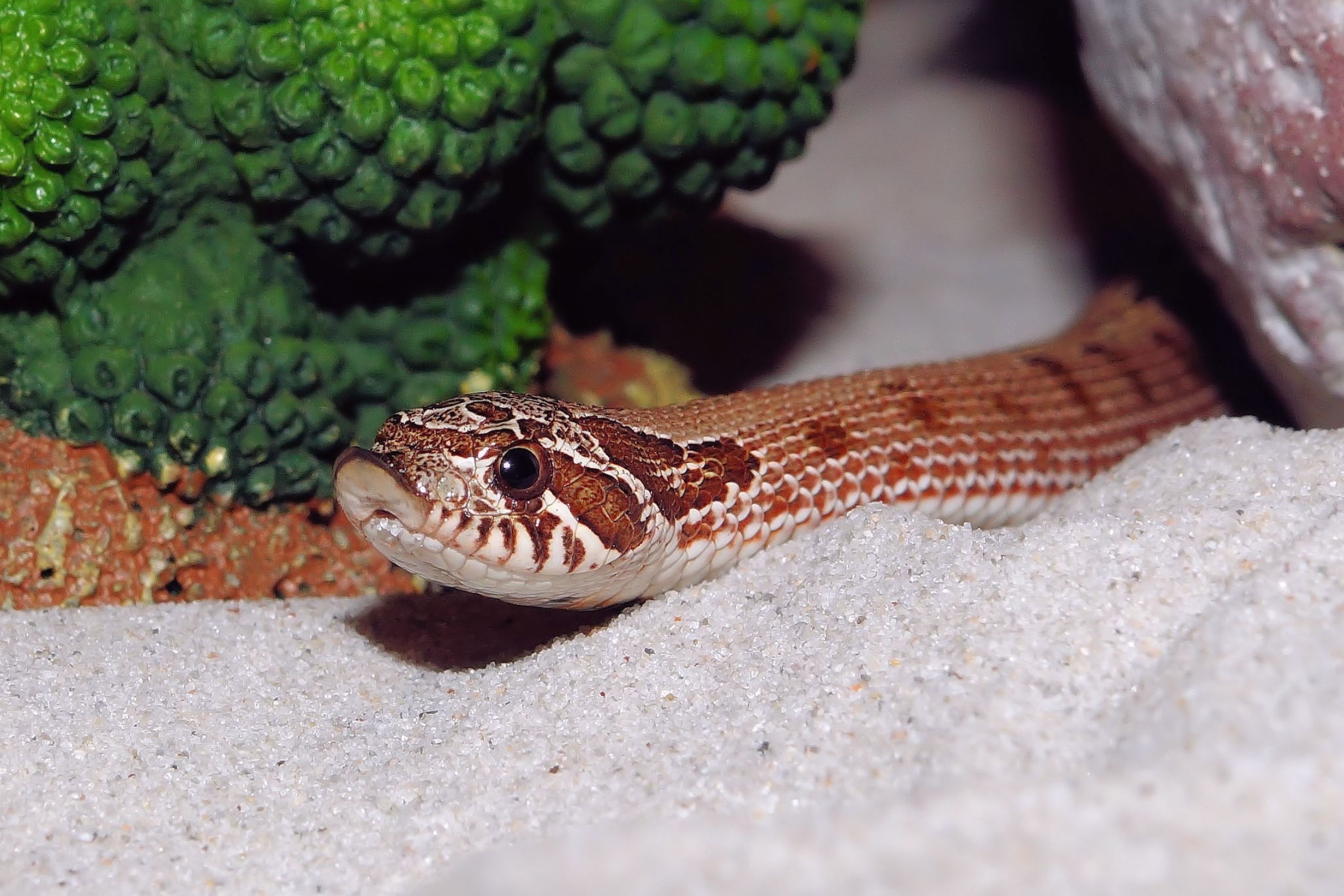
If you’re setting up an enclosure for a western hognose snake (Heterodon nasicus)—or its eastern and southern counterparts—one of the most important choices you’ll make is the substrate.
What lines the bottom of the enclosure does far more than set the look—it plays a direct role in hydration, burrowing behavior, respiratory health, and overall wellbeing.
In this guide, we’ll walk through the best substrate options for hognose snakes, what to avoid, and how to choose the right fit for your specific setup.
Why Substrate Matters for Hognose Snakes
In the wild, western hognose snakes inhabit dry prairies, grasslands, and scrublands across North America, using their upturned snouts to move through loose soil in search of prey, shelter, and temperature gradients.
In captivity, the substrate should support that same instinct—allowing for easy digging while maintaining an appropriate humidity range, typically around 30% to 50% for western hognose snakes.
When substrate isn’t well-matched to their needs, issues can follow. Poor choices are often linked to respiratory problems, incomplete sheds, skin irritation, and unnecessary stress—making this one of the most important setup decisions you’ll make.
Top Substrates for Hognose Snakes
Hognose snakes are natural diggers. Given the opportunity, they’ll burrow completely beneath the substrate—and that’s exactly what you want to see. It’s a sign your snake feels secure and is behaving just as they would in the wild.
But substrate does more than simply give your snake something to dig in—it plays a quiet but important role in humidity balance, respiratory health, and overall comfort. Choosing the right one makes a noticeable difference in how your snake settles, behaves, and thrives day to day.
Here’s a closer look at the best substrate options to keep your hognose comfortable, healthy, and able to express those natural behaviors from the ground up.
1. Aspen Shavings — The Classic Choice
Aspen shavings are widely regarded as one of the best substrates for western hognose snakes because they’re affordable, widely available, hold burrows surprisingly well, and are easy to spot clean.
Pros:
- Excellent burrowing ability—hognose snakes can tunnel through it easily
- Low humidity retention, ideal for the drier conditions western hognoses need
- Affordable and widely available at pet stores
- Visually clean and easy to monitor for waste
- Low aromatic oils—safe for reptiles (unlike cedar or pine)
Cons:
- Can grow mold if it gets wet, so water bowls must be managed carefully
- Dust can be an issue with some brands—remember to always choose low-dust varieties
- Not ideal for eastern hognose snakes, which require higher humidity
Best For:
- Western hognose snakes in drier setups
2. Bioactive Soil Mixes — The Premium, Natural Option
For keepers who want to set up a bioactive enclosure—one that mimics the snake’s natural environment and self-cleans with the help of microfauna—a quality bioactive substrate blend is the gold standard.
A common DIY mix for hognose snakes combines 60% to 70% play sand with 30% to 40% organic topsoil (no added fertilizers or perlite).
Pros:
- Excellent burrowing support—the most naturalistic option
- Supports a thriving clean-up crew (springtails, isopods) that breaks down waste
- Looks stunning and enriching in the enclosure
- Can support live plants
- Excellent for mental enrichment and natural behaviors
Cons:
- Higher upfront cost and setup time
- Requires maintenance to keep the microfauna colony healthy
- Humidity zones need to be managed carefully
- Heavier and harder to do full substrate changes
Best For:
- Advanced keepers
- Naturalistic setups
- Enrichment focused husbandry
3. Coconut Fiber (Coco Coir) — Best for Higher Humidity Setups
Coconut fiber is an excellent choice for eastern hognose snakes, which require higher ambient humidity than their western cousins. It can also be used in the “moist hide” substrate for any hognose species.
Pros:
- Excellent moisture retention
- Holds burrows reasonably well
- Biodegradable and natural
- Resists mold better than many organic substrates when managed properly
- Great for mixed humidity setups (moist on one end, dry on the other)
Cons:
- Too moisture retentive for western hognose snakes if used throughout the whole enclosure
- Can be dusty when dry
- Dark color makes waste harder to spot
Best For:
- Eastern hognose snakes
- High humidity zones in bioactive setups
- Moist hides
4. Topsoil Blends — Versatile and Bioactive Compatible
Plain organic topsoil (make sure it doesn’t contain any fertilizers, pesticides, or perlite) is an affordable and bioactive compatible substrate option. On its own it can be too dense and compact, but when mixed with sand or coco coir, it creates an excellent burrowing medium.
Pros:
- Very affordable
- Works well in bioactive setups
- Supports microfauna and live plants
- Natural appearance
Cons:
- Must be sourced carefully—check ingredients every time you buy
- Can become compacted and hard when dry
- Dense on its own—best used as part of a blend
Best For:
- DIY bioactive mixes
Substrates to Avoid for Hognose Snakes
Not all substrates are safe or appropriate. Here are the ones to steer clear of:
- Cedar or Pine Shavings: contain aromatic phenols that are toxic to reptiles and can cause severe respiratory damage
- Calcium Sand or Colored Reptile Sand: clumps when wet and carries serious impaction risk if ingested
- Paper Towels or Newspaper : fine for quarantine or sick animals, but it doesn’t allow any burrowing behaviors—not appropriate for permanent setups
- Reptile Carpet: harbors bacteria, doesn’t allow burrowing, and can catch on teeth or scales
- Gravel or Coarse Rocks: no burrowing capability and injury risk
- Sand: pure sand is too unstable for burrowing and can cause impaction
How Deep Should the Substrate Be?
This is something many new hognose keepers underestimate—and for a species that loves to burrow, depth matters just as much as the type of substrate itself.
A good baseline is 4 to 6 inches (10 to 15 cm) of loose substrate, but many setups benefit greatly from going deeper—closer to 6 to 10 inches—especially for larger females who appreciate the extra room to dig.
That added depth does more than support your snake’s natural behaviors—it also helps create a subtle temperature gradient within the substrate, allowing your snake to thermoregulate by moving up or down as needed.
Substrate Tips for Hognose Snake Success
1. Maintain a Humidity Gradient
Rather than keeping the entire enclosure at a single humidity level, aim for a gentle range—drier on one side, slightly more humid on the cool end. This can be as simple as lightly misting one side while keeping the other dry, or offering a moist hide filled with damp coco coir or sphagnum moss.
2. Spot Clean Regularly
Remove waste as soon as you notice it. This is especially important with substrates like aspen, which can develop mold quickly around damp areas.
3. Full Substrate Changes
Even well-managed setups need a reset. For non-bioactive enclosures, plan on a full substrate change every 1 to 3 months, depending on enclosure size and use.
4. Watch for Mold
Any lingering moisture in a non-bioactive setup can lead to mold. If you notice white, fuzzy growth, remove the affected area immediately and adjust ventilation to keep things drier moving forward.
Frequently Asked Questions
1. Can I use potting soil for hognose snakes?
Only with care. Look for mixes that are clearly labeled free of fertilizers, perlite, and pesticides—many standard potting soils contain additives that aren’t suitable for reptiles. A plain, organic topsoil is usually the safer choice, but it’s still worth checking the label closely.
2. Do hognose snakes need a moist hide?
Yes—even western hognose snakes, which generally prefer drier conditions, benefit from having access to a moist hide. Lined with damp sphagnum moss or coco coir, it supports clean, complete sheds and gives your snake the option to regulate its own humidity.
3. Is aspen safe if my hognose ingests a small amount?
Aspen is widely considered one of the safer substrate options, but any loose substrate carries a small impaction risk if it’s ingested in larger amounts. Feeding your snake on a mat or in a separate enclosure can help minimize the chances of accidental ingestion.
So, What’s the Best Substrate for Hognose Snakes?
For most western hognose keepers, aspen shavings or a play sand and organic topsoil mix are reliable, straightforward choices—they’re easy to source, safe, and well-suited for natural burrowing.
For those looking to create a more naturalistic setup, a bioactive soil blend offers added depth and enrichment, supporting more complex, instinctive behaviors.
For eastern hognose snakes, it’s worth leaning toward coco coir or a coco coir and topsoil blend, which retains a bit more moisture and better reflects their needs.
Whatever substrate you choose, remember that depth and quality matter—it should allow for proper burrowing, be free of harmful additives, and be maintained with consistency. A hognose that can dig, explore, and settle into its environment is one that’s set up to thrive.


