Horse Cribbing Explained What It Is, Why It Happens, and How to Help Your Horse
What causes horse cribbing and how do you stop it? Get vet-informed answers on causes, health risks, and management strategies that work.
Cribbing is one of the most misunderstood horse behaviors—and it can also be one of the most frustrating for horse owners to deal with.
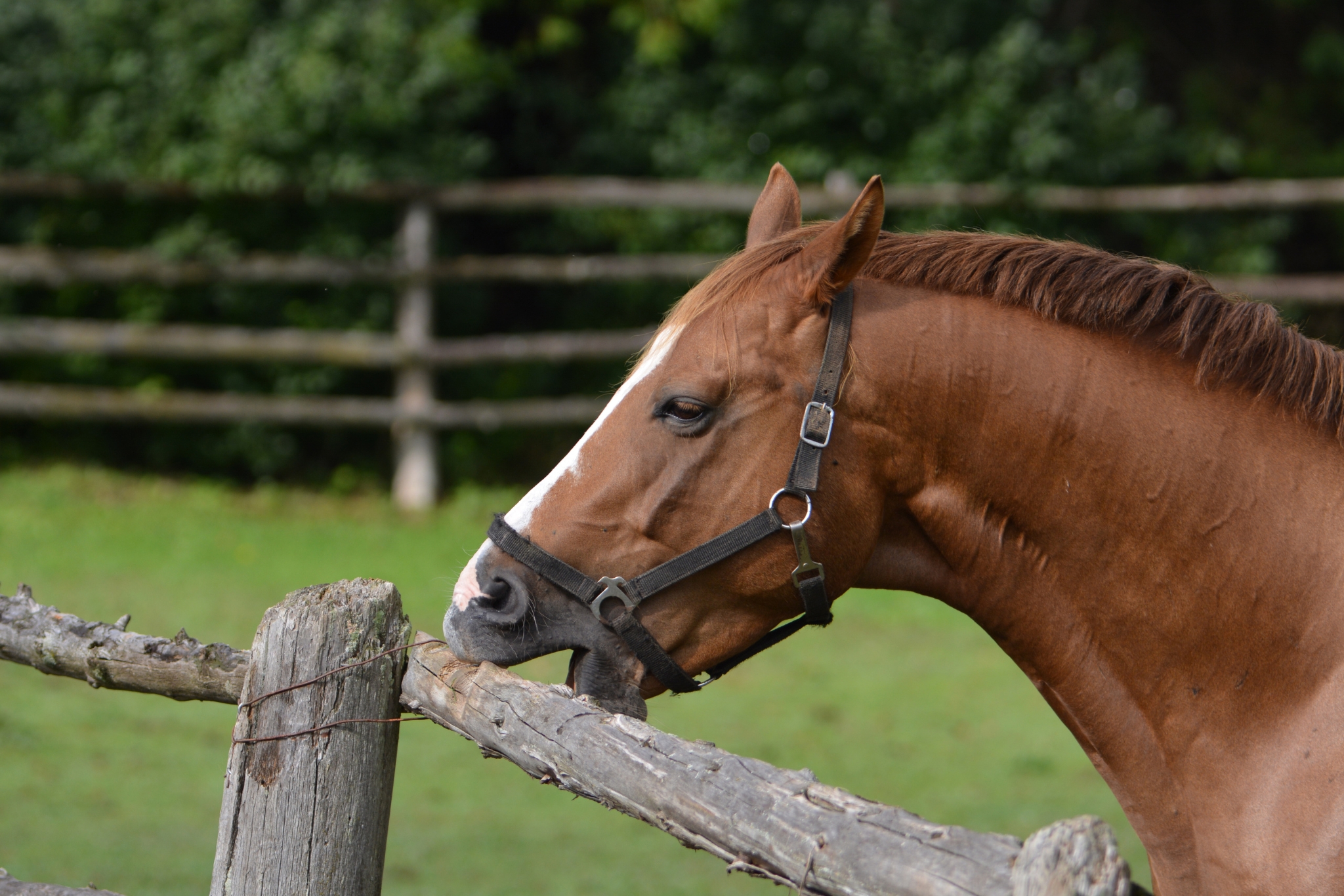
If you’ve ever seen your horse grabbing a fence rail or stall door with their teeth, arching their neck, and making a grunting sound while pulling in air, you’ve seen cribbing firsthand.
If your horse has developed this habit, don’t lose hope.
Understanding why horses crib is the first step toward managing the behavior, and with the right approach, you can help reduce the habit and improve your horse’s well-being.
In this article, we’ll cover what causes cribbing, why some horses are more likely to develop it, and practical, horse-friendly strategies you can start using today.
What Is Cribbing?
Cribbing is a repetitive behavior called a stereotypy. Rather than being a horse’s way of “misbehaving,” it’s often a sign that something in their environment or routine isn’t right.
A cribbing horse grips a solid object with its incisors, arches its neck, pulls back, and contracts its lower neck muscles to draw air into the upper esophagus, often producing a distinctive grunting sound.
These behaviors typically develop when a horse experiences chronic stress, frustration, or an unmet biological needs.
And once it begins, cribbing can become deeply ingrained and difficult to stop.
It’s important to distinguish cribbing from wood chewing.
Wood chewing is simply gnawing on wood without the air gulping component, and it’s usually driven by boredom, teething, or mineral deficiency.
Cribbing on the other hand is a distinct neurological and behavioral condition.
Recognizing the Signs
- #1Grabbing a fixed object (fence board, stall door, feed bucket rim) with the front teeth
- #2Arching the neck and pulling backward
- #3An audible grunt or belch-like sound as air is drawn in
- #4Excessive wear or “cribbing marks” on the incisors
- #5Worn or splintered wood on stalls and fences
- #6Weight loss or poor body condition in chronic cribbers
- #7Preference for cribbing during downtime, feeding, or stressful moments
What Causes Cribbing in Horses?
Cribbing doesn’t have a single cause—instead, it usually develops from a combination of physical, environmental, and management factors.
1. Stress & Confinement
Horses are naturally meant to graze and move for much of the day. Long hours in a stall, limited turnout, and not having enough forage can increase stress and are some of the biggest risk factors for developing cribbing.
2. Weaning & Early Life Stress
A horse’s early experiences can have a lasting impact. Foals that are weaned too early, weaned abruptly, or switched to high grain, low forage diets soon after weaning are more likely to develop cribbing later in life.
Early digestive and emotional stress may set the stage for the behavior.
3. Diets High in Starch & Sugar
Feeding large amounts of grain or concentrate while limiting forage has been strongly linked to cribbing. These diets can increase stomach acidity, disrupt gut health, and raise the risk of gastric ulcers.
4. Stomach Discomfort
Growing research suggests there’s a strong connection between cribbing and gastric ulcers. Some experts believe horses may crib as a way to cope with stomach discomfort because the behavior increases saliva production, which can help buffer stomach acid.
5. Genetics & Breed
Some breeds, including Thoroughbreds and Warmbloods, seem to be more likely to develop cribbing than others.
While genetics may play a role, a horse’s environment and daily management are still considered the biggest influences.
6. Learned Behavior—or Not?
Despite the old barn myth, horses don’t usually start cribbing simply by watching another horse do it. While living near a chronic cribber may contribute to stress in some horses, cribbing itself isn’t considered a contagious behavior.
Is Cribbing Harmful?
Yes—while cribbing itself isn’t always immediately harmful, chronic cribbing can lead to several health and management issues over time, including:
How to Help a Cribbing Horse
There’s no guaranteed cure for cribbing once it becomes an established habit. However, with the right management, many horses can crib less often and enjoy a better quality of life.
1. Increase Turnout & Forage
One of the most effective long term strategies is giving your horse more turnout time and unlimited access to low sugar forage whenever possible.
Horses are natural grazers, and spending more time moving and eating forage helps reduce both the stress and stomach discomfort that can contribute to cribbing.
2. Support Stomach Health
Talk with your veterinarian about screening for or treating gastric ulcers. Research suggests that many horses crib less frequently once stomach pain and digestive discomfort are properly managed.
3. Feed a Forage First Diet
Limit high starch, high sugar grain feeds and focus on a forage based diet instead. Using slow feeders or hay nets can also extend eating time, helping satisfy your horse’s natural urge to graze throughout the day.
4. Enrich Your Horse’s Environment
Boredom and social isolation can make cribbing worse. Providing a more stimulating environment may help reduce the behavior.
Consider offering you horse:
- More turnout with compatible herd mates
- Slow feeders or enrichment toys
- Stall windows or partitions that allow horses to see and interact with one another
5. Use a Cribbing Collar Carefully
A cribbing collar (also called an anti-cribbing strap) fits around the upper neck and makes the muscle movement needed for cribbing uncomfortable.
While these collars can reduce the behavior, they don’t address the underlying cause.
If you choose to use one, make sure it fits properly, check for rubbing or sores regularly, and avoid leaving it on continuously without breaks.
6. Surgery (For Severe Cases)
In severe cases that don’t respond to other management strategies, your veterinarian may recommend a modified Forssell’s procedure. This surgery targets some of the muscles and nerves involved in cribbing and may reduce the behavior in certain horses.
Because surgery carries risks and doesn’t work for every horse, it’s generally considered a last resort after medical and management options have been explored.
What to Avoid
Not every cribbing solution is created equal. Some approaches may reduce the behavior temporarily but fail to address the underlying cause—or may create additional stress for your horse.
✘ Leaving Cribbing Muzzles on Indefinitely
- Muzzles can be helpful in some situations, but they must be used carefully.
- Poorly managed muzzles can interfere with normal eating, drinking, and overall comfort.
✘ Punishment Based Deterrents
- Methods like electric wire, bitter sprays, or other aversive solutions only address the visible behavior without solving the reason behind it.
- They also increase stress, which may make stereotypic behaviors worse.
✘ Assuming it’s “Just a Habit”
- Cribbing is more than a simple bad habit.
- Ignoring it may mean overlooking an underlying issue, such as stress, management problems, or gastric discomfort like ulcers.
Can Cribbing Be Prevented?
While there is no guaranteed way to prevent cribbing completely, thoughtful management—especially during a horse’s early years—can help reduce the risk.
Since cribbing is often linked to stress, confinement, and unmet natural behaviors, creating a healthy, horse-friendly environment from the start is one of the best approaches.
Some ways to help lower the chances of cribbing developing:
- Practice gradual, low stress weaning — Abrupt changes can be overwhelming for young horses. A slower weaning process allows foals to adjust more comfortably and reduces unnecessary stress.
- Encourage turnout and social interaction — Horses are naturally social animals. Regular turnout with compatible companions helps support their physical and emotional well-being.
- Choose a forage first feeding approach — Providing plenty of forage from an early age supports natural grazing behaviors, healthy digestion, and longer periods of chewing.
- Limit long periods of stall confinement — Horses thrive when they can move, explore, and interact with their environment. Offering regular turnout and enrichment can help prevent boredom and frustration.
- Create a stimulating environment — Simple additions like safe toys, varied feeding methods, and opportunities for social contact can help keep horses mentally engaged.
The goal isn’t just to prevent cribbing — it’s to create a lifestyle that supports your horse’s natural needs and helps them feel comfortable, content, and healthy.
The Bottom Line on Cribbing
Cribbing is a complex stereotypic behavior influenced by stress, digestive health, and daily management—it’s not simply a bad habit that can be trained away.
The most successful approach focuses on understanding the why behind the behavior and creating a lifestyle that supports your horse’s natural needs.
A well-rounded management plan may include a veterinary evaluation for possible gastric issues, a forage focused diet, plenty of turnout, and enriching activities that encourage natural behaviors.
Cribbing collars and surgical options can be helpful in certain situations, but they work best when combined with thoughtful, long term care rather than being used as a quick fix.
And if your horse has recently started cribbing, it’s worth addressing early. A veterinary check can help identify potential underlying issues, such as ulcers or discomfort, before the behavior becomes a more established habit.