The Honest Truth About Tokay Geckos as Pets (Read This Before You Buy)
Tokay geckos are stunning — and notoriously bitey. Here’s a real, honest guide to their care, temperament, and whether they’re the right pet for you.
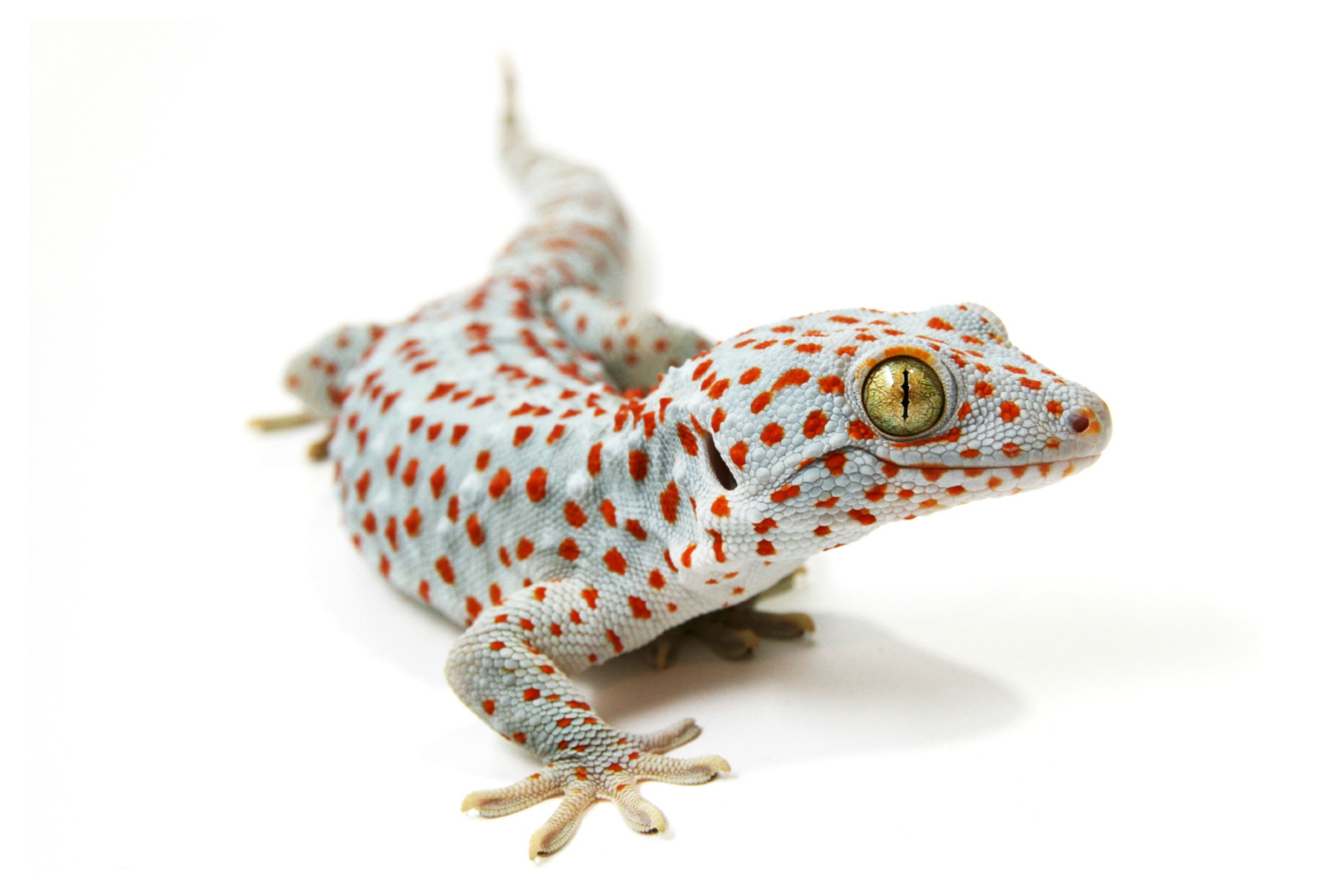
Tokay geckos are the kind of animal that immediately stops you in your tracks. With their stunning blue bodies covered in bright orange-red spots and those large amber eyes, tokay geckos (Gekko gecko) are genuinely striking animals.
That said, they’re actually one of the most misunderstood species in the hobby, often underestimated in terms of temperament, care needs, and handling requirements.
So before you bring one home, it’s worth taking a look at what most people tend to skip. The real, no fluff look at what tokay gecko ownership is actually like—the good, the bitey, and everything in between.
What Exactly Is a Tokay Gecko?
- Tokay geckos are among the largest gecko species in the world
- They’re native to Southeast Asia, parts of India, and various Pacific islands
- Adults typically reach 10 to 14 inches from nose to tail, with females usually smaller than males
- They get their name from the loud unmistakable “TO-KAY! TO-KAY!” call males use to mark territory and attract mates, a sound that’s become something of an internet favorite
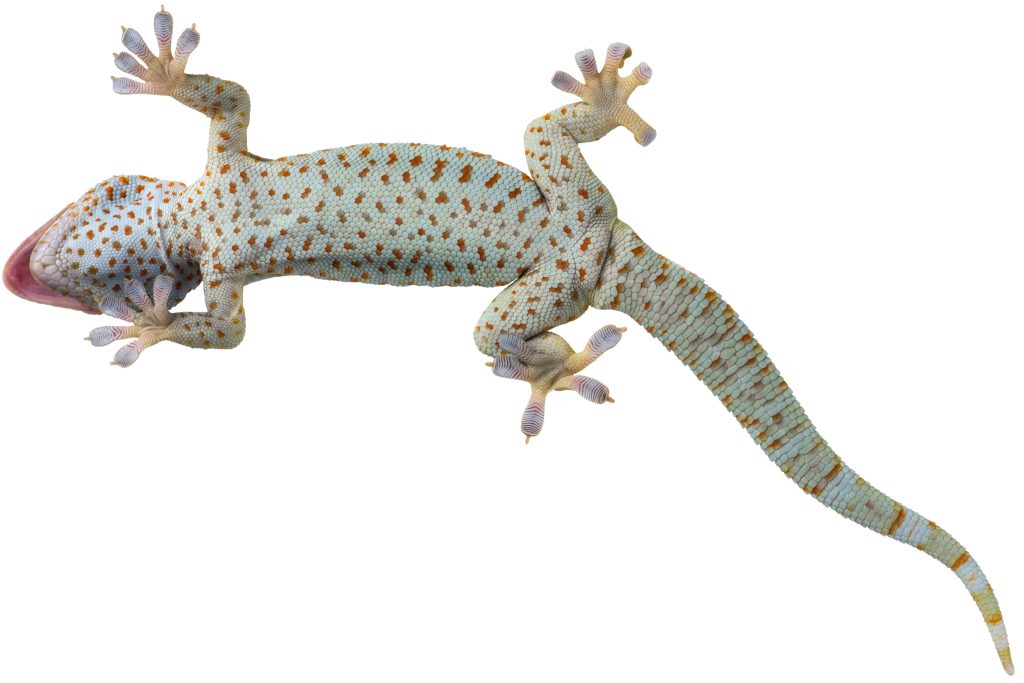
- Tokay geckos are nocturnal, arboreal, and are built like small tanks with strong jaws, sticky toe pads that let them climb glass and walls with ease
- Their temperament that can best be described as completely unbothered by human opinions (and they’re not afraid to bite!)
THE HONEST TRUTH They are Not a Beginner Pet
This is the part most pet store employees tend to gloss over, so let’s be direct. Tokay geckos are widely considered one of the most defensive, bite prone lizards in the pet trade.
That’s not exaggeration or internet hype—it’s a well documented species trait and the single most important thing to understand before committing.
A few honest specifics:
They bite, and they bite hard. Tokay geckos have powerful jaws for their size, and once they latch on, they tend to hold rather than release quickly. It’s rarely dangerous, but it can break skin and it will definitely startle you.
Taming is possible, but it’s limited. With patience, consistent handling, and low stress routines, some tokays become more tolerant of their keeper over time.
“Tolerant” is the key word—most never become the easy, hands-on pets that species like leopard geckos or crested geckos can be.
They’re also fast and defensive by instinct (not malice). In the wild, tokays rely on speed, a strong bite, and a loud hiss bark to deter threats.
Those instincts don’t disappear in captivity—they’re simply part of who they are.
Housing Give Them Height, Not Just Space
Tokay geckos are highly arboreal, so vertical space matters far more than floor space.
Enclosure Size
- A single adult does best in a minimum of an 18x18x24 inch enclosure, with larger always being better.
- Tall, vertically oriented setups are far more suitable than wide, low ones.
Climbing Structures
- Cork bark, tall branches, and dense foliage—live or high quality artificial—help create the cover they rely on.
- Tokays are naturally shy and need plenty of places to hide and retreat.
Temperature and Humidity
- Provide a basking area around 88°F to 92°F with an ambient gradient down to the low 80s, and allow nighttime drops into the mid 70s.
- Humidity should stay in the 60% to 80% range, maintained through regular misting and proper ventilation.
Lighting
- A low level UVB light is recommended (even for a nocturnal species), since emerging research suggests many nocturnal geckos may still benefit from low UVB exposure.
Feeding Insectivores With an Appetite
Tokay geckos are enthusiastic insect hunters and thanks to their size, these lizards can handle larger prey than most other gecko species.
Staple Diet
- Gut loaded crickets and dubia roaches that are sized appropriately for your gecko
Occasional Treats
- Superworms
- Hornworms
- Occasional pinky mouse for larger, well established adults
Supplementation
- Dust feeder insects with a calcium supplement at most feedings
- Use a calcium with D3 or multivitamin supplement once or twice a week
Feeding Frequency
- Juveniles benefit from daily feedings
- Adults typically do well on a schedule of every other day to three times a week
Tokays eat with the same enthusiasm they bite with, so tong feeding is strongly recommended over hand feeding — especially early in your relationship with the animal.
Handling Less Is More
Experienced keepers recommend letting your gecko settle in before attempting any handling. A newly acquired tokay typically needs several weeks of low disturbance time to acclimate.
It’s best to start slow and keep things low stress. Short and calm interactions—such as a hide box or cup transfer method where the gecko moves between containers—help build familiarity without forcing direct contact.
Don’t forget to always respect your gecko’s body language. An open mouth, raised posture, or a sharp barking hiss is a clear signal of “not right now.” It’s important to take that seriously.
And accept your lizard’s ceiling. Many tokay keepers find real satisfaction in a more hands off relationship that involves daily observation, enrichment, and care without frequent handling. That type of approach is completely valid for this species.
common myths debunked
1. THEY’RE AGGRESSIVE BECAUSE THEY’RE MISTREATED
Not necessarily true—defensive behavior in tokay geckos is largely instinctual and present even in captive bred, well cared for individuals. It’s honestly a species trait rather than solely a result of poor husbandry.
2. THEY’LL CALM DOWN COMPLETELY WITH ENOUGH HANDLING
Some individuals do become noticeably more tolerant. However, fully “tamed” lap pet behavior is the exception rather than the rule, and expecting it or trying to force it can create stress for both you and your gecko.
3. SMALL ONES ARE SAFER TO HANDLE
Juveniles are actually even more flighty and quick to bite than adults—they simply cause less damage. Size doesn’t determine temperament.
Who Should (and Shouldn’t) Get One
A tokay gecko may be a great fit if you:
- Want a striking, high personality display animal
- Enjoy naturalistic and densely planted enclosures
- Are comfortable with a more observation based pet relationship
- Have some prior reptile keeping experience
A tokay gecko is probably not for you if you:
- Want a lizard you can handle daily
- Are considering it as a first reptile for a young child
- Are drawn mainly to the appearance without researching temperament
- Would struggle with nighttime vocalizations (which can be surprisingly loud)
The Bottom Line on Pet Tokay Geckos
Tokay geckos are dazzling, bold, and full of character—but they’ve earned their reputation as a more challenging species for a reason.
The honest truth is that this isn’t a “starter gecko,” and going in with realistic expectations is key to a positive experience for both keeper and animal.
Respect their instincts, build a well planned vertical enclosure, keep feeding interactions safe and controlled, and you’ll find that a tokay gecko is less of a cuddly companion and more of a living piece of art that just so happens to bark back at you.