How to Train a Horse for Show Jumping (From First Pole to First Competition)
Build a bold, confident show jumper with our step-by-step training guide. Covering flatwork, gridwork, courses, and competition prep.
- Is Your Horse Ready for Show Jumping Training?
- Build a Solid Flatwork Foundation
- Introduce Groundwork and Desensitization
- Trot Poles and Cavaletti Work
- Introduce the First Cross-Rail
- Build to Small Verticals and Simple Combinations
- Canter Jumping and Developing Rhythm
- Introduce Course Work
- Introduce Show Jumping Fillers and Arena Environment
- Progress Heights Gradually and Safely
- Conditioning and Care
- Common Problems and How to Address Them
- Final Thoughts on Show Jumping Training
Show jumping is one of the most exhilarating disciplines in the equestrian world—a perfect blend of athleticism, precision, and partnership between horse and rider. But before you’re flying over colorful rails in the show ring, there’s a thoughtful training process that builds confidence, strength, and trust along the way.
Whether you’re working with a young green horse or giving an older horse a fresh start, this guide will walk you through each step of teaching show jumping—from foundational groundwork all the way to confidently navigating full courses.
Is Your Horse Ready for Show Jumping Training?
Before you get started, it’s worth taking a thoughtful look at whether your horse is truly ready—both physically and mentally—for jump training:
Age Matters
- Most trainers recommend waiting until a horse is at least 3 to 4 years or older before introducing jumping. Their skeletal system—especially the growth plates—needs time to fully develop, and starting too early can lead to long term joint and bone issues.
Conformation Plays a Role
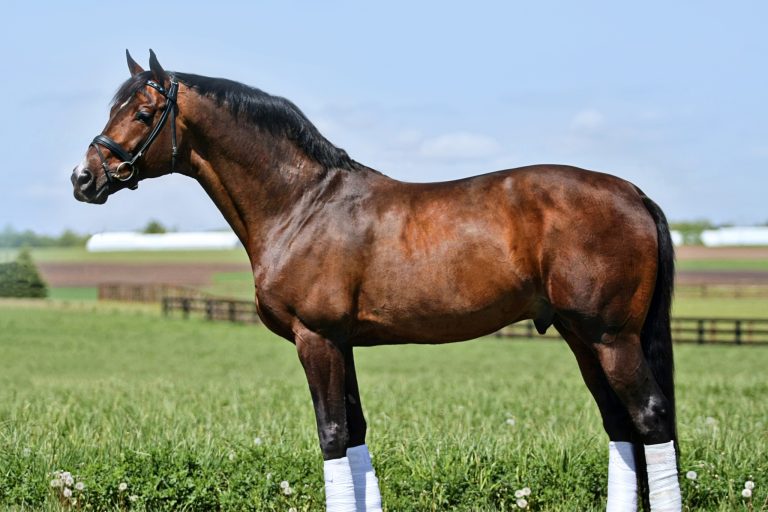
- While any horse can learn basic jumping, show jumping horses ideally have strong hindquarters, a well-angled shoulder, good bone density, and natural balance. A pre-purchase veterinary exam and soundness check is essential before beginning a serious program.
Temperament is Crucial
- Show jumping requires a horse that is bold, willing, and trainable. Highly anxious or spooky horses can learn to jump, but they’ll need extra time spent building confidence before any poles are introduced.
Build a Solid Flatwork Foundation Step 1
The single most valuable thing you can do to prepare your horse for jumping is to develop beautiful, consistent flatwork. It’s the foundation—and it’s not something to rush.
A horse that jumps well—and safely—needs to go well on the flat first. Before you even think about poles, your horse should be:
- Forward and responsive to leg aids
- Soft in the contact and comfortably working into the bridle
- Able to maintain a consistent rhythm at the walk, trot, and canter
- Balanced through transitions, corners, and bending lines
- Supple through the body and responsive laterally
⭐ Incorporate exercises like shoulder-in, leg yield, transitions within and between gaits, and circles of varying sizes. The goal is a horse that feels light, balanced, and attentive—ready to respond the moment you ask.
Any issues on the flat don’t disappear over fences—they show up bigger. A horse that rushes, leans on the forehand, or tunes out your aids on the flat will bring those same habits to jumping, just amplified.
Introduce Groundwork and Desensitization Step 2
Before your horse ever jumps under saddle, taking the time to introduce poles, fillers, and jump equipment from the ground up can make a huge difference in their confidence and education.
⭐ Longeing over poles is a great place to start. Begin with a single pole on the ground and allow your horse to walk over it calmly on the lunge line. From there, you can progress to multiple ground poles set evenly apart (about 4.5 to 5 feet for trot poles). This helps your horse learn to watch their feet, regulate stride length, and step carefully—key skills for jumping later on.
⭐ Hand walking past jump equipment is another simple but powerful step. Expose your horse to colorful fillers, walls, water trays, flower boxes, and flags without pressure or expectation. The goal is relaxed curiosity, not performance—just letting them take it all in at their own pace.
⭐ Free jumping in a round pen or chute can also be incredibly beneficial. It gives the horse a chance to figure out jumping mechanics without a rider, allowing them to find a natural rhythm, shape, and balance over fences. Many professional trainers rely on this method, especially with young or inexperienced horses, to build confidence and body awareness.
Trot Poles and Cavaletti Work Step 3
Once your horse is relaxed and confident over ground poles under saddle, you can begin to incorporate structured pole work into your regular flat sessions.
⭐ Start simple with a single ground pole on a straight line, then gradually progress to a line of 3 or 4 trot poles spaced about 4.5 feet apart. The goal is consistency—your horse should maintain a steady rhythm, reach forward softly, and step cleanly over each pole without rushing, tripping, or hopping.
⭐ From there, cavaletti are a natural next step. These low, adjustable poles (typically set around 12 inches at their lowest) gently introduce the idea of adjusting stride length and lifting the legs, without the pressure or complexity of a full jump.
Keep every session short, focused, and positive. It’s always better to end slightly early on a good effort than to push for “just one more rep.” These early, positive experiences with poles and small obstacles build the trust and confidence that will carry your horse forward into jumping work.
Introduce the First Cross-Rail Step 4
The cross-rail is the perfect first jump for any horse. Its simple X-shape naturally encourages straightness and draws the horse to the center, while staying low at the middle point—typically just 12 to 18 inches off the ground.
⭐ Approach the cross-rail in a calm, rhythmic working trot. Keep steady leg contact, maintain a neutral upper body, and allow your hands to follow the horse’s motion over the jump. Resist the urge to “help” by throwing your body forward—this can actually unbalance your horse. Instead, sit quietly and let them figure out the fence.
⭐ After a smooth effort, circle away on a loose rein and offer plenty of praise. Repeat a few times in each direction, then wrap up the session while things are going well.
Common Mistakes to Avoid at this Stage:
- Letting the horse rush toward the fence
- Pulling on the reins on the approach
- Leaning forward too early
- Jumping the same fence over and over without breaks
Build to Small Verticals and Simple Combinations Step 5
Once your horse is trotting cross-rails calmly and confidently, you can begin progressing to small verticals—essentially a single rail raised to about 2 feet. Unlike cross-rails, verticals require a bit more precision, adjustability, and awareness from both horse and rider.
⭐ At this stage, placing poles (also called ground lines) become incredibly useful. Set a pole about 8 to 9 feet in front of the fence on the approach side to help your horse find a consistent takeoff point. This encourages a more organized stride, builds their “eye” for the jump, and supports safe, confident habits.
⭐ You can also begin introducing simple combinations—two fences set 1 or 2 strides apart. A one-stride combination is typically 18 to 21 feet, while a two-stride is around 30 to 33 feet. Start small, keeping the fences around 2 feet, and focus on maintaining straightness and rhythm rather than height or speed.
This stage is all about teaching your horse to think, adjust, and stay balanced while in motion—setting the foundation for more technical jumping work down the line.
Canter Jumping and Developing Rhythm Step 6
Most show jumping is done at the canter, so it’s important that your horse feels completely comfortable jumping from a balanced, rhythmic canter before you start increasing height.
⭐ Begin by cantering small cross-rails and verticals, with the main focus on rhythm—an even, steady tempo on the approach that stays consistent all the way to takeoff. Aim for a light, following seat in a half-seat or two-point position so your horse can move freely through their back.
A helpful training tool at this stage is simply counting strides out loud (“one, two, three…”) in time with the canter. It builds rider feel and helps the horse settle into a predictable, relaxed rhythm. If a horse rushes to fences or drops behind the leg, this consistency work needs to be addressed before progressing further.
⭐ Grid work is one of the most effective tools in all of show jumping. These carefully measured sequences of fences teach the horse to stay balanced, adjust in the air, and think quickly between efforts. Over time, they build strength, suppleness, and scope in a very systematic way.
⭐ A great starting point is a bounce grid—two fences set with no stride between them (typically 9 to 12 feet apart). It’s a simple but powerful exercise that introduces correct technique and encourages the horse to use their body properly from the very beginning.
Introduce Course Work Step 7
When your horse is confidently jumping individual fences around 2 to 2.5 feet, it’s time to progress to simple courses—sequences of 5 to 8 fences that include gentle turns, changes of direction, and a variety of jump types.
⭐ Start with smooth, flowing tracks that don’t demand tight turns or sharp angles. At this stage, your focus should be on:
- Maintaining a steady rhythm and balance through the corners
- Establishing the correct canter lead after each landing
- Riding clean, accurate lines to every fence
- Keeping your horse relaxed, attentive, and moving forward
⭐ As both horse and rider grow in confidence, you can begin introducing more technical questions like rollback turns, bending lines, and related distances between fences.
This is where the foundations of real show jumping strategy start to come together—learning how to ride efficient lines while maintaining rhythm, pace, and precision throughout the course.
Introduce Show Jumping Fillers and Arena Environment Step 8
Even a horse that jumps beautifully at home can feel completely different at a show when faced with water trays, walls, bright fillers, flags, crowds, and unfamiliar environments. That’s why thoughtful preparation makes all the difference.
⭐ Start by gradually introducing fillers at home. Begin with something simple like a plastic filler tray under a fence, then progress to solid-looking walls, bush boxes, or flower boxes. Introduce each element calmly and give your horse time to look and process before asking them to jump it.
⭐ It’s also incredibly helpful to attend unaffiliated or schooling shows before stepping into serious competition. Spend time hacking around the showgrounds, warming up near arenas, and simply letting your horse take in the sights and sounds. Repetition over several outings builds confidence—some horses settle in 3 or 4 visits, while others may need a full season. Either way, there’s no benefit in rushing this step.
Progress Heights Gradually and Safely Step 9
One of the most common mistakes ambitious riders make is moving up in fence height too quickly. A steady, structured progression is what builds a sound, confident jumper in the long run. As a general guideline:
- 0 to 6 months of jump training: Focus on poles, cavaletti, cross-rails, and small verticals under 2 feet
- 6 to 12 months: Begin riding small courses up to 2’6″ (75cm), introducing spreads and simple combinations
- Year 2: Progress toward around 3 feet (90cm), with opportunities to step into basic affiliated competition classes
- Year 3+: Work gradually toward 1.10m to 1.20m and higher, depending on the horse’s natural scope, strength, and willingness
Above all, timing matters. Never jump a horse when they are tired, sore, or tense. Consistency and quality always come first—five balanced, well-ridden efforts are far more valuable than twenty rushed ones.
Conditioning and Care Step 10
Show jumping is a physically demanding discipline, and a successful jumper needs thoughtful support both in and out of the arena. Alongside ridden training, several key areas play a major role in keeping your horse happy, healthy, and performing at their best:
⭐ Fitness work is essential. Regular hacking, hill work, and canter sets help build cardiovascular strength and overall muscle development. A fit horse recovers more efficiently between efforts and maintains accuracy and energy throughout the entire course.
⭐ Cross-training is just as important. Dressage schooling improves balance, collection, and adjustability, while relaxed hacking supports mental freshness. Pole work and gymnastics keep the body supple and responsive. This variety helps prevent both physical strain and mental burnout.
⭐ Correct nutrition ties everything together. Horses in consistent work require high-quality forage, balanced feed, and appropriate supplementation based on their workload. When in doubt, consulting an equine nutritionist can help ensure your horse is properly fueled for performance and recovery.
⭐ Veterinary support should always be consistent and proactive. Regular farriery, dental care, bodywork or back checks, and joint health monitoring are all non-negotiable for a horse in regular jumping work. Addressing small issues early helps prevent bigger setbacks later.
Common Problems and How to Address Them
Every horse and rider combination will run into challenges during jumping training—it’s a normal and important part of the learning process. What matters most is how you respond when things don’t go to plan.
Most jumping issues aren’t “bad behavior,” but instead are signs of confusion, imbalance, lack of confidence, or physical discomfort. With a calm approach and a willingness to step back when needed, these problems can be corrected in a way that builds trust, improves technique, and strengthens the partnership over time..
Horse Rushes at Fences
- Slow everything down and return to basic trot work. Reintroduce placing poles and even practice halting after landing to reset the rhythm. In most cases, rushing comes from tension or anticipation—so the goal is not to correct harshly, but to redirect and reward moments of relaxation and patience.
Horse Stops or Runs Out
- Assess whether the fence is too big, the approach is unbalanced, or the horse lacks confidence. Back up a step in training, build success on smaller obstacles, and evaluate your position and aids on approach.
Horse Drifts Left or Right Over Fences
- Use placing poles to create a channel, work on straightness on the flat, and check that your aids are even and your position balanced.
Horse Knocks Poles Repeatedly
- Gridwork and gymnastics are your best tool. They encourage the horse to use its body more efficiently and sharpen awareness of the poles. Check also for physical issues such as soreness in the back or hocks.
Final Thoughts on Show Jumping Training
Teaching a horse to jump is truly a journey measured in years, not weeks.
The most successful riders are the ones who stay committed to the basics, resist rushing the process, and always keep their horse’s physical and emotional wellbeing at the heart of every decision.
Focus on building a solid flatwork foundation, developing confidence over small fences, and progressing in a steady, methodical way. Keep early competition experiences calm and conservative, and above all, stay tuned in to what your horse is telling you along the way—they’ll always show you when something isn’t quite right.
When it’s done well, show jumping becomes so much more than a sport. It turns into a quiet conversation between two athletes built on trust, timing, and understanding—and that partnership is absolutely worth every patient step it takes to develop.