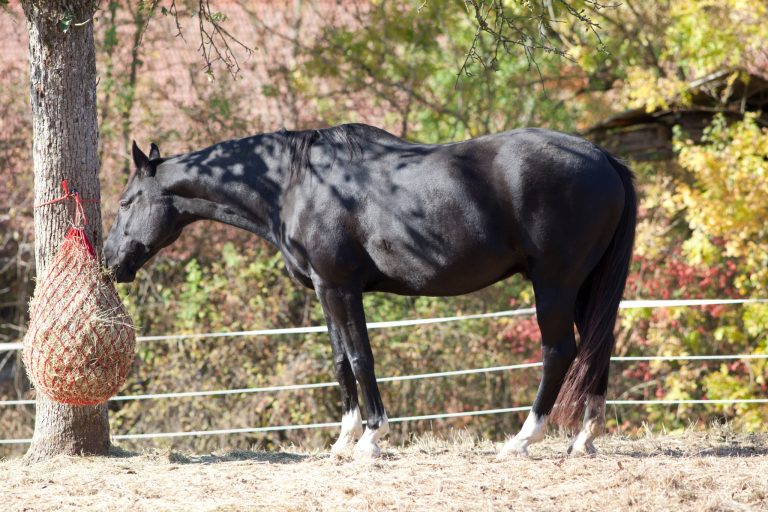
Mare Breeding Prep Checklist What Every U.S. Horse Breeder Should Do Before Season Starts
Prepare your mare for breeding season with confidence. Expert-backed advice on nutrition, reproductive health, lighting, and conception timing.
- Understanding the Mare’s Reproductive Cycle
- Schedule a Pre-Breeding Reproductive Exam
- Optimize Body Condition Score
- Implement an Artificial Lighting Program
- Update Vaccinations and Deworming
- Perform a Perineal Conformation Assessment and Caslick’s Procedure
- Determine Your Breeding Method and Timing Strategy
- Establish a Monitoring Schedule with Your Veterinarian
- Confirm Pregnancy and Begin Prenatal Care
- Key Takeaways for U.S. Horse Breeders
For horse breeders across the United States, a successful breeding season starts long before the first cover or insemination. Whether you’re raising Quarter Horses in Texas, Thoroughbreds in Kentucky, or Warmbloods in the Pacific Northwest, preparing your mare well in advance is the single most important factor in achieving a healthy live foal on the ground.
With breeding costs, veterinary fees, and stallion fees all adding up quickly, maximizing your mare’s chances of a successful conception isn’t just good horsemanship—it’s smart business.
This guide will take you through everything you need to know to prepare your mare for breeding season—from fall conditioning all the way through to a confirmed pregnancy.
Understanding the Mare’s Reproductive Cycle
Before diving into a preparation plan, it helps to understand how a mare’s reproductive system works. Mares are seasonally polyestrous, meaning they naturally cycle during the longer daylight hours of spring and summer and enter a period of anestrus (reproductive inactivity) during the shorter days of fall and winter.
In most parts of the United States, mares begin transitioning back into regular cyclicity between February and April, with peak fertility typically occurring from May through September.
However, many breeding programs—particularly in the Thoroughbred industry, where all horses share a universal January 1 birthday—require mares to be bred as early as February 15. This creates the need for artificial manipulation of the mare’s cycle, which we’ll cover in detail below.
Understanding where your mare falls on this seasonal spectrum will shape your entire preparation timeline.
Step 1: Schedule a Pre-Breeding Reproductive Exam (October to November)
The foundation of any sound mare preparation program is a thorough reproductive evaluation performed by a licensed equine veterinarian. Ideally, this exam should take place in the fall—well before breeding season—so any issues can be addressed and resolved in time.
A pre-breeding reproductive exam typically includes:
- A rectal palpation and transrectal ultrasound to evaluate the uterus and ovaries
- A uterine culture and cytology to check for bacterial infection or inflammation
- A uterine biopsy if indicated to assess the health of the endometrium
- A vaginal speculum exam to check for scarring, infections, or structural issues
- A Caslick’s evaluation to determine whether the mare’s vulvar conformation predisposes her to pneumovagina
- A complete physical examination including body condition scoring
PRO TIP: Conditions like endometritis (uterine inflammation), uterine cysts, or poor perineal conformation can dramatically reduce conception rates and even prevent a pregnancy from being maintained. Catching these issues in the fall gives your veterinarian time to treat them before the pressure of the breeding season begins.
Step 2: Optimize Body Condition Score
Nutrition is one of the most powerful tools a breeder has for influencing reproductive success. Research consistently shows that mares in a moderate to good body condition score (BCS of 5 to 7 on the Henneke scale) have higher conception rates, better embryo survival, and smoother pregnancies than mares that are too thin or too fat.
The concept of “flushing”—bringing a mare up in body condition before and during the breeding season—is well-supported in the equine literature. A mare that is gaining weight at the time of breeding tends to have a more robust ovulatory response and better conception rates than one that is losing weight or in poor condition.
Work with an equine nutritionist or your veterinarian to develop a feeding program tailored to your mare’s individual needs. For mares that are underweight, begin increasing caloric intake 60 to 90 days before breeding season. For overweight mares, a gradual reduction in body fat through a combination of reduced caloric density and increased exercise is recommended, as crash dieting can be counterproductive to reproductive health.
Key nutritional considerations for breeding mares include:
- Adequate omega-3 fatty acids (which support embryo development)
- Appropriate vitamin E and selenium levels
- Sufficient vitamin A and beta-carotene (important for reproductive tissue health)
- A forage-first diet with balanced mineral supplementation
Step 3: Implement an Artificial Lighting Program
If you need your mare cycling earlier than nature would allow—particularly relevant for breeds using a January 1 universal birthdate like Thoroughbreds, Standardbreds, and Quarter Horses registered for early futurities—an artificial lighting program is the most effective and cost efficient way to advance her first ovulation of the year.
The standard protocol involves exposing the mare to a single light source of at least 200 lux (roughly equivalent to a single 200 watt incandescent bulb, or 100 watts per stall) for approximately 16 hours of continuous light followed by 8 hours of darkness per day. The light can be natural daylight supplemented by artificial light in the evening.
Most veterinarians recommend starting the lighting program approximately 60 to 90 days before the desired first ovulation—meaning if you want your mare cycling by February 15, you should begin the lighting program around December 1.
Keep in mind that consistent light exposure is critical. Skipping nights or allowing your mare to be in total darkness can reset the process and delay her response.
Step 4: Update Vaccinations and Deworming
A mare preparing for pregnancy should be on a robust health maintenance program. Consult with your veterinarian to ensure your mare’s vaccination protocol is appropriate for your region and the diseases prevalent in your area. The American Association of Equine Practitioners (AAEP) provides regularly updated vaccination guidelines tailored to both core and risk-based needs.
Depending on your region and the mare’s risk exposure, vaccinations commonly administered prior to breeding include:
- Eastern and Western equine encephalomyelitis
- West Nile virus
- Tetanus
- Rabies
- Rhinopneumonitis (Equine Herpesvirus, or EHV-1/EHV-4)*
- Influenza
- Potomac horse fever
*The rhinopneumonitis vaccine is of particular importance in pregnant mares because EHV-1 is a leading cause of equine abortion.
Regarding deworming, a fecal egg count should guide your decision making rather than blanket treatment. Strategic deworming based on fecal egg count monitoring is now considered the gold standard and helps reduce resistance development.
A clean parasite status supports overall health and nutrient absorption, which in turn supports reproductive function.
Step 5: Perform a Perineal Conformation Assessment & Caslick’s Procedure
Poor vulvar conformation is an often overlooked cause of reduced fertility in mares. If a mare’s vulvar lips are slanted or if more than one-third of the vulva lies above the ischial arch, she is at risk for pneumovagina—the aspiration of air and contaminants into the vaginal vault, which leads to chronic low-grade uterine contamination and reduced conception rates.
The Caslick’s procedure is a simple surgical correction in which the upper portion of the vulva is sutured closed, leaving only a small opening for urination. It is inexpensive, quick, and enormously effective at reducing contamination in mares with poor conformation.
NOTE: If your mare had a Caslick’s in place, it will need to be opened (episiotomy) prior to natural cover, live cover, or foaling, and re-sutured after each event.
Your veterinarian will assess vulvar conformation as part of the reproductive exam and advise whether a Caslick’s is appropriate for your mare.
Step 6: Determine Your Breeding Method and Timing Strategy
Horse breeders in the U.S. have several breeding method options available, and your choice will influence how closely you need to monitor and manage your mare’s cycle.
- Live cover involves the stallion mounting and mating the mare directly. It is still common in Thoroughbred racing, where the Jockey Club prohibits the registration of foals conceived through artificial insemination. For live cover, mares are typically brought to the stallion’s farm and boarded until confirmed in foal.
- Artificial insemination with fresh-cooled semen is the most widely used method across most other breeds in the United States. Semen is collected from the stallion, extended in a transport medium, and shipped overnight to arrive at the mare’s farm. Timing is critical—cooled semen has a viable lifespan of 24 to 48 hours, and insemination should occur as close to ovulation as possible.
- Artificial insemination with frozen semen offers the ability to use genetics from stallions that have died or are located internationally, but it requires even more precise timing. Frozen semen has a very short window of viability post-thaw (typically 6 to 12 hours), meaning insemination must occur within hours of ovulation. This typically involves intensive ultrasound monitoring and the use of ovulation inducing hormones.
- Embryo transfer is another option increasingly used by competitive sport horse breeders who want multiple offspring per year from a high value performance mare. The mare is bred and flushed 7 to 8 days post-ovulation, and the embryo is transferred into a recipient mare for gestation.
Step 7: Establish a Monitoring Schedule with Your Veterinarian
Once your mare has begun her transitional cycle and is showing signs of regular estrous activity, close monitoring through rectal palpation and ultrasound becomes essential.
Most reproductive veterinarians will begin monitoring every 1 to 2 days once your mare is in estrus, and watching for follicle development on the ovary. When a dominant follicle reaches approximately 35 to 40mm in diameter and the mare is showing behavioral signs of heat (receptivity to the stallion, relaxed vulva, “winking”), ovulation is imminent.
At this point, your veterinarian may administer human chorionic gonadotropin (hCG) or a GnRH agonist such as deslorelin to induce ovulation within 36 to 48 hours, allowing you to time insemination or semen delivery with precision. This is especially important when working with frozen semen or when coordinating shipping logistics with a distant stallion farm.
Step 8: Confirm Pregnancy and Begin Prenatal Care
Approximately 14 to 16 days after ovulation, your veterinarian will perform a transrectal ultrasound to check for an embryonic vesicle in the uterus. This early check also allows for the detection and manual disruption of twin embryos, which is critical—twin pregnancies in mares almost always result in abortion or the birth of weak, non-viable foals. Early intervention gives the surviving embryo the best chance.
A second pregnancy check is typically performed at 25 to 30 days to confirm a heartbeat and confirm continued development. Once the pregnancy is confirmed at 45 days, it is generally considered stable.
From this point forward, your mare enters the prenatal management phase, which includes the EHV-1 vaccination series at months 5, 7, and 9 of gestation, appropriate nutrition adjustments for the growing fetus, and regular veterinary monitoring.
Key Takeaways for U.S. Horse Breeders
Preparing your mare for breeding season is a multi-month process that pays enormous dividends in conception rates, foal health, and overall program efficiency.
- Start with a fall reproductive exam to identify and treat any underlying issues early
- Optimize your mare’s body condition well before breeding season begins
- Use artificial lighting if you need to advance her first ovulation
- Keep vaccinations and parasite control current
- Work closely with a veterinarian experienced in equine reproduction to monitor her cycle and time breeding precisely
- Don’t skip the pregnancy checks—catching twins early or confirming a healthy embryo in a timely manner can make the difference between a successful foal crop and a costly loss
Investing in properly preparing your mares is one of the smartest, highest return decisions you can make in your entire breeding program.
Remember to always consult a licensed equine veterinarian for individualized reproductive guidance. Regional disease risks, breed-specific requirements, and individual mare health history should all inform your specific preparation protocol.