Why Turnout Is Essential for Your Horse The Science Behind Freedom to Move
Up to 90% of horses develop ulcers linked to stall confinement. Find out how turnout protects your horse’s body and mind.
- What Is Turnout and Why Does It Matter?
- The Digestive Science: Turnout and Gut Health
- Musculoskeletal Health: How Turnout Builds Better Horses
- Respiratory Health: Fresh Air Is Not Optional
- The Neuroscience of Turnout: Mental Health and Behavior
- Immune Function and Inflammation
- How Much Turnout Does a Horse Actually Need?
- Common Concerns — and What the Research Says
- The Bottom Line on the Importance of Turnout
If you’ve ever watched a horse gallop freely across a pasture—bucking, rolling, and grazing at will—you’ve witnessed something far more significant than simple recreation.
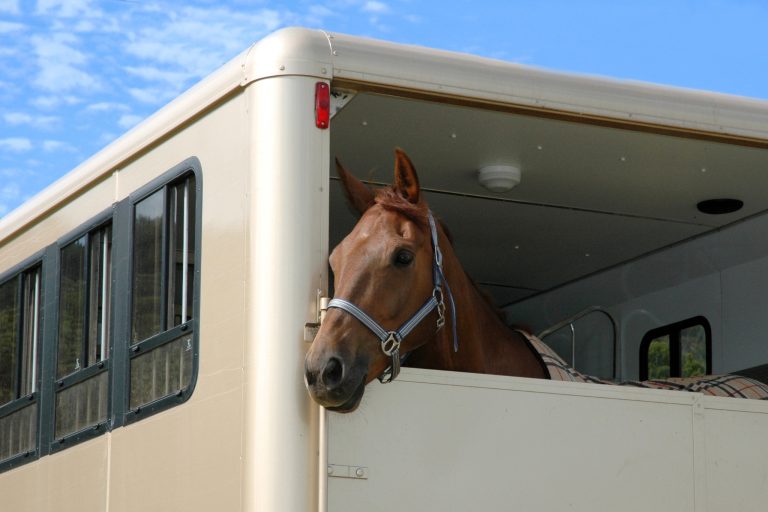
Turnout—the practice of allowing horses regular access to open pasture or paddock space—is a foundational element of equine health and welfare. Yet in many modern horse management systems, horses may spend up to 22 hours a day confined to a stall.
The research is increasingly clear: this level of restriction is not merely inconvenient—it can be actively detrimental.
Whether you’re an experienced equestrian or a new horse owner, understanding the biological and psychological importance of turnout can fundamentally reshape how you approach your horse’s daily care.
What Is Turnout and Why Does It Matter?
Turnout refers to any time during which a horse is allowed to move freely outside of a stall, whether in a small dry lot, a grass paddock, or a large open pasture. While the duration, frequency, and quality of turnout vary widely between facilities, the research is remarkably consistent: more turnout is almost always associated with better outcomes.
Horses evolved as grazing, highly mobile prey animals, naturally traveling significant distances each day in search of forage and social interaction. Their musculoskeletal system, digestive function, hoof health, and behavioral patterns are all shaped by this near constant movement. Prolonged confinement in a stall—often as small as 12 by 12 feet—runs counter to these deeply ingrained biological needs.
The Digestive Science Turnout and Gut Health
One of the most compelling reasons to prioritize turnout is its direct impact on the equine digestive system. The horse’s gastrointestinal tract is designed for near-continuous consumption of small amounts of forage—not two large meals a day consumed while standing still in a stall.
Continuous Gastric Acid Production
Unlike humans, horses produce stomach acid continuously—estimated at up to 9 gallons per day—whether or not they are eating. In a natural grazing environment, this is buffered by a steady intake of fibrous forage. In confinement, however, long gaps without feed allow acid to accumulate in the unprotected portion of the stomach, increasing the risk of equine gastric ulcer syndrome (EGUS), a condition that affects a large percentage of performance horses.
Turnout, particularly when paired with access to pasture or free-choice forage, allows horses to graze as they are biologically designed to, helping to buffer stomach acid and significantly reduce ulcer risk.
Movement Supports Hindgut Function
The horse’s hindgut—especially the cecum and large colon—is highly sensitive to disruptions in motility. Regular movement plays a critical role in keeping ingesta moving through the digestive tract. When horses are confined for extended periods, this natural motility slows, increasing the risk of issues such as impaction or displacement colic.
Consistent turnout encourages natural movement patterns, which in turn support healthy gut function and reduces the likelihood of digestive complications.
Musculoskeletal Health How Turnout Builds Better Horses
The equine musculoskeletal system is built for movement, and it depends on that movement to remain strong and functional. This principle applies at every level, from cellular processes all the way up to the integrity of joints, tendons, and bones.
Bone Health Depends on Loading
Bone is a dynamic, living tissue that continually remodels in response to mechanical stress. Weight bearing movement stimulates the cells responsible for building bone, helping maintain density and strength. Horses kept in prolonged confinement experience reduced mechanical loading, which can lead to decreased bone density over time and a higher risk of injury when work resumes.
Joint Health Relies on Motion
Articular cartilage, which lines the surfaces of joints, does not have a direct blood supply. Instead, it depends on movement to circulate synovial fluid, delivering nutrients and removing waste. Regular, low intensity movement—such as that provided by turnout—helps maintain healthy joints, while prolonged immobility can contribute to stiffness and degenerative changes over time.
Tendons and Ligaments Need Gradual Stress
Connective tissues strengthen in response to consistent, appropriate loading. This is especially important in young horses, where free movement supports proper development and resilience. Horses raised with regular turnout tend to develop stronger, more adaptable soft tissue structures than those kept in restrictive environments.
The Hoof Functions as a Circulatory Pump
Each step a horse takes helps circulate blood through the lower limb. When the hoof bears weight, internal structures compress and assist in moving blood back up the leg. Extended periods of standing still reduce this natural circulation, which can contribute to swelling and decreased hoof quality. Regular turnout keeps this system active, supporting overall limb health.
Respiratory Health Fresh Air Is Not Optional
Indoor stabling exposes horses to a range of airborne irritants, including ammonia from urine breakdown, dust from bedding, mold spores in hay, and bacterial byproducts. Even in well-managed barns, these particles can accumulate at ground level—precisely where horses breathe—leading to irritation of the respiratory tract over time.
Conditions such as equine asthma (formerly known as heaves or recurrent airway obstruction) are strongly associated with prolonged stabling and dust exposure. Studies have shown that simply increasing time at pasture can lead to measurable improvements in airway health, even without additional medical intervention.
Beyond overt disease, chronic low level exposure to these irritants can subtly impair respiratory efficiency, reduce oxygen uptake, and contribute to inflammatory airway conditions that may limit performance without obvious clinical signs.
Daily turnout provides the most effective form of ventilation: continuous access to fresh, open air.
The Neuroscience of Turnout Mental Health and Behavior
The behavioral effects of stall confinement are among the most visible—and best documented—consequences of inadequate turnout. They are also closely tied to how the equine brain is wired to function.
Horses are Inherently Social and Movement Driven
As prey animals, horses are neurologically adapted for constant environmental awareness, social interaction, and the ability to move away from perceived threats. Prolonged isolation in a stall can create a state of chronic, low grade stress, often reflected in elevated cortisol levels. Over time, this can impact immune function, digestion, and overall physical condition.
Stereotypic Behaviors are Coping Mechanisms—Not Bad Habits
Behaviors such as cribbing, weaving, stall walking, and wood chewing—collectively known as stereotypies—are not simply “bad habits.”
They are repetitive, often involuntary behaviors that develop as a response to stress, confinement, and lack of stimulation. Research suggests these patterns are linked to changes in brain regions associated with habit formation, which is why they can persist even after management improves.
Importantly, these behaviors are largely preventable. Horses with regular turnout—especially from a young age—show significantly lower rates of stereotypy development compared to those kept primarily in stalls.
Turnout Fulfills Essential Behavioral Needs
Grazing is not just a feeding behavior—it is a core psychological need. The act of moving, foraging, and chewing continuously throughout the day supports a calmer mental state and helps regulate stress. Horses deprived of this outlet may become more reactive, frustrated, or difficult to train.
By contrast, horses with adequate turnout are typically more relaxed, attentive, and easier to handle, reflecting a management approach that aligns more closely with their natural behavioral patterns.
Immune Function and Inflammation
Emerging research also suggests that turnout may play an important role in supporting the equine immune system. Across species, low to moderate intensity exercise is associated with anti-inflammatory effects, and in horses, regular free movement appears to help reduce systemic inflammation and support normal immune function.
In contrast, prolonged stall confinement has been linked to increased inflammatory activity in the body, which may contribute to a range of health issues, including metabolic and endocrine disorders.
Time spent at pasture also introduces additional beneficial factors—such as sunlight exposure, natural movement, and a more diverse environmental microbiome—all of which may contribute to a more balanced and resilient immune response.
How Much Turnout Does a Horse Actually Need?
The honest answer is: as much as possible.
Research suggests that a minimum of 4 to 6 hours of daily turnout provides meaningful welfare benefits, while many equine veterinarians and welfare scientists consider 24/7 turnout to be the ideal—as long as appropriate shelter, forage access, and social companionship is available.
Where full-time turnout is not feasible, several priorities can still meaningfully improve welfare:
- Daily turnout, even in a dry lot, is significantly better than none
- Social contact with at least one compatible horse
- Continuous forage access during stall time, such as slow-feeder hay nets
- Reduced stall confinement, particularly during peak grazing and activity periods
Even incremental increases in turnout time can make a measurable difference in your horse’s physical and behavioral well-being.
Common Concerns and What the Research Says
My horse gets injured in turnout.
Turnout related injuries do happen, but research suggests that the overall health risks associated with prolonged confinement are typically greater than the risk of injury in turnout. Proper fencing, well-matched companions, and a gradual reintroduction after periods of stall rest can significantly reduce these risks.
I have a horse on stall rest for an injury.
In some medical cases, restricted movement is necessary, but even then, controlled hand-walking and carefully managed, gradual movement are often preferred over complete confinement. Veterinary guidance is essential, as total immobility is rarely the ideal long term approach unless specifically required for healing.
My horse has laminitis—doesn’t that mean no pasture?
Active laminitis does require careful restriction of high-sugar pasture, but that does not automatically mean eliminating movement. Alternatives such as dry lot turnout or track systems can preserve the benefits of free movement while avoiding the dietary triggers associated with lush grass.
The Bottom Line on the Importance of Turnout
The science is clear: horses are biologically built for movement at every level—biomechanical, neurological, and physiological.
Turnout is not a luxury or an optional extra—it is a foundational component of equine health. From digestive function and bone strength to hormone regulation and mental well-being, nearly every system in the horse’s body functions more effectively when the animal is able to move freely and consistently.
For horse owners and caretakers, aligning management practices with equine biology is simply good horsemanship. A horse that is allowed to move regularly is more likely to stay sound, perform well, and maintain long term health and quality of life.
Looking to optimize your horse’s turnout routine? Consult with an equine veterinarian or qualified equine nutritionist to develop a program tailored to your horse’s specific age, breed, workload, and health status.