Sun, Grass & Good Vibes Outdoor Time Tips for Pet Tortoises
Sunshine is basically a superfood for tortoises! Learn how to make outdoor time safe, fun, and totally enriching for your shelled bestie.
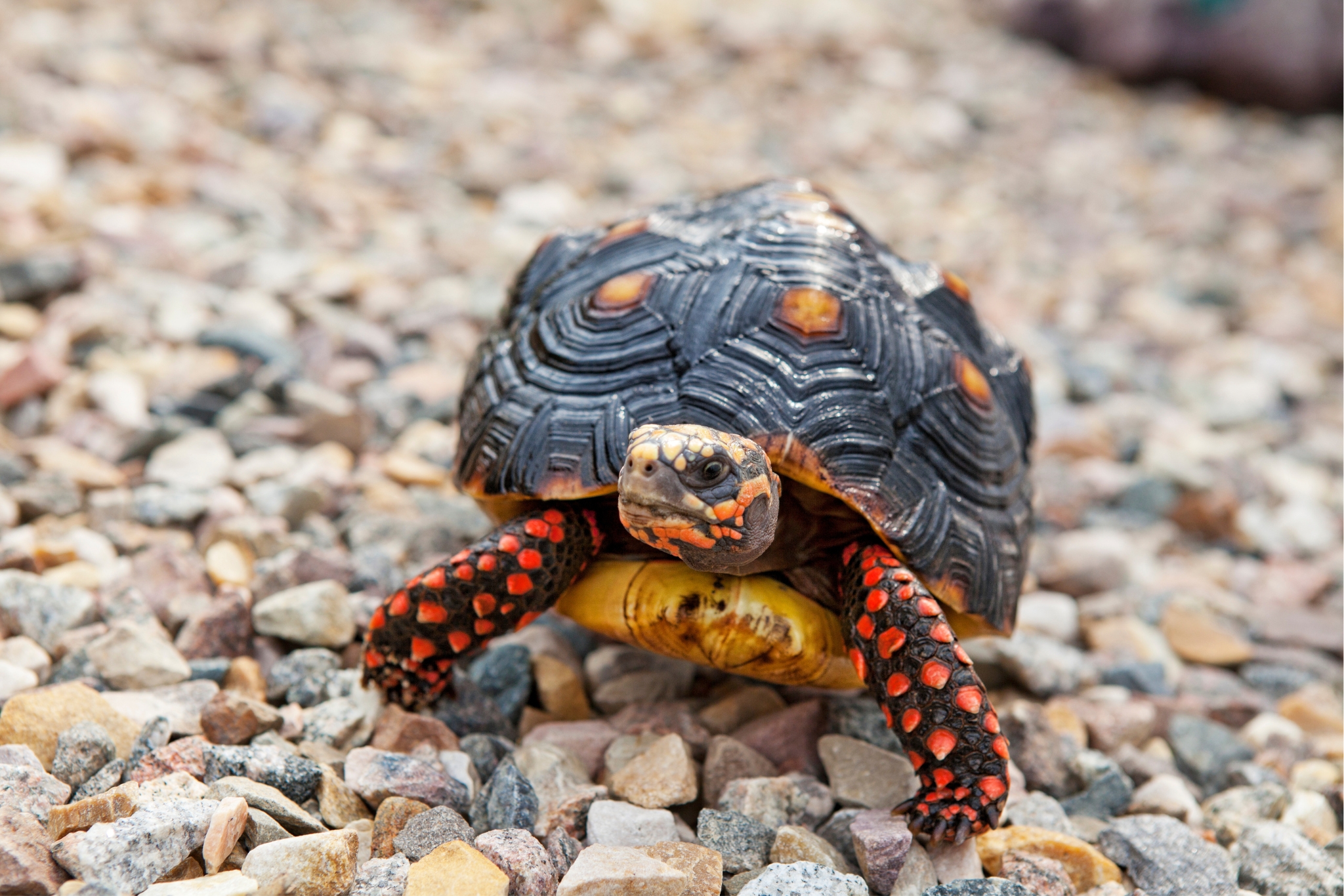
If you’re a tortoise parent, you already know these adorable little dinos are way more than just pets—they’re part of the family.
And one of the very best ways to keep your shelled bestie healthy and happy? Get them outside! Sunshine, fresh air, and a patch of grass to explore can do wonders for a tortoise’s mood and wellbeing.
From basking in the sun to munching on safe greens, being outside lets them enjoy life the way nature intended. Here’s everything you need to know to make outdoor adventures safe, fun, and totally tort-approved.
Why Outside Time Is a Total Game-Changer for Tortoises
Before we jump into the tips, let’s talk about why outdoor time is such a big deal for tortoises. These little shelled creatures are cold blooded reptiles, which means they rely on outside heat to warm up their bodies and keep everything functioning properly.
Natural sunshine gives them those all important UVB rays that help their bodies produce Vitamin D3, which is key for strong bones, healthy growth, and a happy shell.
And while UVB bulbs definitely help indoors, nothing quite compares to the real thing. Fresh air, sunshine, grass, dirt, and new surroundings also give tortoises tons of mental enrichment. Exploring different textures, smells, and terrain keeps them active, curious, and engaged—basically the tortoise version of a perfect self-care day.
The bottom line is that sunshine isn’t just adorable for backyard photo ops—it’s a huge part of keeping your tortoise healthy, active, and thriving.
Top Tips for Safe, Successful Tortoise Outdoor Sessions
Okay tortoise parents, it’s time for some sunshine and shell time! Whether you’re brand new to tortoise life or basically a professional shell wrangler at this point, these outdoor tips will help keep every adventure safe, comfy, and seriously fun for your reptile bestie.
1. Check the Weather Before Heading Outside
Tortoises love warm weather—but there’s definitely a limit. Most popular pet tortoise species, like Russian, Hermann’s, and sulcata tortoises, do best in temperatures between 70°F and 90°F with access to a warm basking spot.
If temps drop below 60°F, it’s best to keep your little buddy indoors. Chilly weather can slow down digestion and weaken their immune system, which is absolutely not the energy we want.
Take a peek at the forecast the night before so you can plan the perfect tortoise patio day.
2. Create a Safe, Secure Outdoor Enclosure
Letting your tortoise wander freely around the yard sounds cute in theory… until they disappear under a fence in record time. These little escape artists are surprisingly sneaky, so a secure outdoor enclosure is a must.
Your tortoise setup should include:
- Solid walls about 12 inches high
- A slightly buried border to prevent digging escapes
- Plenty of shady spots for cooling off
- A shallow water dish for sipping and soaking
3. Supervise, Supervise, Supervise
Even with a secure setup, outdoor time should always be supervised. Birds of prey, raccoons, neighborhood cats, and curious dogs can all pose risks—especially for smaller tortoises. Hawks in particular can be a real danger for babies and juveniles.
When it’s time for your tortoise to explore outside, stay close, keep an eye on your surroundings, and never leave your shelled friend unattended.
4. Mind the Terrain and Plants
One of the best parts of outdoor time is letting your tortoise graze on natural vegetation—but not all plants are tortoise-safe. Make sure your outdoor space is free from toxic plants like:
- Azaleas
- Daffodils
- Foxglove
- Buttercups
- Nightshade
Safe grazing options include dandelions, clover, plantain weeds, and hibiscus leaves. Some tortoise owners even create adorable little tortoise gardens filled with safe plants and snacks.
Also check that your lawn hasn’t been treated with pesticides, herbicides, or fertilizers. Chemical-free grass only, please!
5. Provide Shade and a Humidity Refuge
While tortoises love to bask, they also need to be able to cool down. A shaded hide or a damp area gives your tort a place to retreat when things get too toasty.
Overheating is a real concern, especially during peak summer hours. For most species, avoid outdoor time between 12pm and 3pm on very hot days—mornings and late afternoons are the sweet spot.
6. Know Your Species’ Needs
Not all tortoises are created equal when it comes to outdoor preferences! A sulcata tortoise from sub-Saharan Africa will thrive in hot, dry conditions, while a Hermann’s tortoise native to Mediterranean Europe prefers a slightly cooler, more humid environment. Do a little research into your tortoise’s natural habitat so you can tailor their outdoor setup accordingly.
Here’s a quick cheat sheet:
- Sulcata tortoise — loves heat, needs lots of space, thrives in dry climates
- Russian tortoise — handles cooler temps well and loves digging
- Hermann’s tortoise — enjoys warm, Mediterranean-style weather
- Red-footed tortoise — prefers humidity, shade, and tropical conditions
7. Acclimate Gradually
If your tortoise is new to outdoor adventures, don’t go straight to a full afternoon outside. Start with 20 to 30 minute sessions and gradually increase the time as your pet gets more comfortable. This helps them adjust to temperature changes and reduces stress.
8. Always Do a Post-Outing Health Check
Before bringing your tortoise back inside, give them a quick once-over. Check for:
- Ticks or mites around the legs and neck
- Small cuts or shell scrapes
- Dirt or debris near the eyes or shell
- Signs of overheating or sluggishness
It only takes a minute and can help you catch little issues before they become bigger problems.
9. Seasonal Smarts: Know When to Wrap Up Outdoor Season
If you live somewhere with cooler weather, outdoor tortoise season usually runs from late spring through early fall. Once temperatures start dropping consistently, it’s time to transition your tortoise back indoors with proper heating and UVB lighting.
And if your species brumates, fall is also the time to start preparing for their seasonal slowdown with guidance from a reptile-savvy vet.
Frequently Asked Questions About Tortoise Outdoor Time
How long should a tortoise be outside each day?
On warm, sunny days, 1 to 4 hours of supervised outdoor time is amazing for most tortoises! If the weather is safe and their enclosure is secure, even more time outside can be a big win for your shelled sidekick.
Can tortoises get sunburned?
Their shells give them some natural protection, but too much heat and direct sun without shade can cause overheating. Make sure your tortoise always has a cool, shady spot to relax and recharge.
Do tortoises need outdoor time year round?
If you live somewhere warm like Arizona or Florida, many tortoises can safely enjoy outdoor time all year long. In cooler climates, indoor UVB lighting helps keep them healthy and happy during chilly months.
Is my tortoise enjoying outside time?
Happy tortoises love to explore, graze on grass, bask in the sunshine, and dig around a little. If your tort seems withdrawn, hides nonstop, or looks stressed, it’s totally okay to bring them inside and try again another day.
The Bottom Line on Outdoor Tortoise Time
Outdoor time is seriously one of the best things you can give your tortoise. It supports their physical health, keeps their minds active, and lets them tap into all those natural tortoise instincts they were born with.
With a safe setup, a little planning, and some supervision, those sunny backyard hangouts can easily become the highlight of both your days.
So grab your sunscreen, prep the tortoise patio, and let your shelled bestie soak up the sunshine in style. Trust us—happy tortoise energy is unmatched.
Looking for more tortoise care tips? Explore our guides on tortoise diet, shell health, and setting up the perfect indoor habitat!