Can You Have a Pet Bear? Everything You Need to Know
Thinking about keeping a pet bear? Learn about the laws, real costs, safety risks, and more in this complete guide on bear ownership.
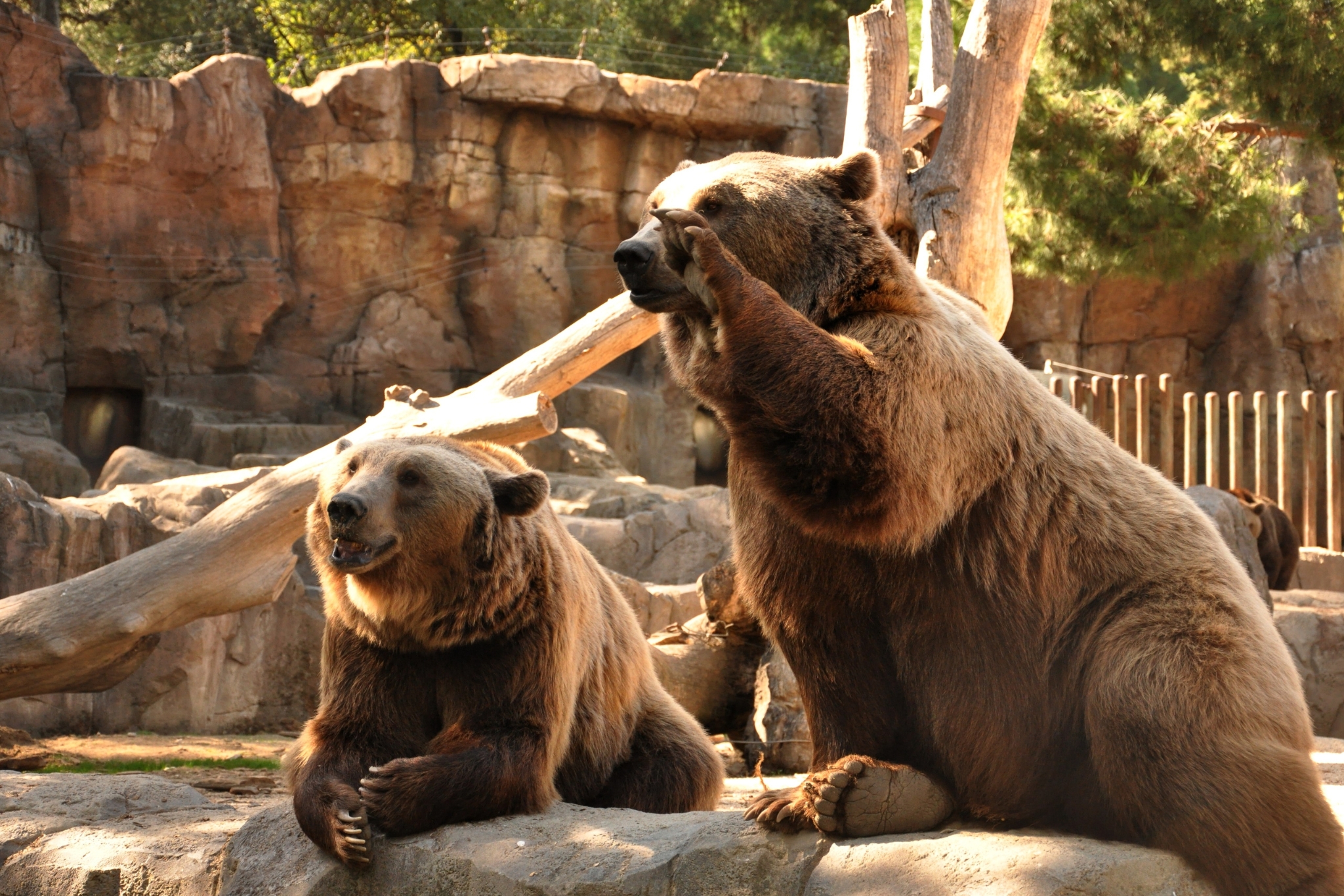
There’s no denying it—baby bears are ridiculously cute. With their fluffy fur, clumsy antics, and teddy bear looks, it’s easy to see why so many people fall in love with them at first sight.
But before you start searching for a pet bear or imagining one curled up in your backyard, it’s worth taking a closer look at what life with a bear is really like.
As adorable as they may seem, keeping a bear as a pet is a whole different story—and trust us, it’s about much more than cuddles and snack time.
Can You Legally Keep a Pet Bear?
Before you get too attached to the idea of having a pet bear, there’s one important question to answer first: Is it even legal?
The answer depends entirely on where you live. In the United States, exotic animal laws are handled at the state level, which means the rules can vary dramatically from one state to the next.
Some states have historically been more lenient about exotic pet ownership, while others strictly prohibit private citizens from keeping bears—but in most cases, legally owning a bear requires permits, inspections, and compliance with a long list of regulations.
The bottom line: Make sure you understand the laws before taking the next step. Regulations surrounding exotic animals can be complex, and ignoring them can lead to significant fines, confiscation of the animal, legal trouble, and even jail time.
When it comes to owning a bear—or any exotic pet—researching the legal requirements should always come first.
Bears Are NOT Big Dogs (A Friendly PSA)
This is where a lot of well-meaning animal lovers run into a reality check. Bears may look cuddly and seem domesticated—especially when they’re raised from a young age—but they’re still wild animals with powerful instincts that don’t disappear just because they’ve grown up around people.
So what does that mean for everyday life?
1. They’re unbelievably strong.
An adult bear isn’t just large—they’re also incredibly powerful.
It’s important to remember that bears are built for survival in the wild. Their size, strength, and natural instincts are far beyond anything you’d encounter with a typical household pet. Because of this, every interaction requires caution and constant awareness.
Even friendly, playful behaviors—like a nudge, paw swipe, or roughhousing—can unintentionally cause serious injuries due to a bear’s natural power.
2. Their Behavior Can Be Unpredictable
Bears are wild animals, and they don’t always respond the way domesticated pets do.
Even bears that have been raised by humans can become stressed, defensive, or reactive in situations that might seem perfectly harmless to us. Their natural instincts remain a powerful part of who they are, and while training and socialization can help manage certain behaviors, they cannot override a bear’s fundamentally wild nature.
When you’re caring for a pet bear, constant vigilance is essential. Their natural instincts can surface quickly, which means owners must remain attentive and aware at all times.
3. They Aren’t Domesticated Animals
Unlike dogs, which have lived alongside humans for thousands of years, bears have never been selectively bred to be companion animals.
No matter how much care, training, or attention they receive, they are still fundamentally wild animals, wired to behave as bears—not pets.
|
The Real Cost of Keeping a Bear
If the legal and safety considerations haven’t already given you pause, there’s another major factor to think about… the cost—because keeping a pet bear is an extraordinarily expensive.
Food
Bears are omnivores with enormous appetites. Depending on the species and the time of year, they can consume more than 20,000 calories a day during hyperphagia, which is their intense pre-hibernation feeding period.
All of that food adds up quickly, often costing hundreds of dollars a week—or more—just to meet their nutritional needs and keep them properly fed.
Enclosure
A safe, secure, and enriching bear enclosure is nothing like a typical backyard setup. It requires reinforced fencing, secure containment systems, significant space, shelter structures, water features, and climbing enrichment to support a bear’s natural behaviors.
Keep in mind that professional-grade enclosures can easily cost tens of thousands of dollars before daily care even begins.
Veterinary Care
Treating a bear requires a highly specialized exotic animal veterinarian—which can be both difficult to find and extremely expensive.
Even routine care usually involves sedation, along with complex logistics, specialized equipment, and significant cost considerations.
Time Commitment
Bears also require elaborate enrichment and careful environmental management. This isn’t a casual pet situation—it’s essentially a full-time responsibility.
|
What Species Are People Actually Keeping?
When you do encounter legal private bear ownership—typically in licensed sanctuaries or accredited educational facilities—the species involved are usually limited and strictly regulated:
1. American Black Bear (Ursus americanus)
The most commonly seen species in permitted settings in the United States. While smaller than other bears and sometimes considered more adaptable, they are still wild animals with strong instincts and significant care requirements.
2. Brown/Grizzly Bear (Ursus arctos)
Occasionally kept in licensed facilities, but due to their size, strength, and temperament they are extremely uncommon pet situations.
3. Sun Bear (Helarctos malayanus)
The smallest bear species, sometimes found in exotic or conservation settings. However, they are highly endangered and protected under international wildlife laws, making ownership heavily restricted.
4. Polar Bear (Ursus maritimus)
Polar bears are rarely, if ever, held outside of accredited zoological institutions due to their specialized needs and conservation status.
The Hibernation Reality Check
One thing people often overlook is that bears hibernate—or more accurately, enter a state of torpor.
During the winter months, a bear’s metabolism slows dramatically, and they spend long periods resting. When they are disturbed during this time, they can become disoriented or irritable.
When caring for a pet bear, managing hibernation requires careful preparation and attention, including:
- Providing a suitable secure denning space
- Adjusting feeding routines well in advance of winter
- Recognizing that a waking or semi-awake bear can be unpredictable
- Monitoring health while minimizing disruption to natural cycles
This is very different from a domestic pet simply sleeping in more during colder weather. It involves months of specialized care and environmental management to align with the bear’s natural biological rhythms
So What Can You Do Instead?
If you’re genuinely passionate about bears, there are plenty of meaningful ways to get involved without putting yourself, others, or the animals at risk:
1. Symbolic Adoption Programs
Organizations like the American Bear Association offer symbolic adoption programs that help fund real conservation work. When you participate, you’ll often receive small updates or gifts, while your contribution directly supports habitat protection and research efforts.
2. Volunteering at Sanctuaries
Accredited facilities such as Appalachian Bear Rescue in Tennessee sometimes offer volunteer opportunities. These programs allow you to support bear welfare while working under the supervision of trained professionals.
3. Observing Bears in the Wild
Seeing bears in their natural environment is both safe and unforgettable. Places like Katmai National Park and Preserve in Alaska offer opportunities for responsible wildlife viewing that respect natural behaviors and habitats.
4. Supporting Conservation Efforts
Donations to bear conservation organizations help support anti-poaching efforts, habitat preservation, and rehabilitation programs for injured or orphaned bears.
These contributions play an important role in protecting bear populations and ensuring their long term survival in the wild.
Should You Get a Pet Bear? The Verdict
With a little honesty and a gentle reality check: no, keeping a pet bear is not a good idea.
Bears aren’t pets in any traditional sense. They’re wild animals with complex physical, psychological, and social needs that simply can’t be met in most private settings. When you factor in the legal restrictions, financial demands, safety risks, and ethical concerns, the conclusion becomes pretty clear.
What bears are is worthy of respect, protection, and admiration—from a safe and appropriate distance.
For true bear enthusiasts, the most meaningful way to make a difference is to support the organizations dedicated to keeping bears wild, healthy, and thriving in their natural habitats. That’s the kind of impact that truly counts.