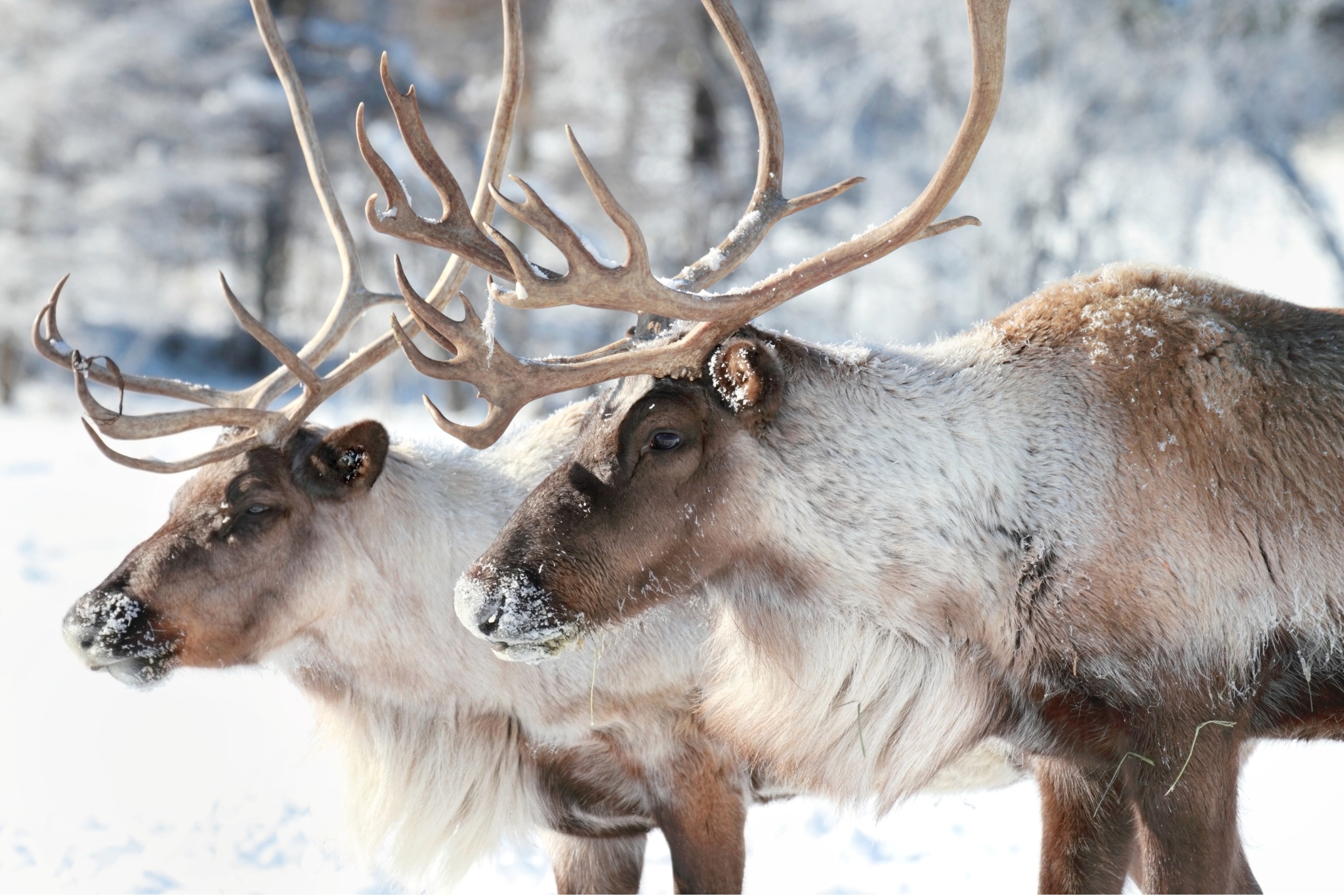
Can You Have a Pet Reindeer? Here’s Everything You Need to Know
If you’ve ever been enchanted by these majestic Arctic animals and wondered whether you could own one, you’re not alone.
The question “Can you have a pet reindeer?” is more common than you might think, especially around the holiday season.
The short answer is yes, but it’s also kinda complicated. Let’s dive into everything you need to know about reindeer ownership in America.
Is It Legal to Own a Reindeer in the United States?
Reindeer (also known as caribou in North America) are legal to own in most U.S. states, but regulations vary significantly by location.
Unlike exotic animals such as big cats or primates, reindeer are classified as domestic livestock in many jurisdictions, making them more accessible to private owners.
State byState Regulations
Before considering reindeer ownership, it’s important that you research your specific state and local laws:
States Where Reindeer Are Generally Permitted:
- Alaska (where they’re raised commercially)
- Wisconsin
- Montana
- Minnesota
- Michigan
- Vermont
- Maine
States with Restrictions or Special Permit Requirements: Some states may regulate reindeer under exotic animal laws or require special permits and agricultural licenses. Exotic animal regulations change frequently, so it’s important to always check your state, county, and city laws to confirm the most up-to-date regulations.
City and County Ordinances: Even if your state allows reindeer, your city or county may have livestock restrictions (especially in suburban areas). Homeowners associations may also prohibit livestock on residential properties.
What Makes Reindeer Different from Traditional Pets?
Reindeer are not domesticated animals in the way dogs or cats are. They’re semi-domesticated livestock with specific needs that differ drastically from conventional pets.
Physical Characteristics
- Size: Adult reindeer weigh between 180 to 400 pounds
- Height: Stand 3 to 4 feet tall at the shoulder
- Antlers: Both males and females grow antlers annually
- Lifespan: 12 to 15 years in captivity
- Climate needs: Adapted to cold environments
Behavioral Traits
Reindeer are herd animals with strong social needs. They’re generally docile and friendly, but they can become stressed when kept alone.
During the fall rutting season, males may display aggressive behavior. Reindeer require experienced handlers who are knowledgeable in ungulate behavior and management.
Requirements for Owning a Pet Reindeer
Land and Space Requirements
Reindeer need substantial space to roam and graze. Minimum recommendations include:
- At least 1 to 2 acres per reindeer for adequate grazing
- Secure fencing (minimum 6 feet high) to prevent escape
- Shelter from extreme heat, wind, and precipitation
- Shaded areas for summer months
- Can live in a barn (similar to horses) but pasture/turnout living is recommended
Climate Considerations
Reindeer are Arctic animals designed for cold climates. They struggle in hot weather and require:
- Access to cool areas during summer
- Plenty of fresh water
- Shade structures or wooded areas
- Fans and misters in warmer regions
Southern states are typically unsuitable for reindeer, as the high temperatures can lead to serious heat stress.
Diet and Nutrition
Reindeer have specific dietary needs:
- Primary diet: Grasses, sedges, and browse
- Winter supplement: Lichen (their natural food), hay, and specialized pellets
- Minerals: Salt licks and trace mineral supplements
- Fresh water: Available at all times
Remember to always consult with your veterinarian before making any changes to your animal’s diet or introducing new supplements.
Veterinary Care
Finding a veterinarian experienced with reindeer can be challenging. They require:
- Annual health examinations
- Vaccinations (similar to cattle and sheep)
- Hoof trimming
- Parasite control
- Emergency care access
Veterinary costs vary widely but budget at least $500 to $1,000 annually per reindeer.
How Much Does a Pet Reindeer Cost?
Initial Purchase Price
- Purchase price: $2,000 to $10,000+ per reindeer depending on age, gender, and breeding
- Calves: Generally less expensive but may require bottle feeding
- Trained adults: More expensive but easier to handle
Setup and Ongoing Costs
- Fencing and shelter: $3,000 to $10,000+ for initial setup
- Annual feed: $2,000 to $5,000+ per animal
- Veterinary care: $500 to $1,000+ annually
- Permits and licenses: Varies by state
Reindeer as Pets vs. Livestock
Most people who own reindeer in the USA do so for agricultural or commercial purposes rather than as traditional pets:
- Christmas displays and events
- Educational programs
- Breeding operations
- Meat production
- Tourism attractions
Social Needs: Can You Keep Just One Reindeer?
Reindeer are highly social herd animals and can suffer from stress and behavioral problems when kept alone. Ethical reindeer ownership requires:
- Minimum of two reindeer (preferably more)
- Compatible companions of similar age
- Proper introduction protocols for new animals
Keeping a solitary reindeer is considered inhumane by most animal welfare standards.
Challenges of Reindeer Ownership
Climate Stress
In warmer climates, reindeer are susceptible to:
- Heat exhaustion
- Parasites that thrive in warm weather
- Respiratory issues
- General discomfort and stress
Handling Difficulties
- Antlers can cause injuries
- Males become territorial during breeding season
- Requires experience with large livestock
- Can be unpredictable around children
Limited Resources
- Few veterinarians with reindeer experience
Legal Liability
As livestock owners, you may be liable for:
- Injuries caused by your animals
- Property damage if they escape
- Zoning violations
Alternatives to Owning a Reindeer
If you’re fascinated by reindeer but the reality of ownership seems overwhelming, you can consider:
- Visiting reindeer farms and petting zoos
- Volunteering at facilities with reindeer
- Attending holiday events featuring reindeer
- Supporting reindeer conservation efforts
- Adopting through symbolic programs at zoos and other wildlife organizations
Should You Get a Pet Reindeer?
While it’s legally possible to own reindeer in many U.S. states, these animals are best suited for experienced livestock handlers with appropriate facilities, climate, and resources. They require significant land, specialized care, cold climates, and the companionship of their own kind.
For most people, reindeer make poor pets but they can be rewarding livestock for those who are prepared for the commitment.
Before pursuing reindeer ownership, honestly assess whether you can meet their needs for the duration of their 12 to 15 year lifespan.
If you’re seriously considering reindeer ownership, start by:
- Researching your state and local regulations
- Visiting established reindeer farms
- Consulting with experienced reindeer keepers
- Evaluating your property and climate suitability
- Calculating realistic costs and time commitments
Remember, responsible animal ownership means putting the animal’s needs first. For most people, admiring these magnificent creatures from a distance is the most ethical choice.
Pet Reindeer FAQ
Can reindeer be house trained?
No – reindeer cannot be house trained and should not be kept indoors (except for brief veterinary care).
Do reindeer really fly?
No – reindeer cannot fly despite the beloved holiday legends. They are terrestrial animals (like horses and goats).
Are reindeer dangerous?
While generally friendly and docile, reindeer can be dangerous (especially males during rutting season). They have sharp antlers and hooves capable of causing serious injury.
What’s the difference between reindeer and caribou?
They’re the same species (Rangifer tarandus). “Reindeer” typically refers to semi-domesticated populations, while “caribou” refers to wild North American populations.
Can I keep a reindeer in my backyard?
Most residential properties are unsuitable for reindeer due to space requirements, zoning restrictions, and the animals’ specialized needs.