Can you own a Serval?
Wondering if you can legally own a serval cat? Learn about ownership laws, care requirements, potential risks, and key considerations before bringing this exotic feline into your home.
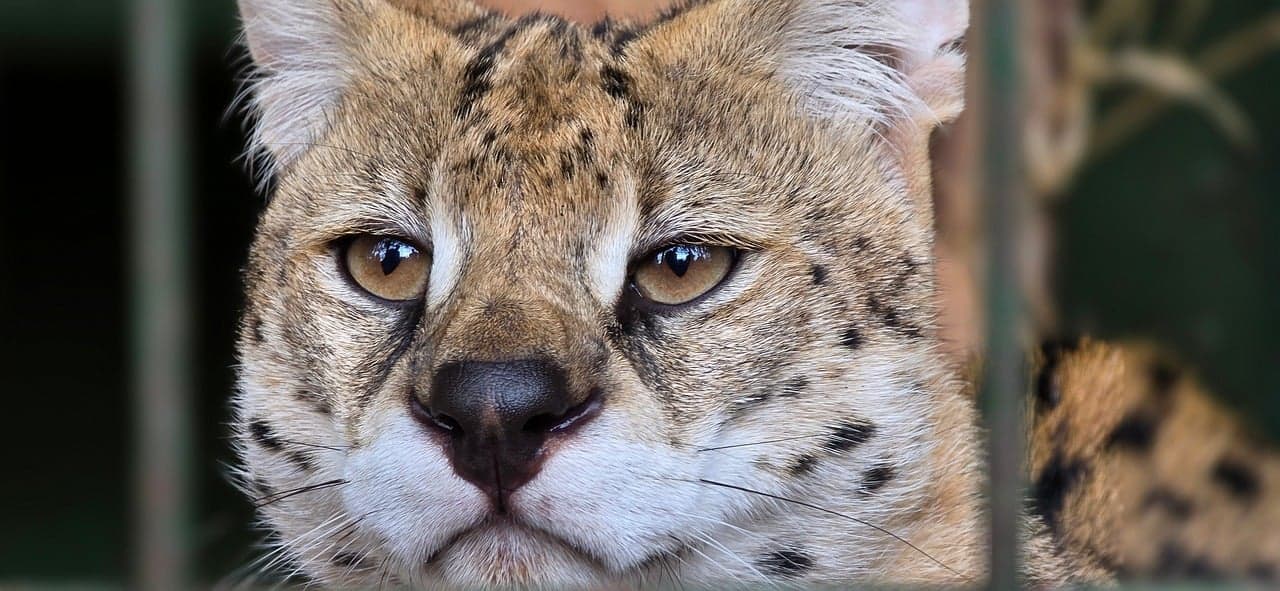
If you’ve ever seen a serval close up, then you probably understand why so many exotic animal enthusiasts are captivated by these cats. With their long legs, oversized ears and bold black spots, servals look like miniature cheetahs with a touch of house cat charm.
But these sleek African wild cats are more than just beautiful – they’re also intelligent, independent and full of personality.
But can you own a serval? Owning a serval is possible in certain places and under the right circumstances, but it’s not as simple as picking up a kitten from your local shelter.
Let’s take a closer look at what serval ownership really involves.
First Things First Is It Legal?
Before you go wild with dreams of owning an energetic serval, you need to ask yourself: Is it legal to own a serval where I live?
Laws about exotic animal ownership vary wildly depending on the state, city and even county. Some areas allow servals with permits while other areas ban them altogether.
In many cases, exotic animal ownership falls into a legal gray area that can get you into serious trouble if you don’t do your homework.
You must research your local laws and regulations.
If servals are permitted, apply for any required permits or licenses and get approved for these requirements before bringing a serval home.
Responsible exotic pet ownership starts with legal compliance. Keeping a serval where they’re illegal not only puts you at risk but it also endangers the animal as well.
what to expect Servals Are Not Like House Cats
Don’t be fooled – at first glance servals may look like super sized domestic cats, but these kitties are all carnivore.
Servals are not fully domesticated and will behave like a wild animal – even when bred in captivity and raised inside of a home, servals will not lose all of their natural behaviors.
These normal and natural behaviors can cause some issues in the average home.
Exotic Beauty ≠ Easy Pet
Even where servals are legal, they are still wild animals. They’re stunning, but that comes with heavy responsibility:
1. High Energy
Servals are energetic and personable – they like to run, jump, climb and explore.
2. Lots of Space
These athletic cats need large securely built outdoor enclosures and their own bedroom – sleeping on the couch or in a kennel is not going to cut it.
3. Special Diet
No kibble – raw meat, whole prey and nutritional supplements.
It’s costly, time consuming and takes up a bunch of freezer space.
4. Spraying
Servals spray to mark their territory – and that includes inside your home, on your walls, on your bed and even on some people that they like.
While early spaying or neutering may sometimes help, many owners report that spraying continues regardless.
5. Sensitivity to Change
Many servals are creatures of habit. Moving, new furniture or unfamiliar people can stress them out.
Most of these cats also do not like strangers, which makes having guests over to your home or finding pet sitters a real challenge.
6. Vet Access
Servals need routine veterinary care and vaccines – exotic vets with serval experience may be hard to find in many areas.
Why People Still Love Them
For those who are financially prepared and equipped for their unique challenges, servals can be really fun companions.
The strong magical bond that comes from working with one of these cats is truly special. Their intelligent and curious nature brings their caretakers so much joy and these cats are a beautiful living reminder of nature’s elegance.
Most people will be surprised to hear that servals can be trained, similar to the way a dog would. Some behaviors servals can be trained to do;
- Walk on a harness and leash
- Go on car rides
- Go for walks or hikes on a leash – due to a serval’s high prey drive they can not be trusted off leash in unsecured areas
- Taught commands such as come, sit, stay, down, target, etc.
- Learn how to jump in the air to catch a lure – often done with animal ambassador animals to teach the public about servals
Are You the Right Type of Person? things to consider
Servals can be deeply rewarding companions – but only for the right kind of owner.
If you’re willing to be honest with yourself about the financial responsibilities and big time commitment (and not just focused on their looks) you just might be a good candidate for these carnivores.
Do you have what it takes? Or are you living in a fantasy land? Ask yourself these questions:
If that sounds like you, a pet serval might be a good fit – but if you’re expecting a giant lap cat or a cool Instagram pet, you’re in for a disappointing reality check.
To learn more about if servals are good pets click HERE
a wild bond, but a lot of work
So, can you own a serval? Yes – but only if you’re fully prepared for a life changing commitment.
These cats are not for casual pet owners or impulse buyers. They require space, structure, patience and a genuine passion for this species.
For those who are ready, the bond with a serval can be truly special. They are intelligent, affectionate in their own wild way and it’s absolutely unforgettable when they give their favorite person a head boop.