How to Teach Your Pet Skunk to Come When Called (Yes, Really!)
Does your pet skunk ignore you completely? Here’s how to teach them to come when called — with tips on treats, timing, and common training mistakes to skip.

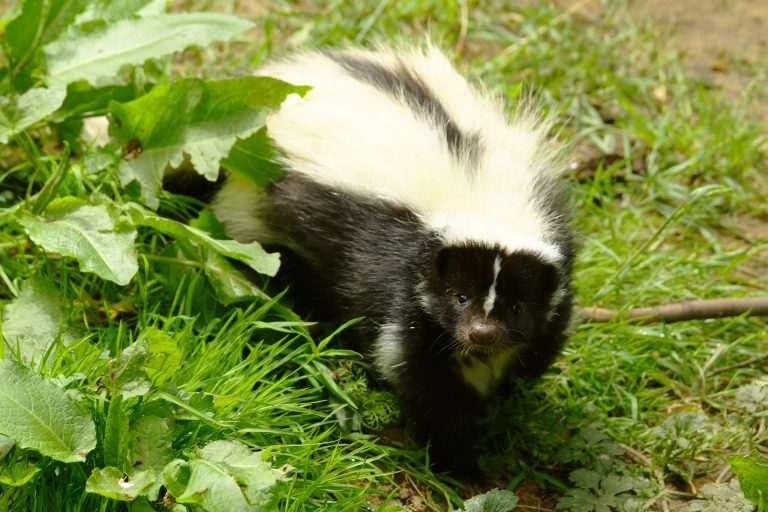
Pet skunks may not be as common as dogs or cats, but anyone who has shared their home with one knows just how much personality these little animals have. Curious, intelligent, and surprisingly food motivated, skunks are capable of learning a variety of behaviors—including coming when called.
With a little patience, plenty of positive reinforcement, and a few tasty treats, you can teach your skunk to recall. In this guide, we’ll walk through the simple steps to help your striped companion learn this valuable skill. Let’s dive in!
Can You Really Train a Skunk to Come When Called?
Absolutely! While skunks are known for having an independent streak, they’re also intelligent, curious, and highly motivated by food.
When the right techniques are used, you can teach your pet skunk a variety of behaviors and cues, including coming when called.
Skunks typically respond best to positive reinforcement, consistency, and plenty of motivation in the form of their favorite treats. With patience and regular practice, many pet skunks can learn to recognize and reliably respond to a recall cue.
What You’ll Need Before You Start
Before you begin training, it’s a good idea to gather a few essentials. Having everything ready ahead of time will help keep sessions smooth, positive, and productive.
● High Value Treats
Treats are one of the most powerful training tools you have. Choose small, irresistible rewards that your skunk doesn’t get every day, such as tiny pieces of banana, cooked chicken, blueberries, or scrambled egg.
The more exciting the reward, the more motivated your skunk will be to participate.
● A Consistent Cue Word or Sound
Choose a simple recall cue, such as “come,” your skunk’s name, or another short word. Some owners also use a clicker or whistle.
Whatever you choose, use it consistently so your skunk can clearly associate the “come” cue with the desired behavior.
● A Safe, Enclosed Space
Start training in a quiet, distraction free space where your skunk can focus. A small room works well for early sessions and helps prevent your pet from wandering off to investigate more interesting things.
● Short Sessions
Keep sessions brief and positive—usually around 5 to 10 minutes. Short sessions help maintain your skunk’s interest and prevent frustration for both of you.
Teaching the Come Command Step-by-Step
Training a skunk is all about patience, consistency, and positive reinforcement. Rather than expecting instant results, focus on building trust and creating positive associations that encourage your skunk to respond willingly.
Working through the following steps gradually can help set both you and your pet up for success:
Step 1: Create a Positive Association With The Cue
Before your skunk can learn to come when called, they need to associate their name or your chosen recall cue with something positive.
- Start by saying their name or cue in a cheerful tone and immediately offering a favorite treat.
- At this stage, you’re simply teaching your skunk that hearing that sound comes before a reward.
- Repeat this several times over multiple short sessions until your skunk consistently pays attention when they hear the cue.
Step 2: Start With Short Distances
Once your skunk begins responding to their name or cue, start encouraging them to move toward you.
- Sit nearby and give the cue.
- As soon as your skunk takes a step in your direction, reward them with praise and a treat.
- In the beginning, reward any effort to come toward you.
- You can gradually raise your expectations as they become more confident and consistent.
Step 3: Use Irresistible Encouragement
If your skunk seems hesitant during training, try making yourself a little more inviting.
- Crouching down to their level, using a cheerful voice, or offering a favorite treat can help encourage them to come closer.
- Some skunk owners even find that a specific sound—such as shaking a treat container or rustling a treat bag—quickly grabs their pet’s attention.
The key is to discover what motivates your skunk and use it consistently to create positive, rewarding training experiences.
Step 4: Gradually Increase Distance
Once your skunk is consistently coming to you from a short distance, you can begin gradually increasing the challenge.
- Move a little farther away each time, adding distance slowly so your skunk continues to succeed.
- Practice calling them from different areas of the room, then from nearby rooms with the door open.
- As their confidence and reliability grow, you can continue expanding the distance and practicing in different parts of your home.
Remember to keep training positive and set your skunk up for success. If they stop responding consistently, simply take a step back and make the exercise easier before gradually building back up again.
Step 5: Add a Fun Recall Ritual
Skunks often respond well to consistency and routine. One simple way to reinforce recall training is by turning it into part of their daily schedule. For example, you can try calling your skunk right before mealtime, treat time, or another activity they enjoy.
Over time, your skunk will begin to associate the recall cue with something positive and rewarding. As that connection grows stronger, they’re more likely to respond quickly and confidently whenever you call them.
Common Mistakes to Avoid
Before you get too far into training, it’s important to understand a few common mistakes that can slow progress and make recall training more difficult.
1. Using the Recall Cue for Unpleasant Experiences
Try not to call your skunk only when it’s time for something they dislike, such as medication, nail trims, or other potentially stressful activities.
The goal is to build a positive association with the recall cue, so your skunk learns that coming to you is rewarding and worthwhile.
2. Repeating the Cue Multiple Times
Avoid saying the cue over and over if your skunk doesn’t respond immediately. Repeating it too often can teach them that they don’t need to respond the first time. Instead, use the cue once, encourage them, and set them up for success.
3. Training When Motivation Is Low
Training tends to be most effective when your skunk is interested in rewards. If they’ve just finished a large meal, treats may not be as motivating.
Many owners find that short sessions before mealtime help maintain focus and enthusiasm.
4. Making Sessions Too Long
Keep training sessions brief and positive. If your skunk starts wandering away, losing interest in treats, or becoming distracted, it’s usually a sign that they’re ready for a break.
How Long Does It Take?
Every skunk is different, but most domestic skunks can learn a to come when called within 2 to 4 weeks of consistent daily practice. Some naturally curious individuals may pick it up more quickly, while more independent personalities might need a little extra time.
The most important rule is to avoid rushing the process. Slow, steady training builds a skunk who genuinely responds when called—rather than one who simply glances in your direction and casually wanders off.
A Few Extra Tips From Seasoned Skunk Parents
- Keep training light, fun, and playful. If you’re feeling tense or frustrated, your skunk will pick up on it, so aim for an upbeat, celebratory energy. You want your skunk to associate you with positive experiences and good things happening.
- Use their name only in a positive context. Avoid using it in a scolding or negative tone, so it consistently signals something good is about to happen.
- Once recall is reliable at home, you can gradually practice in new environments, such as a safely enclosed yard. Just remember that new settings increase distractions, so you may need to simplify the exercise again at first.
- When your skunk does come to you, make it a big moment—lots of praise, their favorite treat, and an enthusiastic voice. The goal is to make returning to you feel like the best decision they could possibly make
The Bottom Line on Training Your Skunk
Teaching your pet skunk to come when called isn’t just a fun trick—it’s an important safety skill and a great way to strengthen the bond between you and your striped companion.
With high value treats, short consistent training sessions, and plenty of positive reinforcement, you can build a reliable recall that feels rewarding for both of you.
Happy training!