7 Essential Skunk Training Tips Every Owner Should Know
Learn how to train a pet skunk using positive reinforcement, litter box techniques, and effective behavior strategies. Discover how to build trust, reduce biting, and create an enriching routine that helps your skunk stay happy and well-behaved.
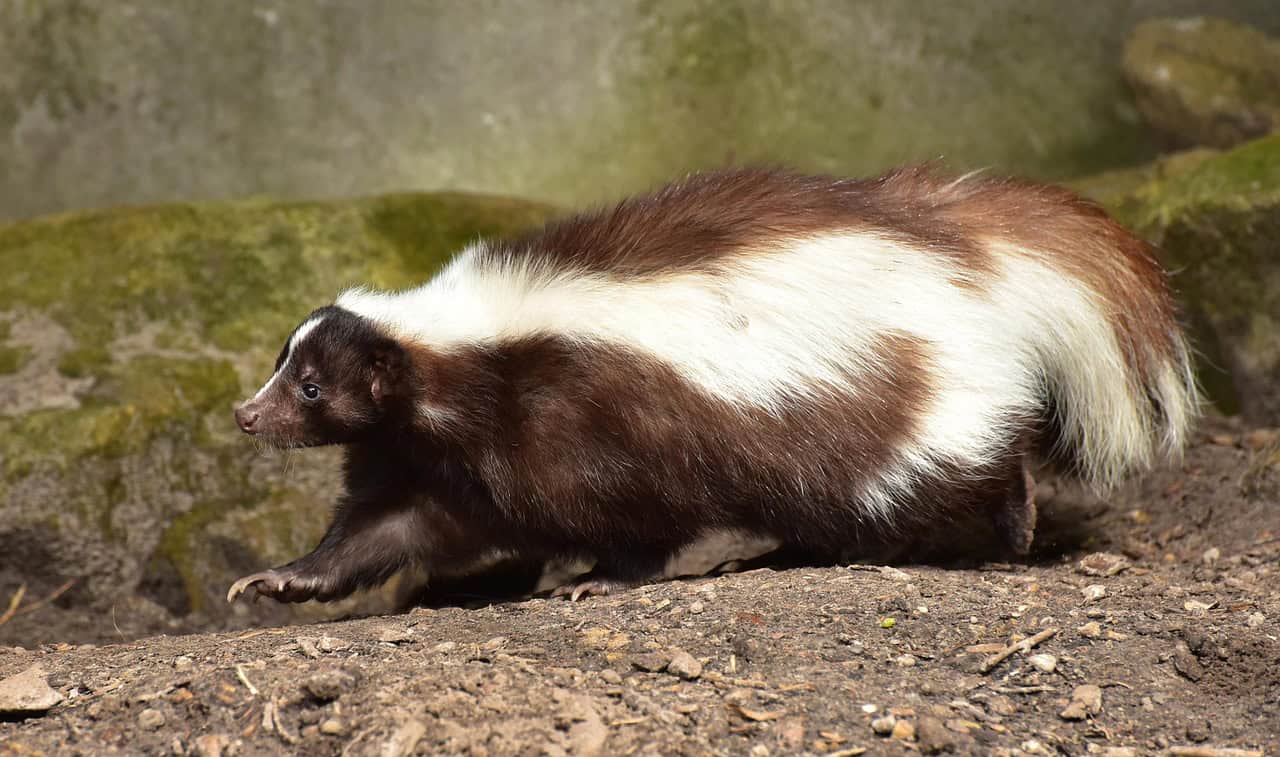
Skunks might not be the first animal that comes to mind when you think of a pet, but for those who’ve welcomed one into their home, they know how intelligent, curious, and affectionate these cute critters can be.
Like all exotic pets, skunks require time, patience, and proper training to become well-adjusted companions. Whether you’re just starting out or looking to improve your training techniques, this article covers essential pet skunk training tips to help build trust and encourage good behavior.
Why Train Your Pet Skunk?
Training isn’t just about teaching your pet skunk tricks – it’s also about communication and safety.
Proper training helps your skunk:
- Learn boundaries in your home
- Use a litter box
- Respond to their name and simple cues
- Reduce unwanted behaviors like nipping or digging
- Strengthen your bond through trust-based interactions
Start with Trust and Socialization
Skunks are naturally cautious, so the first step in any training plan should be building trust.
Trust Building Tips:
- Spend time with your skunk every single day – try to keep things quiet and calm to foster a safe environment
- Let your skunk approach you at their own pace
- Use a soft voice and slow movements
- Offer treats or hand feed your skunk their meals to help build positive associations
REMEMBER: Never force interactions with your pet skunk. Always remember to respect their space, especially during the first few weeks while they’re still getting to know you.
Use Positive Reinforcement
Just like dogs and parrots, skunks respond best to positive reinforcement – which simply means to reward desired behaviors instead of punishing unwanted ones.
Reward Ideas for Skunks:
- Small healthy treats like blueberries, scrambled eggs, cooked chicken, etc.
- Gentle petting if your skunk enjoys touch
- Playtime with a favorite toy
💡 TRAINING TIP: When your skunk does something you want to reinforce, mark the behavior right as it happens using a clicker or a verbal cue like “yes!”, then immediately reward them with a treat or another favorite reward.
Litter Box Training
Most pet skunks can learn to use a litter box, but training consistency and patience is essential if you want to see success.
How to Litter Train a Pet Skunk:
- Choose a low-sided litter box and place it in a quiet low traffic area. If your skunk already favors a specific corner, that’s the ideal spot to set up the litter box.
- Use paper pellets or unscented litter.
- Place some of your skunk’s droppings in the litter box to help signal that it’s the designated bathroom area.
- Gently place your pet skunk in the litter box so they can see and smell the area, helping them understand it’s the appropriate place to go to the bathroom.
- Consistently place your skunk in their litter box after they wake up, after meals, and at other regular intervals to reinforce where they should go to the bathroom.
- Reward your skunk with praise or treats after they use the litter box.
- Keep a close eye on your skunk – if you notice signs they’re about to go to the bathroom, gently pick them up and place them in their litter box right away.
PRO TIP: Remember that accidents are a normal part of potty training. When they occur, clean the area thoroughly and continue the training calmly without scolding your skunk.
Name Recognition and Recall
Teaching your skunk to respond to their name or come when called is useful and can even prevent danger.
How To Teach Your Skunk Their Name:
- Say their name in a cheerful tone and follow it up by giving them a treat
- Practice short sessions daily
- Gradually increase the distance as they improve
Over time, your skunk will associate their name with rewards and attention.
Discourage Biting and Nipping
Young or untrained skunks may nip out of curiosity or overstimulation.
Prevent Biting by:
- Avoiding rough play
- Learning to read their body language (tail flicks and backing away = overstimulated)
- Redirecting to a chew toy
- Gently ending the interaction if they nip, then trying again later once they are calm
🚫 Remember to never yell or hit your skunk – a scared skunk may stop trusting you and become defensive.
Offer Mental Stimulation and Enrichment
A bored skunk can become mischievous and destructive.
Help keep your pet skunk mentally engaged with:
- Puzzle feeders or treat-dispensing toys
- Hiding treats in boxes, crumpled paper, or tunnels
- Training new tricks like spin, shake, or follow a target stick
- Safe digging areas (like a bin with shredded paper or dirt)
A mentally stimulated skunk is a happier and better behaved skunk. Providing your pet skunk with enrichment is an essential part of their overall care and well-being.
Be Patient and Consistent
Training a skunk takes time. It’s important that owners set realistic expectations, stay consistent with commands and rewards, and keep sessions short and fun.
General Skunk Training Guidelines:
- Keep sessions short and fun – about 5 to 10 minutes per session
- Always end training sessions on a positive note
- Repeat lessons daily – be consistent and you will see results
- Avoid training when your skunk is sleepy or overstimulated
From Mischief to Manners
Pet skunks are full of personality, curious, clever, and often a little mischievous. While their intelligence and charm make them delightful companions, they’re not low maintenance pets. Skunks require dedicated care, structure, and thoughtful training to thrive in a home environment.
With the right approach – grounded in patience, positive reinforcement, and trust – you can guide your skunk toward learning essential behaviors and even some tricks. From litter training to responding to their name, skunks are capable of much more than many people expect when they’re given clear communication and consistent rewards.
Training isn’t just about managing behavior – it’s a powerful way to build a stronger bond with your skunk. It helps reduce stress, prevents boredom, and allows your pet to engage with their environment in a safe and enriching way.
By investing time into training, you’re not only shaping a better behaved skunk – you’re helping your quirky companion become a confident happy member of the family.
Happy training and enjoy the journey from mischief to manners!