Phytoplankton Benefits Transform Your Reef Tank with This Simple Addition
Unlock the power of phytoplankton in your saltwater aquarium! Discover how it boosts coral health, improves water quality, and nourishes filter feeders—plus get a complete, easy-to-follow dosing guide.
- What Exactly Is Phytoplankton?
- Top Benefits of Adding Phytoplankton to Your Reef Tank
- How to Use Phytoplankton in Your Saltwater Aquarium
- Choosing the Right Phytoplankton
- Live vs. Refrigerated vs. Dried Phytoplankton
- Common Questions About Phytoplankton
- Making Phytoplankton Part of Your Reef Care Routine
If you’re committed to building a healthy and thriving saltwater aquarium, phytoplankton might just be your new best friend.
These microscopic marine algae are absolute powerhouses when it comes to maintaining water quality and keeping your coral and filter feeders healthy and happy.
Let’s dive into everything you need to know about why phytoplankton deserves a spot in your reef tank maintenance routine.
What Exactly Is Phytoplankton?
Phytoplankton are microscopic single celled organisms that form the foundation of the ocean’s food chain.
Think of them as the ocean’s tiny farmers, using photosynthesis to convert sunlight into energy while producing oxygen as a byproduct. In your saltwater aquarium, these little guys play a similarly crucial role in creating a more balanced and natural ecosystem.
The most common types used in aquarium keeping include Nannochloropsis, Isochrysis, and Tetraselmis species. Each variety offers unique nutritional benefits and cell sizes that cater to different inhabitants in your tank.
Top Benefits of Adding Phytoplankton to Your Reef Tank
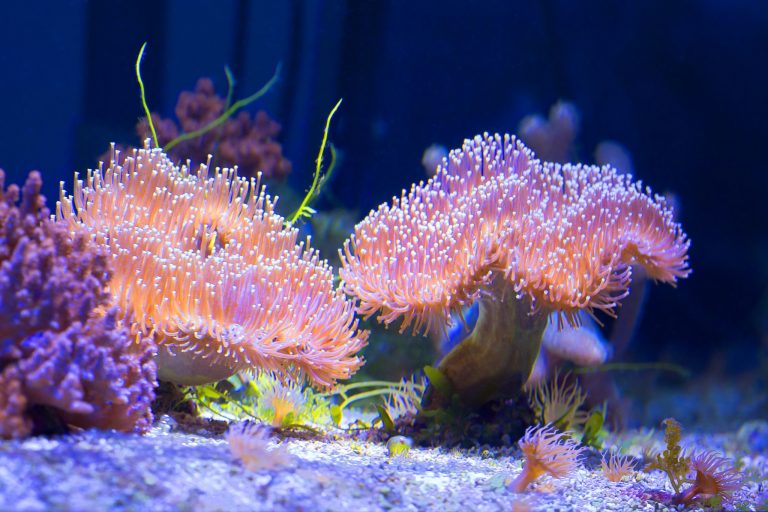
Many corals — including soft, SPS, and LPS corals — are natural filter feeders that thrive when phytoplankton is available. Its microscopic size makes it the perfect food for coral polyps to capture directly from the water column.
Your invertebrates benefit too. Clams, feather dusters, sponges, and tunicates all rely heavily on phytoplankton in their natural habitat.
Consistent phytoplankton dosing can noticeably enhance coral health. The vitamins, fatty acids, and amino acids it contains support stronger polyp extension, richer coloration, and increased growth rates. Many reef keepers observe visible improvements in a relatively short time.
Phytoplankton is essential for maintaining copepods and other beneficial zooplankton, especially in systems with refugiums. Since copepods feed directly on phytoplankton, a steady supply supports a self-sustaining food chain — particularly important if you keep mandarin fish or other copepod-dependent species.
Live phytoplankton absorbs nitrates and phosphates from your water column as it grows. When consumed by corals and filter feeders, those nutrients are effectively removed from your system — preventing accumulation and reducing algae problems at the same time.
In the wild, reef ecosystems are constantly bathed in microscopic organisms that feed the entire food web. Adding phytoplankton helps your artificial reef behave more like the real thing — reducing stress on inhabitants and promoting the natural behaviours they’re built for.
Phytoplankton’s rich nutritional profile — essential fatty acids, vitamins, minerals, and amino acids — supports the immune systems of your fish, corals, and invertebrates. Regular supplementation can improve resilience and help tank inhabitants recover more quickly from environmental stress.
How to Use Phytoplankton in Your Saltwater Aquarium
5–10 ml per 25 gallons of water per day is a good starting point — adjust based on your tank’s population and bioload.
Start conservatively and gradually increase based on how your corals and water quality respond. It’s always better to underdose initially than to overwhelm your system.
For best results, follow this dosing routine:
Turn off your protein skimmer before dosing — this gives corals and filter feeders time to capture phytoplankton before it’s removed by mechanical filtration.
Dose with your return pump running to distribute phytoplankton evenly throughout the water column.
Wait 30–60 minutes before turning your skimmer back on to allow maximum uptake by your tank inhabitants.
For corals that are slow to extend their polyps or seem to need extra attention, target feed phytoplankton directly using a turkey baster or pipette.
Temporarily turn off your pumps and gently release phytoplankton near the coral’s polyps — ensuring they receive direct access to nutrition without competition from water flow. Works wonderfully for:
Choosing the Right Phytoplankton
Not all phytoplankton products are created equal. When shopping for phytoplankton, look for products that contain multiple species rather than just one. Different phytoplankton species have different cell sizes and nutritional profiles, so a blend provides more complete and balanced nutrition than single species options.
Live vs. Refrigerated vs. Dried Phytoplankton
Delivers maximum nutritional value with the highest bioavailability — the closest thing to what your corals and invertebrates would encounter in the wild. Must be refrigerated and used promptly.
A practical balance between potency and convenience — concentrated formulas that retain strong nutritional value while being easier to store and dose than live cultures.
The most convenient storage option with the longest shelf life — ideal for hobbyists who dose infrequently or prefer easy handling. Some nutrients may be lost during the drying process.
Common Questions About Phytoplankton
Will phytoplankton cause algae blooms?
When dosed appropriately, phytoplankton should not cause problematic algae growth. The key is not overdosing and maintaining proper filtration, water changes, and general tank maintenance.
How quickly will I see results?
Many reef keepers notice improved polyp extension and coral feeding response within the first week. Enhanced coloration and growth typically become apparent after several weeks of consistent supplementation.
Can I grow my own phytoplankton?
Absolutely! Culturing your own phytoplankton at home is cost effective and ensures a fresh supply. You’ll need starter cultures, culture vessels, lighting, and nutrients, but many hobbyists find it rewarding and economical for larger systems.
Making Phytoplankton Part of Your Reef Care Routine
Incorporating phytoplankton into your regular aquarium maintenance schedule doesn’t have to be complicated.
Set a daily reminder on your phone, keep your phytoplankton bottle in the refrigerator where you’ll see it regularly, and make dosing part of your evening routine while you’re enjoying your tank.
The benefits of phytoplankton really speak for themselves. From happier corals with better coloration to healthier fish and a more balanced ecosystem overall, this simple addition to your reef care routine can make a world of difference.